






|
Google Chrome thinks enlarging my pictures, some links and sometimes scrolling through the pages is a popup. If you want to navigate my website than please allow "popups". |
| The village of Argiropouli (Argiropoulis) on the island of Crete |
 |
 |
 |
 |
 |
 |
 |
 |
|
|

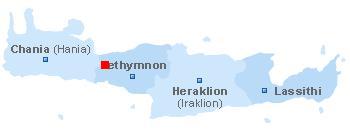 Argiroupoli is a village just southwest of the town of Rethymno. You take the road at the exit that says "Episkopi 2" from the highway which runs between Chania and Rethymno, and then you follow the signs.
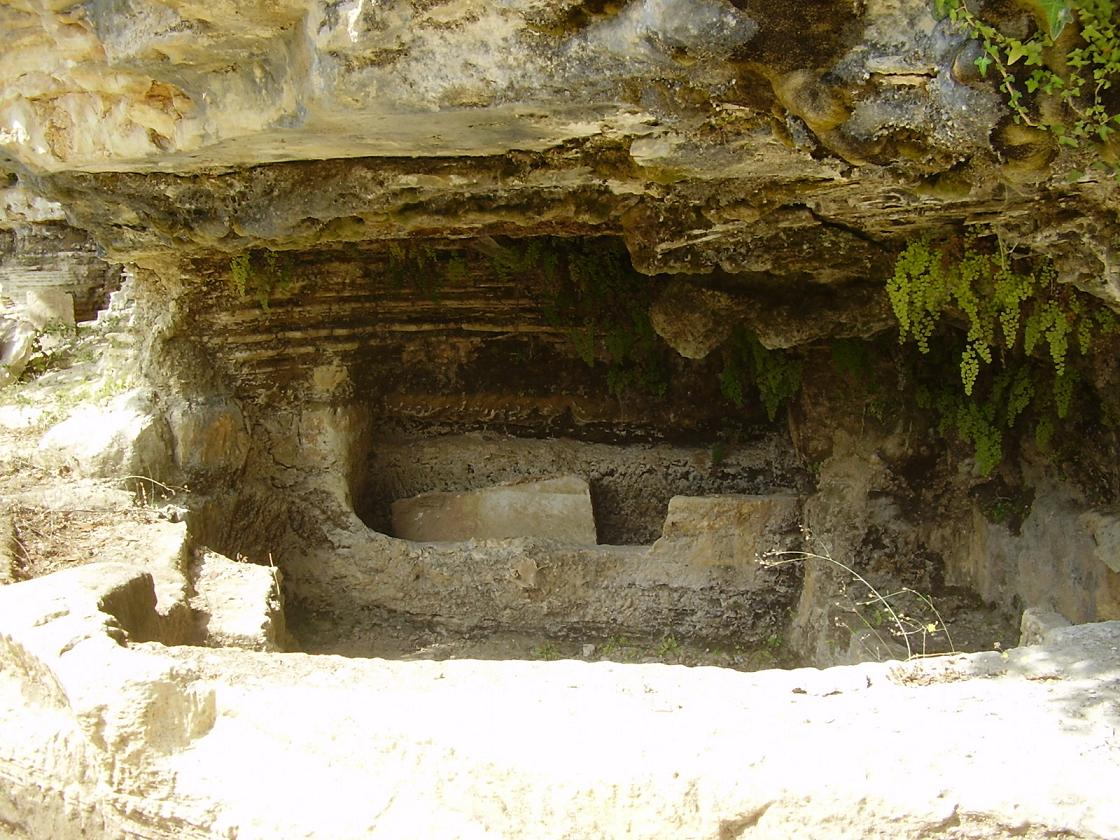
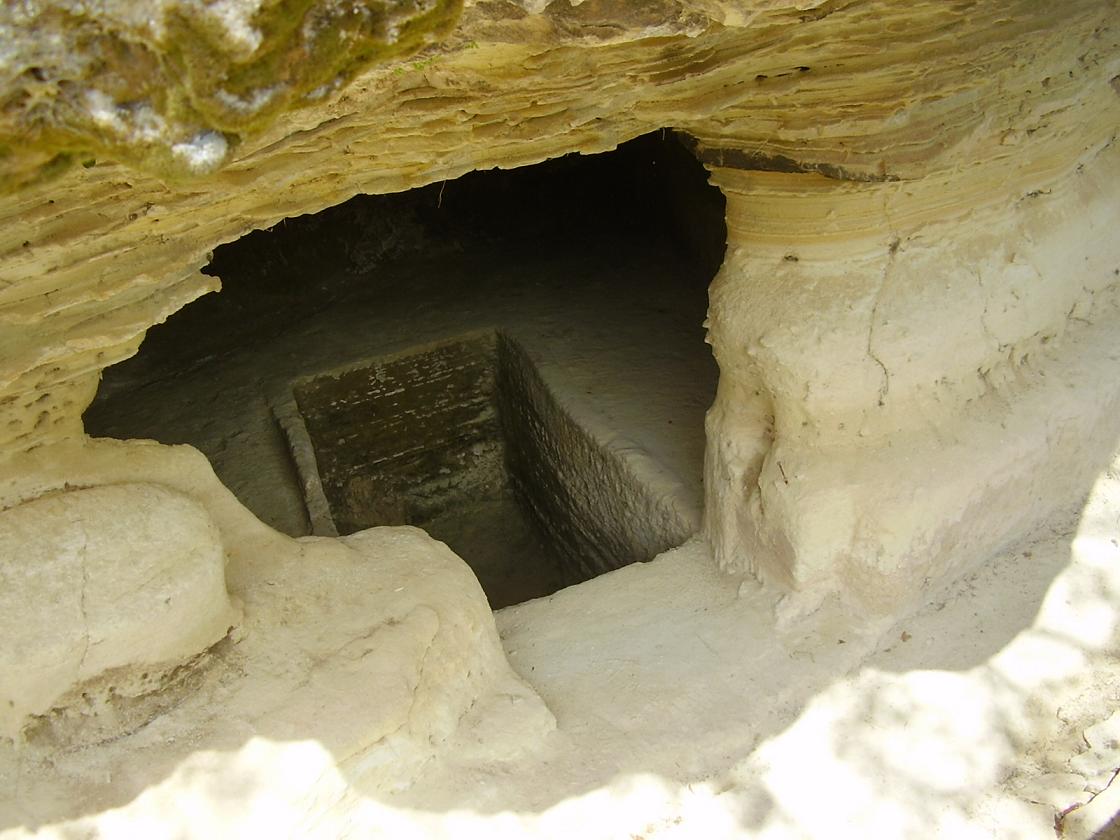
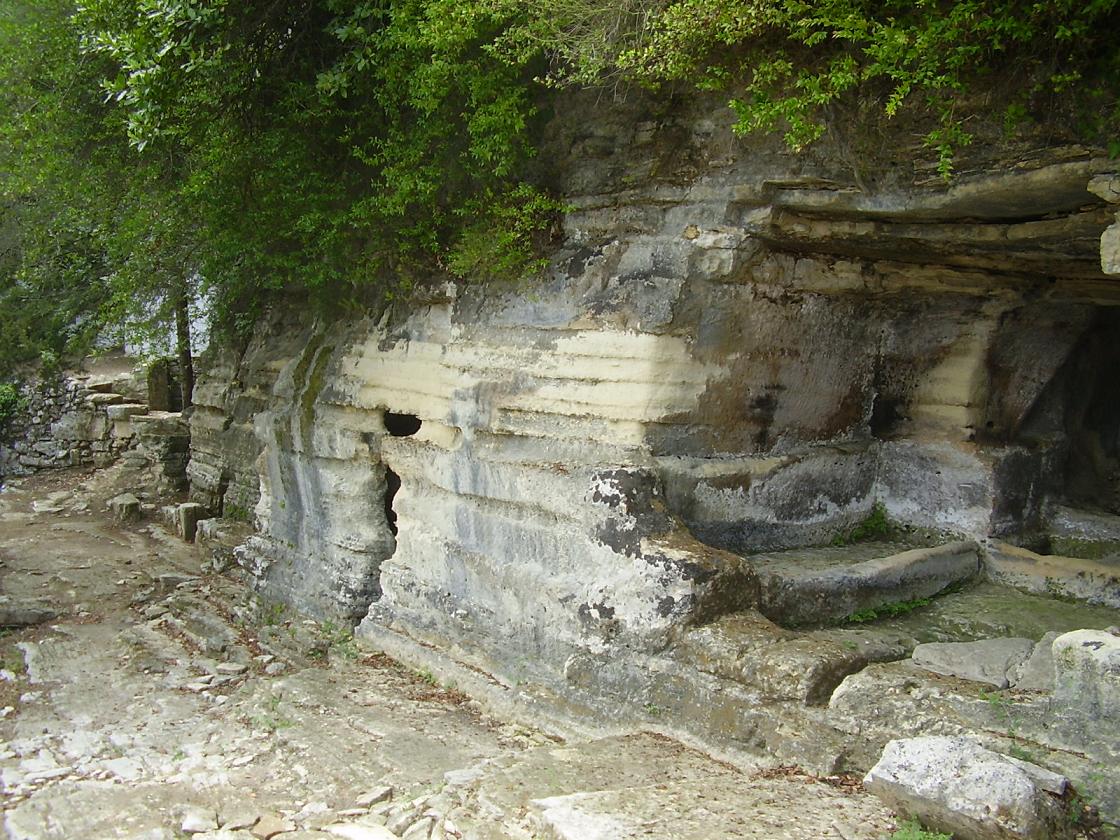
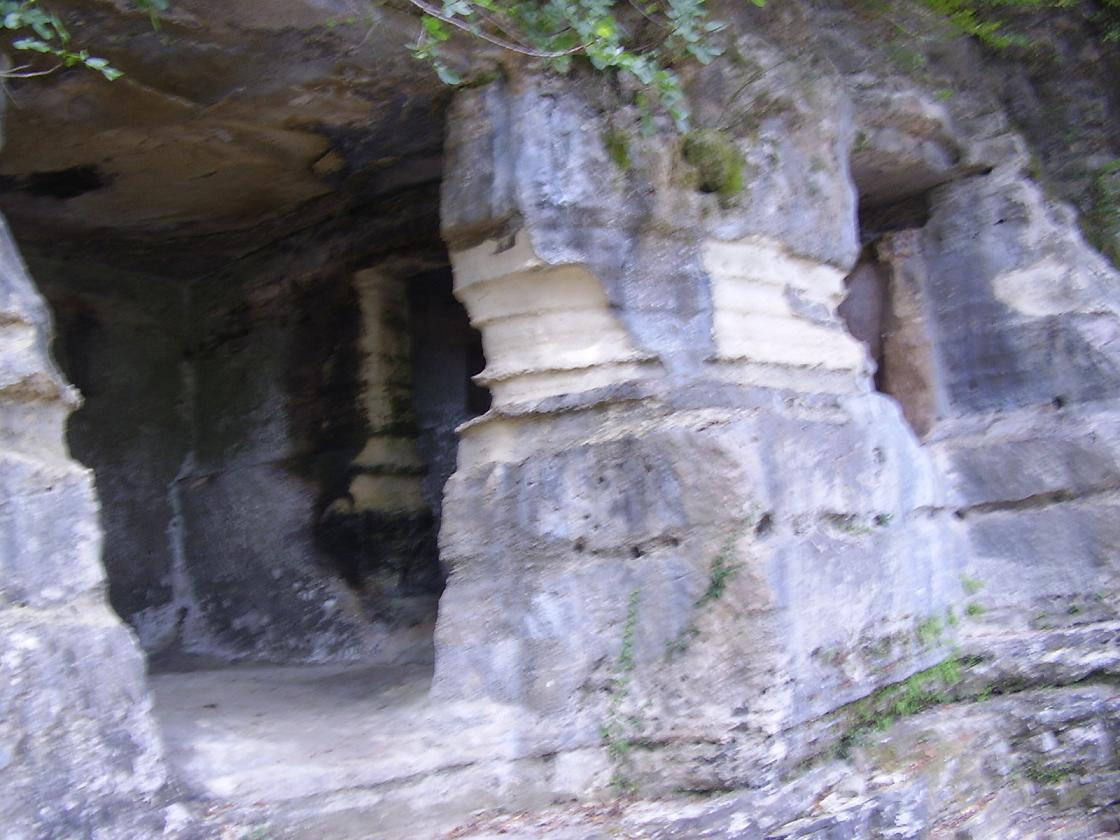
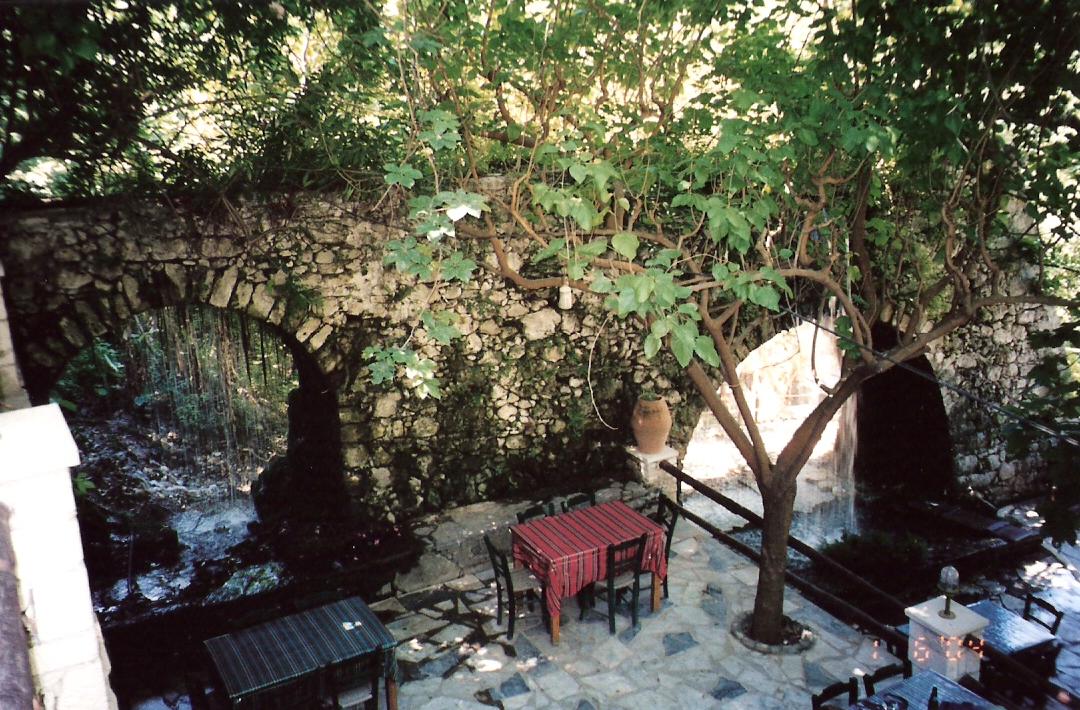
The village is located in the hills and there are many remnants from Roman times to find, such as a port, floor mosaics and many tombs. In the neighbourhood are also plenty of waterfalls and a monastery from the 10th century with wall paintings from the 12th century.
Argiroupoli is a village just southwest of the town of Rethymno. You take the road at the exit that says "Episkopi 2" from the highway which runs between Chania and Rethymno, and then you follow the signs.
The village is located in the hills and there are many remnants from Roman times to find, such as a port, floor mosaics and many tombs. In the neighbourhood are also plenty of waterfalls and a monastery from the 10th century with wall paintings from the 12th century.
 |
 |
 |
 |
 |
 |
 |
 |
|
In ancient times Argiroupoli was already a city of significance. In Dorian times it was called Lappa. In the year 67 BC the city was destroyed by the Romans. Lappa supported Octavianus in his battle with Mark Antony and when Octavianus later became Emperor Augustus, he rewarded the city and helped to rebuild it. Lappa was then a flourishing city until the 9th century AD when it was destroyed by the Saracens. The city was rebuilt and the name changed to "Poli" (city). During the Turkish domination it was known as Gaidorpoli (Donkey City). In 1822 the village got its final name Argiroupoli. |
 |
 |
 |
 |
|
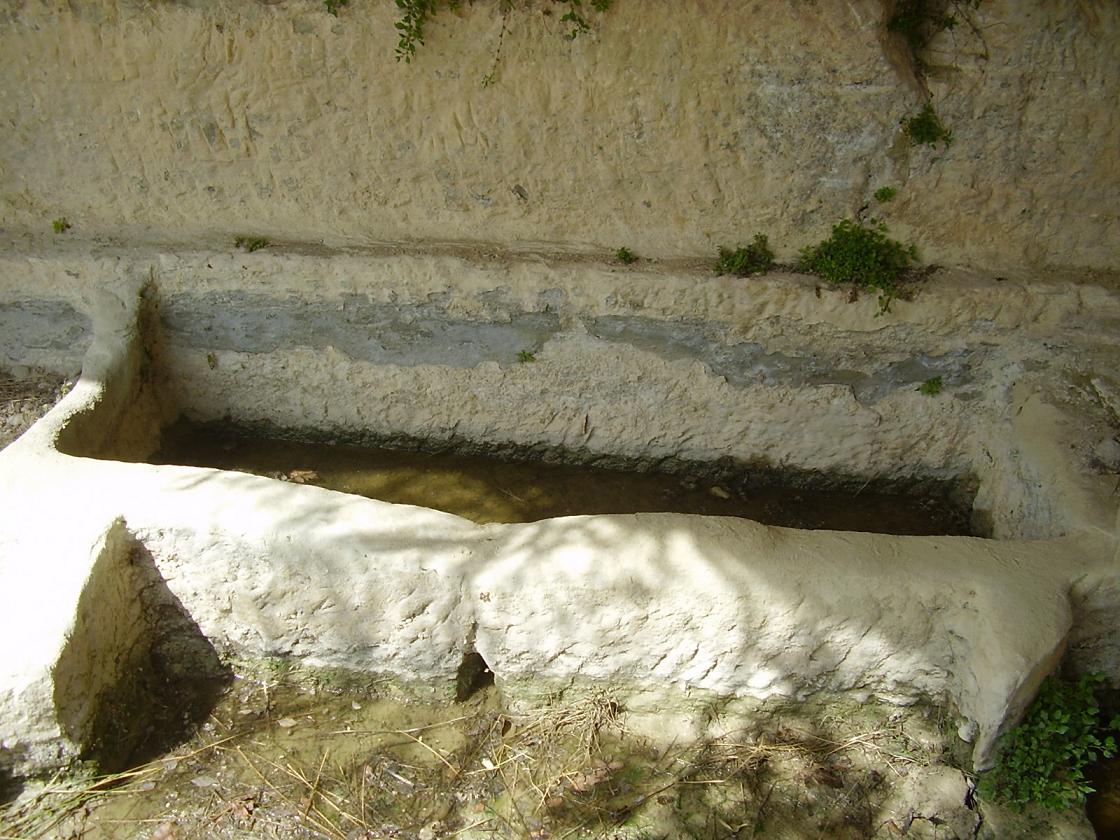
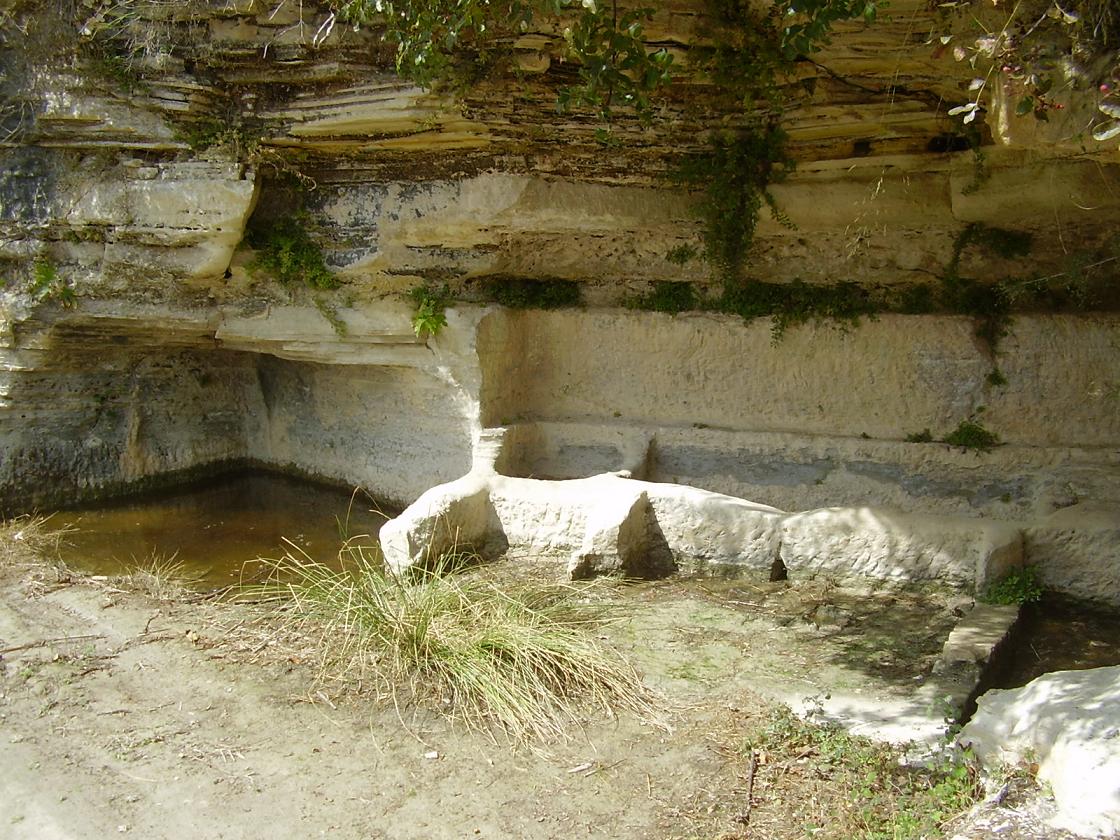
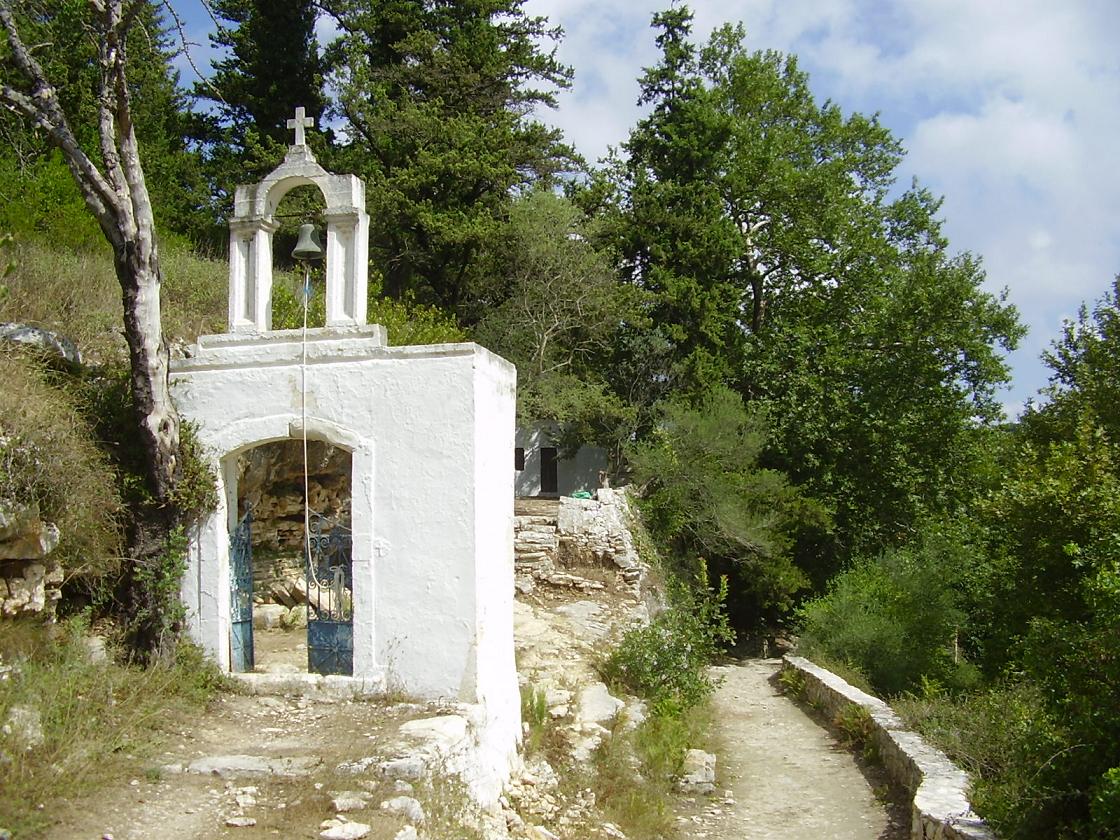
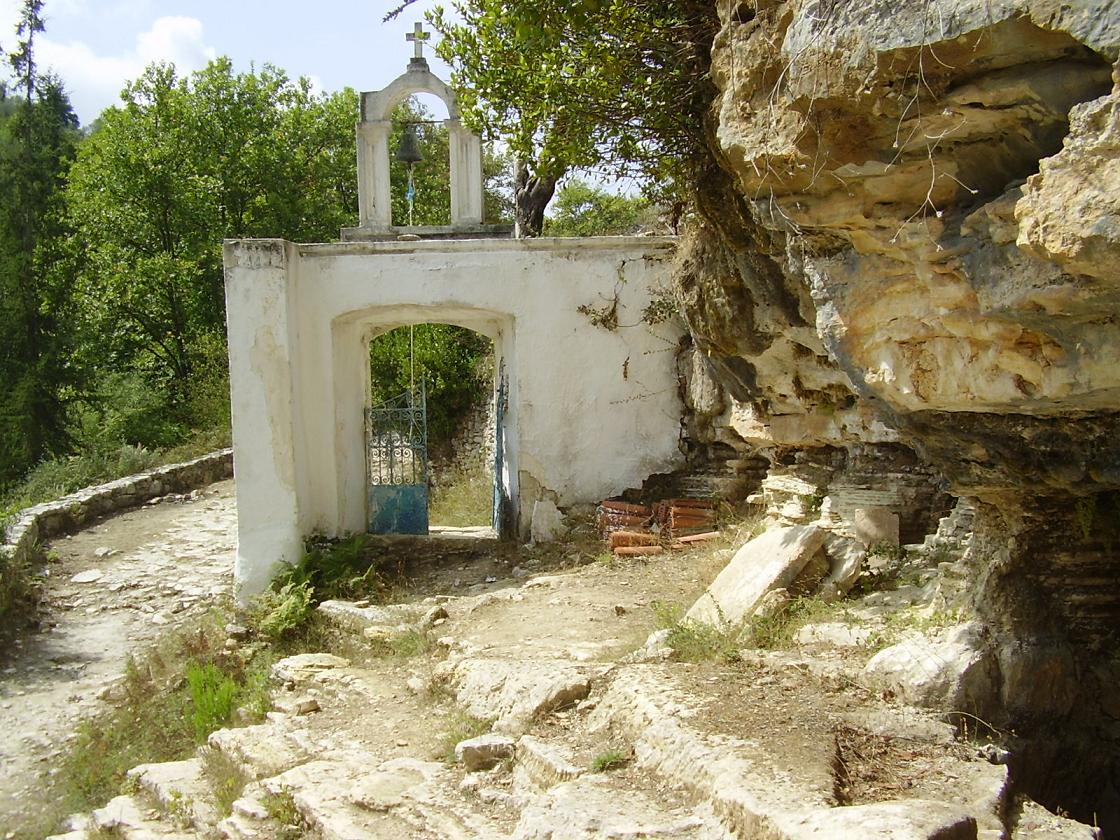
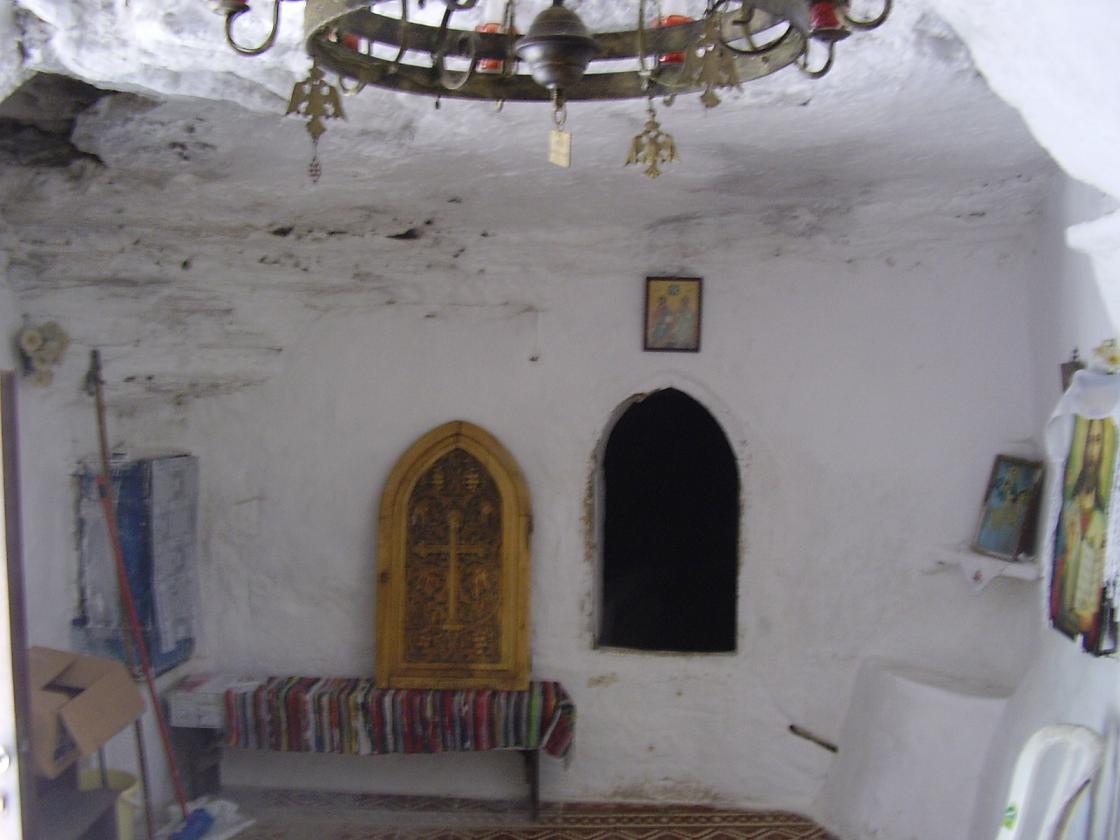
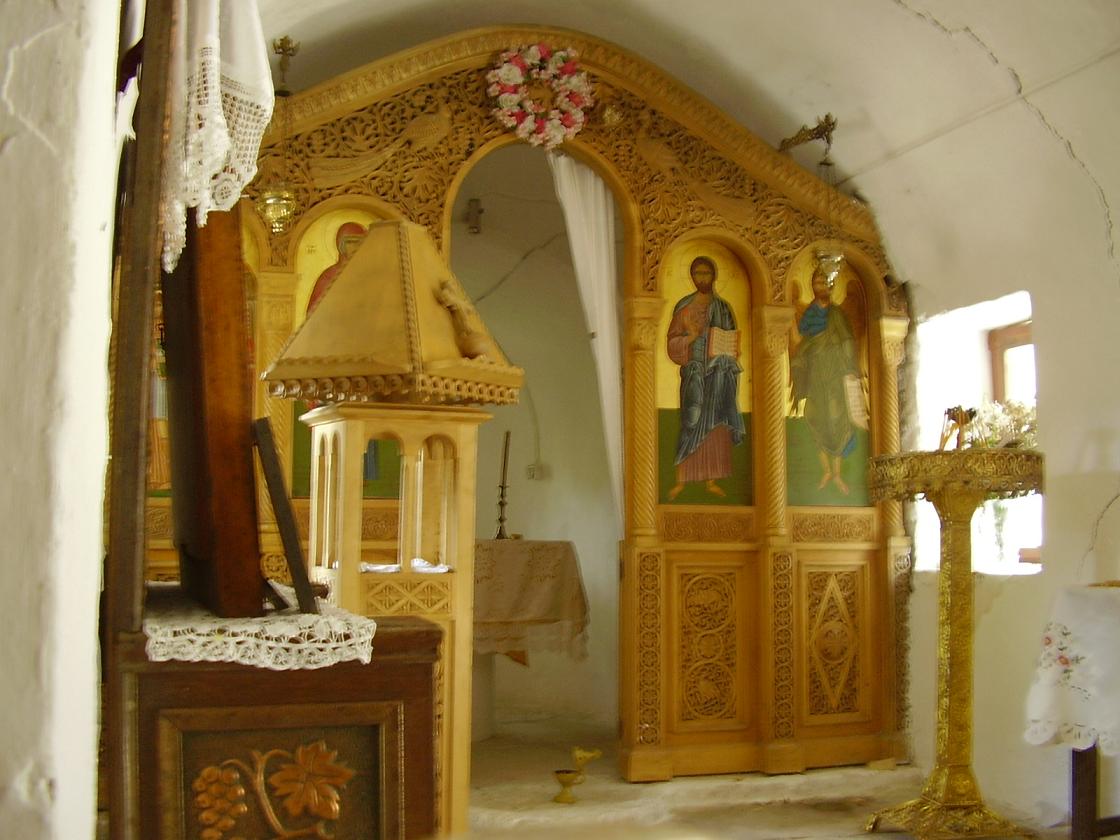
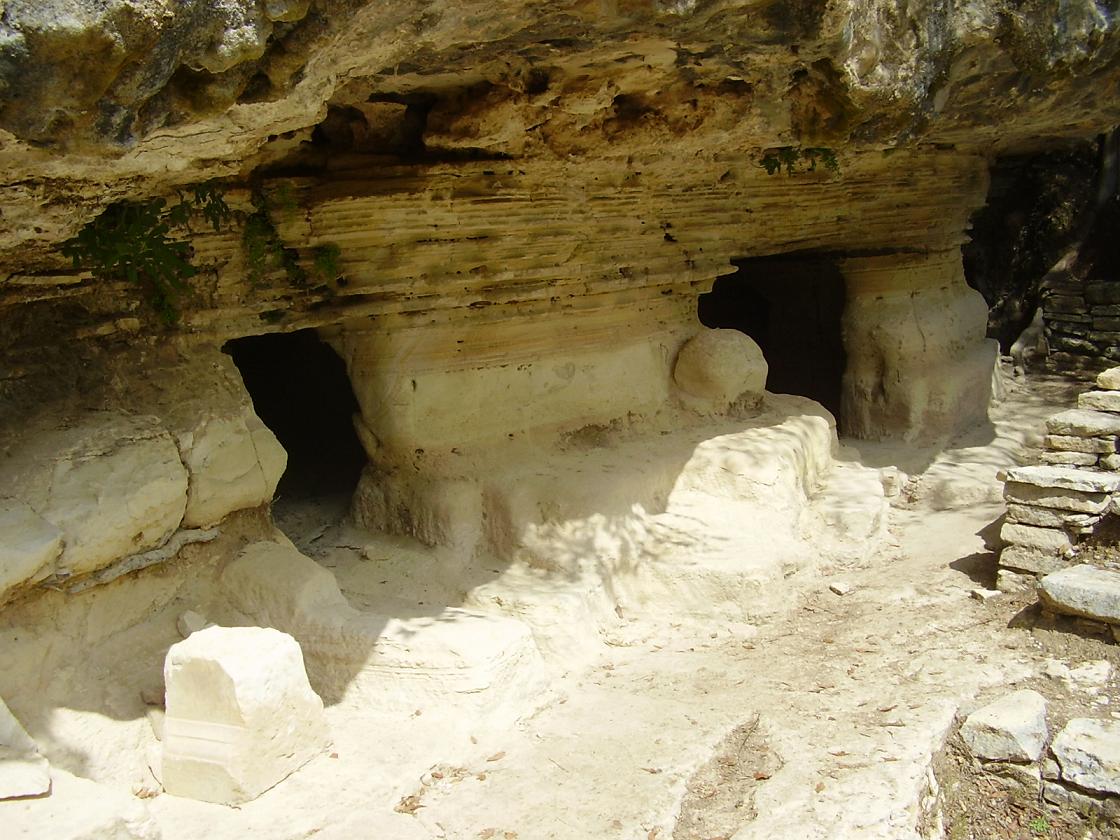
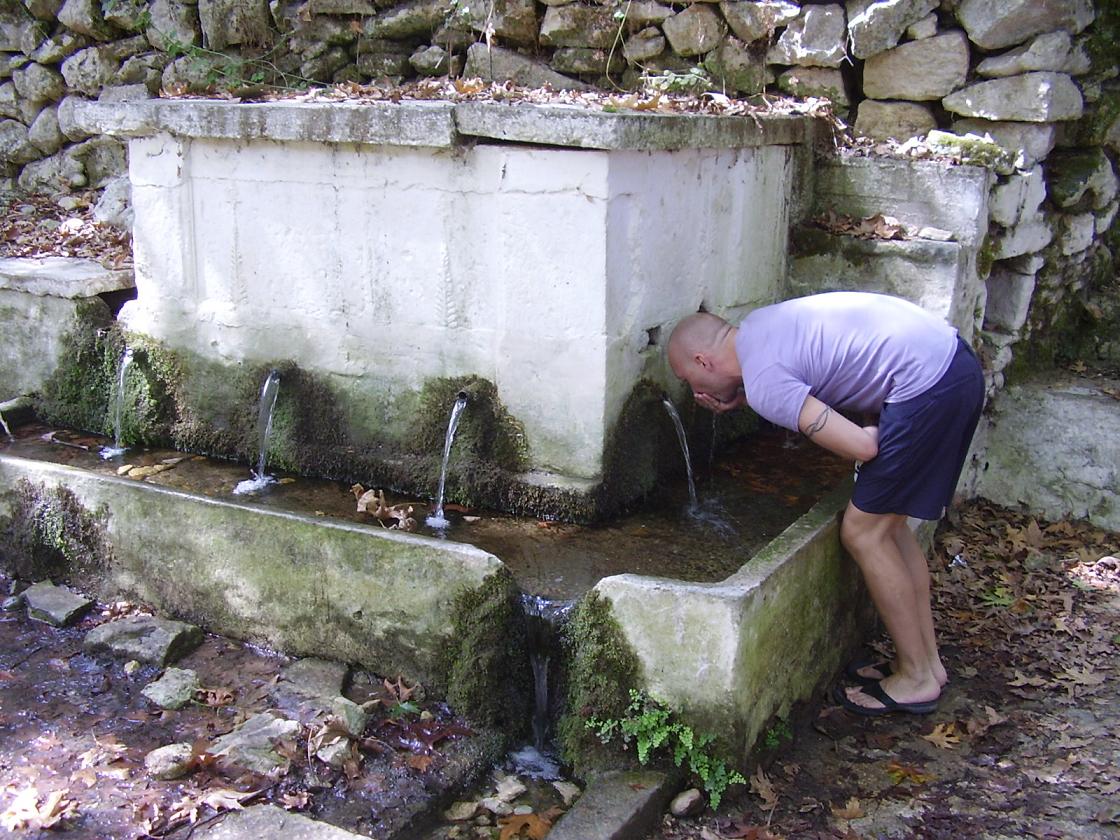
Despite all the violence in and around the village, there are still a few things well preserved, like a Roman mosaic with 7000 stones and a Venetian gate. In the courtyard of the Agia Paraskevi chapel there are remnants from the Minoan times (one step). Northwest of the village are waterfalls and water sources and a church that is carved out in a rock (the Agia Dynamic church). Nearby are also the remains of a Roman aqueduct, Roman baths and watermills. Northeast of the village (follow the old path next to the local school) is an old Roman road leading along a large quantity of Roman tombs, a church that is carved out in a rock (the Church of the five virgins) and a thousand years old sycamore. |
| H Eisodos Taverna - Argiroupolis |

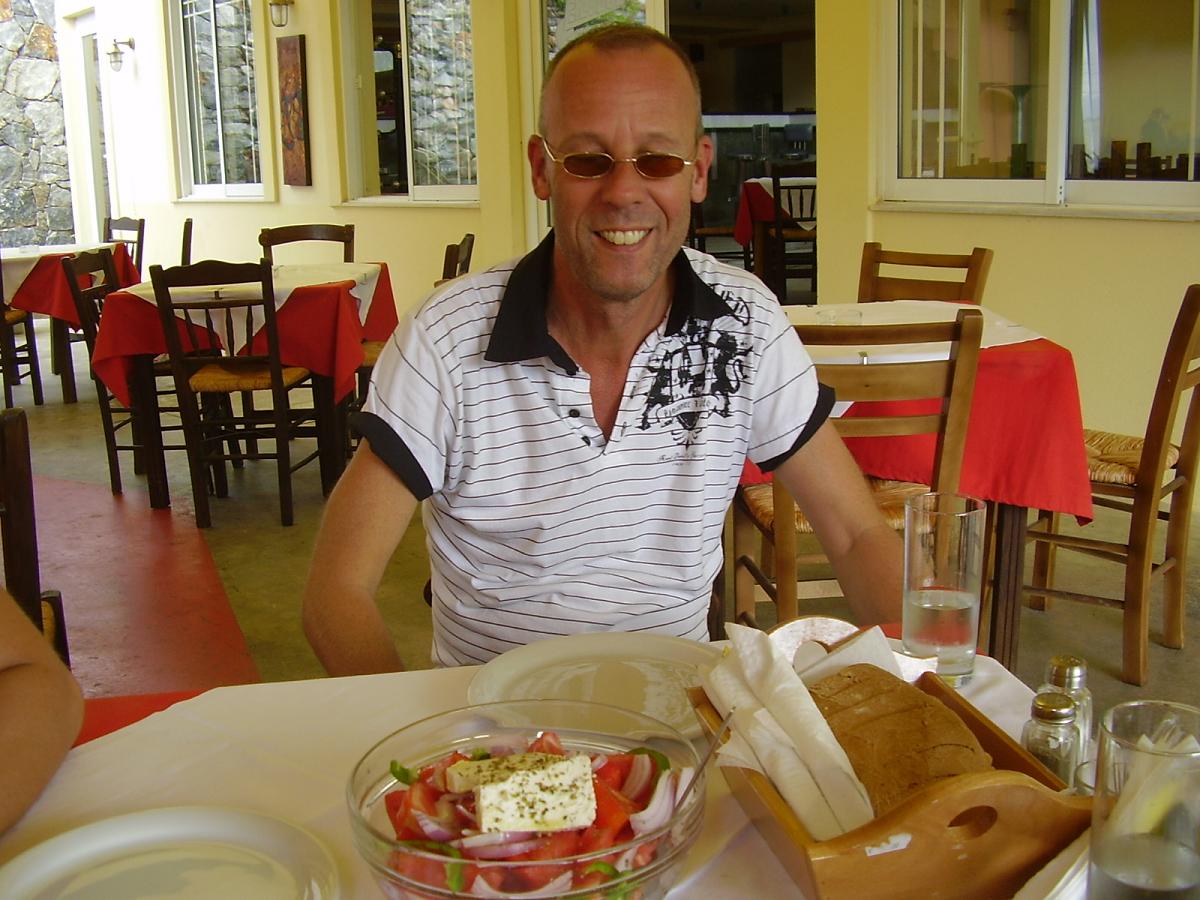
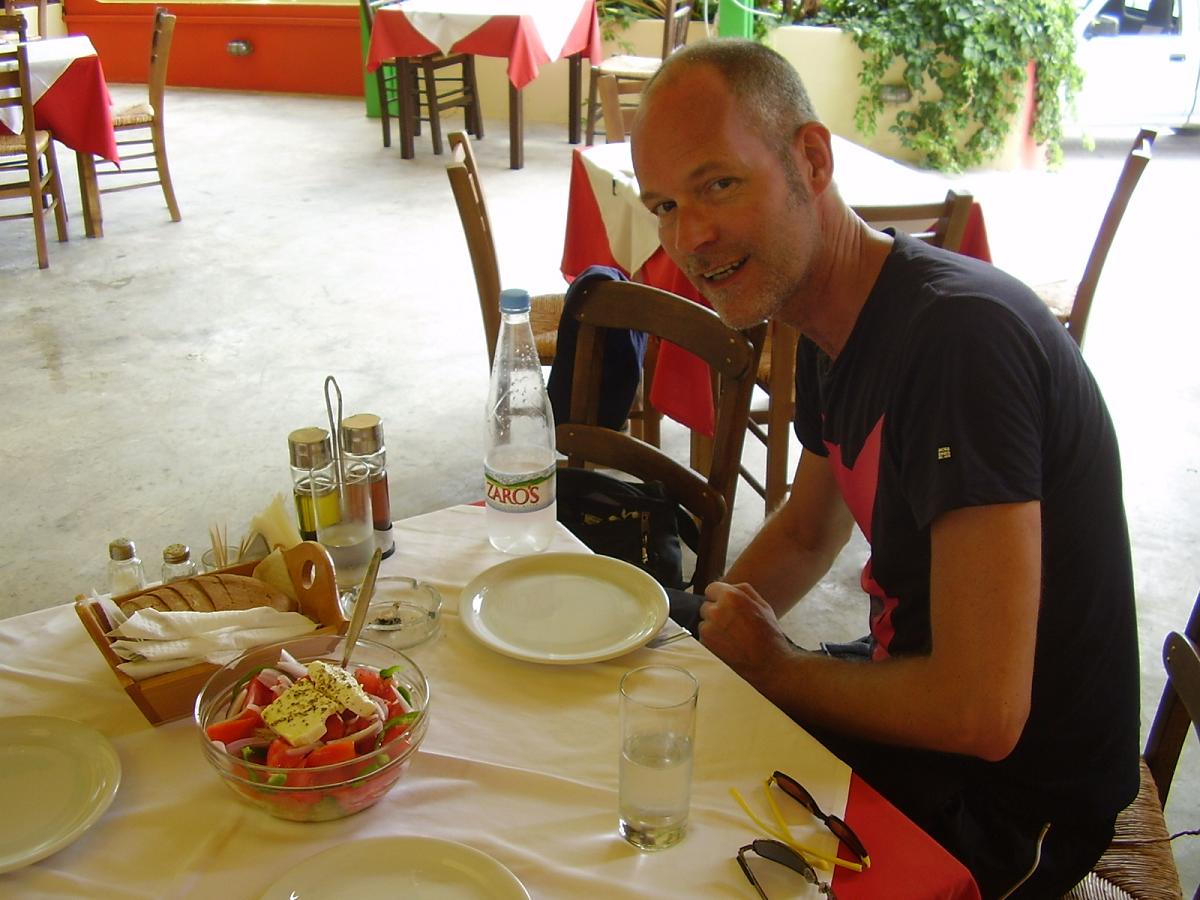
H Eisodos in Argiroupolis a very good taverna set on the side of the road at the edge of the village. There are several starters, amongst which are many small vegetarian dishes, and there are salads, pizzas, grilled chicken or grilled meat, pitas. It is also very cheap. On the table this time no paper table cloths but real linen. The portions are very large as well. Our salad had lovely fresh herbs in it and the French fries were chrunchy and tasty. Our verdict: an 9+ out of 10 |
| Arcus Luxury Villas - Argiroupoli |
 |
 |
 |
 |
 |
 |
 |
 |
|
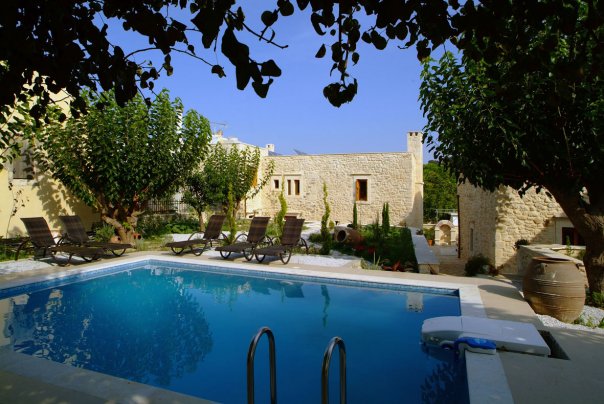
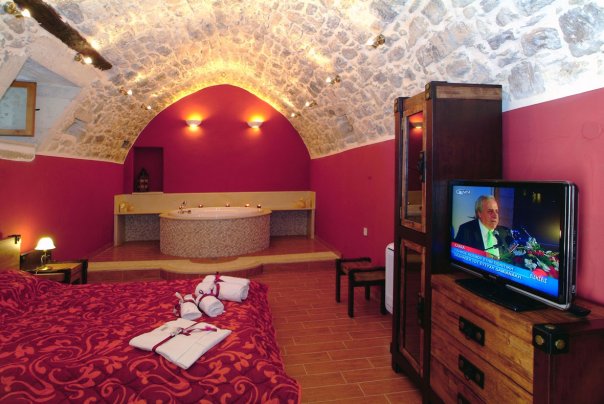
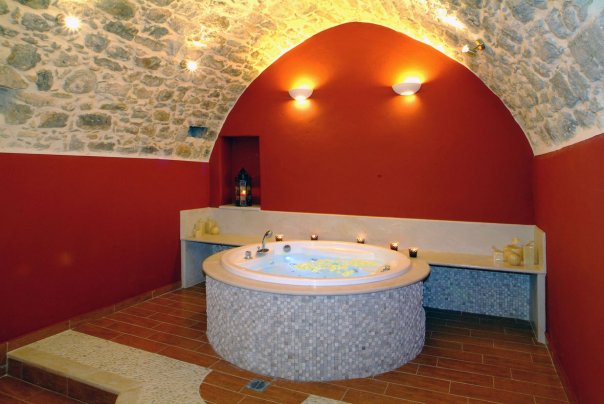
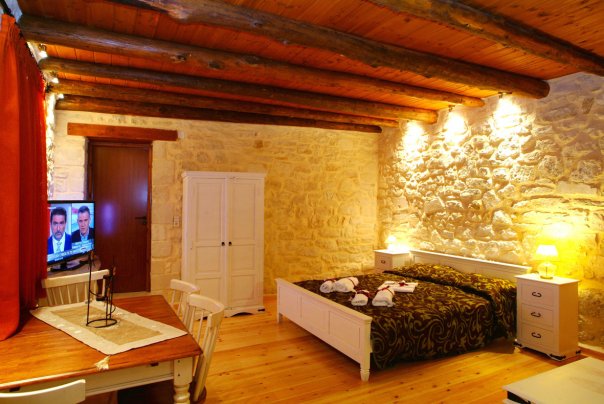
Arcus Luxury Villas is an entire neighbourhood of renovated Venetian stone mansions, located in the heart of Argyroupolis village in Rethymno. The villas were renovated with respect to their original style and architecture. As a result 5 independent luxury villas were created. The decoration in each villa is unique and offers all modern comforts 5 stars. Ambitious dome, stone arches, axes, arches, stone fireplaces, wooden floors create a unique atmosphere. The villas are located in a garden of 400 sqm. area, where guests may relax by the swimming pool and enjoy the beauties of the surrounding areas. The beautiful beach of Episkopi is only 8 km. away. Check availability and prices & book Arcus Luxury Villas - click here. |
© Hans Huisman, Ofra Cohen, https://www.angelfire.com/super2/greece/ 2019