


'FIRST HALF IS IMPRESSIONISTIC, THE SECOND HALF IS EXPRESSIONISTIC'
 Robert Loggia talked to QMI Agency's Bruce Kirkland about Scarface, saying he did not enjoy working with Brian De Palma on the film. In contrast to how Steven Bauer describes his experience working on Scarface (that De Palma was "very hands-off" and trusting of his actors), Loggia tells Kirkland that he felt De Palma was too fussy with, as Kirkland writes, "picayune details that the veteran actor felt should be left to the performers." Loggia stated, "I hate to knock a director, but you don't want a director to say, 'Do this, do that, hold the gun up there, higher, higher.' It was difficult working with (De Palma) ... for me. But he's got a career going and I don't want to say anything negative." Despite this, Loggia tells Kirkland, "I think we turned out a pretty damned good movie," counting it among the reasons he loves his acting career. "Acting in general is a feeling of being transported to the heavens," Loggia said. Loggia adds that the film has two separate styles: "The first half of the movie is impressionistic," he tells Kirkland. "The second half of the movie, after I die, is expressionistic. It's completely different. I don't think that was ever articulated (during the shoot) but that was the truth of the matter. We just did it. It was obvious."
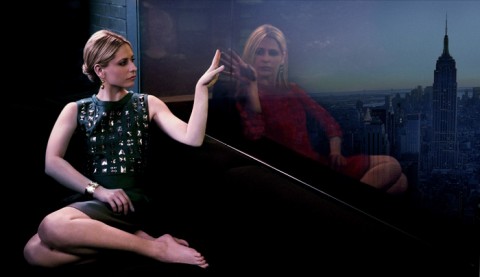 Eric Charmelo, who created the new TV series Ringer with his regular co-writer Nicole Snyder, tells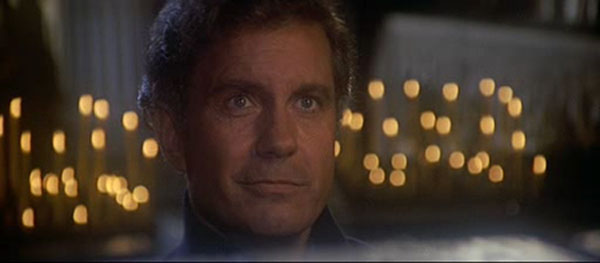
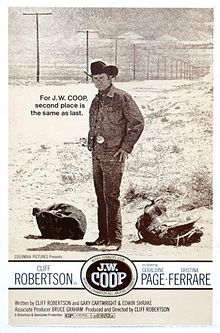 News came late last night that Cliff Robertson died of natural causes Saturday (Sept 10), one day after his 88th birthday. Robertson, of course, portrayed the wealthy real estate developer Michael Courtland in Brian De Palma's Obsession, which was released 35 years ago in 1976. The film, written by Paul Schrader, was just released this past summer in a special region-free Blu-Ray edition from Arrow Video. In addition to winning an Oscar for his lead role in Charly in 1968, Robertson had a number of memorable roles in a long acting career. He played the CIA head in Sydney Pollack's conspiracy thriller Three Days Of The Condor, which was released a year before Obsession, and which provided much inspiration for De Palma's 1996 film Mission: Impossible (Condor has also been used as a comparison point for De Palma's upcoming project, The Key Man). In 1962, President John F. Kennedy personally chose Robertson to portray him in PT 109, which was based on Kennedy's experiences in WWII. More recently, Robertson became known as "Uncle Ben," the great beacon of responsibility in Sam Raimi's Spider-Man trilogy. Robertson also had run-ins with Batman, portraying the cowardly cowboy of crime, Shame, in several episodes of the TV series in 1966. In 1983, he portrayed Hugh Hefner in Bob Fosse's Star 80. Robertson also directed two films: J.W. Coop (1971, which Robertson also co-wrote and produced), has themes similar to that of De Palma's Carlito's Way. It stars Robertson as a cowboy who, after eight years in prison, finds that society is not what it used to be. The film is a western that takes place in the modern American rodeo circuit, and used footage from actual rodeo events. In 1980, Robertson directed The Pilot, a character study about a pilot who is also an alcoholic. Robert P. Davis adapted the screenplay from his own novel, and the film is noted for its realistic depictions of commercial flying.
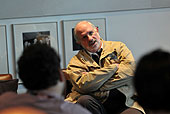

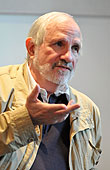 Brian De Palma is pictured speaking at the Talent Lab at the
 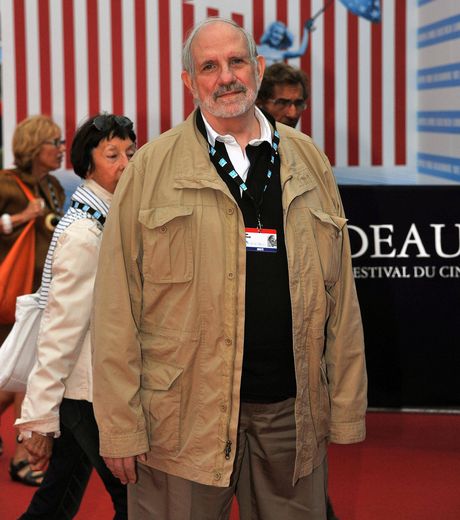 De Palma was photographed at the Deauville Film Festival in France over the weekend, courtesy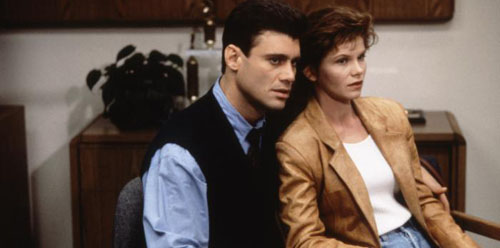
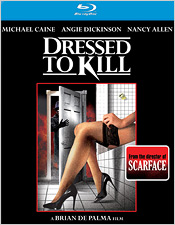 Two Brian De Palma films were released today in the Blu-Ray format: Scarface and, from the director of Scarface, Dressed To Kill.
 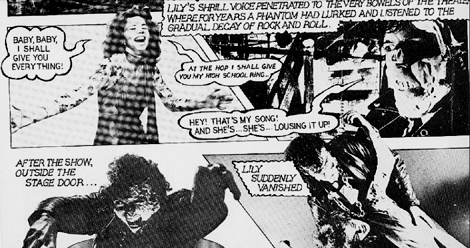 A
A