

KATE LILLIE LOOKS AT CARRIE IN "GREAT ADAPTATIONS" COLUMN (FROM OCT)
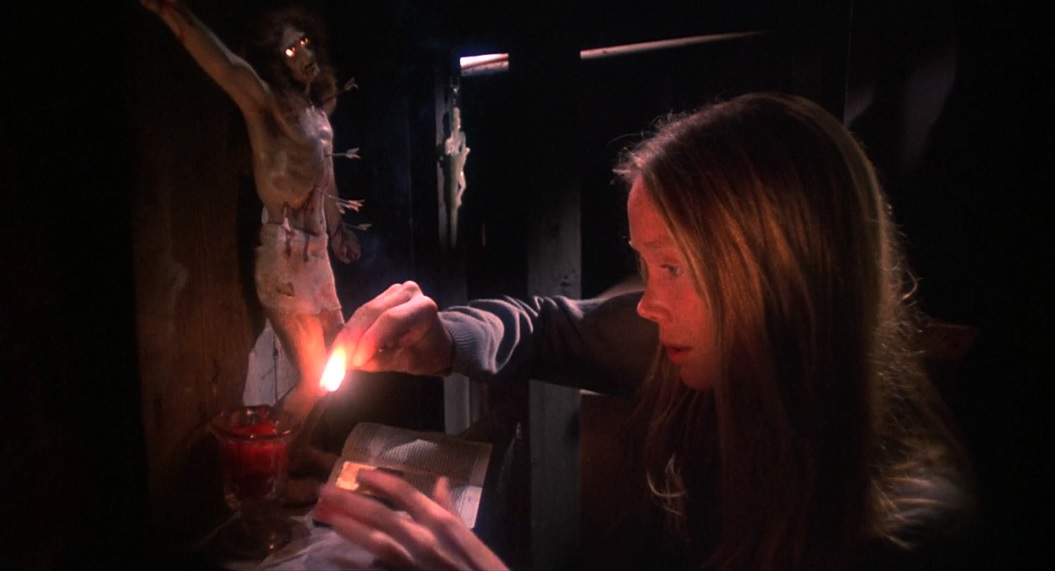
Last month, for a "Great Adaptations" column at Global Comment, Kate Lillie delved into Stephen King's Carrie:
King’s writing in Carrie is raw, propulsive, and full of empathy for outsiders. The horror works because it’s rooted in real emotion – shame, isolation, and the desperate hunger for acceptance.Anyone who’s ever felt like an outsider will be able to empathise with Carrie. The book is also surprisingly concise by King’s later standards, coming in at under 250 pages, which keeps the pace taut and suspenseful. There’s an almost tragic inevitability to Carrie’s fate: even knowing what happens in the end, as you read or watch you’ll still find yourself rooting for a different outcome.
Brian De Palma’s 1976 adaptation captures the feverish atmosphere of the book and adds a lurid, dramatic flair. Sissy Spacek, with her wide eyes and eerie fragility, gives a performance that’s both haunting and heartbreakingly human. Piper Laurie, playing Carrie’s mother, delivers religious mania as high art. And the final prom sequence, with its split screens, slow motion, and silence before the storm, remains one of cinema’s most unforgettable moments.
The film streamlines King’s fragmented narrative, removing the reports and letters that frame the novel. Instead of a post-event investigation, it unfolds in real time, which makes the climax feel more immediate and emotive but less reflective.
The destruction in the book is also on a far larger scale – Carrie’s rage levels an entire town, not just a gymnasium. The epistolary fragments give a wider sense of the disaster’s aftermath, suggesting government cover-ups and long-term fallout. The film, by contrast, tightens the focus on the human emotion and spectacle at the core of the story.
The endings also differ: the novel ends with a hint that another telekinetic child has been born, leaving open the possibility of future incidents. De Palma opts for a pure horror punchline to the film – that infamous hand bursting from the grave – designed to make audiences jump out of their seats. It’s very effective.
So, which is better: book or film?
This is one of the rare cases where both are brilliant in their own right. The book is a better psychological study: claustrophobic, strange, and full of pathos, with a wider and more ambitious scope. The film, though, is the better experience: stylish, shocking, and unforgettable, it brings you up close to all the emotion and the human story underneath the destruction of the book.
In this instance, I don’t think it matters which way around you take them: the book will unsettle your mind, while the film will unsettle your nerves. Either way, it’s clear that this is the type of horror that works best precisely because it makes us feel sorry for the monster.