|
Social Classes
the division of people in accordance to wealth and family history
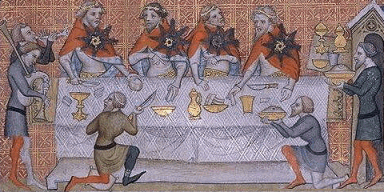
Because of financial stature, different classes had a different variety of food choices. Royalty, of course, had the upper hand. The King and Queen received food at their request and were first in line for any foodstuff not readily available. Royalty had lavishly decorated meals, including a dressed table, servants, wide selection of food, and plenty of ale, wine, beer, and even mead. Royalty could expect luxuries such as "royal fish," sugar, custards, pies, pastries, dumplings, nuts, and fresh fruit.
Landowners, nobility, and otherwise wealthy families were not as privileged as royalty, but were not in danger of going hungry. Having a higher body fat percentage, in fact, was a sign of wealth and was therefore considered beautiful. These people are usually trained in proper medieval etiquette, and entertain guests often.
Peasants were often undernourished and underfed. If a village or manor was particularly prosperous, however, the peasants were able to eat. Their average meals consisted of mainly peas, beans, onions, and hard bread. At special celebrations, such as weddings, births, funerals, and holidays, the villagers would gather for a feast and plenty of ale in the manor.
|
|