  |
|
       |
|
| Internal hardware
|
Storage memoryWhat is Rom?ROM stand for read-only memory, computer memory on which data has been prerecorded. Once data has been written onto a ROM chip, it cannot be removed and can only be read. Most personal computers contain a small amount of ROM that stores critical programs such as the program that boots the computer. In addition, ROMs are used extensively in calculators and peripheral devices such as laser printers, whose fonts are often stored in ROMs. Some common types of Rom :CD Rom: CD-ROMs are stamped by the vendor, and once stamped, they cannot be erased and filled with new data. To read a CD, you need a CD-ROM player. All CD-ROMs conform to a standard size and format, so you can load any type of CD-ROM into any CD-ROM player. In addition, CD-ROM players are capable of playing audio CDs, which share the same technology.CD-ROMs are particularly well-suited to information that requires large storage capacity. This includes large software applications that support color, graphics, sound, and especially video.
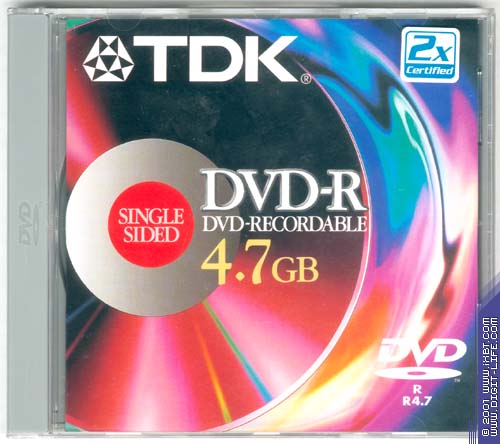
DVD Rom: A new type of read-only compact disc that can hold a minimum of 4.7GB (gigabytes), enough for a full-length movie. The DVD-ROM specification supports disks with capacities of from 4.7GB to 17GB and access rates of 600 KBps to 1.3 MBps. One of the best features of DVD-ROM drives is that they are backward-compatible with CD-ROMs. This means that DVD-ROM players can play old CD-ROMs, CD-I disks, and video CDs, as well as new DVD-ROMs. Newer DVD players can also read CD-R disks.
Others storage memory:Floppy disc: soft magnetic disk. It is called floppy because it flops if you wave it . Unlike most hard disks, floppy disks (often called floppies or diskettes) are portable, because you can remove them from a disk drive. Disk drives for floppy disks are called floppy drives. Floppy disks are slower to access than hard disks and have less storage capacity, but they are much less expensive. And most importantly, they are portable. 8-inch: The first floppy disk design, invented by IBM in the late 1960s and used in the early 1970s as first a read-only format and then as a read-write format. The typical desktop/laptop computer does not use the 8-inch floppy disk.
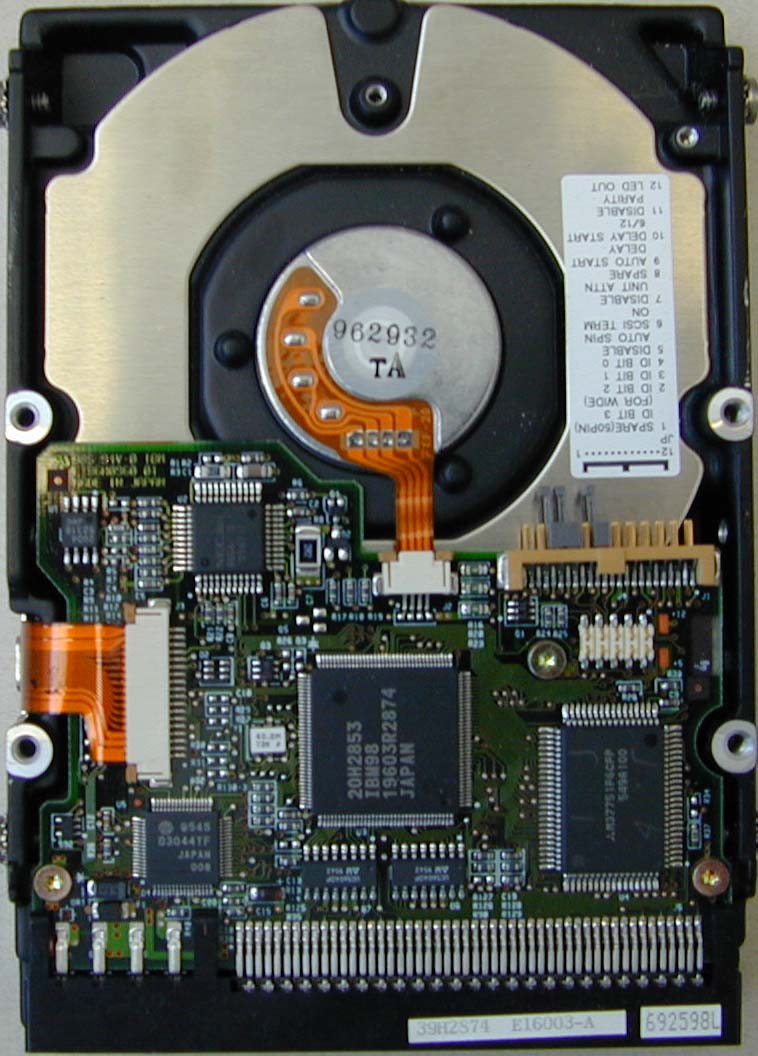
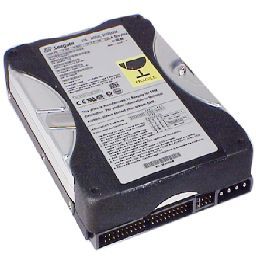
Harddisk: A magnetic disk on which you can store computer data. The term hard is used to distinguish it from a soft, or floppy, disk. Hard disks hold more data and are faster than floppy disks. A hard disk, for example, can store anywhere from 10 to more than 100 gigabytes, whereas most floppies have a maximum storage capacity of 1.4 megabytes. A single hard disk usually consists of several platters. Each platter requires two read/write heads, one for each side. All the read/write heads are attached to a single access arm so that they cannot move independently. Each platter has the same number of tracks, and a track location that cuts across all platters is called a cylinder. For example, a typical 84 megabyte hard disk for a PC might have two platters (four sides) and 1,053 cylinders. In general, hard disks are less portable than floppies, although it is possible to buy removable hard disks.
Memory stick and memory card: There are also some other memory storage such as memory stick, MMC card etc. which are very small and portable. They are mainly use in notebook computer as they are slim and have a larger size of memory storage than floppy disk (but still very small in compare with Harddisk)
|