  |
|
       |
|
| Internal hardware
|
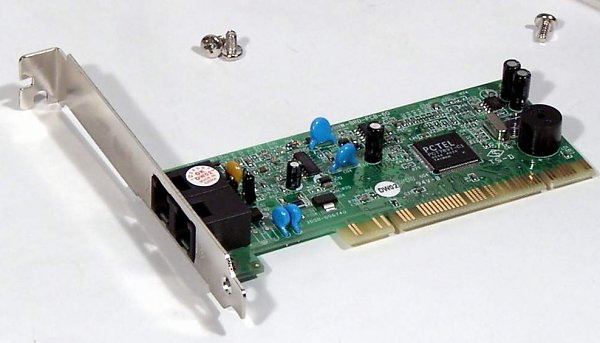
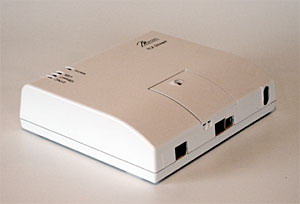
Hardware for networkingModem:Short for modulator-demodulator. A modem is a device or program that enables a computer to transmit data over, for example, telephone or cable lines. Computer information is stored digitally, whereas information transmitted over telephone lines is transmitted in the form of analog waves. A modem converts between these two forms. While the modem interfaces are standardized, a number of different protocols for formatting data to be transmitted over telephone lines exist. Some, like CCITT V.34, are official standards, while others have been developed by private companies. Most modems have built-in support for the more common protocols -- at slow data transmission speeds at least, most modems can communicate with each other. At high transmission speeds, however, the protocols are less standardized.
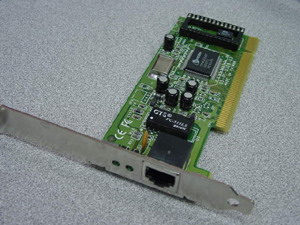
Lan card:Lan card is a device that is needed to broadband, which refers to a high-speed data transmission in which a single cable can carry a large amount of data at once. The most common types of Internet broadband connections are cable modems (which use the same connection as cable TV) and DSL modems (which use your existing phone line). Because of its multiple channel capacity, broadband has started to replace baseband, the single-channel technology originally used in most computer networks. So now when you see companies like AT&T and SBC pushing those fancy "broadband" ads in your face, you'll at least know what they are talking about.
|