  |
|
       |
|
| Internal hardware
|
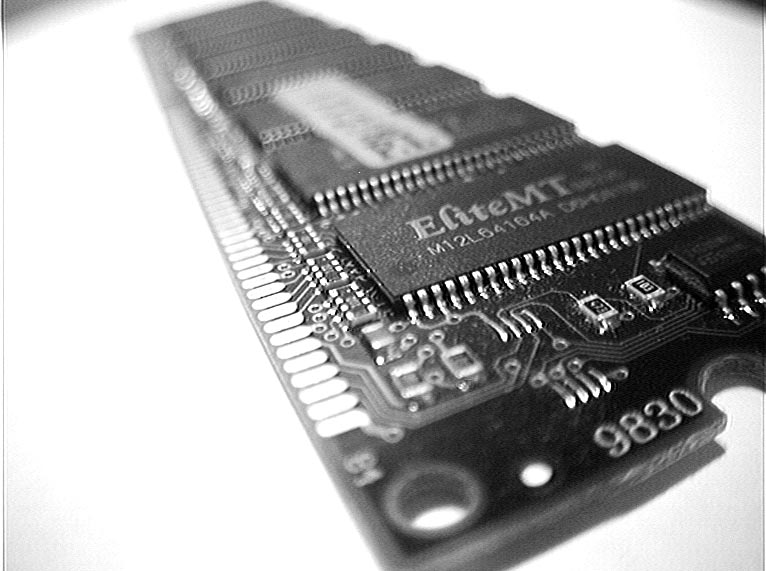
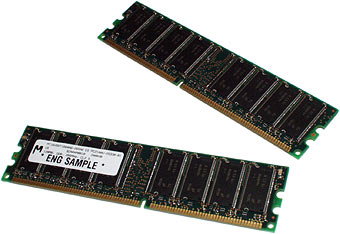
What is RAM ?RAM is short for random-access memory, and it's the solid-state memory (chip memory) in your computer. Pretend your brain is a computer. Your brain has got long-term memory and short-term memory. RAM is like your brain's short-term memory. Nothing stays in short-term memory for very long. If you're trying to do math problems with your brain, your short-term memory (RAM) is calculating away, but it is pulling in bits of stored information, such as the multiplication table, from your long-term memory to help. Information is programmed into your long-term memory, just as computer programs remain on your hard drive After you finish the math problem, you'll probably forget exactly how you solved it. That information leaves your short-term memory. You'll still know how to solve that kind of math problem, however, because that information is programmed into your long-term memory, just as computer programs remain on your hard drive. How RAM works ?When you want to use a program, your operating system copies the program from the hard drive into RAM, where the program is run. Your computer uses RAM as its work space and short-term storage area, because RAM is much faster to work with than the hard drive. That's why adding more RAM to your computer will often speed it up a great deal. RAM is also used to store data that is currently being operated on. That data will stay in RAM until it is saved to the hard disk, or until the computer is turned off -- in which case it is wiped out. Your word processing program provides a good example. Changes you make to a Word document are stored in RAM. If you don't save them to the hard drive before turning off the computer, they're lost.
|