
Welcome IntroductionTaskProcessResourcesEvaluationCreditsConclusionTeacher Page

Lesson
Plan: Introduction to
A
WebQuest Based Inquiry & Cooperative Learning
Teacher: April B. Curry
Created 12/2006
Level: Grade 7
Subject: Spanish 1
Allotted time: 2-3 class
periods
In this unit, Bienvenido, Students will be introduced to the three
Through
inquiry based learning students will work
independently to explore,
Discovering the Americas,
a webQuest designed to introduce students to the three
After
acquiring all the required information, student will work in groups with their
peers to collaborate in a cooperative manner to create a multimedia brochure
that they will present to the class.
Standards, Goals and objectives
Academic Goal:
Students
will gain a greater understanding of Hispanic cultures.
IPM/SIM Goal:
Students
will use information processing skills to enhance their learning and
collaborate to promote their ideas.
Objective 1: Students will examine the cultural
connections that exist between the
Objective 2: Given reading selections, media segments
and class discussions students will express familiarity with various aspects of
Hispanic culture such as holidays, foods and customs by giving a short
presentation.
Objective 3: Given the pre-selected resources,
students will pursue and acquire accurate information efficiently, then work
collaboratively using the appropriate productivity tools to create a multimedia
presentation according to the provided rubric.
 National Standards for
Foreign Language
National Standards for
Foreign Language
Standard1.2: Students understand and interpret written and
spoken language on a variety of topics.
Standard 1.3: Students
present information, concepts, and ideas to an audience of listeners or readers
on a variety of topics.
Standard 2.1: Students demonstrate an understanding of the
relationship between the practices and perspectives of the culture studied.
Standard 2.2:
Students demonstrate an understanding of the relationship between the products
and perspectives of the culture studied
Standard 3.1:
Students reinforce and further their knowledge of other disciplines through
foreign language.
Standard 4.2:
Students demonstrate an understanding of the concept of culture through
comparisons of the culture studied and their own.
 Information Literacy Standards
Standard1: The student who is information literate accesses
information efficiently and effectively.
Standard 3: The student who is information literate uses
information accurately and creatively
Standard 4: The student who is an independent learner is
information literate and pursues information related to personal interests.
Standard 8: The student who contributes positively to the
learning community and to society is information literate and practices ethical
behavior in regard to information and information technology.
Standard 9: The student who contributes
positively to the learning community and to society is information literate and
participates effectively in groups to pursue and generate information.
 Technology
Foundation Standards
Technology
Foundation Standards
Standard 2: Social, ethical, and human issues
·
Students
understand the ethical, cultural, and societal issues related to technology.
·
Students
practice responsible use of technology systems, information, and software.
·
Students
develop positive attitudes toward technology uses that support lifelong
learning, collaboration, personal pursuits, and productivity.
Standard 3: Technology productivity tools
·
Students
use technology tools to enhance learning, increase productivity, and promote
creativity.
·
Students
use productivity tools to collaborate in constructing technology-enhanced
models, prepare publications, and produce other creative works.
Standard 4: Technology communications tools
·
Students
use telecommunications to collaborate, publish, and interact with peers,
experts, and other audiences.
·
Students
use a variety of media and formats to communicate information and ideas
effectively to multiple audiences.
Standard 5: Technology
research tools
·
Students
use technology to locate, evaluate, and collect information from a variety of
sources.
·
Students
use technology tools to process data and report results.
Performance Indicators:
ü
Exhibit legal and ethical behaviors when using
information and technology, and discuss consequences of misuse. Use
content-specific tools, software, and simulations (e.g., environmental probes,
graphing calculators, exploratory environments, Web tools) to support learning
and research.
ü
Apply productivity/multimedia tools and peripherals
to support personal productivity, group collaboration, and learning throughout
the curriculum.
ü
Design, develop, publish, and present products
(e.g., Web pages, videotapes) using technology resources that demonstrate and
communicate curriculum concepts to audiences inside and outside the classroom.
ü
Collaborate with peers, experts, and others using
telecommunications and collaborative tools to investigate curriculum-related
problems, issues, and information, and to develop solutions or products for
audiences inside and outside the classroom.
ü
Select and use appropriate tools and technology
resources to accomplish a variety of tasks and solve problems.
ü
Research and evaluate the accuracy, relevance,
appropriateness, comprehensiveness, and bias of electronic information sources
concerning real-world problems.
 NY Languages Other Then
English
NY Languages Other Then
English
Standard
2: Students will develop cross-cultural skills and
understanding.
Key
Idea 1: Effective communication
involves meanings that go beyond words and require an understanding of
perceptions, gestures, folklore, and family and community dynamics. All of
these elements can affect whether and how well a message is received.
Performance Indicator:
ü
Students
can use some key cultural traits of the
societies in which the target language is spoken.
Standard 3 Geography:
Students will use a variety of intellectual skills to demonstrate their
understanding of the geography of the interdependent world in which we
live—local, national, and global—including the distribution of
people, places, and environments over the Earth’s surface.
Performance Indicator:
ü
Map information about people, places, and
environments
ü
Describe the relationships between people and
environments and the connections between people and places
ü
Present geographic information in a variety of
formats, including maps, tables, graphs, charts, diagrams, and
computer-generated models.
WebQuest: Discovering
the Americas
Paper and pen
World Map
Computer
Smartboard or
Traditional Chalk/White Board
Internet access
Software application
for creating multimedia presentation
Compare and
contrast thinking maps
Worksheet logs
Discovering the
Evaluation Rubric
Anticipatory Set:
Introduction to
Adapted from: In Motion: The African-American
Migration Experience.
This anticipatory
set will encourage students to begin thinking about our Latin American neighbors
and the cultural connections that bind us together. This Anticipatory set will also be used
as a diagnostic tool to measure what students know prior to the lesson and
compare it to what students learned by the culmination of this web based lesson.
As the world
becomes increasingly interdependent, it is important for every person to
acquire the skills for communication with others and to attain cross-cultural
understanding. Apart from picking up a new language and gaining insight into
the history and culture associated with it, their learning experience extends
to understanding the different cultures associated with the language of the
native speakers and thus gives them the advantage of thinking from a different
point of view. Spanish culture is part of American culture and acquiring
knowledge of Spanish will not only expose you to more professional
opportunities but will also open doors, while traveling, allowing you to see
and do things that other travelers do not.
Activity Time: 5-10 min Hand out
KWL CHART
(Part
of this discussion should include the issue that as a largely egocentric
society, many Americans know very little about the heritage and culture of
other countries.)

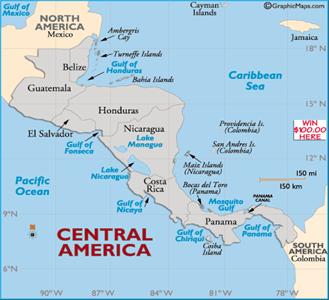
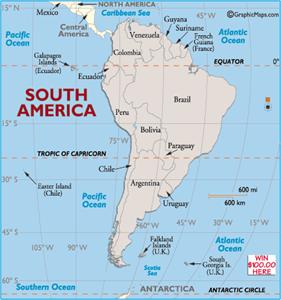
|
KNOW |
WANT TO KNOW |
LEARNED |
|
Day 1 |
Day 2 |
Day3 |
This lesson plan involves ideas that are
consistent with many different aspects of learning and development. Social
Interactive Model (SIM) based on cooperative learning and the Information
Processing Model based on inquiry. The use of visual images to help
store and retrieve information in this lesson correspond with the ideas of the
information procession theory and the student-initiated discovery during the lesson
coincides with the idea of constructivist learning as well.
The class will be divided into groups of four.
Once in groups students will follow the process outlined in the WebQuest. In
step one, the
students will work together cooperatively to briefly explore which country they
would like to further research.
Once they decide, students will then assume one of the roles described
in step 2. In step three students will learn more about
the country by working independently and guided by the pre-selected websites
resources .
After researching and acquiring the relevant information described in the
process list, group members will then engage in cooperative learning as
they discuss and share their findings. In step four,
the group members will begin to work collaboratively as they use the Jigsaw
method to put the pieces of acquired information together to create a
multimedia presentation addressing the four different roles or types of travelers.
Students should
use the learning advice provided in step three to help guide their progress.
Step three,
individual research, would best be carried out in a reserved computer room
allowing for one computer with internet access for each student. This would allow for better observation
of student progress. The pre-selected web resources will help guide the student in
the right direction for inquiry.
This selection of web resources helps to eliminate inefficient web
searching and irrelevant results.
The Social
interaction Model (SIM) comes into play predominately in many of the process
steps. Monitoring the cooperative
learning process at this time is important to help assist the students in
following the steps of cooperation as well as incorporating the five principles
of cooperative learning.
ð
Positive
Interdependence
ð
Individual
accountability
ð
Group processing
ð
Social skills
ð
Face to face
interaction.
Teacher will help students
to remember these goals through the acronym SPIRAL:
A Student Process of Interactive Relations to Achieve Learning
Independent practice
will take place in the class, the computer room, the library and at home if the
resources allow. Students are to
review the information acquired individually as well as the information
transmitted through their peers.
Students will reflect on their learning activities each night as well as
think of additional information that may be useful but not specified in the
process outline. Upon the
completion of the web based lessons, journals will be collected to document
individual progress.
General
·
This lesson plan has a variety of
instructional strategies for differentiating instruction.
·
Students are completing different
activities based on their needs and learning preferences.
·
Groups will be pre-arranged by
teacher to ensure a mix of abilities and intelligences.
·
Advanced students can use time to
make additional inquires according to the chosen country and their interests.
Auditory Difficulties
Students
with auditory difficulties may have sensitivity to auditory distractions or
have difficulties processing auditory information accurately or quickly. These auditory difficulties may lead to
distraction or attention diverted from the task at hand and certain
modifications may prove beneficial to the student. The student can be given an alternate
location to work individually or with group members to help minimizing auditory
distractions created by other students in the classroom. In addition, any verbal direction will
be repeated when necessary and given in the print form to help alleviate some
of the processing difficulties.
Visual Difficulties
Students
with visual difficulties have problems processing what the see or may not have
an ability to see at all. Students
with visual processing problems, who can see, may be better assisted with
handouts printed in a lager font.
Visual distractions can also occur in the classroom while guided or
independent practices are occurring.
In this case an alternate seating or location which will reduce visual
distractions may enhance student’s performance. In terms of the visually
impaired, the directions can be orally administered and the answers can be
given as an oral response. In
addition, brail or audio information can be acquired so that the student can
actively research and acquire information. The student can then incorporate
dialog to the multimedia presentation.
ADHD
Students with ADHD may have
multiple difficulties that impede achievement. One is the ability to multi-task or
switch tasks. Also, students tend to have a difficulty processing
language. In this case the task and
the process should be broken down into smaller more manageable units therefore
eliminating a multitude of different processes and questions and help avoid
confusion. Also, because processing
is an issue, for these students, extended research time may help alleviate
pressure caused by time constraints.
Diagnostic:
Before beginning the lesson, I will use a pre-assessment
strategy via the Anticipatory
Set, and a KWL chart to determine what
students know.
Formative:
I use ongoing assessments to check
learning. These assessments will
include observations, journal entries, group
and individual feedback as well as the completion of data sheets.
Summative:
The student will be assessed on the contents
of their electronic brochure and their peer presentation according the
applicable rubric.
Closing the lesson
will begin by viewing a short video: Voices
from the fields
At the completion
of this web based lesson, I will reinforce acquired information by re-teaching
the most pertinent elements relating to
Academic
Goal: Students
will gain a greater understanding of Hispanic cultures.
Academic
Results:
After completion of this web based lesson
student will know more about
IPM/SIM
Goal: Students
will use information processing skills to enhance their learning and
collaborate to promote their
ideas.
Inquiry/Group
Processing Results:
Students will demonstrate cooperation by
performing the process together in a group. The will be able use the appropriate
methods to gather data and synthesize the information. Students will demonstrate this by
creating a collaborative electronic brochure.

· Did the anticipatory set make student begin to think critically about Latin American and the relationship with our own country?
· Did the anticipatory set provide accurate diagnostic value?
· Did the process promote content knowledge?
· Did the process allow for inquiry of students own interest relating the chosen country?
· Did students feel that the rubrics were helpful in guiding their process towards accurately completing the assignments?
· Was enough information provided so that students could fulfill the requirements with the pre-selected resources?
· Was I successful in fulfilling my goals and objectives and did they align with the standards?

