|
| Advice on looking for a missing cat.
|
First, make sure that the cat is actually missing, and not asleep somewhere in the house (they have been known to get into drawers, under duvets, under sinks etc).
If there is no cat flap, keep checking front and back in case the cat has returned and is waiting outside.
Very often, cats don’t go far; if they are nervous, they will usually hide somewhere near home (neighbours’ sheds are popular).
If you call the cat’s name when it’s quiet outside (e.g. midnight), you will improve the chance of the cat hearing you if he is within earshot. Also, you will have a better chance of hearing any sound he makes.
If possible, walk around the neighbourhood calling the cat, shaking a box of cat biscuits, or tapping a cat bowl or tin of cat food with a spoon to attract the cat’s attention (never mind if people look at you oddly – you have to get your cat back!).
Ring every vet you can, in case the cat has been injured and taken to them (often a driver who runs over a cat will go to their own vet, which could be anywhere). Try the PDSA as well.
Ring the council’s cleansing department in case the cat has been killed on the road.
Ring all the local rescues in case someone has taken the cat to them or reported him as a “stray”. This includes the RSPCA, but it is safer to visit the local RSPCA branch to check for yourself. You need to check every week, as cats are killed to make room for new arrivals (rescues don’t do this).
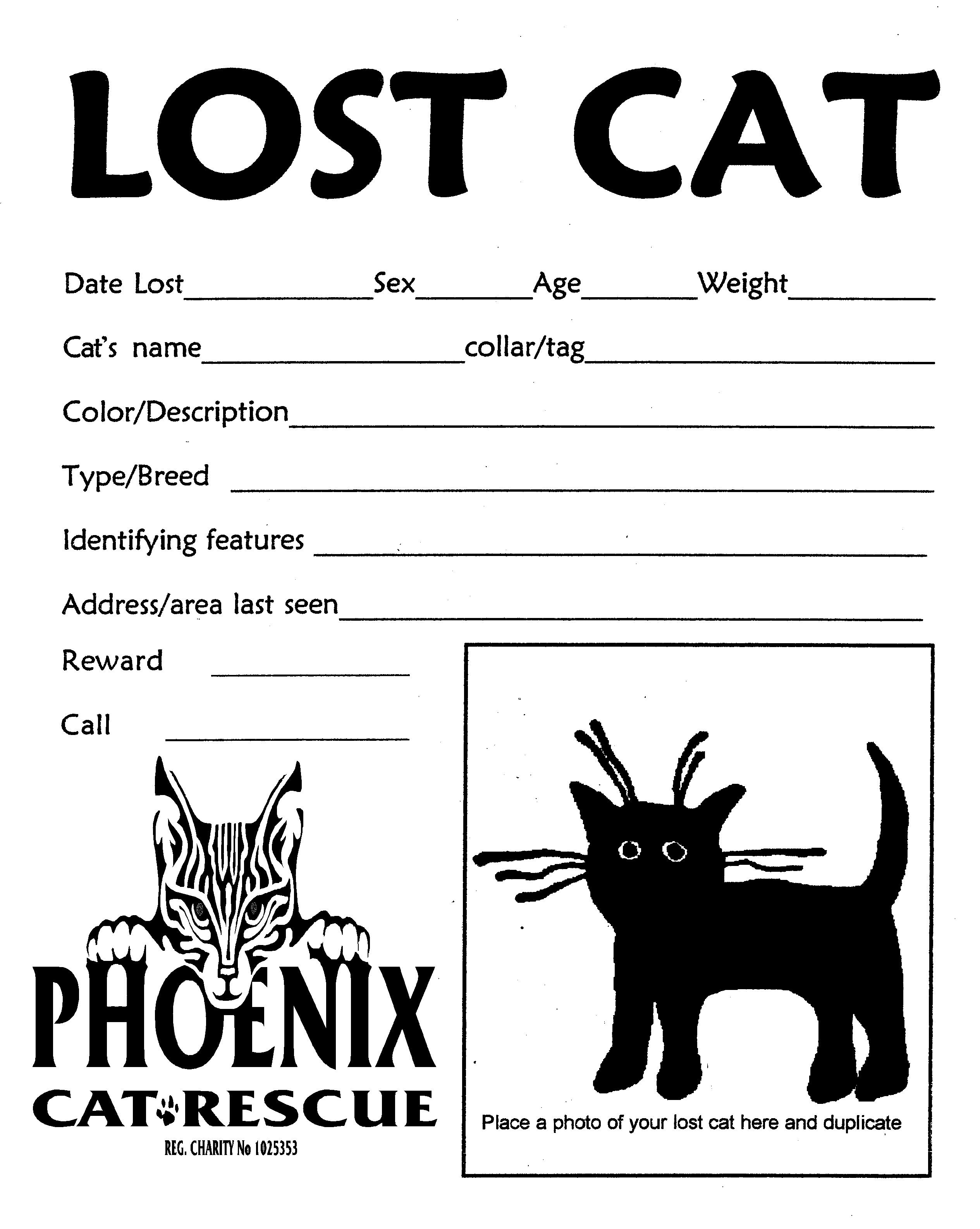
Prepare a leaflet (see our example). If the cat is still missing after two days, print the leaflet (side by side so you get two leaflets on an A4 sheet). You will need to photocopy enough leaflets to put through everyone’s door in an area covering your own road and at least one road on each side.
When you post your leaflets, fold them once with the writing on the outside, so people can see that you’re asking for help; hopefully they will read the leaflets and not just throw them away.
If you get any sightings of your cat, put out more leaflets around the area he was seen.
Ask your vet if you can put one of your leaflets in their surgery. You can usually put notices in local shops for a small fee.
Please remember to inform everyone when your cat returns: anyone who keeps a lost & found register will be pleased to hear that the cat is back, and it will keep their “lost” section up to date.
Learn about being a Volunteer
 About Feral Cats About Feral Cats |
Feral cats. They sleep in our parks, alleyways, farmyards, barns, schools and deserted buildings. Abandoned by their human families or simply lost, unsterilized housecats eventually band together in groups called colonies. Without human contact for a prolonged period, the colonies become feral. They make homes wherever they can find food.
Find out more about Feral Cats
|