|
|
Age is an issue of mind over matter. If you don't mind, it doesn't matter. Mark Twain |
Skin care science
|
|
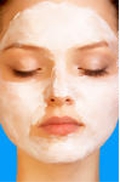
Mammalian skin often contains hairs, which in sufficient density is called fur. The hair mainly serves to augment the insulation the skin provides, but can also serve as a secondary sexual characteristic or as camouflage. On some animals the skin is very hard and thick, and can be processed to create leather. Reptiles and fish have hard protective scales on their skin for protection, and birds have hard feathers, all made of tough β-keratins. Amphibian skin is not a strong barrier to passage of chemicals. A frog sitting in an anesthetic solution will quickly go to sleep. The skin is often known as "the largest organ in the human body". This applies to exterior surface, as it covers the body, appearing to have the largest surface area of all the organs. Moreover, it applies to weight, as it weighs more than any single internal organ, accounting for about 15 percent of body weight. For the average adult human, the skin has a surface area of between 1.5-2.0 square metres, most of it is between 2-3 mm thick. The average square inch of skin holds 650 sweat glands, 20 blood vessels, 1000 melanocytes, and more than a thousand nerve endings. The skin on a person's face is seen by people that person interacts with. For some people, therefore, facial skin care is of particular importance, and they often use cosmetics to deal with the appearance of the face and condition of the skin, such as those for pore control and black head cleansing. Skin is composed of the epidermis and the dermis. Below these layers lies the hypodermis(subcutaneous adipose layer), which is not usually classified as a layer of skin. The outermost epidermis is consists of stratified squamous epithelium with an underlying basement membrane. It contains no blood vessels, and is nourished by diffusion from the dermis. The main type of cells which make up the epidermis are keratinocytes, with melanocytes and Langerhans cells also present. The epidermis can be further subdivided into the following strata (beginning with the outermost layer): corneum, lucidum, granulosum, spinosum, basale. Cells are formed through mitosis at the innermost layers. They move up the strata changing shape and composition as they differentiate, inducing expression of new types of keratin genes. They eventually reach the corneum and become sloughed off (desquamation). This process is called keratinization and takes place within about 30 days. This layer of skin is responsible for keeping water in the body and keeping other harmful chemicals and pathogens out. The dermis lies below the epidermis and contains a number of structures including blood vessels, nerves, hair follicles, smooth muscle, glands and lymphatic tissue. It consists of loose connective tissue otherwise called areolar connective tissue - collagen, elastin and reticular fibres are present. Erector muscles, attached between the hair papilla and epidermis, can contract, resulting in the hair fibre pulled upright and consequentially goose bumps. The skin must be regularly cleaned. Unless enough care is taken it will become cracked or inflamed. Unclean skin favors the development of pathogenic organisms. The skin supports its own ecosystems of microorganisms, including yeasts and bacteria, which cannot be removed by any amount of cleaning. In general these organisms keep one another in check and are part of a healthy skin. When the balance is disturbed, e.g., by antibiotics which kill bacteria, there may be an overgrowth and infection by yeasts. The skin is continuous with the inner epithelial lining of the body at the orifices, each of which supports its own complement of flora.
Terms used on this pageEpidermis Hypodermis Pimples Ultraviolet radiation Few fresh tips for home improvement
|

|
Information in this document about Skin care named Skin care science is for End User's use only and may not be sold, redistributed or otherwise used for commercial purposes. The information is an educational aid only. It is not intended as medical advice for individual conditions or treatments of Skin care. Additionally, the manufacture and distribution of herbal substances are not regulated now in the United States, and no quality standards currently exist like brand name medicine and generic medicine. Talk about Skin care to your doctor, nurse or pharmacist before following any medical regimen to see if it is safe and effective for you. © Copyright 2007 Ireland Health Society, Skin care section. |