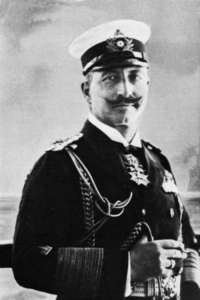
 Germany at the turn of the 20th Century was a prosperous and thriving country. Its economy was strong and the armed forces were the match of any in Europe. The German Navy was in direct competition with the British Navy for both size and strength. The German Leader at this time was Kaiser Wilhelm II, the grandson of Queen Victoria of England. The growing German Nationalism began to really take hold of the country and in the beginning of the 1910s, this threatened European harmony.
With growing tensions in the Balkans between Austria and Serbia, the Archduke Ferdinand was assassinated by a Serbian Nationalist in 1914. This brought confrontation between the Austrians and the Slavic Serbians. These two countries unwilling to resolve the situation called in their allies, namely Russia and Germany and the four countries went to war. When Germany marched through neutral Belgium to declare war on their much hated neighbour, France, both the French and the British entered the war. Germany was now fighting a two front war for control of Europe - the whole of the continent was now hanging in the balance.
Germany at the turn of the 20th Century was a prosperous and thriving country. Its economy was strong and the armed forces were the match of any in Europe. The German Navy was in direct competition with the British Navy for both size and strength. The German Leader at this time was Kaiser Wilhelm II, the grandson of Queen Victoria of England. The growing German Nationalism began to really take hold of the country and in the beginning of the 1910s, this threatened European harmony.
With growing tensions in the Balkans between Austria and Serbia, the Archduke Ferdinand was assassinated by a Serbian Nationalist in 1914. This brought confrontation between the Austrians and the Slavic Serbians. These two countries unwilling to resolve the situation called in their allies, namely Russia and Germany and the four countries went to war. When Germany marched through neutral Belgium to declare war on their much hated neighbour, France, both the French and the British entered the war. Germany was now fighting a two front war for control of Europe - the whole of the continent was now hanging in the balance.
Russian Intrpretation on the Same Topic [Switch]
|
Germany divided her troops between the Eastern and Western Fronts. Her allies included Turkey, Austria and Hungary. The plan depended on German troops defeating the Russians and then transporting their troops to the Western front in order to achieve total victory.
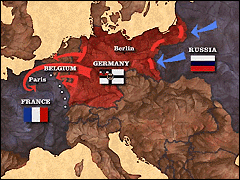
The Great War would devastate Germany both economically and politically but the initial years of the war were highly succesful. Quick victories in both Russia and in France raised German moral on the possibility of overall victory.
In the Battle of Warsaw, the Polish capital. Russia troops were over-whelmed by a combination of German and Austrian troops attacking from both the north and south of Russian front. The Russian retreat that followed left Warsaw open to German occupation. The major Polish cities of Brest- Litovsk and Warsaw had fallen to the advancing German forces. Germany for the first time proceeded into Russian territory. General Paul Von Hindenburg was now confident of victory on the Eastern Front and transferred a large number of troops and supplies to the Western Front - the Schlieffen Plan was working as it was planned. With the Russians severely beaten, the Germans focused on ending Western resistance.
|