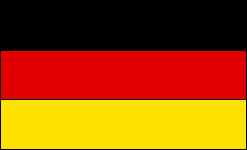
Germany has and will remain a nationalist led country. Her expansionist policies and the concept of a Greater Germany brought about World War I. Following her defeat, the Versailles Peace Treaty that was forced upon Germany crippled her both politically and economically.
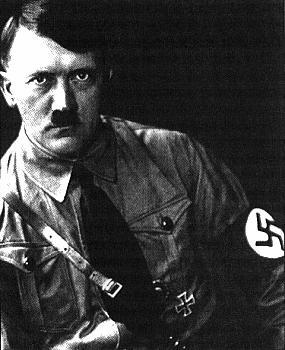 The growing polarisation of votes was added to by the economic slump exerienced by the world during the Great Depression of 1929. It was in such circumstances that gave birth to the National Socialism movement. Hitler's ability to turn the economic aand social conditions to his advantage ensured that his party began to win popualar support. The 12 years of Nazi rule that followed between 1933 and 1945 have gone down not just in German history but also in world history as being one of darkest periods. The war not only economically destroyed many but its legacy will remain the millions of war casualties and the Holocaust in which 6 million Jews were murdered in the Extermination camps.
|
The Division seen in Germany was mirrored by that on the World stage between Communism in the East and Capitalism in the West. Germany became a key state in this Cold War.
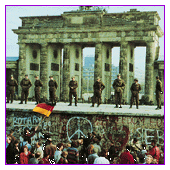
The collapse of the Nazi Regime in 1945, and the subsequent Nurembourg Trials brought about the biggest social divisions in European History. The Creation of the Eastern and Western sectors of Germany and the creation of the infamous Berlin Wall. The country continued in division until the collapse of Communism and the Soviet Union in 1989. The subsequent re-united Germany once again became one of the economic leaders in Europe. The country has a position on the military council of NATO and was one of the key players in campaigning for the European single currency.
German History [Continue]
|