







|

| The island of Rhodes in Greece |
 |
 |
 |
 |
 |
 |
 |
 |
 |
 |
|
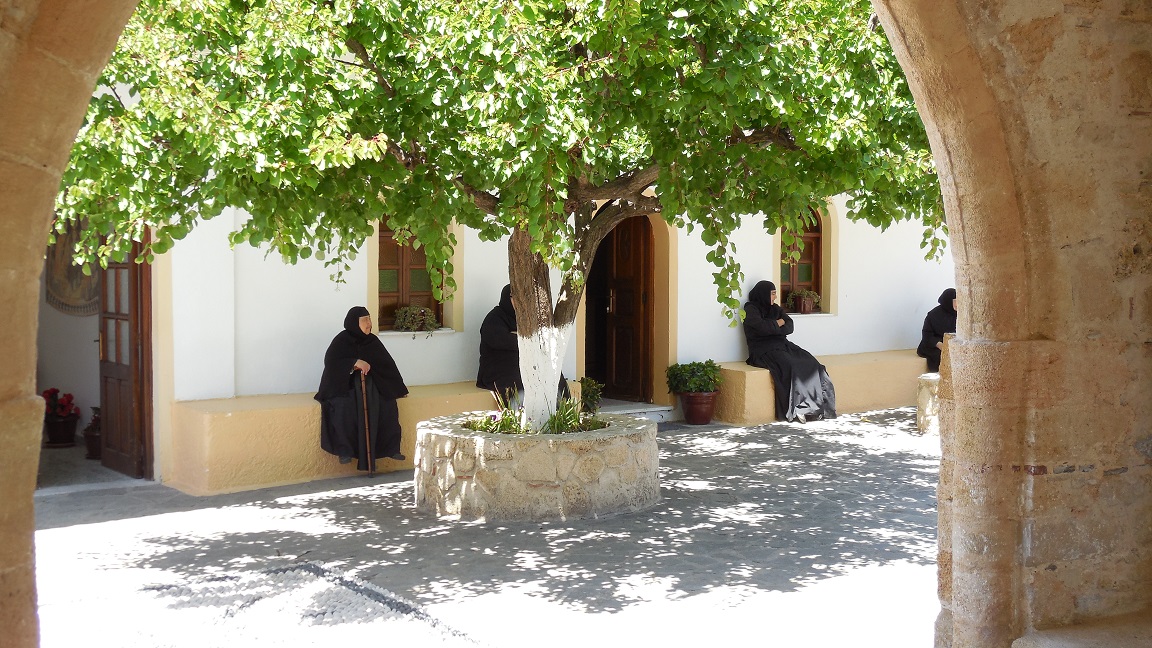
Update: we returned again in 2016 and stayed on the island for 10 days. This time we had a car and we drove around the island to see castles, monasteries, villages, churches and beaches. We stayed in two different villas in the small and attractive village of Gennadi, in the south east of the island. Rhodes - Greece
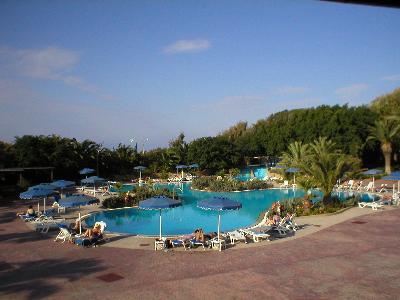
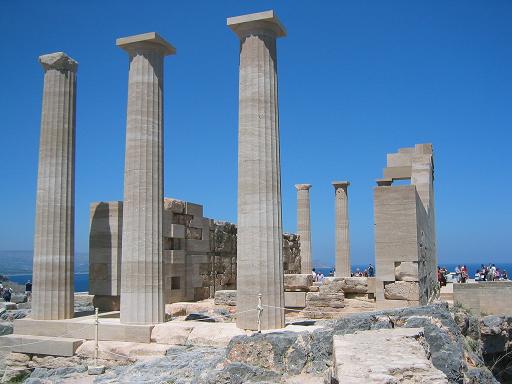
Rhodes has an attractive mix of beautiful beaches, sightseeing and an unspoiled inland. It is also the sunniest island of Greece, with more than 300 sunny days per year. In the mythology Rhodes is also the island of the sun god Helios. The main tourist area is located on the east coast anywhere between the crown jewels of the island, Rhodes city and the city of Lindos with its Acropolis, where a whole row beaches and beaches can be found. The island of Rhodes has a rich history and therefore a large amount of relics from the ancient and other times. Rhodes city, for example, has an antique, a medieval and modern section. It is located on the north side of the island and more than 60% of the population lives here. |


| Other places and sights in Rhodes - the east coast |
 |
 |
 |
 |
 |
 |
 |
 |
 |
 |
|
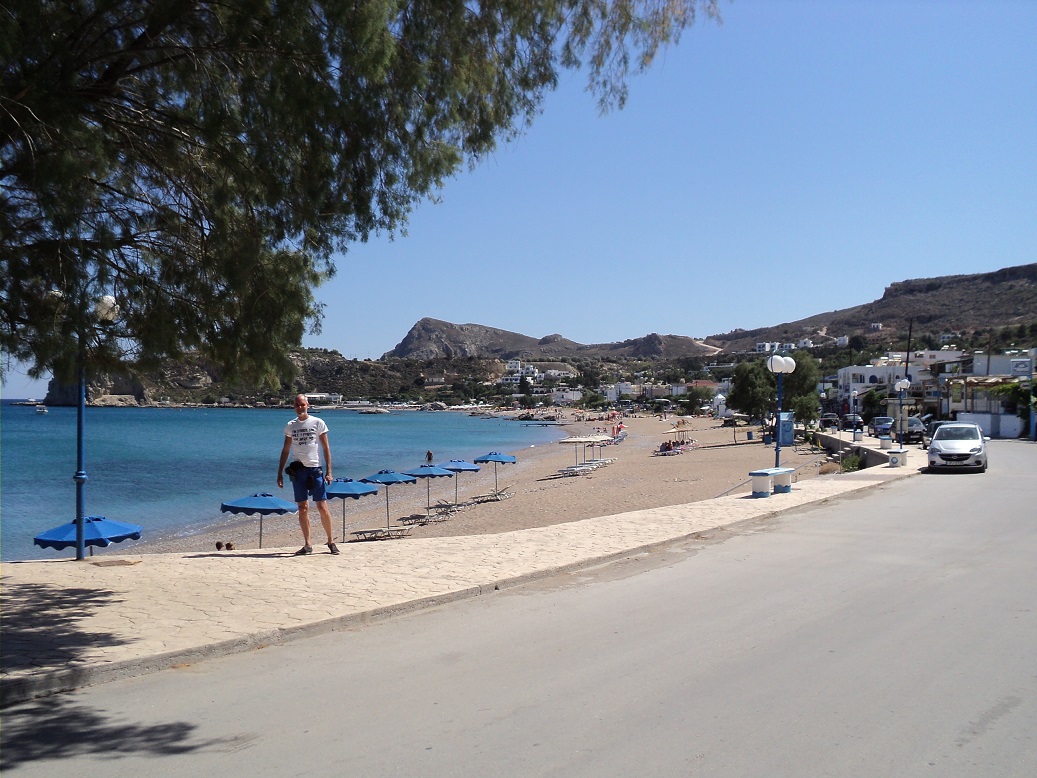
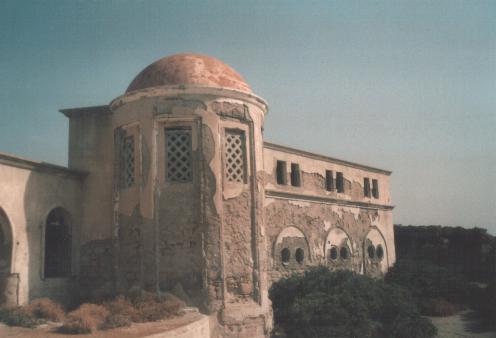
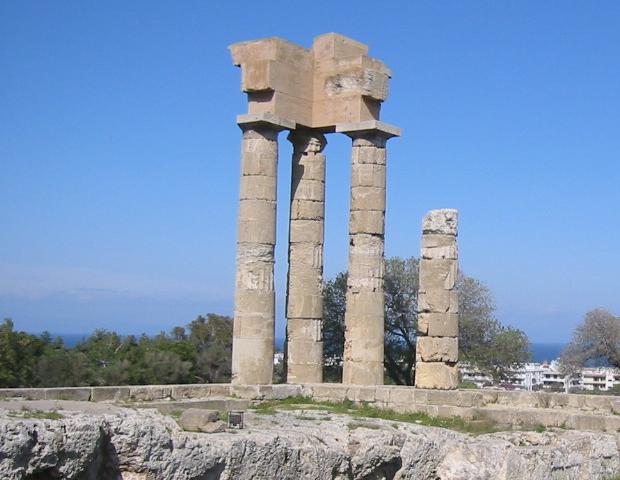
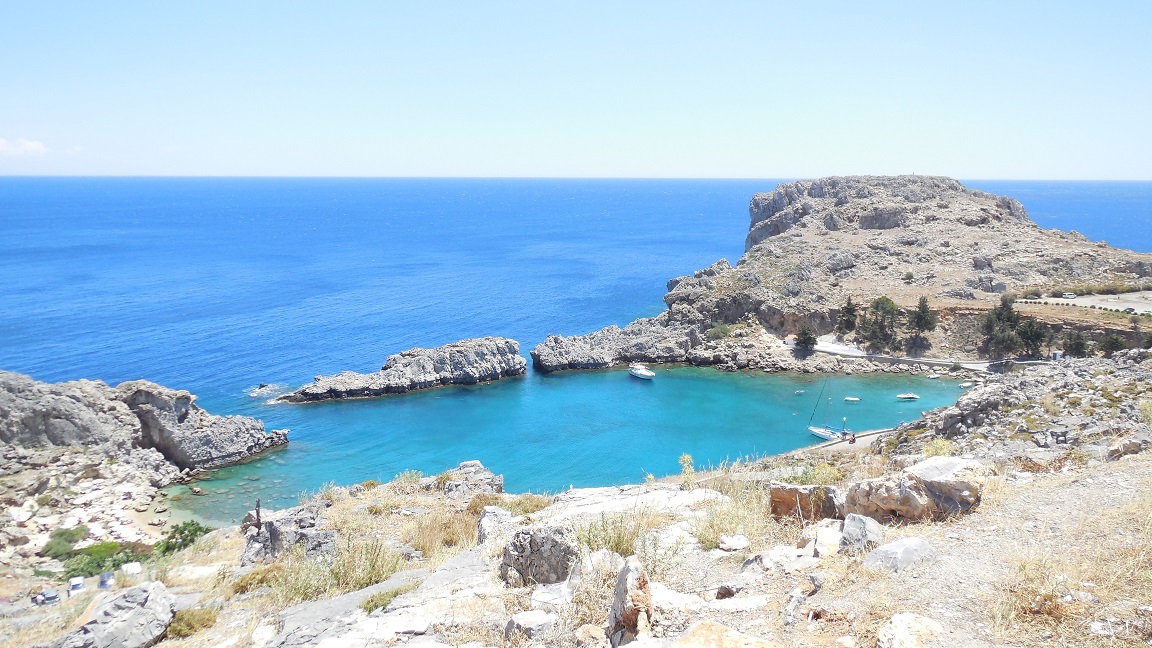
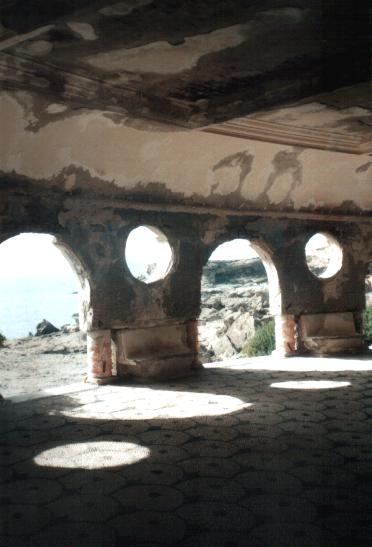
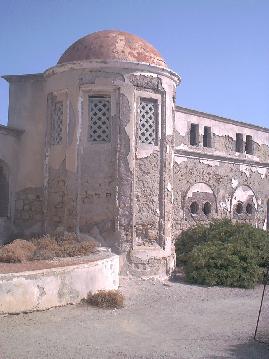
Kalithea is located on the east coast of Rhodes just south of Rhodes town. It is accessible by bus or by excursion boats from Rhodes town. Kalithea is a dilapidated old Italian spa dating from the 20's. It consists of a collection Morish / oriental-like buildings and pieces of park between the rocks by the sea. Around Kalithea are several coves with beaches. Just south of Kalithea is one of the party centers of Greece, the village of Faliraki. The village is situated on a large and wide sandy beach. It is an international looking place where you can practice a variety of water sports and where you can sample the night life. For the fans. The next major beach more southern lies near Lakido and after that there are the beaches of Kolimbia and Tsambika, where there is a monastery on the hill above the village. At the end lies the quiet beach Stegna that best can be reached over a winding road leading from Archangelos. After Lindos Archangelos is probably the most interesting village on the east coast of the island. It is located in a valley with orange trees, and there are white cubic houses, but there is also an impressive castle of the Knights of St John that dates from 1467 and a beautiful Byzantine church from 1377 with frescoes. To the south of Lindos the only other significant town is the by pines surrounded village Pefki. After this village is very quiet, even though there are good beaches. The bus service to this part of the island is also not very frequent, but if you have your car then it is very much to recommendable. Especially the small beach on the southern island Prassonissi is worthwhile. It is a stretch of sand connected to the island of Rhodes. |
 |
 |
 |
 |
 |
 |
 |
 |
 |
 |
| The west coast of Rhodes |
|
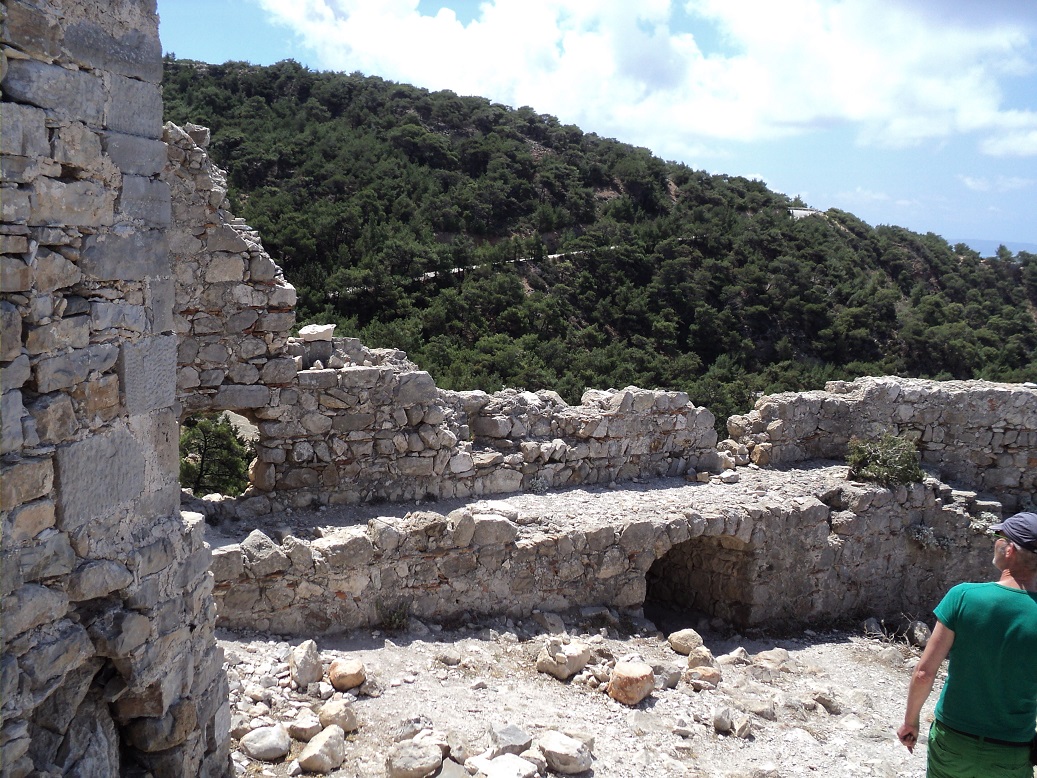
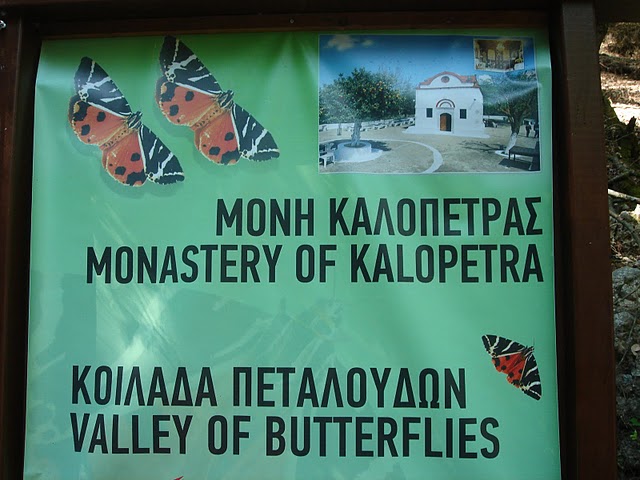
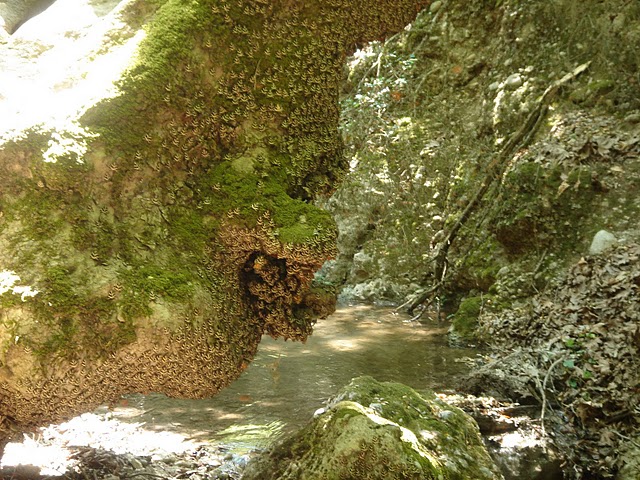
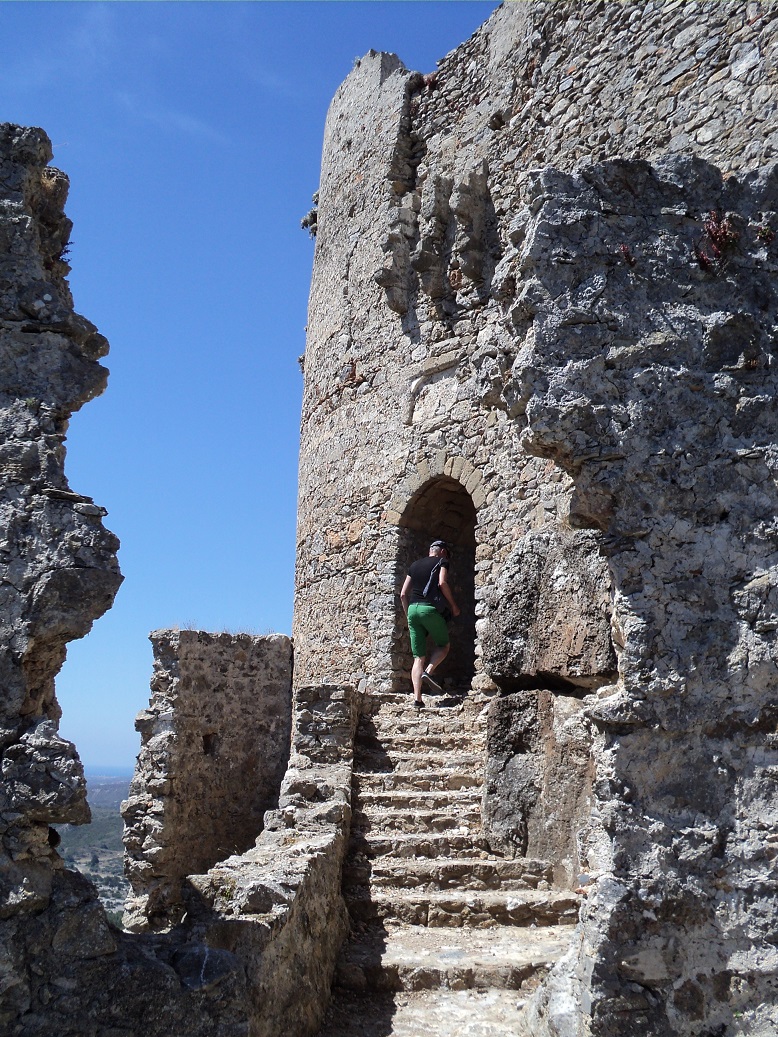
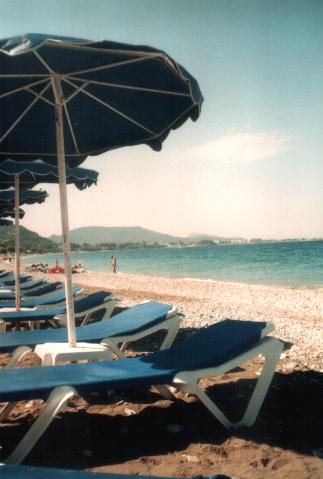
The west coast of Rhodes is greener, quieter and less popular than the east coast of the island. There is also a bit more wind (though I do not have problems with it). The beaches there are les wide and more frequent they are pebble beaches instead of sandy beaches. The residents on the east coast disapprove of the beaches on the West Coast because their are beaches much better. It is a matter of taste. I myself had great fun at the beaches of Ixia and Trianda. The beaches are perhaps a little smaller but they are long. Most tourist resorts are located in the area between Rhodes city and the airport Paradisi, the northernmost part of the western side of the island so. After that the tourist as will see less hotelbuildings and more farms and grapefields. There are the remains of the ancient city Ialyssos and the mountain Felerimos with his picturesque mix of Byzantine and St John churches between the pines. Behind the airport is the way to the Petoulades valley where you can see millions of butterflies (actually they ar moths) at the end of June - early September. The next major destination is Kamiros. This is the second abandoned ancient city on the west coast and one of the most popular field trip destinations on the island. After Kamiros the road gets even quieter. In the harbor Kamiros Skala there are daily connections to the nearby island of Rhodes, Halki / Chalki. Monolithos is the main village in the southern part of the west coast. The beach does not really very good but on the hill stands a castle of the knights of St John that perhaps is the most impressive castle on the island. It was built in the 15th century. From the hill there is a beautiful view on the island of Halki / Chalki. South of Monolithos the island is barely inhabited. |
| Hotels and apartments in Rhodes |
|
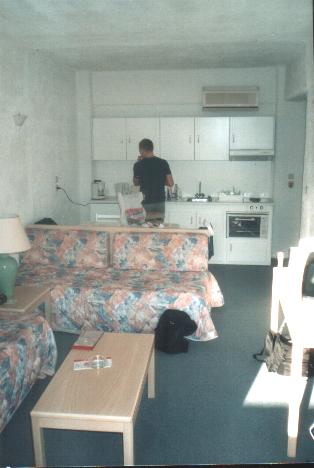
Most people buy a complete trip to Rhodes including a hotel or apartment. You can also simply book a separate charter flight and then begin and end with Rhodes and in the time between do some island hopping - that would be my choice. Rhodes is an island hoppers paradise because there are a lot of connections with other islands in the area. For all hotels, villas, apartements and studios on the island of Rhodes in Greece - click here. |
 |
 |
 |
 |
 |
 |
 |
 |
 |
 |
 |
 |
| Rhodes island |
|
Rhodes is part of the islands in the Dodecanese group, and it is one of the most eastern islands that belong to Greece. It is situated at only a few kilometers south of the Turkish mainland. The island is 1398 km² large and around the year 2000 it had around 120.000 inhabitants. The capitol with the same name, Rhodes town, is situated in the north of the island. Rhodes has many sun hours in a year and there is plenty of tourism. It is mainly known as a holiday destination, but also for conferences about for instance the Mediteranian Sea it has good facilities and a convieniant position. There are ferry connections between Rhodes and the Greek mainland. There are also regular connections with the Turkish mainland (Marmaris). Many cruises visit Rhodes on their schedule. |
| The history of Rhodes |
|
Rhodes is already known in the Greek mythology. One of the myths tells us that the god Zeus divided the world amongst the gods, but forgot to give a part to the sungod Helios. Than the island of Rhodes rose from the sea, and it belonged to Helios. In the Greek times Rhodes was a center for hellenic culture and in the year 70 it became a part of Rome. At this time the island became less important. Through the centuries the island was raided by the Goths, Persians, Arabs and others and finally in 1522 it was occupied by the Turks and it became a part of the Ottoman empire. After this it was part of Italy for a while, before it became a part of Greece again. Buildings in Italian architectural style remember these times. |
| Rhodes Geography |
|
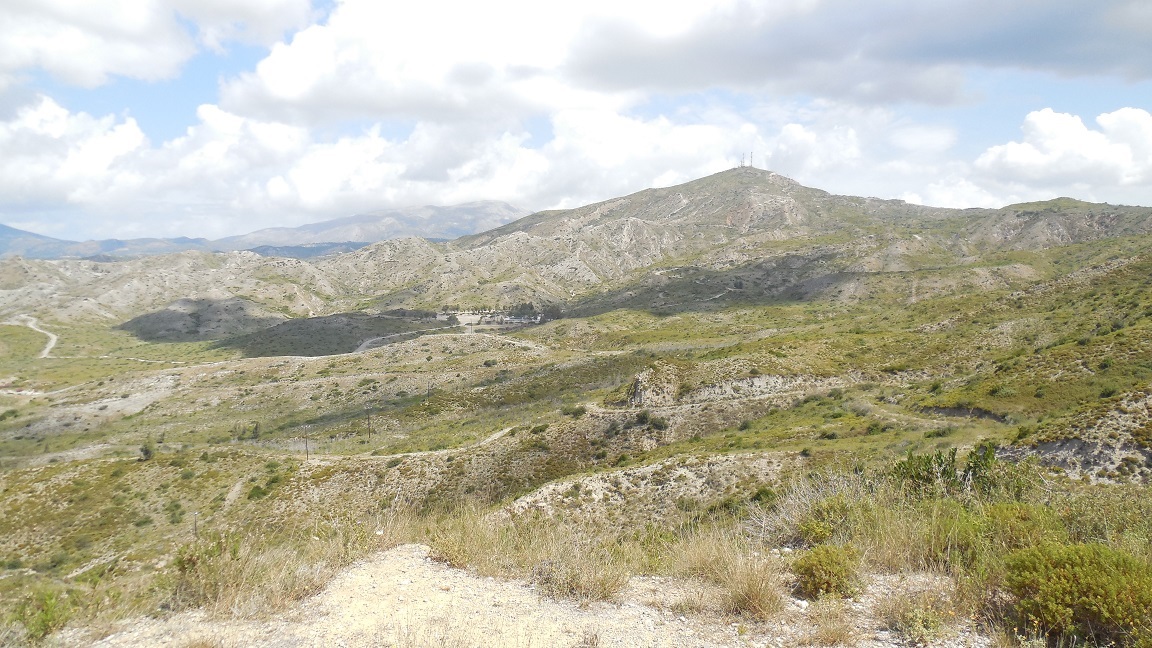
Rhodes is 79.7 km long and 38 km wide and the total surface is 1.398 km². The coastline is around 220 km long. Rhodes town is situated in the very north of the island. Here you can find the old historic harbour as well as the mdern commercial one. The nature and animal life on rhodes are closer to what it is like in Turkey than to the other islands in Greece. The land inwards of the island is mountainess, hardly populated and full of forests. Some of popular sights for the tourists are the butterfly valley, where you can see thousands of butterflies each summer (actually they are moths), and also the seven wells and the Petaloudes valley. Rhodes has both pebble and sandbeaches. The pebble beaches are mostly in the west of the island, most of the sandbeaches are in the east. In the summer months there is a cool breeze on the west side of the island, and on the eastside it is usually more hot. The highest peak of the island is the mountain Attavyos which is 1.215 meters high. |
| Rhodes Sights |
 |
 |
 |
 |
 |
 |
|
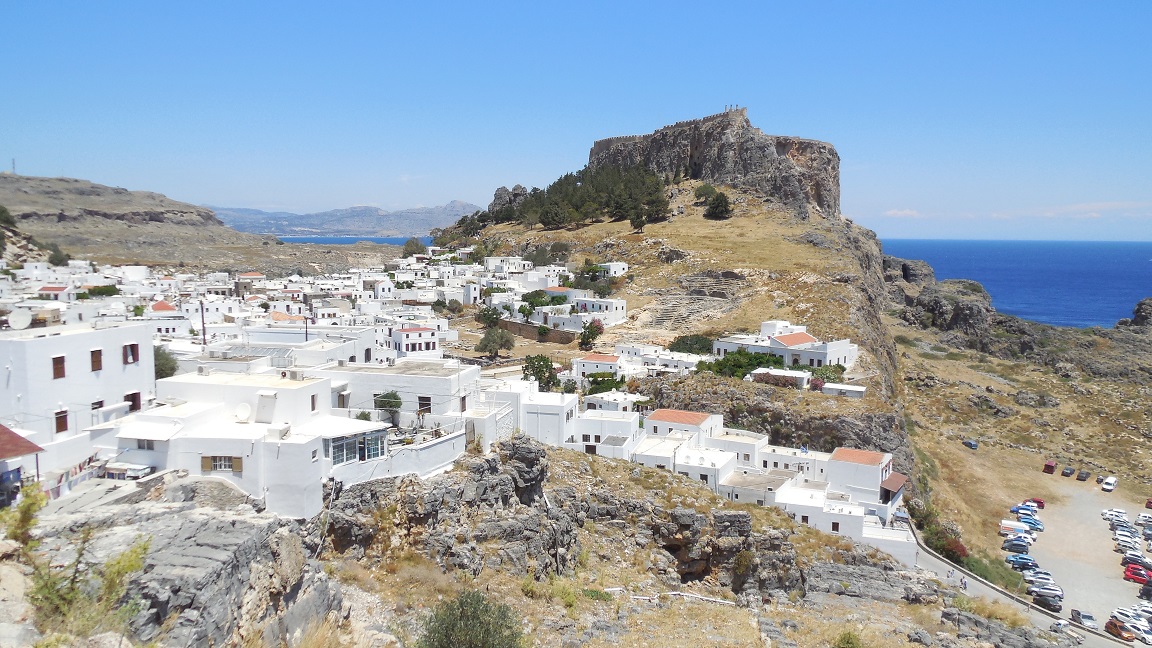
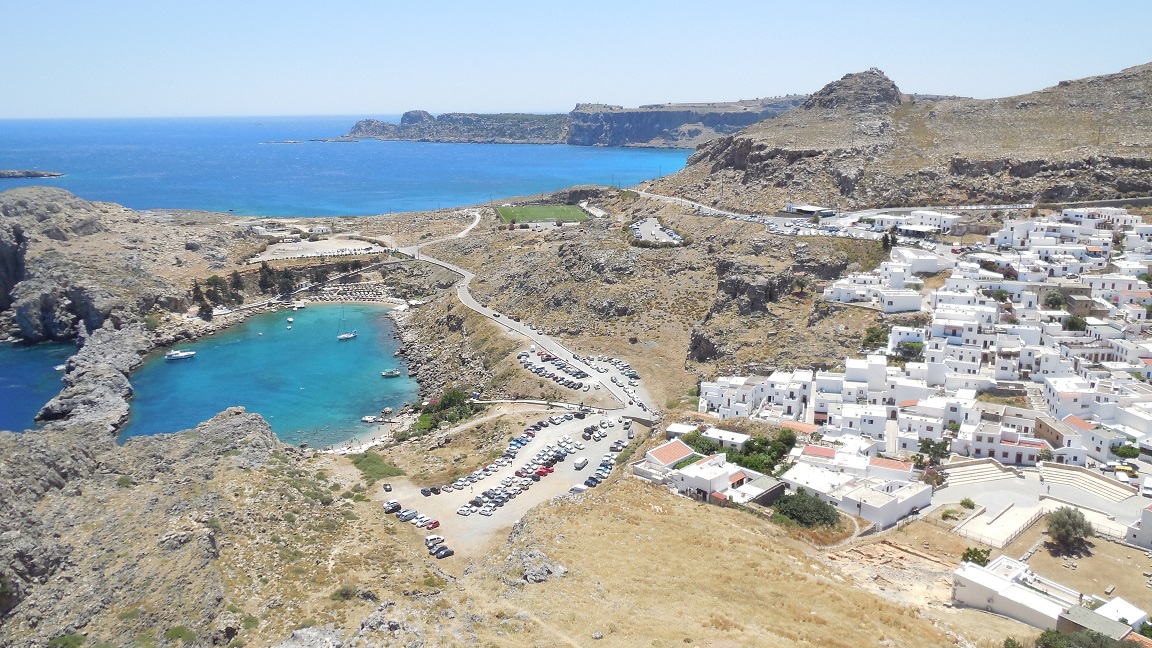
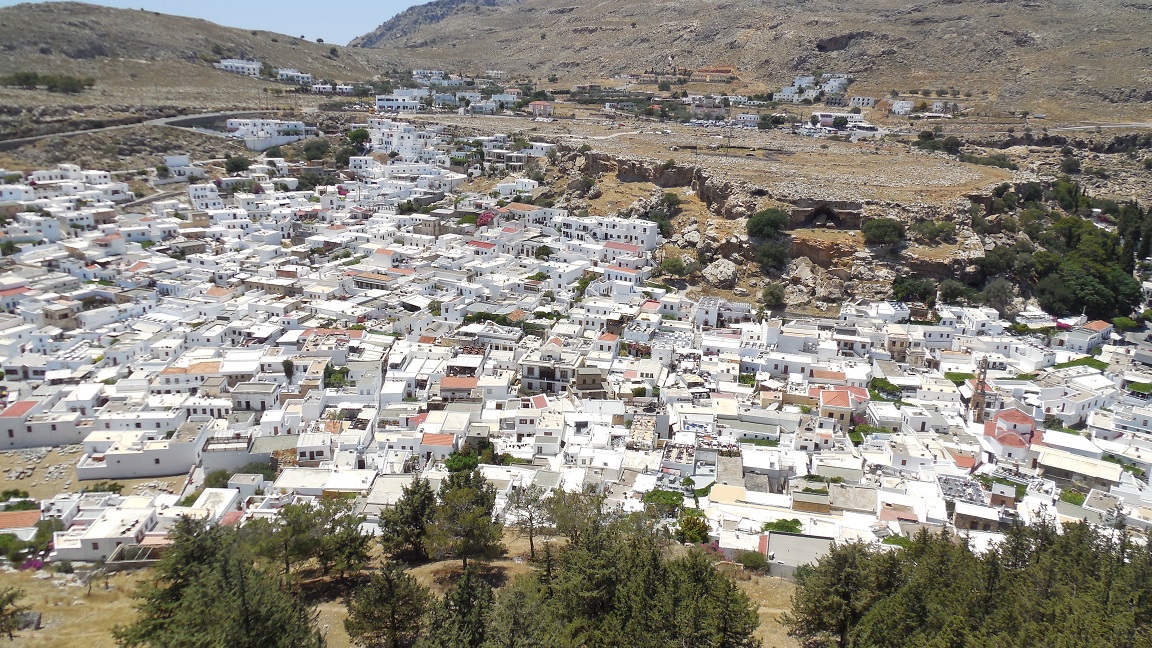
It is easy to travel from Rhodes to the neighbouring islands, and spend the night there or return on the same day to Rhodes again. If you travel to for instance Kos or Samos you will sail long distances along the Turkish coast. Rhodes town is a sight on its own, with a beautiful harbour, old castle walls and such. The village of Lindos can be reached by bus or by boat. It has impressive city walls and a beautiful Acropolis. In the west of the island, near the village of Monolithos, there is a castle. |
| Car rental in Rhodes |
|
|

© Hans Huisman, https://www.angelfire.com/super2/greece/ 2019