
| The Greek Islands | Amorgos HOME | Amorgos Hotels | Amorgos Ferries | Amorgos Beaches | Amorgos Car rental |
 |
 |
 |
 |
 |
 |
 |
 |
 |
 |
| THE ISLAND OF AMORGOS IN THE CYCLADES IN GREECE |
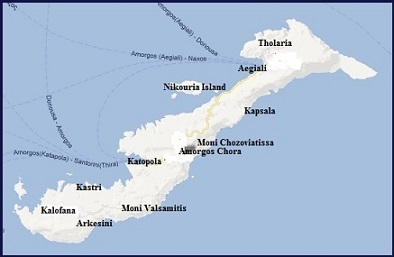

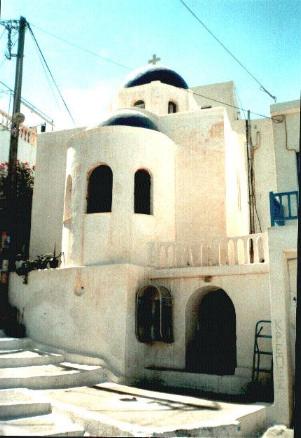
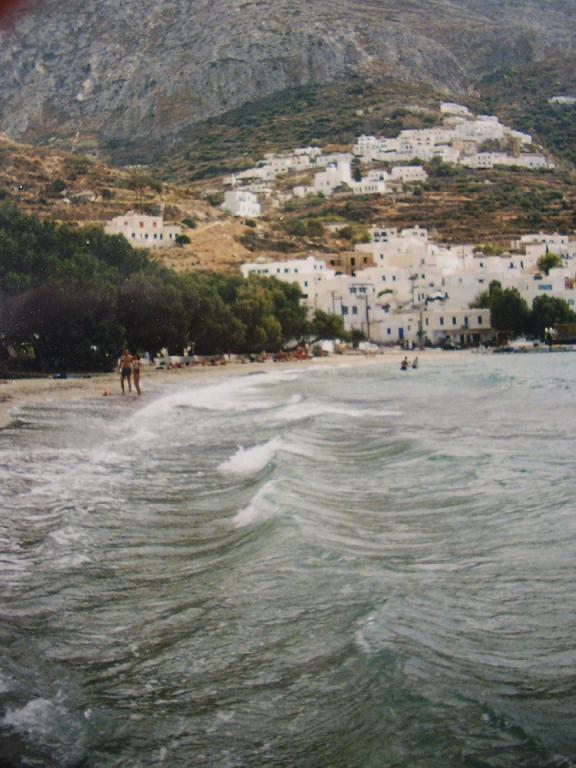
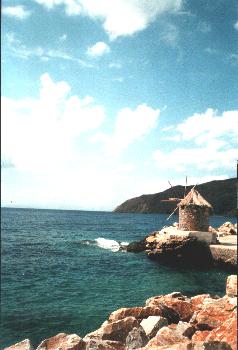
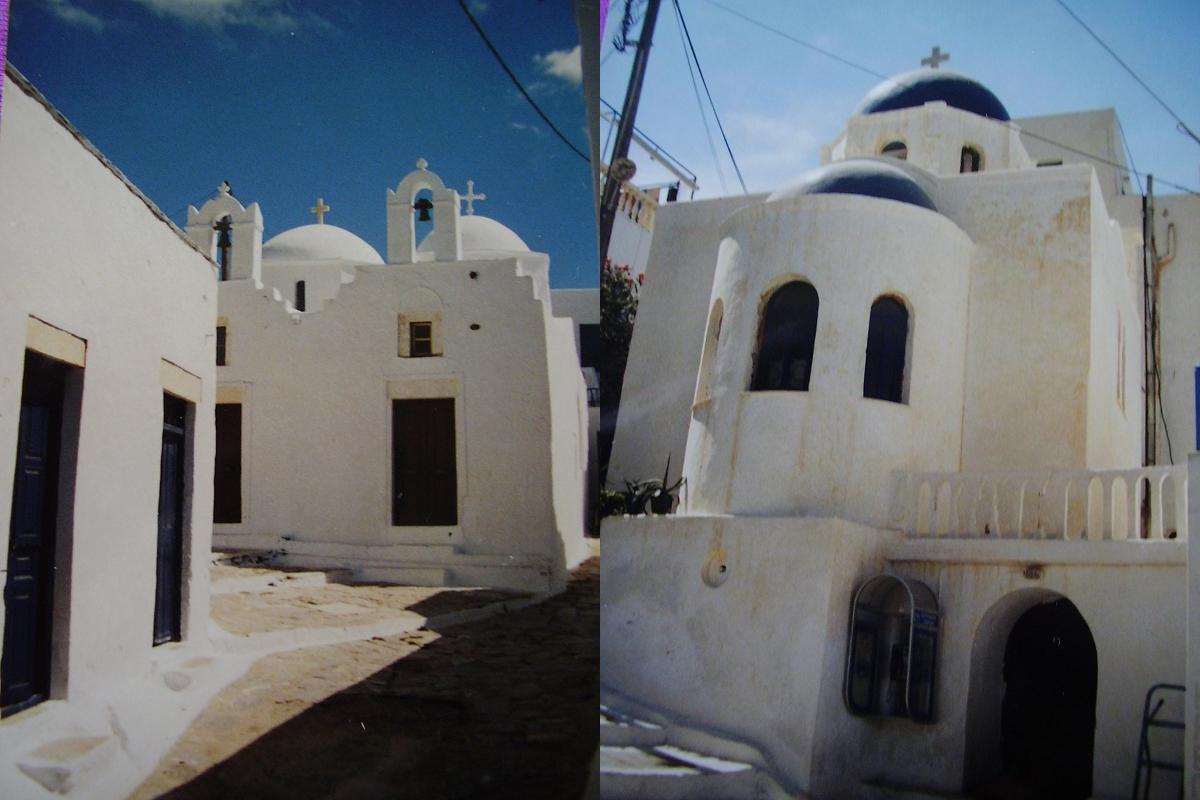
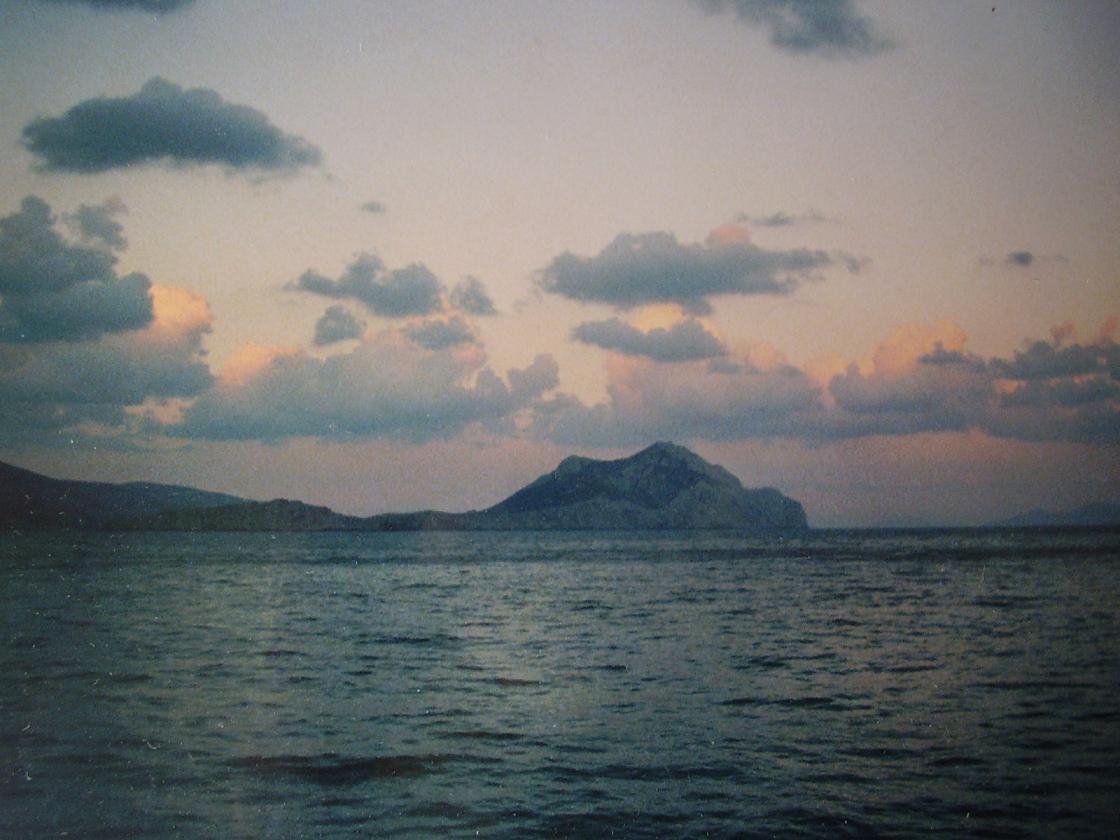
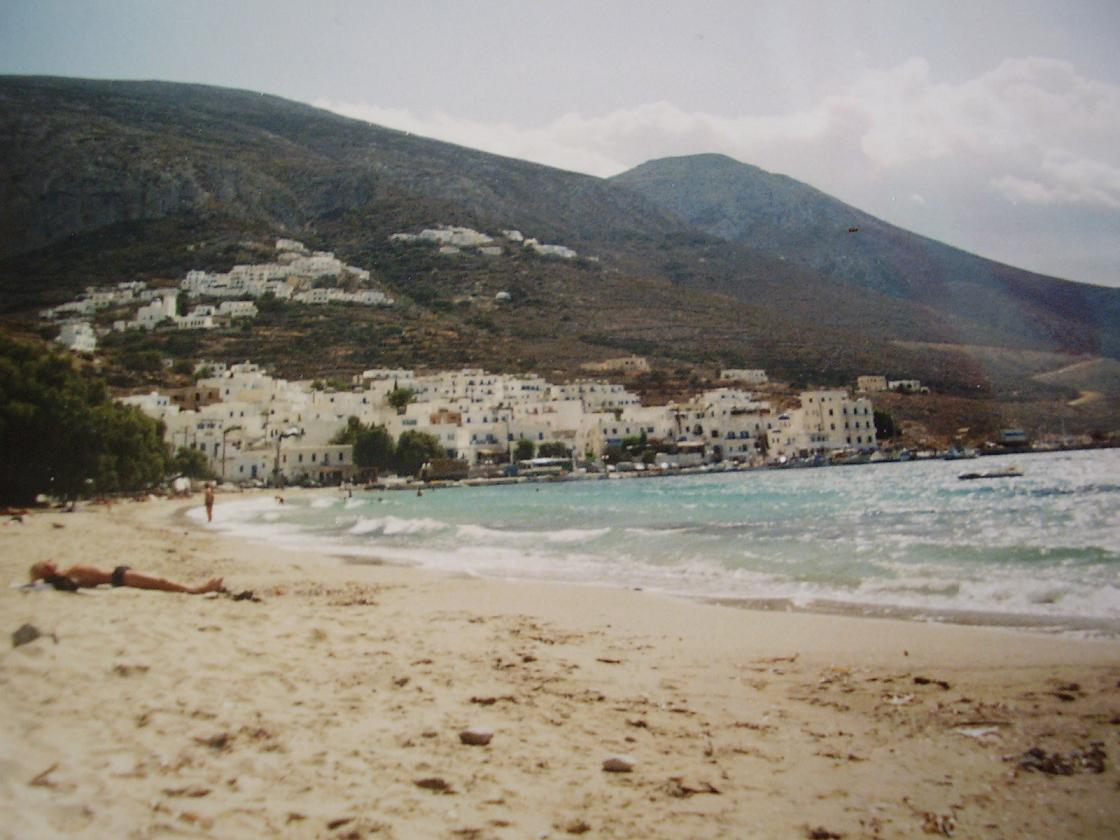
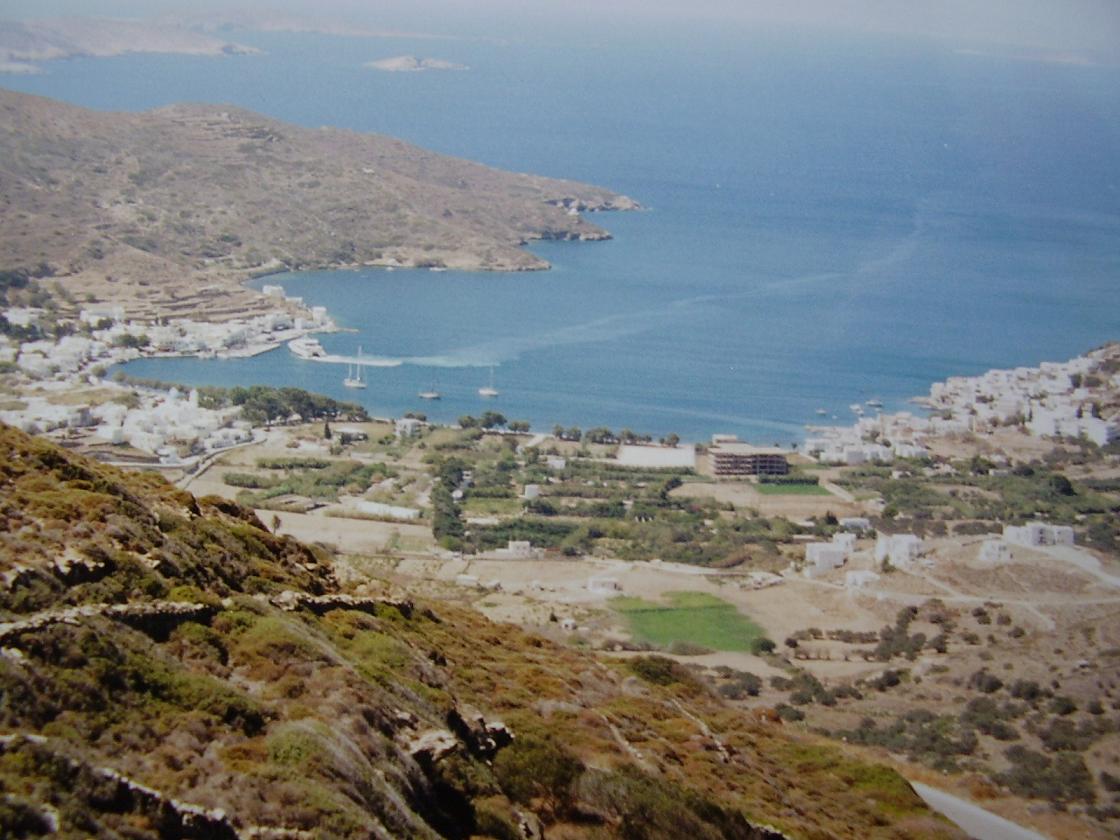
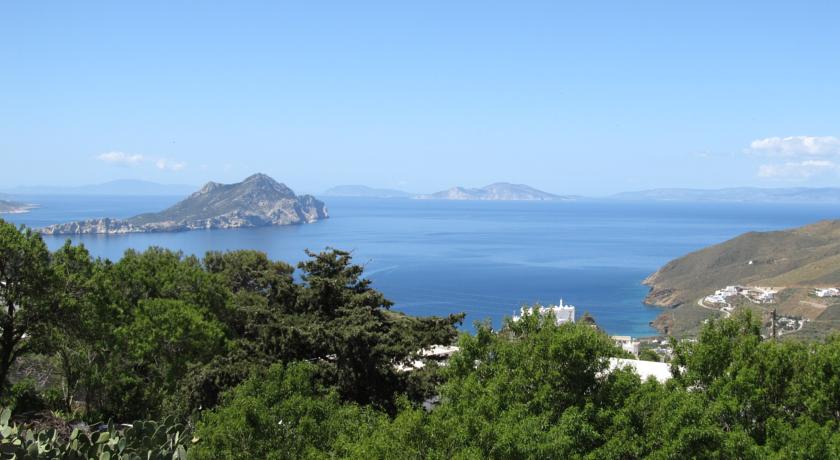
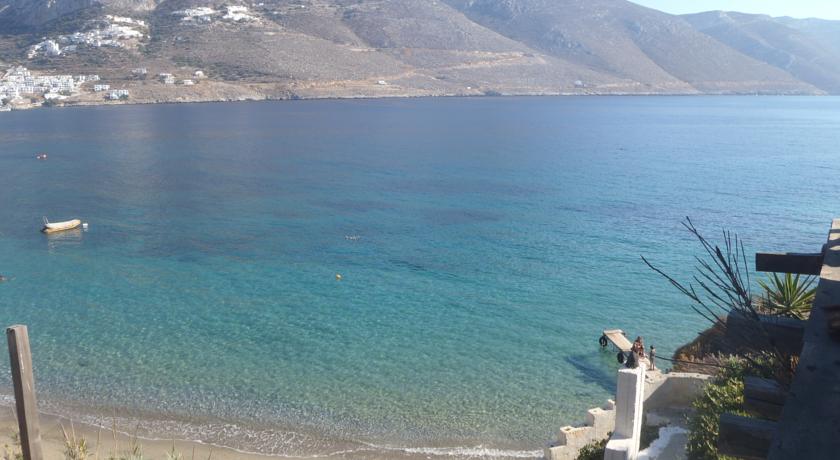
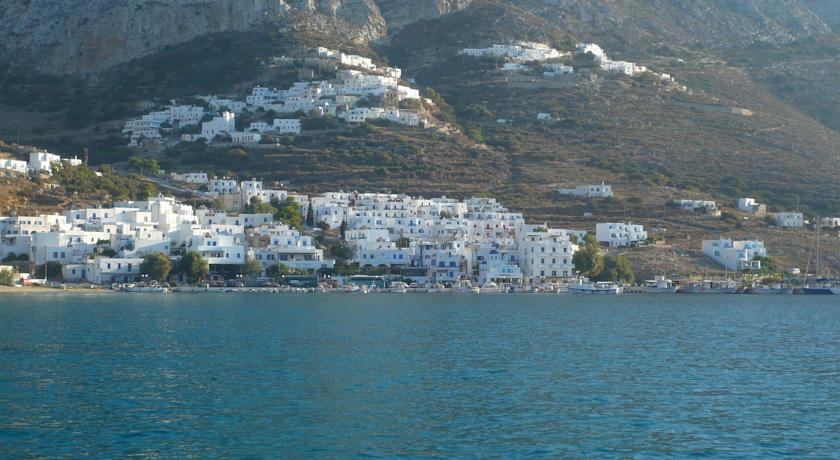
Amorgos is one of the most eastern of the Cycladic islands. It's long stretched and it has high mountains. It has two main harbours, Katapola and Egiali, that are both visited by the ferries. The last, Egiali is more or less the name for a couple of villages, one right at the sea and a couple more on the hills just above (they do have their own names). We stayed in Egiali because we saw the very long sandy beach in front of the village. It also looks upon a beautiful small island called Nikouria. The village appears nice at first, with an old church (with a public telephone attached to it!) and an old windmill in the harbour. The view from our balcony was gorgeous, overlooking the harbour and the villages in the mountains. Completely out of season (in september) we wanted to rent a car, which was impossible: all cars were already rented out at nine o'clock in the morning. So we decided to visit Katopola by bus: a big mistake. The bus connecting the two villages went only every three hours, it was ancient, and it was completely packed. It was the worst means of public transport I ever encountered on the Greek islands. The ride was beautifull though, going high through the mountains along cliffs. We got out in the mountains in Chora and enjoyed a beautiful walk down to the village of Katapola. Please note: this was in the year 2001, and I am sure things have changed and public transport has improved by now. There are also different car rentals on the island, but we visited during the time of our lives that people didn't use the internet that much, because we didn't know any better. Nowadays you can book your car ahead to make sure you have wheels when you get to the island of Amorgos. |
 |
 |
 |
 |
 |
 |
 |
 |
 |
 |
|
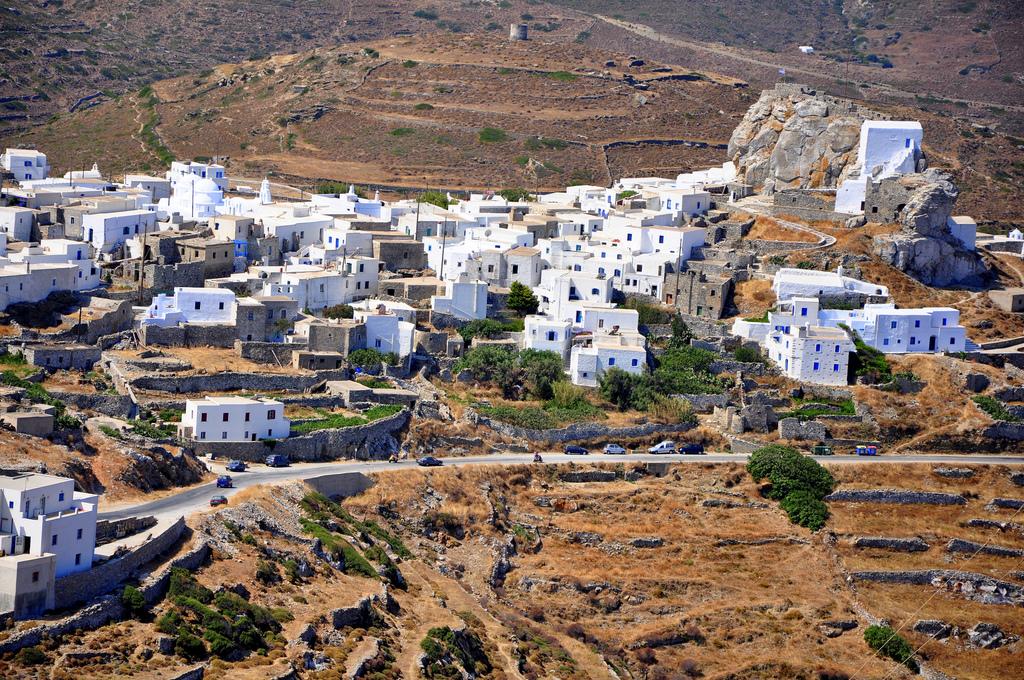
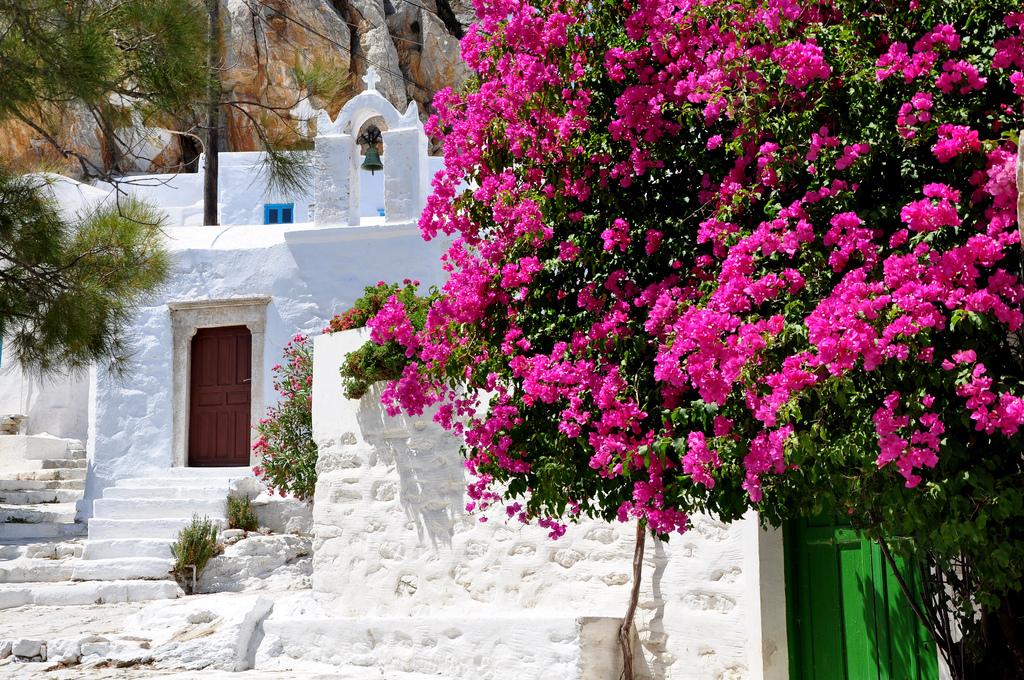
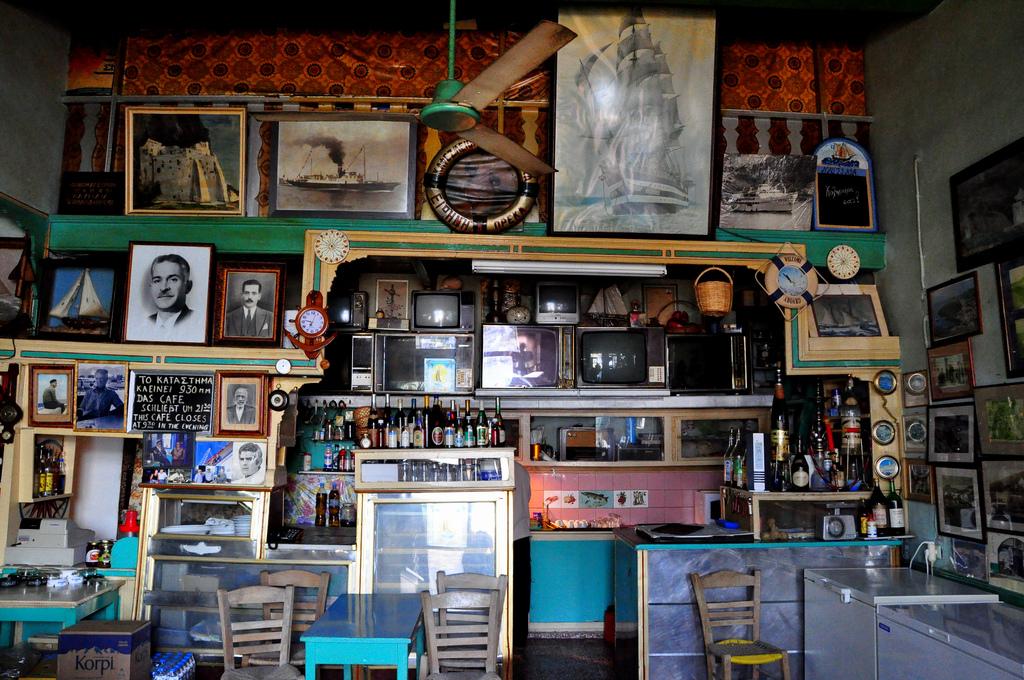
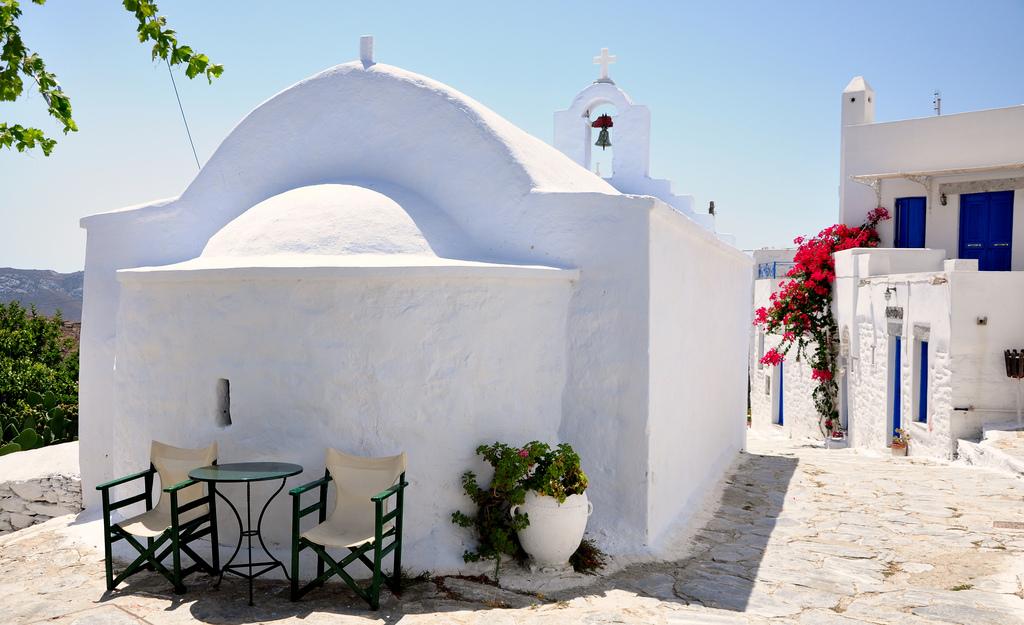
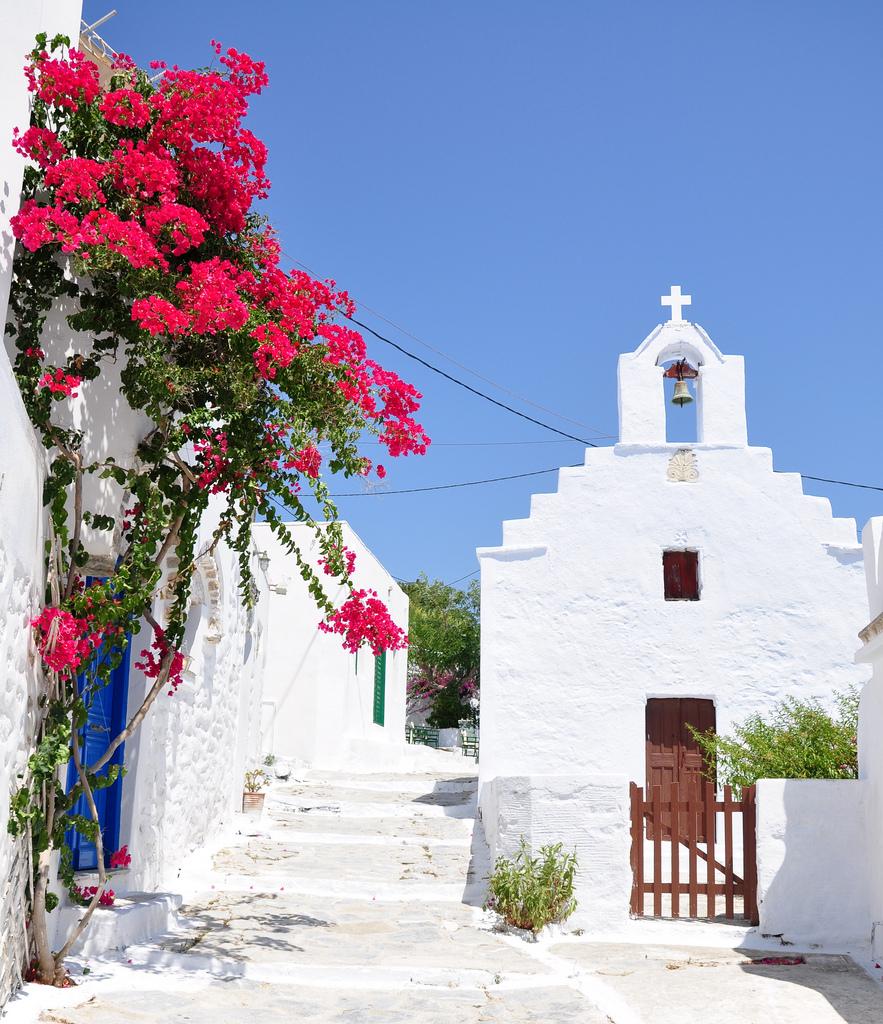
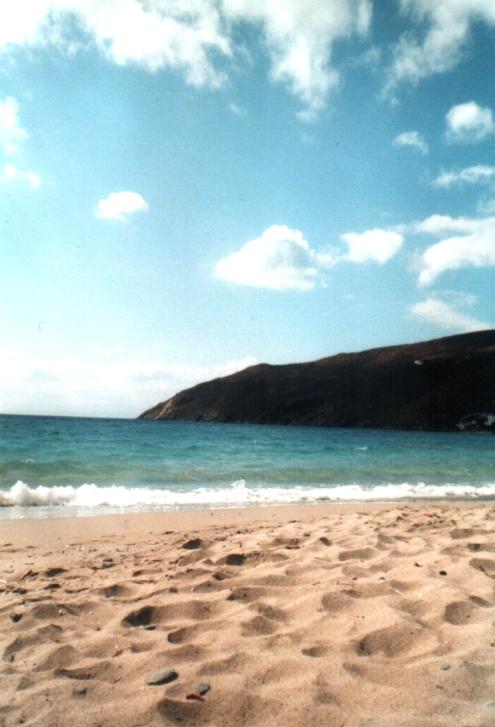
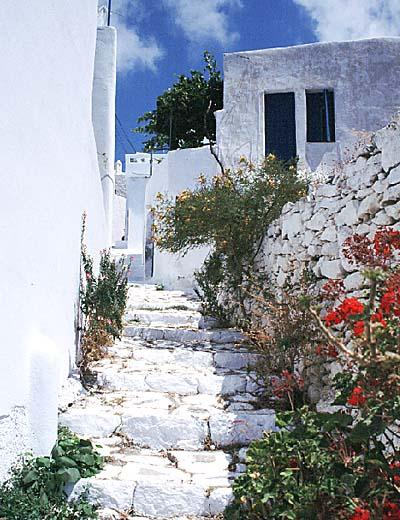
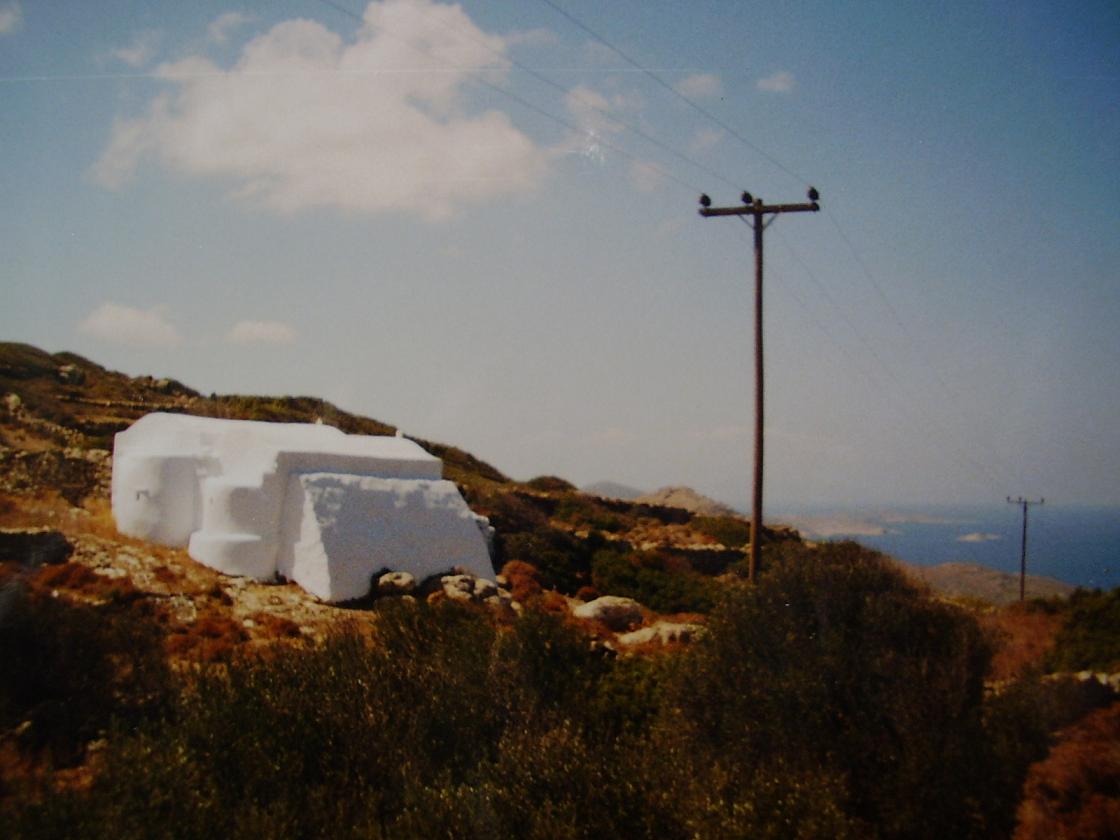
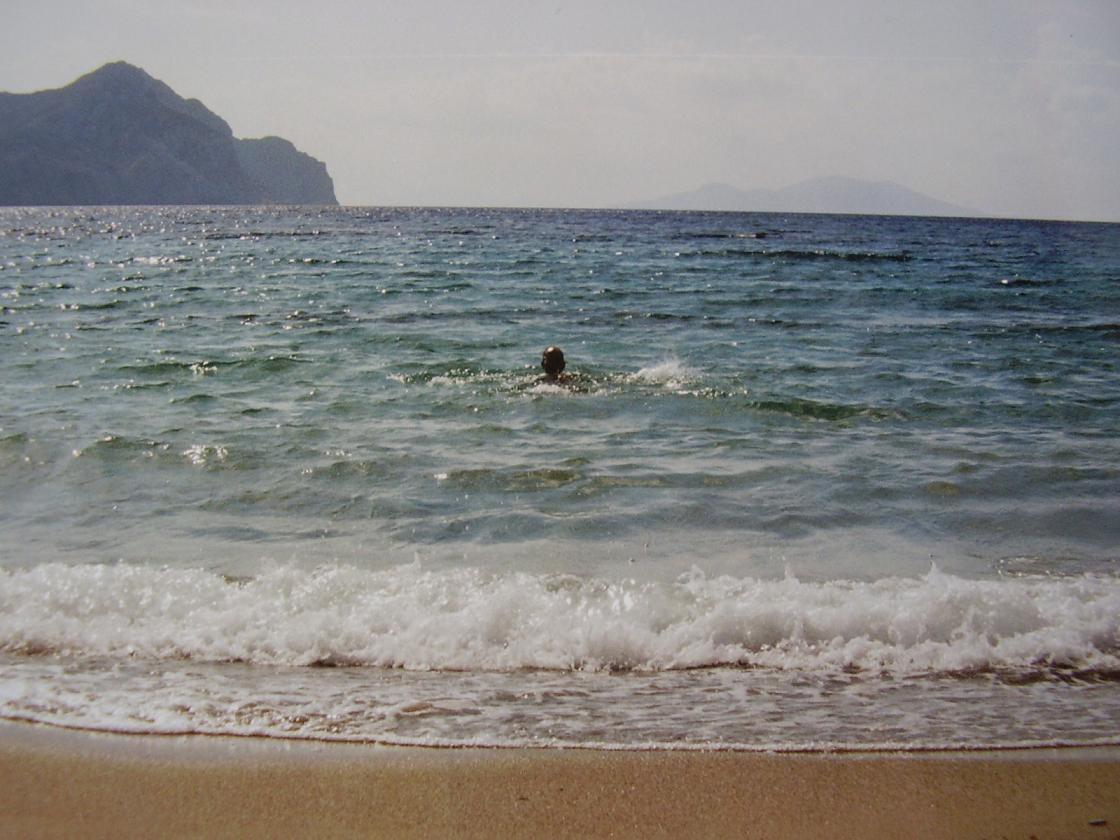
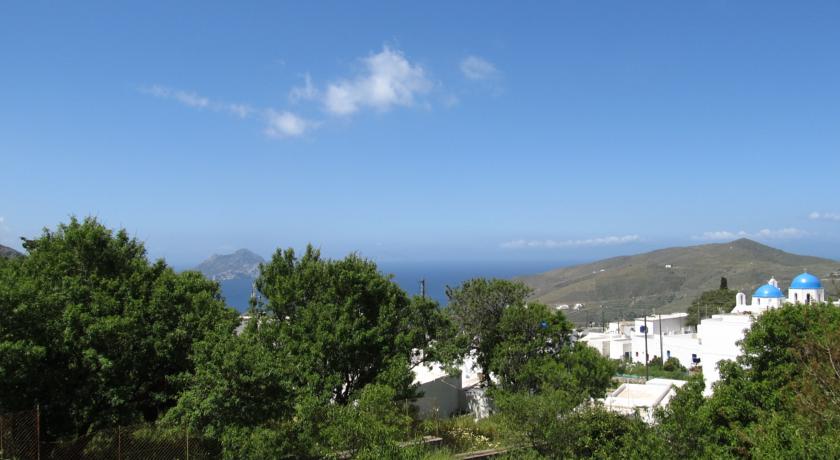
Chora is a quiet little village with lots of old churches and windmills. As you walk down you can see lots of other islands. Like in quite a number of mountain-villages it looks like time stood still in the chora of Amorgos. The Chora in Amorgos is very quiet, with churches and little squares everywhere, and a long row of windmills. It has lots of small streets with bougainville-bushes and trees, here and there a tourist-shop or a cafenion, and you will hardly see any traffic. The village of Egiali is pretty and has a couple of nice landmarks in the harbour, but it's not so overwhelmingly impressive that you will walk around in it for hours and hours. The beach is very good though, long and with good sand. It also has a small Venetian ruin standing on it. There's plenty of accomodation to choose from and lots of pensions and studios for rent at a reasonable price. The only bank on Amorgos is on the other side of the island in Katapola though, so make sure you bring some cash on arrival (in 2002, so this might have changed by now - no clue). The village of Egiali overlooks the small island of Nikouria, which gives staying at the beach a little extra. I was told that you could find a boat in Egiali that would take you there, but I have never found it. On the busride to Katapola you ride past it and you can have a better look. There's a small beach opposite the island where the bust makes a stop. |
 |
 |
 |
 |
 |
 |
 |
 |
 |
 |
 |
| SOME MORE INFORMATION ON THE ISLAND OF AMORGOS IN THE CYCLADES IN GREECE |
|
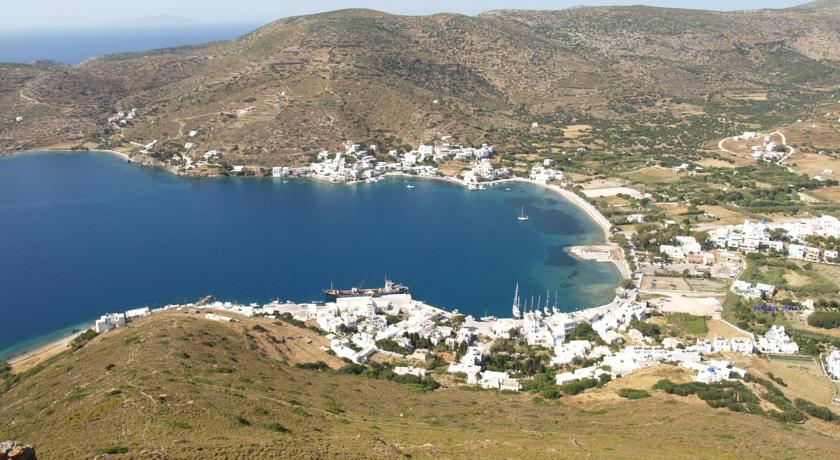
Amorgos island is 117 km2 large and has around 1800 inhabitants. It is the most easterly of the Cyclades islands and also one of the least touristed of the large Aegean islands. It is rugged, it has high mountains and is often battered by the sea. The sight of Amorgos on arrival by ferry is impressing and maybe a bit imtimidating, but once ashore it turns out to be very friendly and unspoilt. The road system on the island with the two major settlements on either side of the island is pretty poor, with only one asfalt road going in between Katapola and Egiali. This is one of the reasons why the ferries make a stop in both villages. Katapola is situated in the more populated western part, and is set in a bay on the north side of the island. Here you find plenty of restaurants, tavernes and most of the accommodation. There is a town beach but it is not very attractive. The taxi boats in the port can take you to a better beach behind the eastern headland. |
 |
 |
 |
 |
 |
 |
 |
 |
 |
 |
|
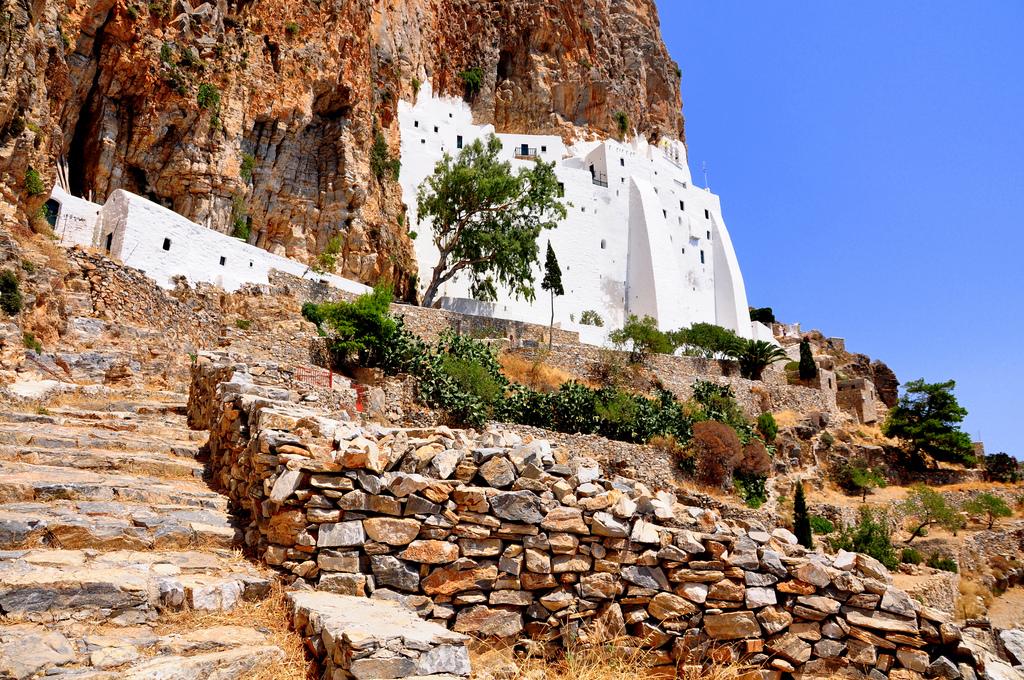
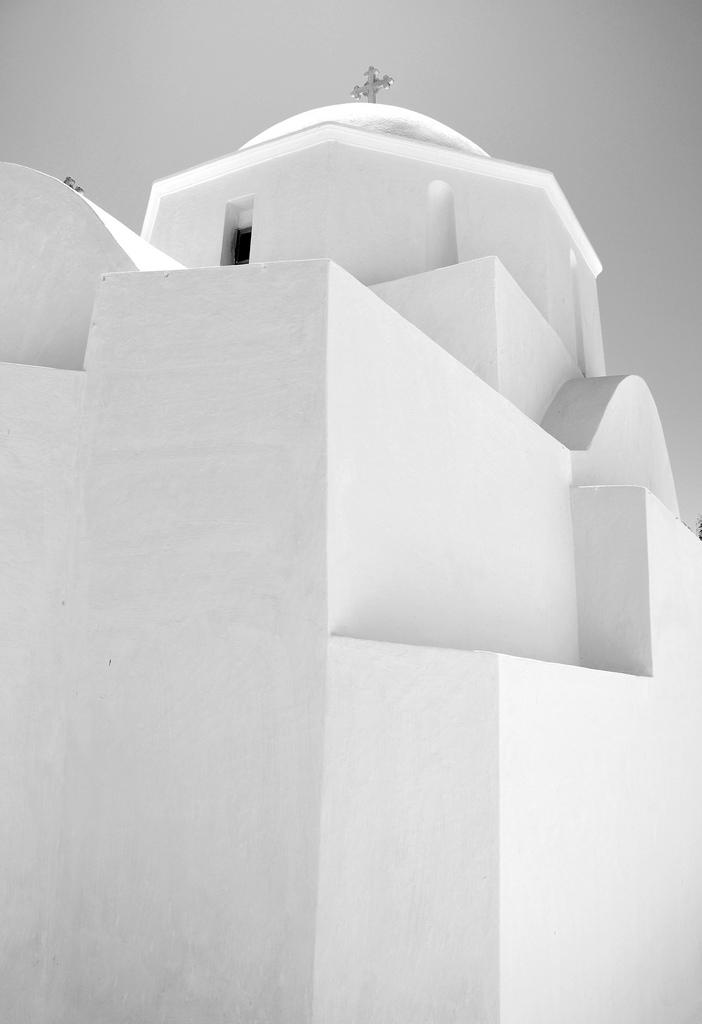
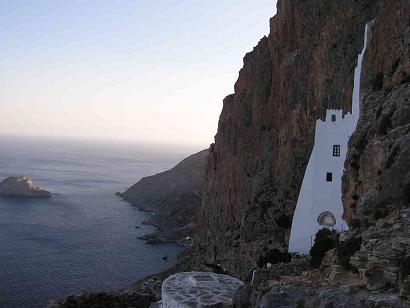
In Katopola lie the remains of an ancient Minoan city (Minoa). It is named after King Minoa (or Minos) of Crete which according to legend has ruled on Amorgos as well. Behind Katapola is a fertile green plain and a winding road that leads up the hill to the capital of the island, Chora. Between Katapola and Chora there are busses (on the route Katapola - Chora - Egiali). Chora is a typical unspoilt and charming Cycladic town with white cubic houses, pretty churches and a lot of old stone windmills. There is hardly any traffic and it is a peaceful and delightful place with a narrow streets, squares with trees and flowers and a few small tavernes and tourist shops. The main street in the Chora is inaccessible to vehicles. At the end of this street there is a viewing point (at the satelite dish towers) and the stairs here lead to the main tourist attraction of the island: the monastery of Chozoviotissa, which seems to be glued to the mountains, and the road to the most popular beach of the island, Agia Anna, a small pebble beach which is known for its nudism. Egiali, the second port of the island, is smaller, but thanks to a better beach and a hilly skyline topped with several villages its is easily more picturesque than Katapola. This destination is more quiet and actually more likely to appeal to seasoned islandhoppers. In addition to the two ports and the main town with its 13th century castle, there are other interesting villages on the island such as Arkesini with remains of a Hellenistic tower and at the entrance of the village the remains of the ancient temple Agios Onoufrios. There are more Hellenistic towers scattered over the island. |
 |
 |
 |
 |
 |
 |
 |
 |
 |
 |
| FERRIES TO THE ISLAND OF AMORGOS IN THE CYCLADES IN GREECE |
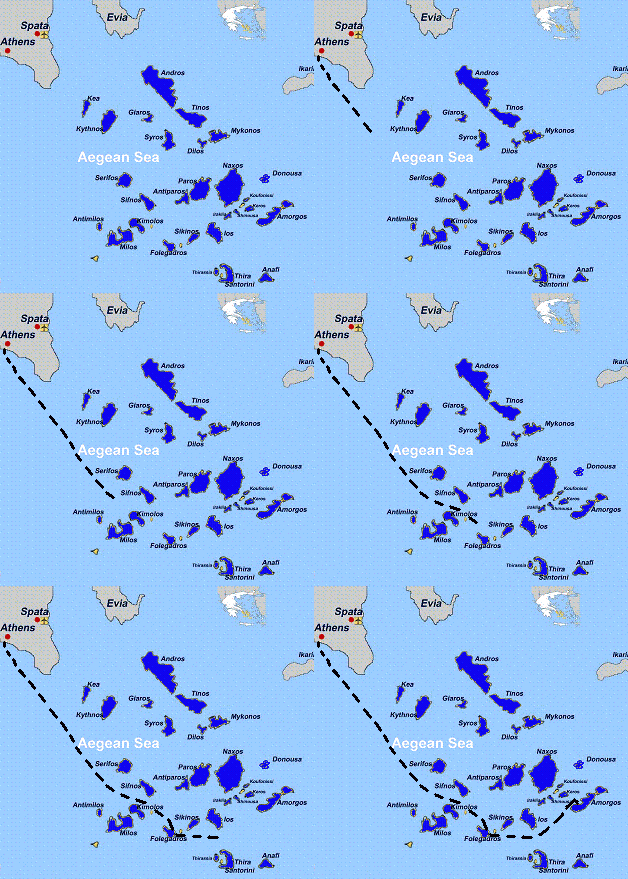
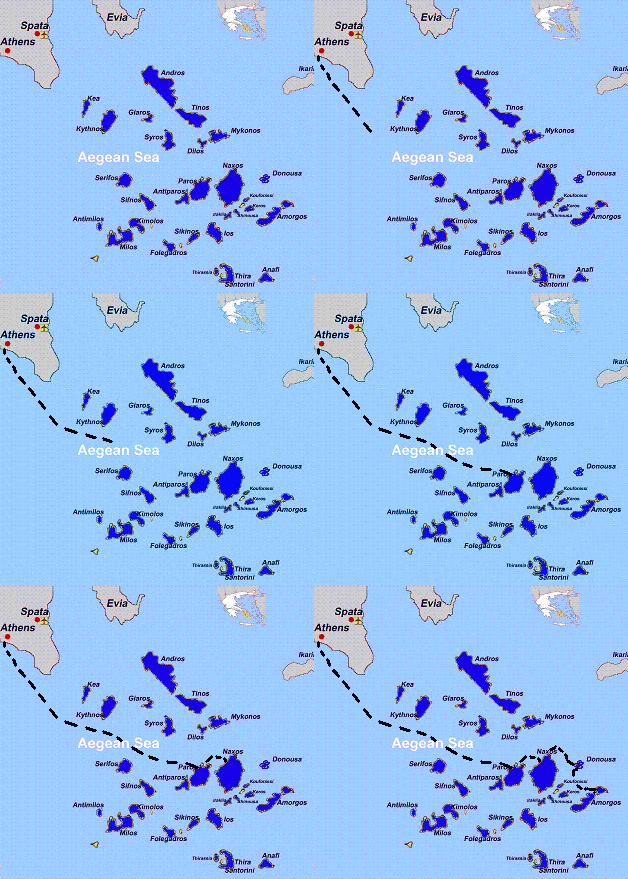
There are direct ferries from Pireaus (near Athens) to the island of Amorgos, and it is also possible to reach Amorgos from other islands such as Paros, Naxos, Folegandros and Astipalea. Check the websites of Danea and Blue Star Ferries for the schedules. The picture on the left show the route of the fast ferry from Hellenic Seaways (2008) which makes a stop in Folegandros and then ends in Katapola - Amorgos. It leaves almost every day of the week at 7.00 o'clock in de morning (except wednesdays) and arrives at 11.30, so it takes 4 and a half hour. Please note that I only gather this information from the internet and things change from time to time and from year to year. The ferry from Blue Star (picture on the right) that also makes the way from Piraeus to Amorgos takes much longer because it is not a superfast ferry and it makes stops on more islands. This one leaves at 17.30 in the afternoon and arrives in Egiali at 1.10 in the night after stops in Paros, Naxos and Donoussa. If you check and cannot find any schedules on than you are probably too early and the timetables haven't been approved yet. Please try again later in the season. Sometimes the owner of the hotel you booked knows best and you can ask him / her. You can check the ferries to and from Amorgos here and if you want you can reserve a ticket online (check at Aegiali or Katapola - the two harbours of Amorgos). |
| THE BEACHES AND NATURIST BEACHES ON THE ISLAND OF AMORGOS IN THE CYCLADES IN GREECE |
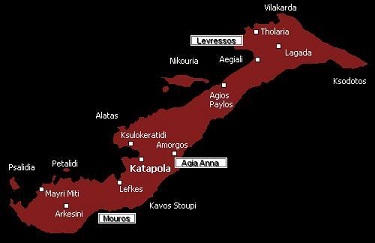
On the island of Amorgos there are a good amount of beaches. The organized sandy beach of Egiali is actually quite a nice one. There is also an (un)official nudist beach at a 20 minutes walking distance of Egiali. This naturistbeach is called Levressos. In the summermonths there are boats leaving from Egiali harbour to the beaches on the coast, including this naturistbeach. The beach is situated north of Egiali and it can be reached over a path from the village of Tholaria. Levressos is a long sandy beach surrounded by high clifs. The first meters of the sea are quite shallow so it's not too difficult to get into the water. Next to the textile beach of Agia Anna are a couple of coves and another beach that are used or partially used by naturists. At Mouros Beach naturism takes place at the end of the beach, less so in highs season. South of Mouros Beach is Amoudi Beach where there are also naturists. Whenever you go to a more remote beach there will not allways be a taverna, so be smart and bring your own water and snacks. For much more information about the beaches and especially the naturist beaches on the island of Amorgos - click here. |
| Diving on the island of Amorgos - Amorgos Diving Center |
 |
 |
 |
 |
 |
|
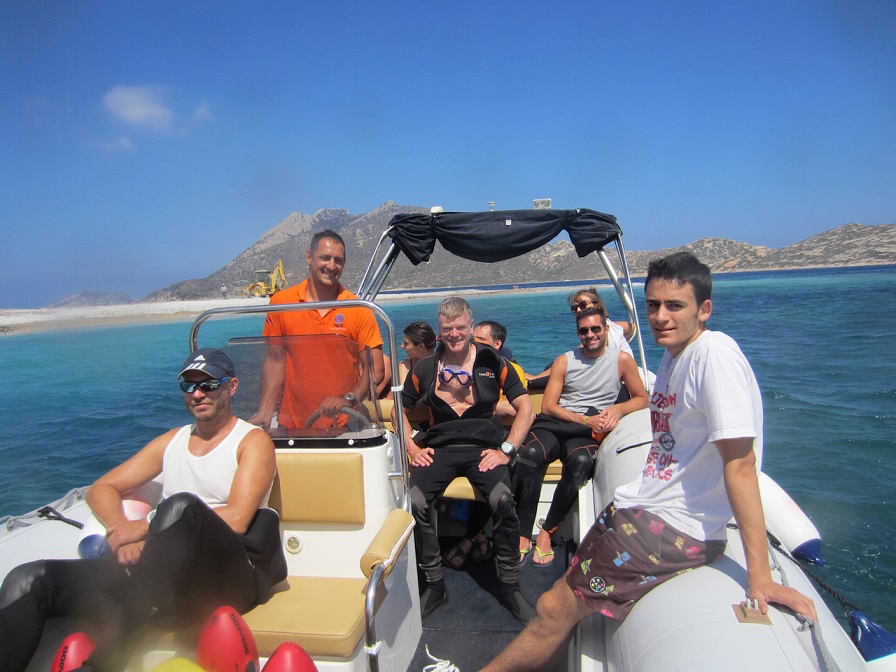
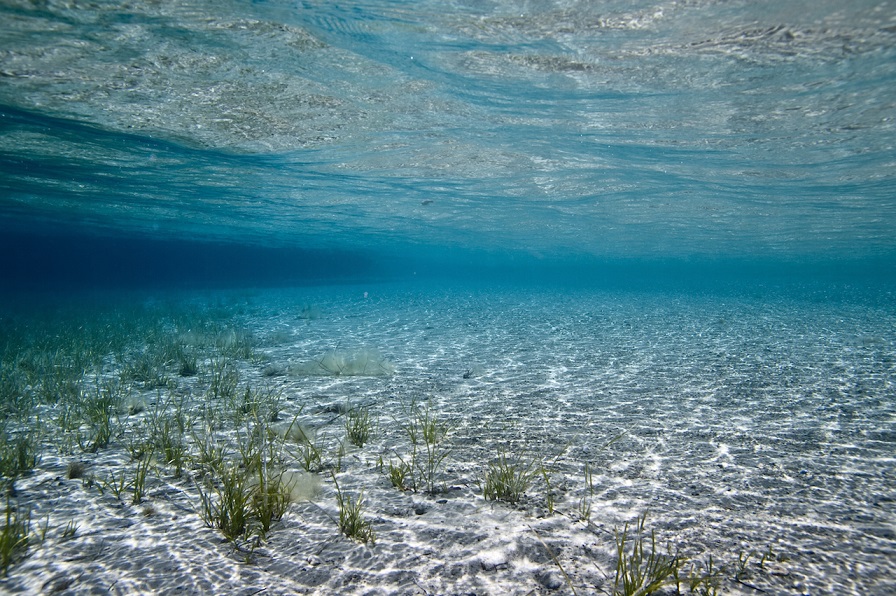
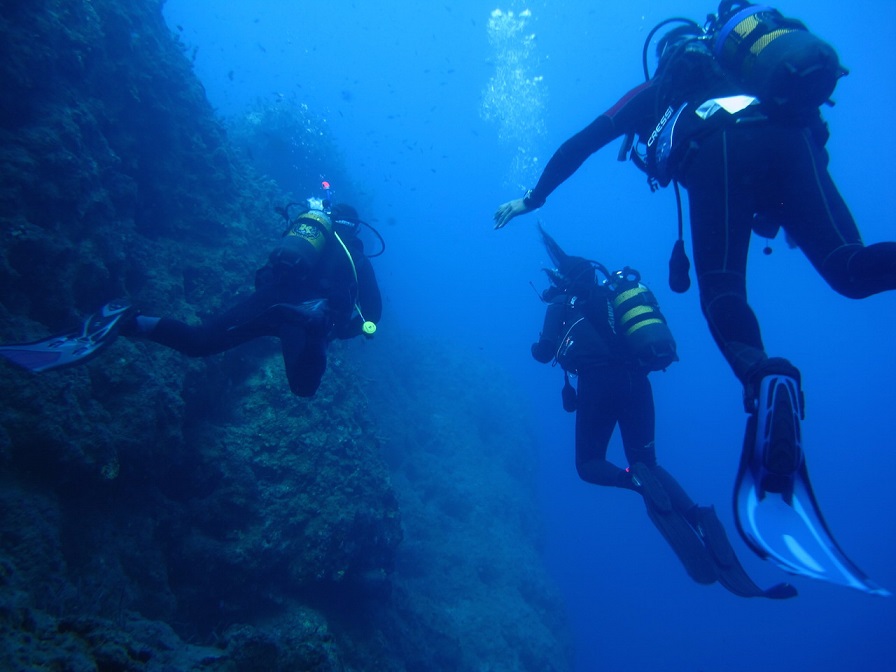
With Amorgos Diving Center you'll discover the hidden treasures of the island: shipwrecks, natural reefs and underwater caves full of colorful sponges and fishes. As a PADI 5 star Diving resort, Amorgos Diving Center offers all levels of recognized dive education from novice to professional. The international staff is very professional, friendly and always ensures the clients have a memorable time. Free diving, underwater photography, nitrox, peak performance buoyancy, night diving are some of the many proposed activities. The center and the Pro-shop are easy to find and located in the very center of Aegiali. Additionally, they can also help you organize your accommodation or transfers to the island and create programs for your activities, depending on your requirements.
Tel: (+30) 22850 73611 - Mobile: (+30) 69322495338 - Fax: (+30) 22850 73611
|
| ACCOMMODATIONS ON THE OF AMORGOS IN GREECE - HOTELS, APARTMENTS AND STUDIOS ON AMORGOS |
|
Some people like to book accommodation ahead, which is especially useful when you arrive in high season or when you have made up your mind and want to book for that special place that you have seen. Below are a couple of hotels, apartments and studios that I liked and that maybe you will like too. The descriptions and the pictures are from the hotel itself. For all hotels, apartments, studios and villas on the island of Amorgos in Greece - click here. |
| Thomas Villas - private villa on the island of Amorgos |
 |
 |
 |
 |
 |
|
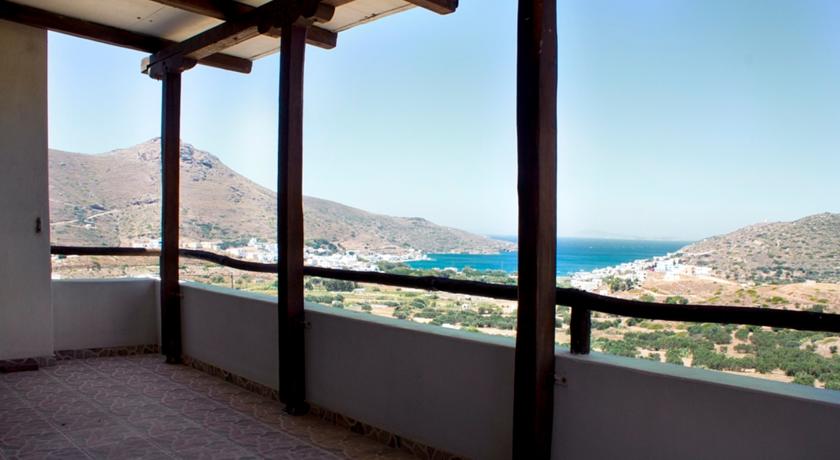
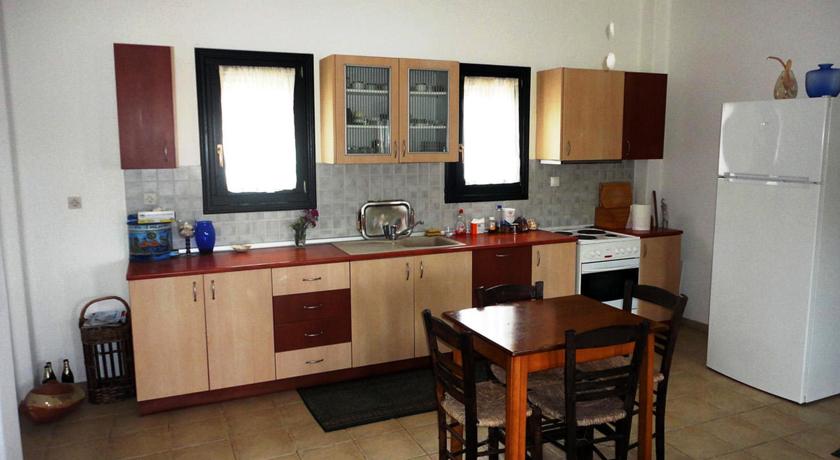
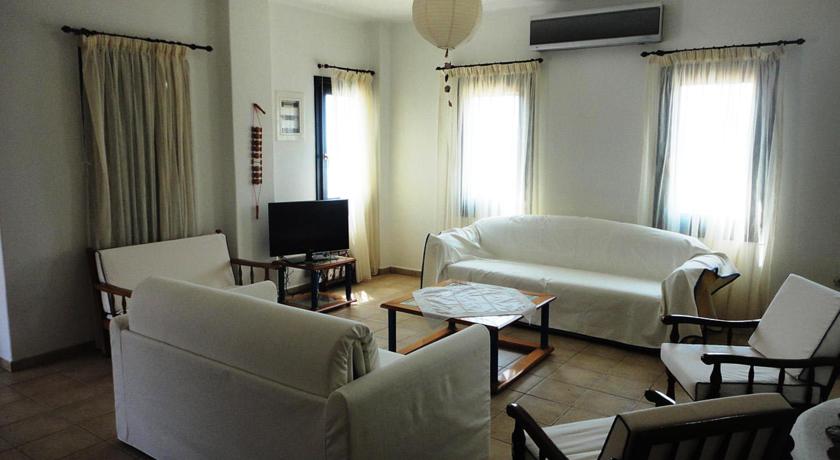
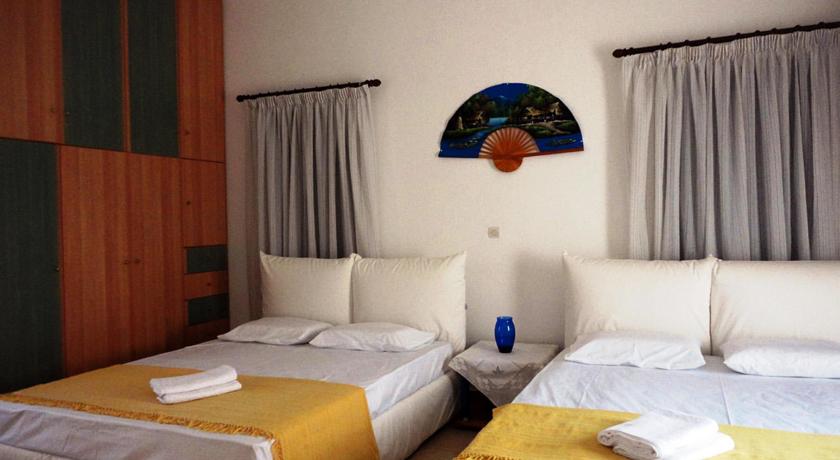
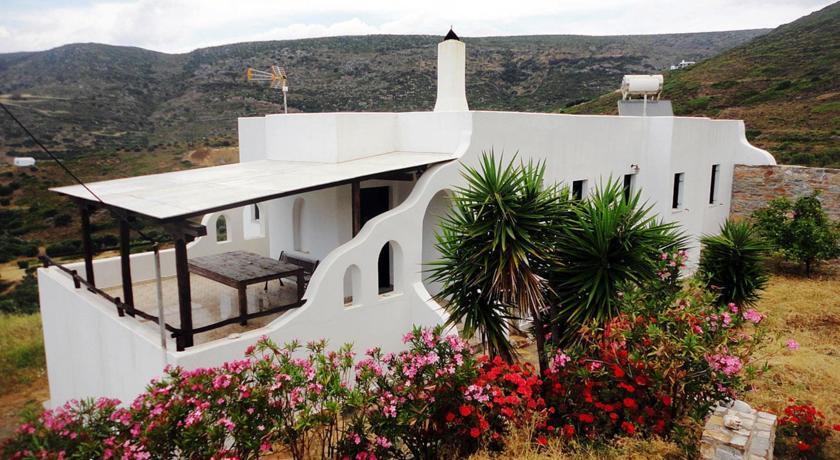
Located in Katapola Village, the traditionally built Thomas Villas offers a fully equipped and tastefully decorated unit with Aegean Sea views and free WiFi. Katapola Port and the nearest beach are at a distance of 1.5 km. Fitted with a fireplace, this air-conditioned and split-level villa of Thomas has 2 separate bedrooms and opens to a furnished terrace and a balcony. It consists of a living room with flat-screen TV and a kitchen with dining area and oven with hobs. A washing machine and an iron are included. Guests may enjoy the BBQ facilities along with al fresco dining. A spacious garden is available at the property. Bicycle and car rental services are provided. Several restaurants, café bars and shops can be found within a short drive. The Dome of Agios Onoufrios is 7.8 km away. Check availabilities and prices & book Thomas Villas op Amorgos - click here. |
| Amorgos Hotels - Poseidon Studios - Egiali |
 |
 |
 |
 |
 |
|
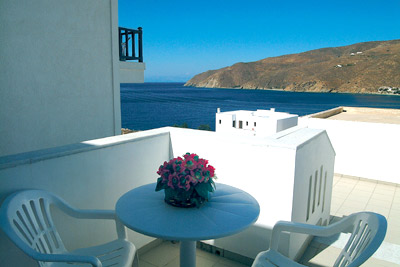
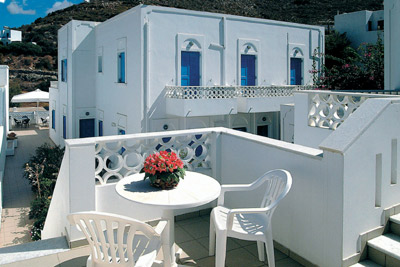
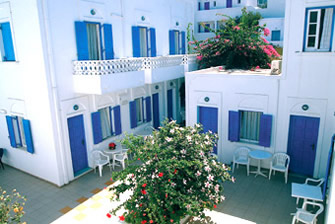
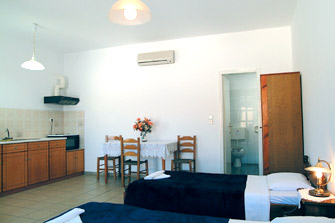
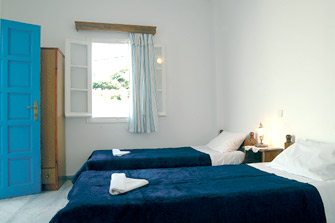
"Poseidon" studios are located in Aigiali at the north west side of the island. Our apartments are fully furnished and have a nice kitchen with its necessary cooking utensils, a refrigerator, air condition and TV. The Cycladic-style Poseidon is located in Aegiali village, only 250 metres from the beach and 150 metres form the port. It offers self-catered accommodation opening to a communal courtyard. Free Wi-Fi is available throughout. All air-conditioned studios have a kitchenette with a mini fridge, cooking hobs and kettle to prepare a light meal. Each also features a TV and hairdryer. The 24-hour front desk at Poseidon can advise on local interests, such as the scenic town of Amorgos at 15 km. Taverns and mini markets can be found at 100 metres. The main port of Katapola is around 22 km away. Check availabilities and prices & book the Poseidon Studios on Amorgos - click here. |
| Amorgos Hotels - Agios Pavlos Studios - Agios Pavlos Beach - very good reviews |
 |
 |
 |
 |
 |
|
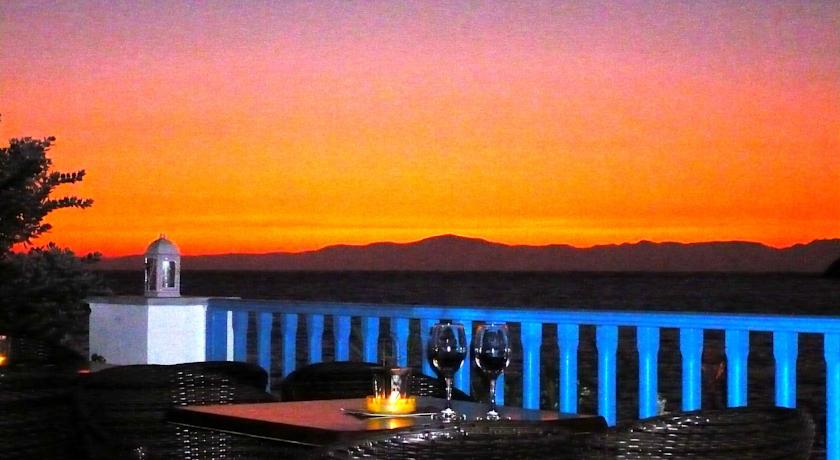
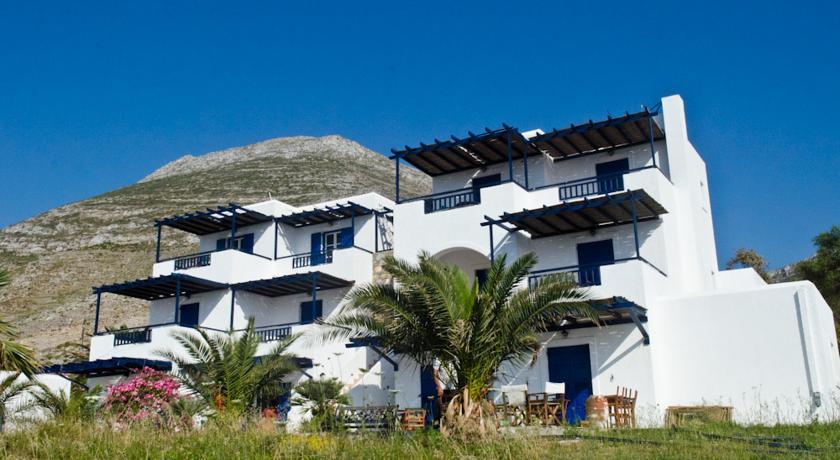
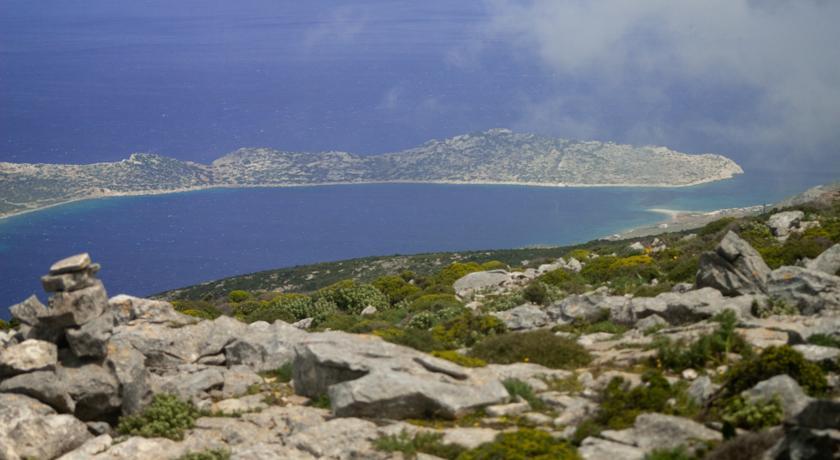
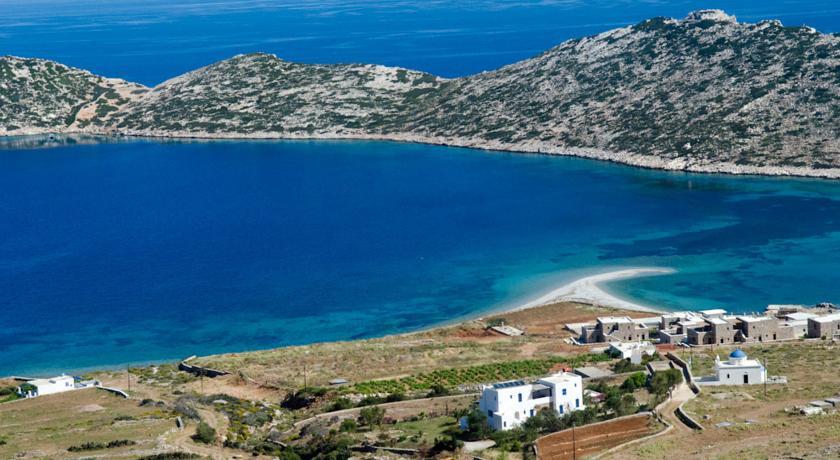
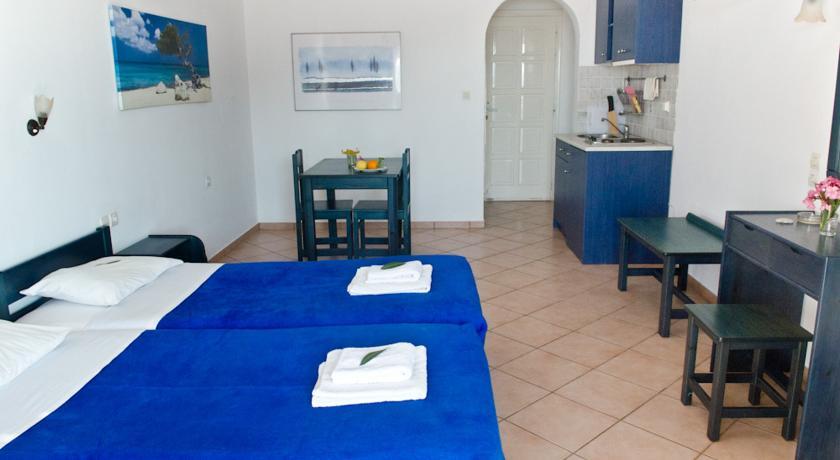
Agios Pavlos Studios are situated halfway between Chora and Eghiali, in one of the most beautiful spots on Amorgos. The Cycladic-style studios offer stunning views over the Aegean Sea and the sunset. In the classic white and blue building, the Agios Pavlos Studios offer a small and well-equipped kitchenette, refrigerator, air conditioning, TV and private bathroom with shower, while all have a terrace with pergola overlooking the sea. Agios Pavlos Studios are perfect for a swim at the crystal clear beaches of Agios Pavlos and a great base for bus and car island tours. Check availablilities and prices & book the Agios Pavlos Studios on Amorgos - click here. |
| Amorgos Hotels - Aegialis Hotel & Spa in Amorgos - very good reviews |
 |
 |
 |
 |
 |
|
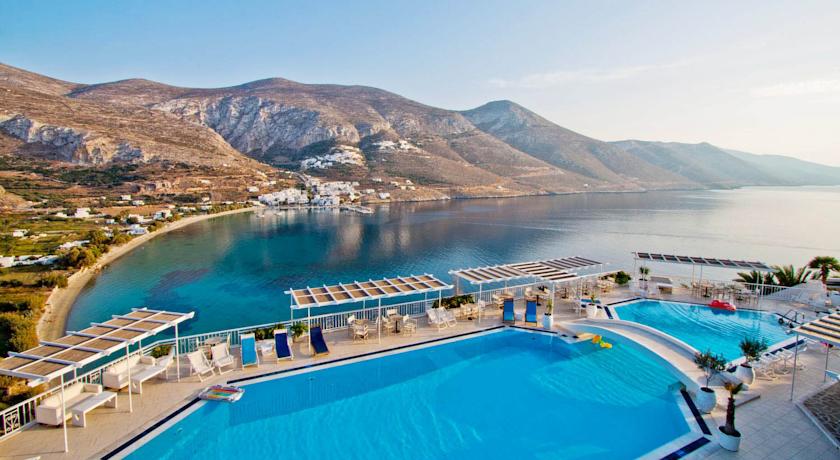
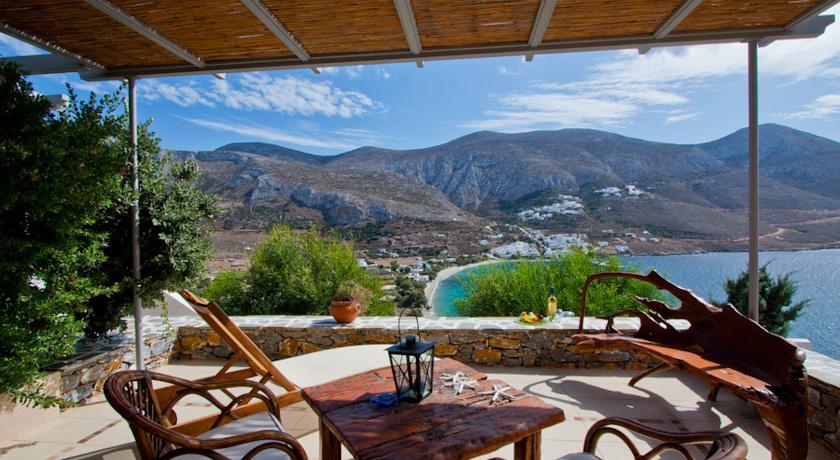
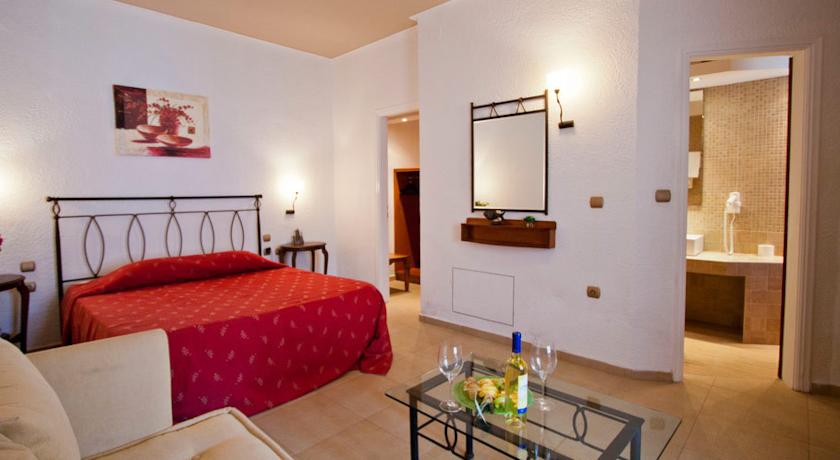
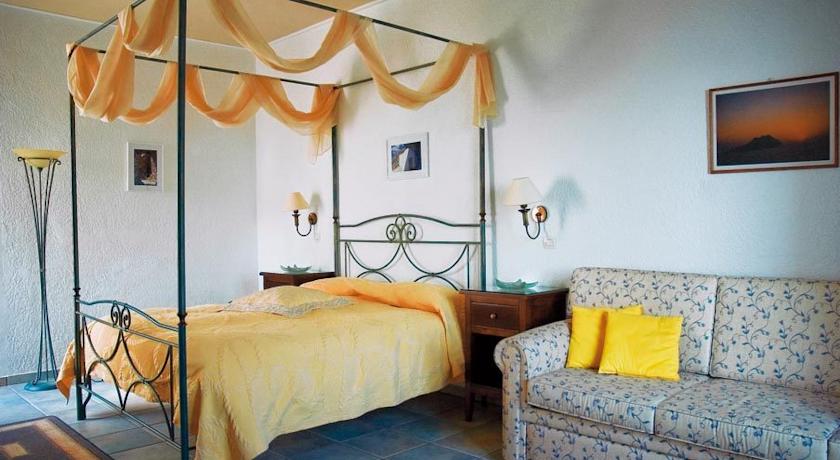
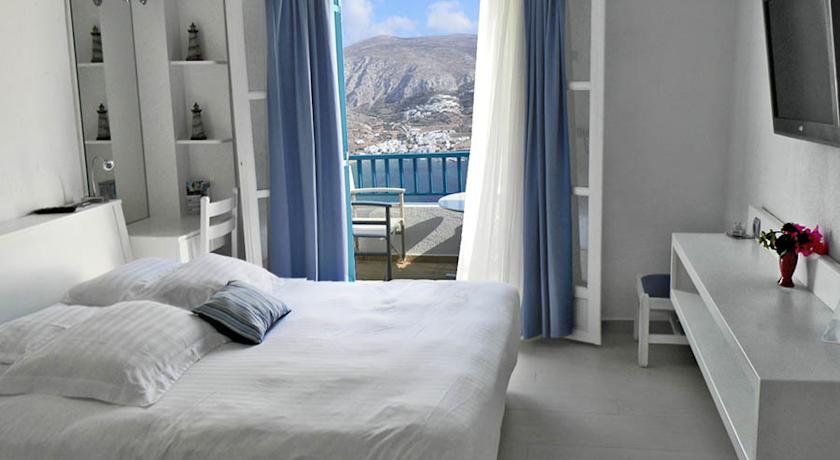
This luxury hotel is situated on the hill above the village of Egiali and is within walking distance of the beach of Egiali itself and the naturist beach Levressos. The view is magnificent, overlooking the Bay of Egiali, the sea and surrounding islands. The port is situated 1 km away and there is a bus stop in front of the hotel. The hotel has a large swimming pool and a fitness space, restaurant, pool bar and a spa and beauty center. You can choose from different types of rooms and suites. Check availablilities and prices & book the Aegialis Hotel on Amorgos - click here. |
| Amorgos Hotels - Hotel Villa Katapoliani 1 - Amorgos, Katapola |
 |
 |
 |
 |
 |
|
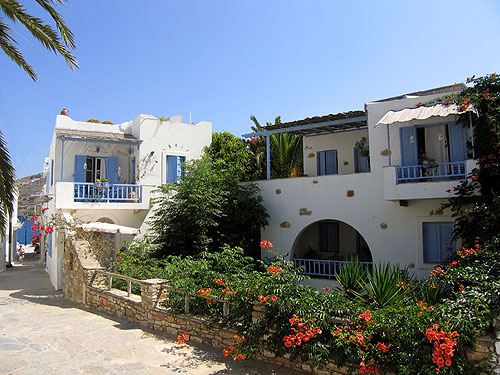
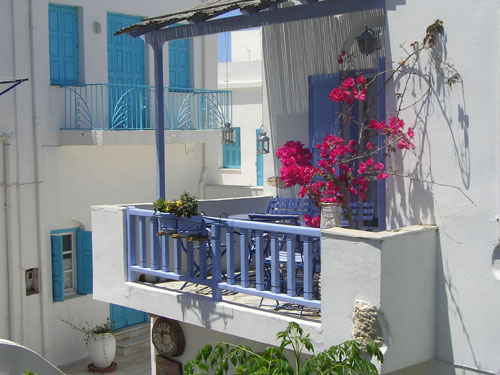
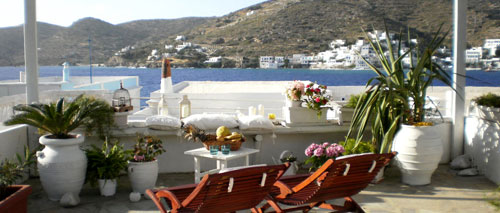
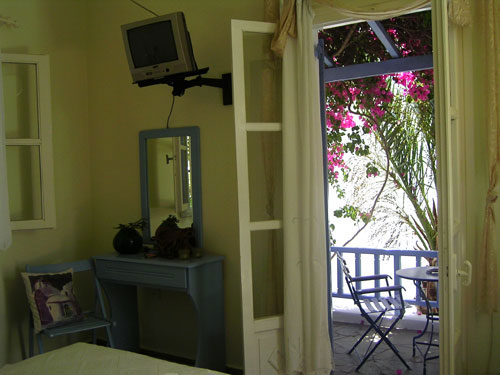
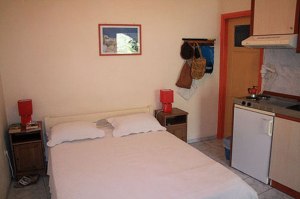
Villa Katapoliani 1 is situated in the heart of Katapola, just 50 metres from the port and at a distance of only 150 metres from the beautiful beach Kato Akrotiri. The Cycladic style Villa Katapoliani 1 offers traditionally furnished en suite rooms and studios with private balcony with garden view. All accommodations are equipped with hairdryer, refrigerator, TV and air conditioning and some of them have kitchen with utensils. Maid service is also available. Villa Katapoliani 1 also comprises of a relaxing roof garden with beautiful view to the port of the settlement of Katapola. Guests enjoy free transfer to and from the port of Katapola. Check availabilities and prices & book the Hotel Villa Katapoliani 1 - click here. |
| Amorgos Hotels - Hotel Villa Katapoliani 2 - Amorgos, Katapola |
 |
 |
 |
 |
 |
|
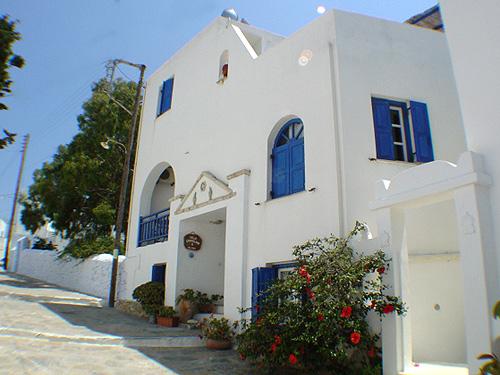
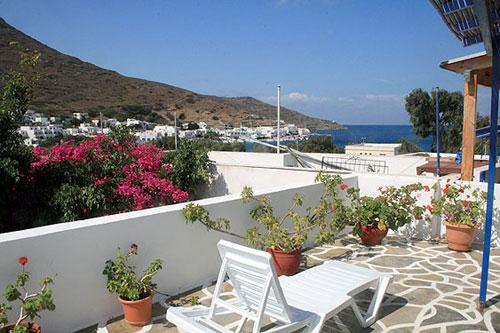
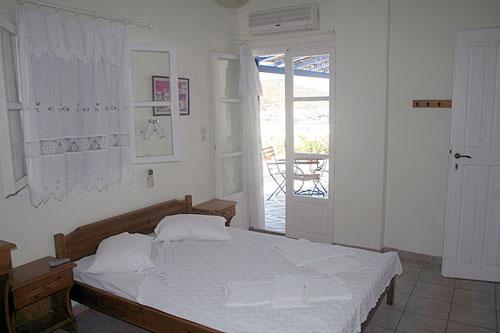
Villa Katapoliani 2 with its 5 rooms is set in a quiet spot, yet just 200 metres from the port and the centre of Katapola, and 300 metres from the beach. Villa Katapoliani 2 comprises of tastefully decorated rooms with private balcony with views of the sea and the port. All the units consist of private bathroom with hairdryer, refrigerator, TV and air conditioning. Several units also have a fully equipped kitchen. Guests enjoy free transport to/from the port. Villa Katapoliani also features a garden. Maid service will be at your disposal as well. Check availabilities and prices & book het Hotel Villa Katapoliani 2 - click here. |
| Amorgos Hotels - Michail Studios - Amorgos Chora |
 |
 |
 |
 |
 |
|
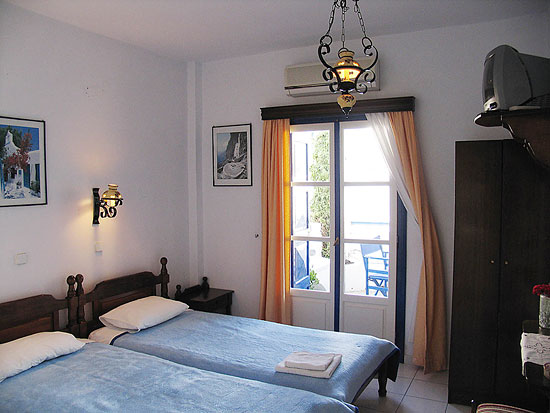
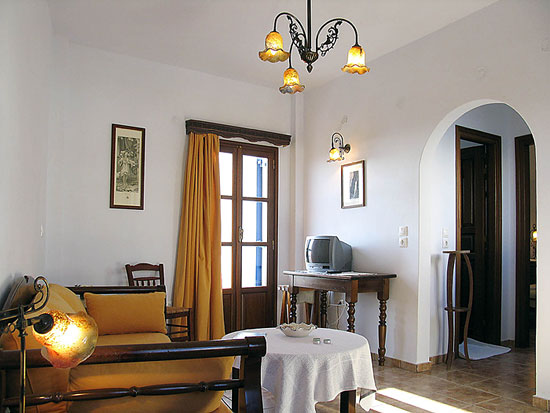
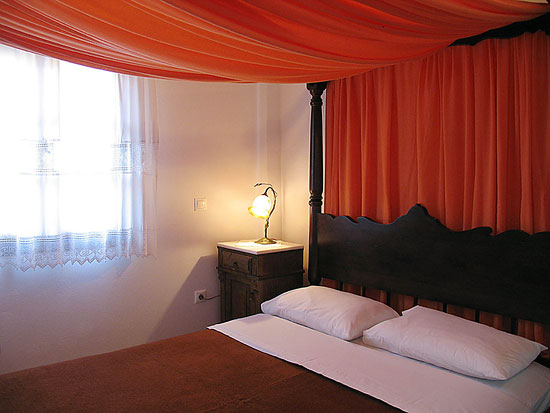
You will find our rooms in Chora, the snow-white capital of the island with the windmills, the imposing castle, the numerous churches, the picturesque paved narrow streets. You will stay into a newly-built house of traditional architecture which includes studios and twin-bed rooms. All, without exception, have bathroom, kitchenette, tv, veranda and are decorated with good taste. Some of them also have airconditioning. Tel: +30-22850-71111 Mobile : +30-6974-294843 - Send an e-mail to Michail Studios in Amorgos. FOR ALL HOTELS, APARTMENTS AND STUDIOS ON AMORGOS - CLICK HERE. |
© Hans Huisman, Henrik Jorgenson https://www.angelfire.com/super2/greece/ 2014