        |
|
|
|
Post War Iraq: |
|
|
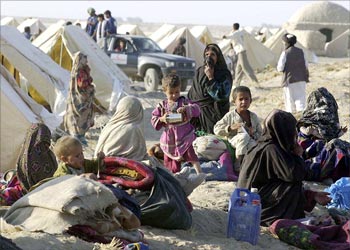
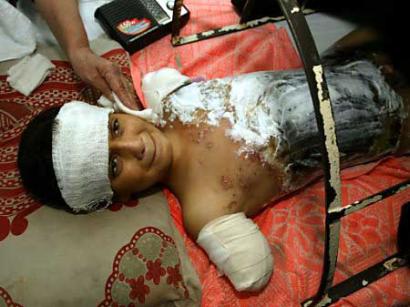
Humanitarian consequences of conflict continue to be felt long after the images of war have faded from our minds. In Iraq today, millions of people continue to suffer from the effects of conflict, food shortage, insecurity, water shortage and deprivation of many kinds. In the days following the War there were increasingly serious humanitarian situation in Baghdad. Hospitals were overwhelmed with casualties. The health facility had become non-existent. Hospitals in Iraq had been extensively looted and were overwhelmed by the demand for basic health services. Electricity was mostly out of order. Some parts of the city no longer had piped water. Most hospitals were using back-up generators and stocks of additional water. Violent looting in Baghdad followed the fall of the regime with complete breakdown of law and order. Hospitals, museums, libraries, government buildings, offices and houses were looted and individuals attacked, robbed and in some cases raped. Vivid images of robbery, shop-lifting, ransacking made it to the screens of the international media but failed to reach our consciousness. ICRC was temporarily unable to pursue their emergency assistance mission in Baghdad due to the lack of law and order. Similar scenes of outright looting were reported in Basra, Umm Qasr and elsewhere in Iraq. Ironically, most of the lootings occurred right under the nose of the Coalition troops who refused to intervene and restore law and order. Security incidents and ongoing instability continue to hamper relief efforts. With the disruption and destruction caused by the war, the country's infrastructure has been further degraded. Basic services such as sanitation and electricity remain in short supply, causing hardship and increasing the risk of an outbreak of cholera and other diseases. In Baghdad, up to 50% of the water supply has been lost as a result of damage to the water network. 800,000 litres of drinkable water are being distributed in the capital on a daily basis by UNICEF. |
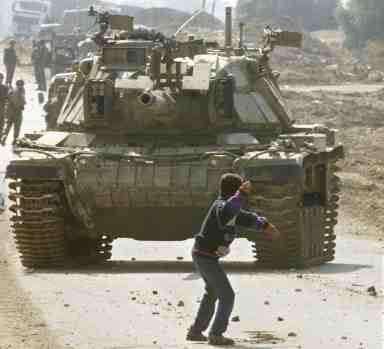
Iraq has access to vast wealth in the form of oil reserves to fund reconstruction. Financial resources alone are, of course, not sufficient. The way in which the financial resources are translated into actions and programs will be the key to the outcome of recovery efforts. Successful reconstruction will necessitate building the capacity of local institutions and systems, facilitating good governance and assistance in the key areas of basic needs and livelihood support. The process must be managed carefully in order to balance the understandable desire to achieve early results with the capacity of any new administration system to act in a productive and accountable manner. The major reform and reconstruction requires the authority of a legitimate government authority. Unfortunately, the present form of administration put forward by the US led occupying forces is only a set of puppets under the strings of Washington constituting some Iraqi exiles and US lobbyers relatively unknown and mistrusted by the Iraqi people. The UN has a vital role to play in helping the Iraqi people to establish a broad-based and fully representative Iraqi Interim Authority as soon as possible. The establishment of a legitimate government is essential for the engagement of the World Bank, IMF and the international community to provide support to Iraq. Without the full involvement of the UN, rehabilitation and reform will not be effective. Iraq is a naturally wealthy country with considerable oil resources, educated people, strong institutions, rich and ancient culture and a proud history. It should be a prosperous country. The atmosphere in the wider region is currently tense, confused, uncertain and angry at the current US occupation that many see analogous to Israeli occupation in Palestinian land. Conflict has caused economic decline in the region. Political stability, good governance in the hands of Iraqis themselves, economic development and independent sovereignty in Iraq will benefit its people and the wider Arab region.
|
| ©2003 CRY JUSTICE Email Us | Home • Contents • Picture Gallery • News and Events • Feedback |