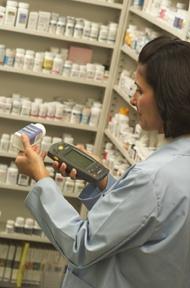
Buying prescription drugs onlineMillions of consumers are using the Internet to get health information. And thousands of web sites are offering health information. Some of those sites are reliable and up-to-date; some are not. How can you tell the good from the bad? Some websites that sell medicine can be not state-licensed pharmacies or aren't pharmacies at all; or may give a diagnosis that is not correct and sell medicine that is not right for you or your condition; or won't protect your personal information. Make sure the site requires a prescription and has a pharmacist available for questions.
Weighing the risks, making the choiceThe benefits of medicines are the helpful effects you get when you use them, such as lowering blood pressure, curing infection or relieving pain. The risks of medicines are the chances that something unwanted or unexpected could happen to you when you use them. Risks could be less serious things, such as an upset stomach, or more serious things, such as liver damage. There are several types of risks from medicine use: a) The possibility of a harmful interaction between the medicine and a food, beverage, dietary supplement (including vitamins and herbals), or another medicine. Combinations of any of these products could increase the chance that there may be interactions. b) The chance that the medicine may not work as expected. c) The possibility that the medicine may cause additional problems. The benefit and risk decision is sometimes difficult to make. The best choice depends on your particular situation. You must decide what risks you can and will accept in order to get the benefits you want. In many situations, the expert advice of your doctor, pharmacist, or other health care professionals can help you make the decision. To lower the risks and obtain the full benefits of medicines you need a)talk with your doctor, pharmacist, or other health care professionals; b)know your medicines--prescription and over-the-counter; c)read the label and follow directions; d)avoid interactions; e)monitor your medicines' effects--and the effects of other products that you use Important things is tell to your doctor about any allergies or sensitivities that you may have. Tell about anything that could affect your ability to take medicines, such as difficulty swallowing or remembering to take them. You have to always tell your doctor if you are or might become pregnant, or if you are nursing a baby. Always ask questions about any concerns or thoughts that you may have. Before use a medicine make sure you understand the directions; ask your doctor if you have questions or concerns. Always double check that you have the right medicine. Ask your doctor always if there are interactions with any other medicines or dietary supplements (including vitamins or herbal supplements), beverages, or foods. Use the same pharmacy for all of your medicine needs, whenever possible. Before starting any new medicine or dietary supplement (including vitamins or herbal supplements), ask your doctor again if there are possible interactions with what you are currently using. You have to know what to do if you experience side effects and when to notify your doctor, and know when you should notice an improvement and when to report back.
Drug interactionsThere are more opportunities today than ever before to learn about your health and to take better care of yourself. It is also more important than ever to know about the medicines you take. Drug interactions may make your drug less effective, cause unexpected side effects, or increase the action of a particular drug. Some drug interactions can even be harmful to you. Reading the label every time you use a nonprescription or prescription drug and taking the time to learn about drug interactions may be critical to your health. You can reduce the risk of potentially harmful drug interactions and side effects with a little bit of knowledge and common sense. Early in a drug's development, companies conduct research to detect or predict potential interactions between drugs. Experts evaluate the drug-interaction studies as part of assessing a drug's safety. A drug may affect these enzymes by inhibiting them, which causes reduced activity of the enzyme and a buildup of the drug in the body. Or drugs may "induce" the enzymes, which causes increased activity of the enzyme and a reduction of the drug in the body. Researchers say there are several important variables that affect individual differences in how drugs are metabolized, including race, gender, age, and health conditions. For example, people with kidney or liver disease don't eliminate drugs from their system as well as people who are healthy. Very young children and older people have slower drug metabolism than others, and women may metabolize drugs differently than men in some cases. Health professionals also use computer systems with drug-interaction screening software, electronic prescribing, and other technology. Mark Langdorf, M.D., chair of the department of emergency medicine at the University of California, Irvine, says, "In a busy emergency room, you have to quickly find out what a patient is taking and how those drugs could interact with other treatments." So rather than asking patients what medications they take, doctors should make the questions specific: "Are you taking any over-the-counter medication? Are you taking any herbal treatments or vitamins?" But it is good way -- consumers remind doctors of everything they take when they are prescribed a new medication. So a patient might say: "Now remember, I'm also taking birth control pills. Is there a risk of interaction with this new medicine?"
|


