|
|
A little bit how to around medicine search
|
|
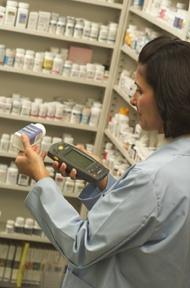
First, it's important to carefully consider the source of information and then to discuss the information you find with your health care professional. These questions and answers can help you determine whether the health information you find on the Internet or receive by e-mail from a Web site is likely to be reliable. Some websites that sell medicine can be not state-licensed pharmacies or aren't pharmacies at all; or may give a diagnosis that is not correct and sell medicine that is not right for you or your condition; or won't protect your personal information. The medicines that sold online can be fake (counterfeit or 'copycat' medicines); can be too strong or too weak, or have dangerous ingredients, or have expired (are out-of-date), or haven't been approved or checked for safety and effectiveness, can be made using non-safe standards, or not safe to use with other medicine or products you use. You have to talk with your doctor and have a physical exam before you get any new medicine for the first time. Use only medicine that has been prescribed by your doctor or another trusted professional. There are more opportunities today than ever before to learn about your health and to take better care of yourself. It is also more important than ever to know about the medicines you take. Reading the label every time you use a nonprescription or prescription drug and taking the time to learn about drug interactions may be critical to your health. You can reduce the risk of potentially harmful drug interactions and side effects with a little bit of knowledge and common sense. Early in a drug's development, companies conduct research to detect or predict potential interactions between drugs. Experts evaluate the drug-interaction studies as part of assessing a drug's safety. Mixing two drugs together could make one of the drugs ineffective. The combination also could increase a drug's effect, and be harmful. The result might be mild symptoms such as nausea, stomach upset, or headache, or more serious symptoms such as a dramatic drop in blood pressure, irregular heart beat, or damage to the liver-the primary way that drugs pass through the human body. The most important enzymes in the liver that metabolize drugs are called the cytochrome P450 family of enzymes. These enzymes break down drugs when they pass through the liver or small intestine. A drug may affect these enzymes by inhibiting them, which causes reduced activity of the enzyme and a buildup of the drug in the body. Or drugs may "induce" the enzymes, which causes increased activity of the enzyme and a reduction of the drug in the body. Not everything that happens in a test tube will become meaningful in humans, though. Results from these test-tube studies can tell us whether need to do further testing in people to find out if an interaction is clinically significant. Three phases of clinical trials in humans must happen before a drug can be marketed. Phase 1 studies focus on a drug's side effects and how the drug is metabolized and eliminated from the body. Phase 2 studies focus on a drug's effectiveness. And Phase 3 studies gather more information on safety and effectiveness, which includes using the drug in combination with other drugs. Over the last several years, there has been a substantial increase in the number of drug-interaction studies the FDA sees in new drug applications. If drug interactions are significant enough, they can prevent a drug from being approved by the FDA. If the agency determines that known drug interactions can be managed and that a drug's benefits outweigh the risks for the intended population, a drug will be approved. Drug-interaction information then goes into the drug's labeling in the sections on "clinical pharmacology," "precautions," "warnings," "contraindications," and "dosage and administration." But it is good way -- consumers remind doctors of everything they take when they are prescribed a new medication. So a patient might say: "Now remember, I'm also taking birth control pills. Is there a risk of interaction with this new medicine?" Drug interactions with food and beverages, for example, taking quinolone antibiotics such as ciprofloxacin with food and drinks such as colas, coffee, and chocolate that contain caffeine may cause excitability and nervousness. There can be a potentially fatal increase in blood pressure if food containing tyramine is eaten when taking monoamine oxidase inhibitors, drugs that treat mood disorders.
Czech plastic surgery - get new look at heart of Europe!
|

|
Information on this web page named A little bit how to around medicine search and related to Online pharmacy, Pharmacy today is provided for informational purposes only and is not a substitute for professional medical advice. You should not use the information on this web site for diagnosing or treating a medical or health condition of Online pharmacy or Pharmacy today. If you have or suspect you have a medical problem, promptly contact your professional healthcare provider. Talk to your doctor, nurse or pharmacist before following any medical regimen to see if it is safe and effective for you. © Copyright 2007 Ireland Insurance Community, Pharmacy today section. |