Dale's Recording Studio
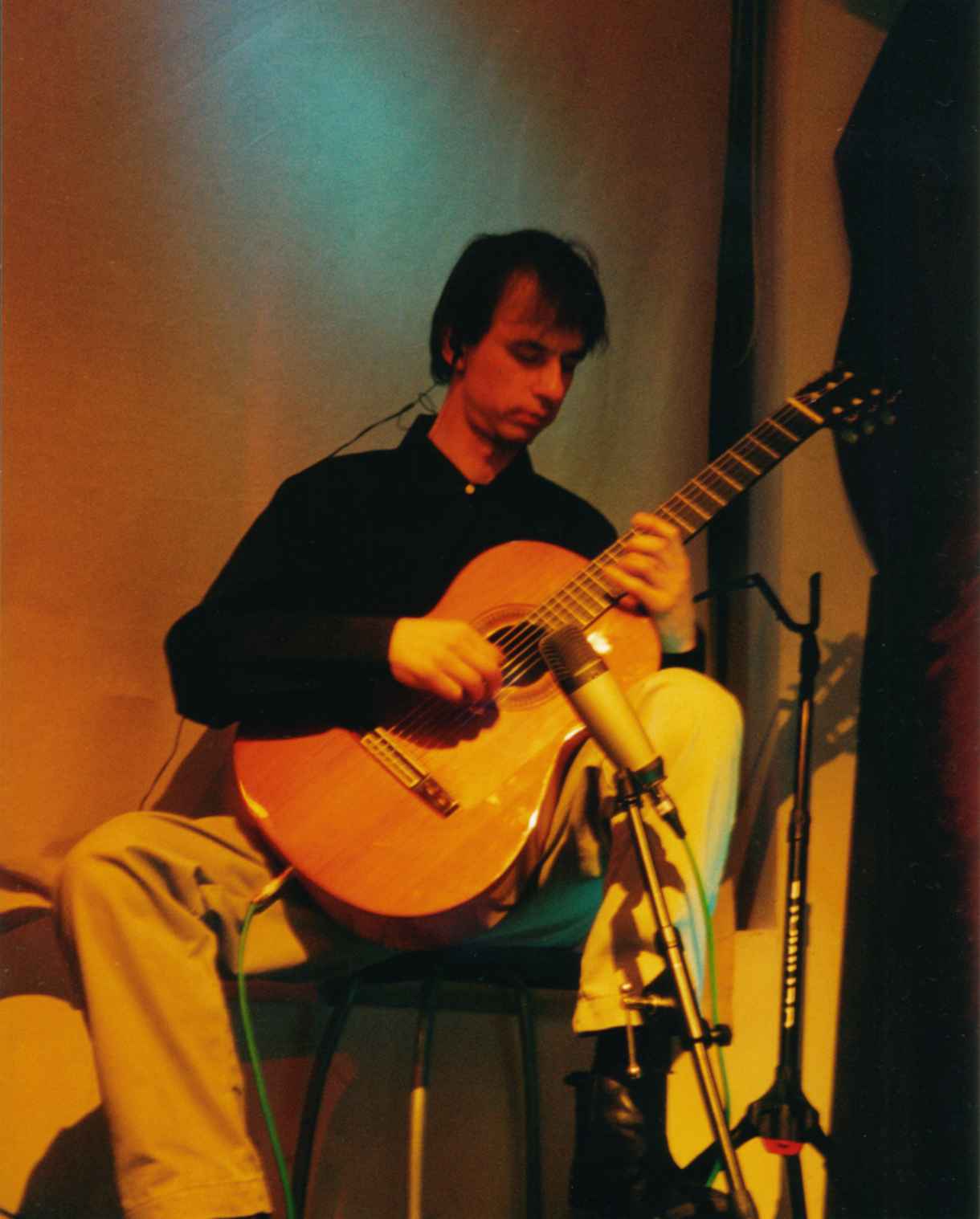
1FD STUDIOS
A private recording studio built by Dale Harris in Hertfordshire, England.
The Construction Process: A story of the building and wiring of F1D Studios by Dale Harris
This is a three bedroom cottage. First, the main studio live room had the bedroom door removed. Fellow Sheppertonian Larry Lucas cut out the wall in order to fit the double-glazed doors. The following decribes the next stages of the studio construction and development process pictorially.
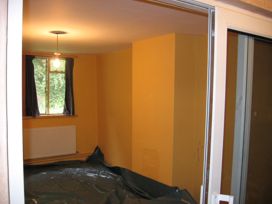
Live Room Pic 1.
The membrane layer
|
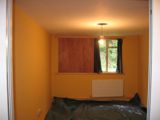
Live Room Pic 2.
Internal shutters fitted
|
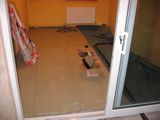
Live Room Pic 3.
Chipboard and cable channel
 |
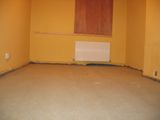
Live Room Pic 4.
2nd layer chipboard
|
|
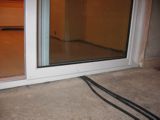
Live Room Pic 5.
Cable running under door
|
Live Room Pic 6.
Pine floor: tongue & groove

|
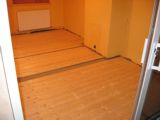
Live Room Pic 7.
Pine floor
|
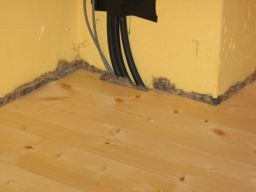
Live Room Pic 8.
Side packed felt 'isolation'
|
|
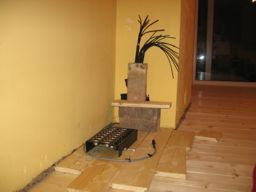
Live Room Pic 9.
Cable to studio box
|
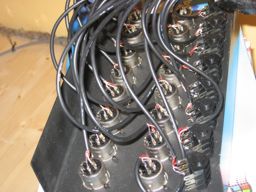
Live Room Pic 10.
Box: 16 XLR / 8 TRS Line
|
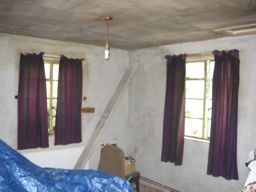
Control Room Pic 11.
Washed walls for painting
|
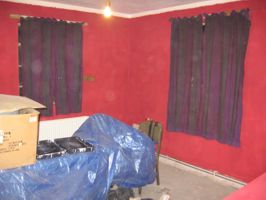
Control Room Pic 12.
Painted walls
|
|
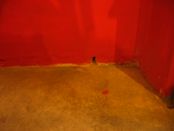
Control Room Pic 13.
Cable run for 2nd live room
|
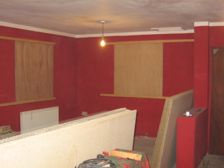
Control Room Pic 14.
Internal shutters fitted
|
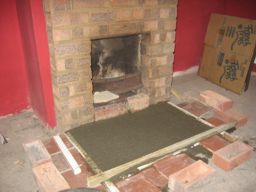
Control Room Pic 15.
Raise fireplace height
|
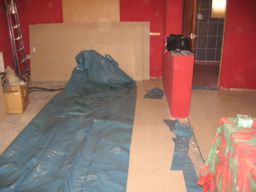
Control Room Pic 16.
Membrane layed
|
|
Control Room Pic 17.
Chipboard & cable channel

|
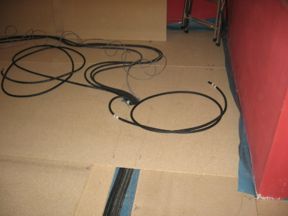
Control Room Pic 18.
2nd layer chipboard started
|
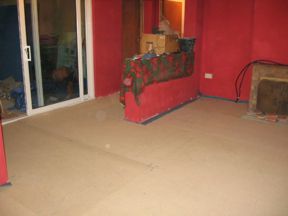
Control Room Pic 19.
2nd layer chipboard
|
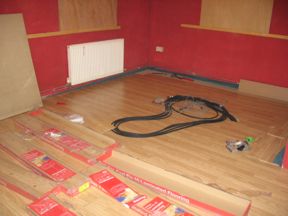
Control Room Pic 20.
Pine laminate floor
|
|
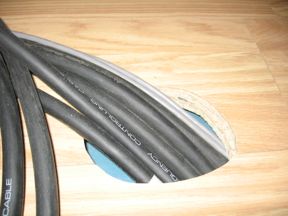
Control Room Pic 21.
Cables fed through floor
|
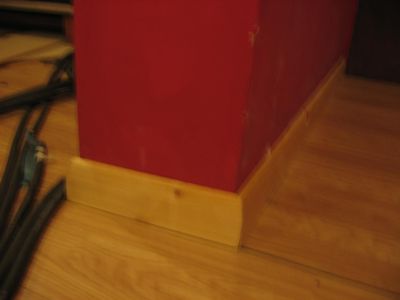
Control Room Pic22.
Skirting board fitted
|
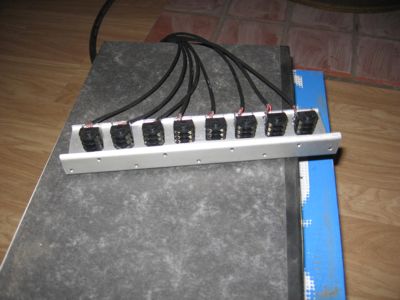
Control room Pic 23.
Keyboard 8 TRS lines
|
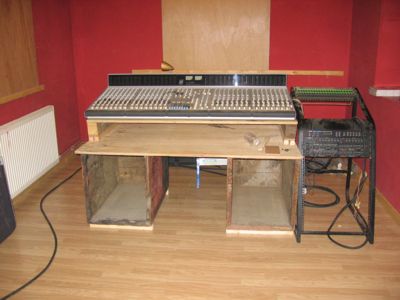
Control Room Pic 24.
Mixing desk installed
|
|
Control Room Pic 25.
Patchbay installed

|
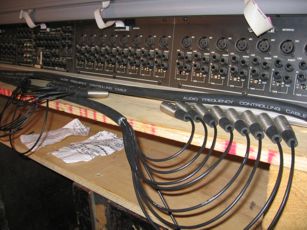
Control Room Pic 26.
Live room XLR's soldered
|
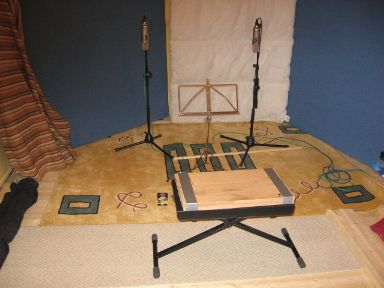
Live Room Pic 27.
Microphones set up
|
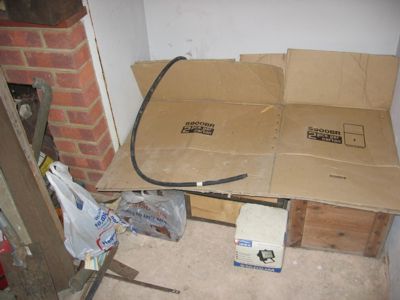
Second live room pic 28.
Cable installed
|
At The Post-building Stage
Since the studio live-room was finished, I recorded all of my third CD Reverie On A Hill there, plus some items for future classical guitar solo CD projects. I found that the live room was perhaps too lively for my solo guitar work. Thus, as you can see in the pictures, I installed a few moveable soundboards near the walls and placed a rug to cut down any unwanted reflections.
Moreover, I always shield and consequently dampen off the radiator as I find it reflects the high end frequencies which upset the frequency balance of the microphones.
On the whole, considering this was my first attempt at building a studio, I can say that the results are extremely pleasing. That said, don't under-estimate the time spent in preparation: e.g., sourcing materials and tools, asking others for advice (expect a variety of opinions as well). It's also wirth talking to other studio owner-builders. The producer Pat Collier gave some invaluable hints regarding aspects of the building process in addition to sound-related matters.
Guitar prices start at around 40-50GBP for a classical, 60-100 for steel-string acoustic and electric instruments.
More advanced students should look at Epiphone or Dean guitars, and Fender Squire models such as Stratocasters, Telecasters. Gibson Les Paul copies have a good thick and sustaining sound although they tend to be heavy and perhaps less-versatile, forget guitars will silly shapes (e.g. 'flying v') as finding suitable cases that will fit is a headache and cumbersome.
End Results
On the whole, considering this was my first attempt at building a studio, I can say that the results are extremely pleasing. That said, don't under-estimate the time spent in preparation: e.g., sourcing materials and tools, asking others for advice (expect a variety of opinions as well). It's also wirth talking to other studio owner-builders. The producer Pat Collier gave some invaluable hints regarding aspects of the building process in addition to sound-related matters.
How (Not) To Injure Yourself?
Most of the chipboard wood was cut using a circular saw, a rather dangerous but neccesary tool.
As long as you think about what you are about to do, and let the saw do the work (and don't ever force it) then I don't see why anyone cannot do this.The same can be said for drilling. I had one accident when drilling the holes into the concrete for the cable runs. I found that the drill can suddently grip the surface and the handle turns instead to the drill-bit. My hand was smashed into the ground, momentarily crushing my middle finger! Luckily it was only bruised but that action could have meant a broken finger or two so I would advise more caution when your fingers or hands are in the firing line.
Inviting Other Musicians: Problems
The depth of the chipboard was a crucial factor as the other rooms in the house all need to be met at the same height.
It is best to avoid there being any steps to trip-up over for dreaded health and safety reasons.
You don't want to invite Eric Clapton over for a jam only for him to trip-up on his way to the bathroom and break his neck now do you?!
Dale Harris, this article was written in January 2009


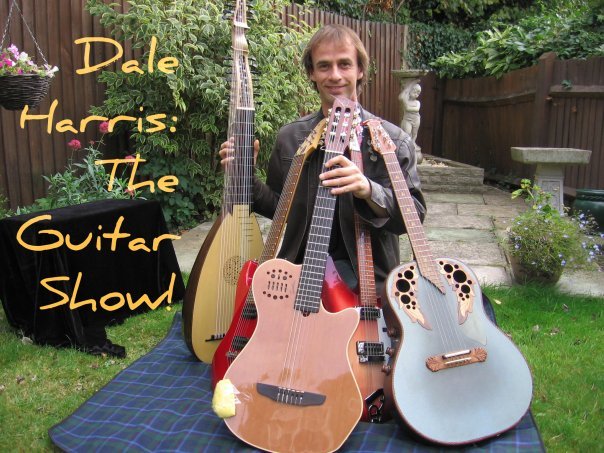 Some of the instruments played by Dale Harris: (L-R): 24-string lute, wide-neck electric, Rickenbacker 360/12 string (back)
Electric Midi-Classical(front), Ovation Adamas.
Some of the instruments played by Dale Harris: (L-R): 24-string lute, wide-neck electric, Rickenbacker 360/12 string (back)
Electric Midi-Classical(front), Ovation Adamas.