
 The Freshman 15 The Freshman 15
|
|
|
|
Who Cares?
Although some weight gain is normal as an adolescent body grows and its metabolism shifts, the kind of weight gain associated with the Freshman 15 accumulates too fast and pronounced, thus causing health problems. When one weighs above the body's normal range, one increases the likelihood of high blood pressure, high cholesterol, breathlessness, and joint problems. Even more, since it is harder to lose weight once it amasses, overweight young people unquestionably have an increased chance of remaining overweight as adults unless they make a serious change in their lifestyle. 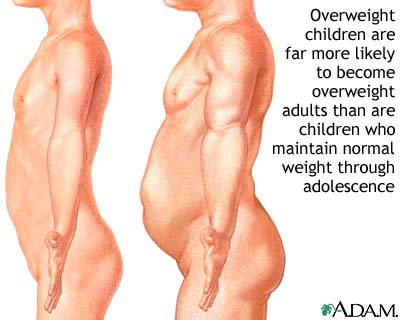
Not so great, eh? "Poor diet and exercise habits in college can start you on a path that could later lead to heart disease, type 2 diabetes, or obesity, and may increase your risk for developing certain cancers" (Beating the Freshman 15). Heart disease seizes the spot of number one killer in America, yet it can be eliminated by controlling three factors: cholesterol, smoking, and blood pressure. Every one percent increase in cholesterol leads to about a two percent increase in risk. Furthermore, stroke is caused by the same factors as heart disease. Stroke occurs when part of the brain is killed, leading to paralysis, loss of sensory function, and often death. To make matters even graver, more than 20 million Americans have diabetes, a condition that greatly elevates the risk of heart problems and other complications. Type 2 diabetes develops in people due to their unhealthy food choices. College students possess no invincibility to diabetes during their school years or in the near future if they eat carelessly. According to the National Cancer Institute, about eighty percent of cancer cases can be prevented, thirty percent of which are due to tobacco but more surprisingly at least thirty-five percent to sixty percent of which are due to dietary factors (Physicians Committee for Responsible Medicine). The statistics may sound hopeless, but they actually reveal a very positive perspective: people can largely prevent what diseases may come by changing what they eat and by choosing not to smoke. Thus, tragedies cannot all be blamed on genetics; our choices serve as the ultimate grim reapers or saviors of our health. Dietary fiber found in whole grain cereals and legumes helps prevent cancer of the colon, rectum, and breasts. Vitamins found in a variety of vegetables and fruits have shown anticancer activity in regards to the bladder, stomach, mouth, larynx, esophagus, pancreas, and cervix. Choosing to incorporate more of these whole plant foods and less processed or animal-based foods increases the likelihood of good health in a long life, which matters much more than the Freshman 15’s advocacy for thinness in youth. By granting the Freshman 15 validity, college students risk their personal health in the present and create bad habits for the future, which are always harder to undo once they have started. Just as the academics of college serve as the foundation of beginning one's adult life and career, the eating and exercise habits of college serve as the foundation of health for the rest of one's life. How people treat their bodies in their youth influences what condition their bodies and minds will be in as they grow older, and no one likely looks forward to suffering the aforementioned ailments caused by his or her unhealthy decisions. Instead, by focusing on eating the nutrients our bodies need to function well and exercising to make our bodies feel better, students can fight the Freshman 15 stigma and demonstrate that they are capable of shaping their own lives. 
You can probably guess which represents lean muscle and which represents blubbery fat! |
|
© 2008 Health Synthesis Site Design - DesignCreek |
|
