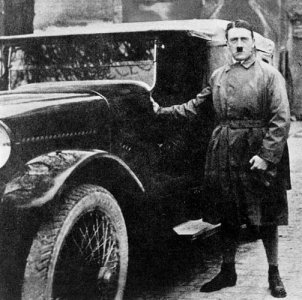
 Adolf Hitler's failed attempt at power in the 1923 Munich Putsch led to his arrest and imprisonment in Landsberg Castle. This "imprisonment" was for a crime of treason, a crime that carried the death penalty but because of the strong nationalist feeling of the revolt, Hitler escaped with just five years incarceration. He would only serve 11 months. For Hitler the experience had great benefits; he was able to recognise that power needed to be achieved by democratic methods and in doing so he dictated his political diary, Mein Kampfto his close friend, Rudolph Hess.
Hitler's first book would set out his political goals and thoughts as well narrate his early life. Historians argue whether or not this would be the Nazi manifesto and a course of action for the future.
|
The time spent did however allow Hitler time to realise that he needed to "use democracy to destroy democracy" - the Nazis would have to win the German elections to obtain power.
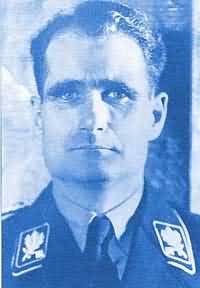 On his release from prison on the 20th December 1924, Hitler faced a Nazi party in ruin. Without his leadership, the momentum from the Munich Putsch had not been capitalised upon. Hitler now became a full time leader to his party, even designing many of the logos and symbols. However the party was still in its infancy and unable to make key breaks in the elections.
German History [Continue]
|


