Famous Kids Instructors Videos Ju-Jitsu Kai Competition Self Defense
American Self - Defense
Ju-Jitsu Kai
(Founder Ph.D. Leslie J. King)
History of Ju-Jitsu
Tracing the origin of Ju-Jitsu is rather complicated, and is one of the only set backs of Ju-Jitsu. A large number of Martial Arts appeared in America in the early 20th century that were designed and structured for commercial purposes. Ju-Jitsu on the other hand is documented as far back as 2,500 years ago. The legends tell of monks and priest traveling throughout the Asian countries developing skills of defense, healing and other arts. Ju-Jitsu evolved from many different geographical regions at one time or another, self-defense techniques found their way to Japan, where they were incorporated into Ju-Jitsu training. The Japanese Samurai was a very skilled practitioner of Ju-Jitsu weaponry as well as hand to hand combat. The only means of survival for the common man was his knowledge of open hand techniques. Not permitted to carry weapons, the commoner would face enemies bare handed, with a farm tool or some other modified weapon.
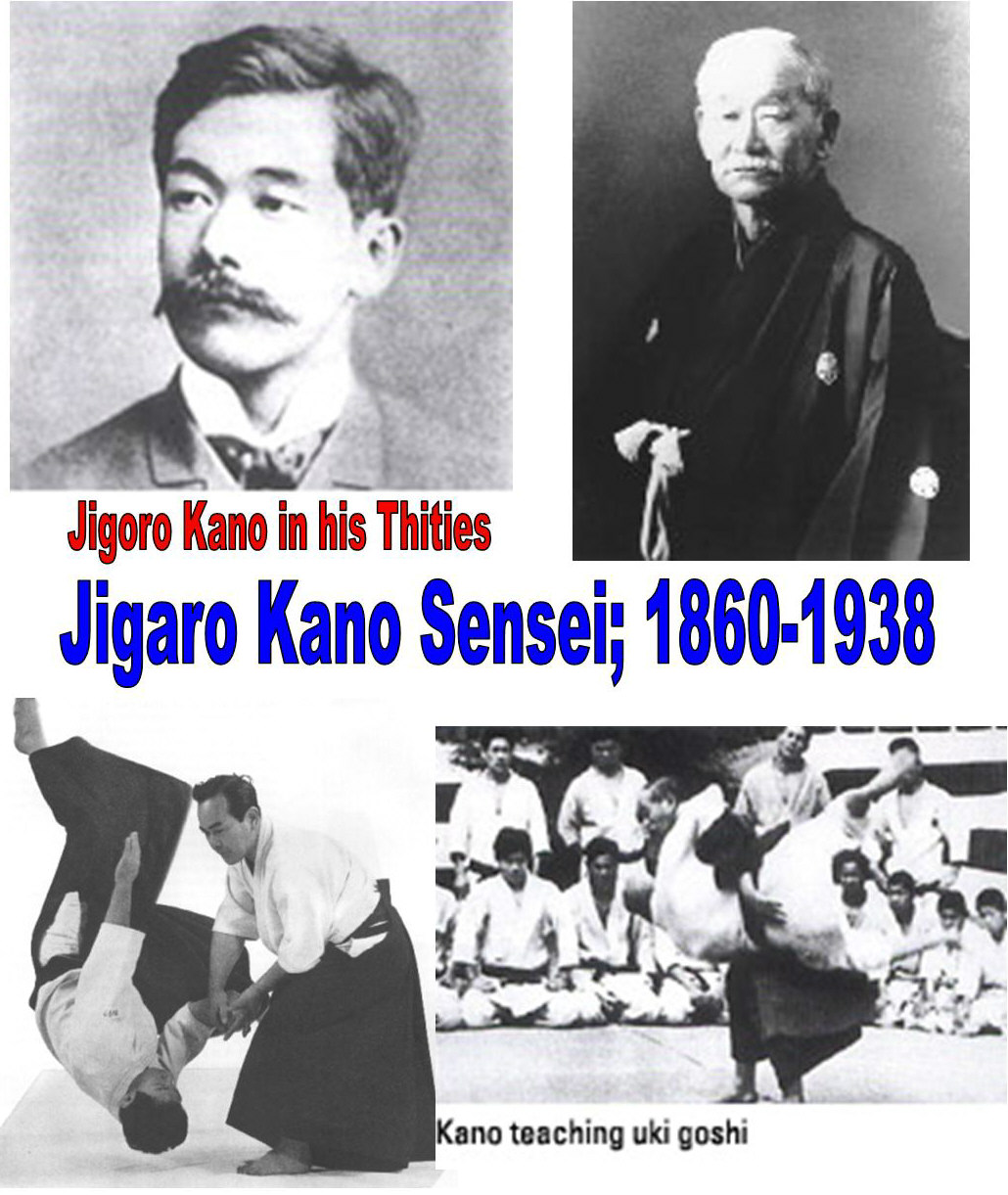
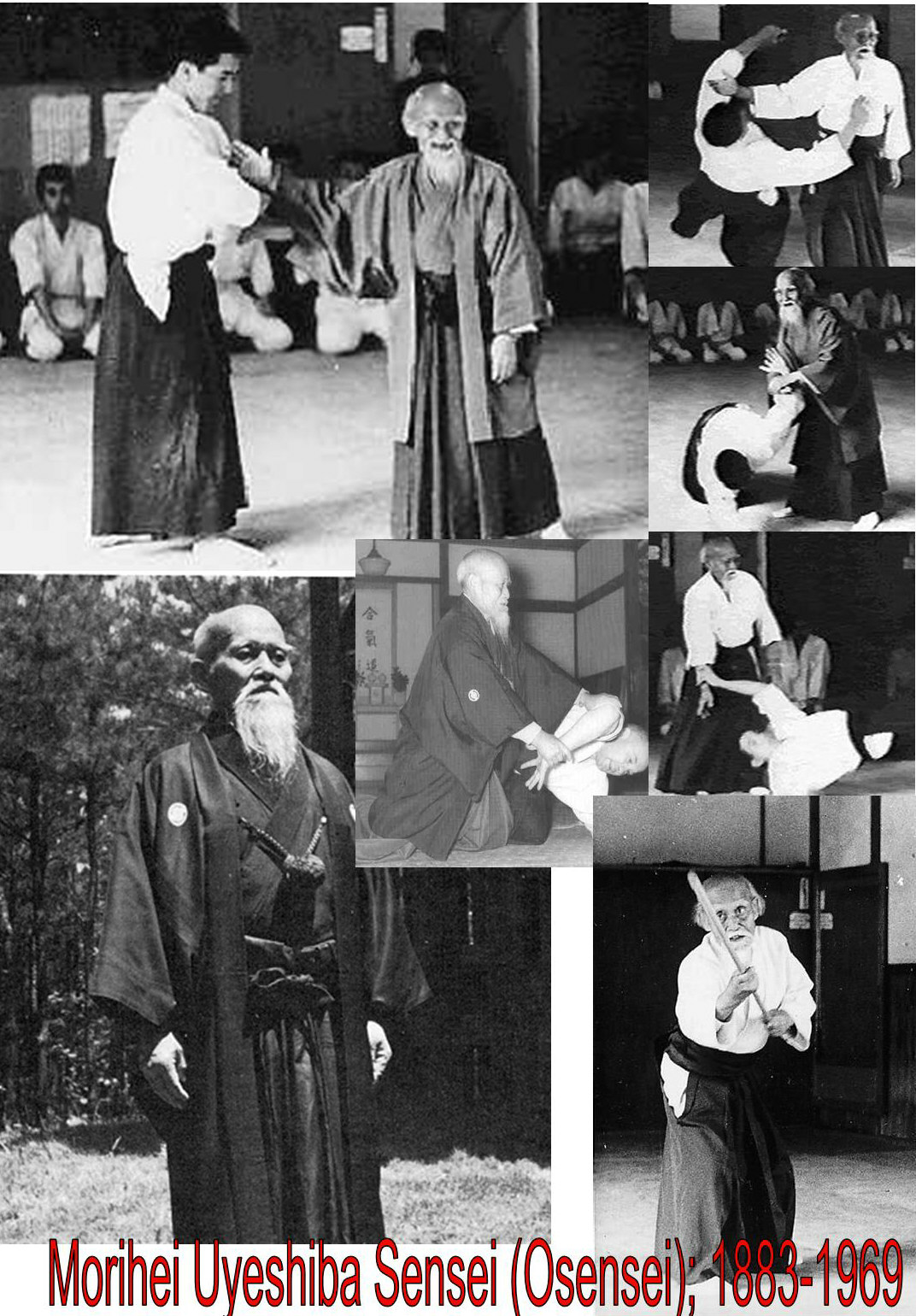
The man given credit in documents for first teaching Ju-Jitsu formally is Hisamori Tenenuchi, which occurred in 1532. At that time, no belt ranks existed, from they appeared only late in the 19th century in self-defense training in order to promote martial arts. Many different styles of self-defense were formed from Ju-Jitsu in order to simplify teaching the complexities of self-defense. In 1882 Jigaro Kano took the safe throwing and grappling methods of Ju-Jitsu to form the sport of Judo, which is now an Olympic sport. Morihei Uyeshiba a Ju-Jitsu master, formed Aikido from the basic concepts that make up Ju-Jitsu.
Ju-Jitsu today is commonly practiced and used by law enforcement officers and the armed services, and is being taught in countries all over the world.
Philosophy
Ju-Jitsu is derived from the Japanese word "Ju" which means gentle or yielding, and from "Jitsu" meaning art. The gentle art of self-defense means that instead of meeting force head on. Rather search for a less violent or conflicting method in resolving the problem. This applies to mental as well as physical conflicts.
When force is used, physically or mentally, the expected response is opposing force. The party exerting the greatest amount of force usually prevails. Variables governing force include age, speed, numbers, size and mental capacity. If a individual allows these variables of self-defense to influence an event, the variables will dominate the situation and more strongly influence the outcome. Ju-Jitsu theories reduce the influence of all variables, which ore complexly tangle within the ever changing threat of crime and violence.
Ju-Jitsu conceptually uses the attackers aggression against himself. If an individual has little intent to cause harm the he is likely to receive little or no injury. By the same token an individual wanting to cause serious injury will very likely receive serious injury unfortunately it is sometimes necessary to resort to physical means to avoid injury to oneself and to loved ones.
The true power of the Ju-Jitsu practitioners is not his ability to destroy life, but the power to preserve life. Taking life is no display of skill, rather that of ignorance. Ju-Jitsuans spend time learning to heal as well as destroy. To take life or well being from an individual is shameful and should be avoided.
American Ju-Jitsu Society
To allow the talents and growth of American Ju-Jitsu the doctrine is based on democracy and the great American Constitution. The active members of the club will have an opportunity to help govern and influence the destiny of American Ju-Jitsu.
The Elders in active status will meet and vote equally on issues and concerns present within the American Ju-Jitsu organization. Members not wanting to attend meeting will live by the American Ju-Jitsu society resolutions.