
|
Though almost completely non-existant in the masses of 'humdrum' colloquy, the modern phrase intuitively describes an underground film following which by far exceeds the common grounds of conventional standards and consuetudes. The actual word "animé" (-- Ah-nee-may --), or so it's often referred to by the plethora of adherents describes an incredibly popular but at the same time almost clandestine medium; which in turn seems to have discovered it's recent home under the wing of home video distribution (For which it carefully and quietly lulls in). To put it more bluntly, the word was originally derived from the "French" term meaning "animation; and has found it's position being utilized as the fans' new phrase for the Japanese animation medium. Which up until recently had maintained a calm reputation in the U.S. as a near-conventicle and almost non-existent film industry that it is outside the video realm. If one were to put it even more accurately, they'd discover that that's not the case here at all. While not a veteran-medium in the slightest, it's maintained a considerable amount of compatibility here in the United States as well as Japan during it's illustrious 40 years. Slowly but surely 'Japanimation' has molded it's incredible popularity into the renowned and respected animation medium that it is; who's origins exist within the realms of Japanese mysticism, cultural habitudes and modern social comportment. Some of which most any ardent fan could tell you: where lies the countenance for creating the art? That alone has always remained the popular question lurking within the minds of those who watch and those just rudimentary in their knowledge of the art form:
Origins:
The near-abstruse aspects found in anime are generally rampant and meticulous in their symbols and exploitation. They are often almost never recognized by default, rather they clearly exist within the apt world of a historical template of standards, as well as visual practices within the actual art of Japanese animation and comic books; "manga" or so it's called in the Japanese language by a rough translation. The actual word originates back to the late 1700s through early 1800s, in which a comic artist known as "Hokusai" lived and produced his 40,000 some odd works of comic and visual arts. The term quantum "ga" referring to the intuitive form meaning "picture". The world of comics is heavily engaged into the histories of wartime as well as the government amid the first and second world wars. Several cartoonists' works included such heavy 'Euro-influences' and the illustrious propaganda stunts discovered in most war history books such as "TR's" (""Speak softly and carry a big stick.""); was once heavily exploited in newspapers and comic sections throughout the world. Being a country engulfed in a history of self-diligence, tradition and spiritual practices, the 'modus operandi' of Japan throughout it's history from the "Yamato" era, to "Meiji" and "Imperial" Japan had often been one of outside struggles with other world powers. Zen Buddism was introduced to Japan in the year 1191, and throughout the country's earlier history heavy Shinto/Buddism beliefs had been coercing their way into the Japanese culture by the Chinese amid the Heian and Kamakuru eras. Japan has always been one of participation during the struggles of political and social dominance. Since WWII it has had relations with the Soviet Union and China; also developing the process of the country's economic and technological growth. The country has always been one engulfed with the growth of social order and technological erudition of booming ideas in the 70s and 80s. All of these factors and much more can often be witnessed within the Japanese Animation industry, both cultural and outside influences have fueled the medium into unique and prevalent ideas with artistic expression; observed with characters and ideas.
Perhaps anime's largest individual influence is the late "Tezuka Ozamu", who after the periods of WWII created one of the early popular mangas in Japan called: "Shintakakarajima" or "New Treasure Island". He would later go on to produce the classic animated series "Tetsuwan Atom" (Aka: "Astro Boy), based upon his popular 1950s manga strip. "Shounen Magazine", which became known as the first official comic publication in Japan made it's debut in 1959. The manga industry would then begin a huge boom during the 1960s. The animation studio "Toei" was founded in the year 1956. The studio's first feature "The Tale Of The White Serpent" would go on to influence a series of new 1960s television shows and films. Some of the earlier series included such classics as "Gigantor", "Kimba: The White Lion" as well as "Battle Of The Planets" and the hugely successful "Speed Racer". Which proned a series of classic romps and new standards within the medium. The anime convention of "large eyes" for example was popularized by Ozamu as well as a series of 60s anime artists. This served as a definitive example for the mode of expression, a conveyance with several contemporary anime characters displaying emotion and signature feeling. This style of art became popular along with the existing manga series. However, anime never really broke heavy ground in the United States until the arrival of "Macross", known as "Robotech" in the United States was popularized during the early 1980s. "Carl Macek" was the original producer for the American dub of Robotech; it's move to the U.S. had established a series of industrial influences within the medium's involvement with the toy manufacturers. Particularly with "Revel Toys" which established a coherence with the film distribution and the series' exploitation of products and ideas. Other highly influential anime artists include "Shoji Kawamori", renowned for his design on Robotech and several other groundbreaking series. "Katsuhiro Otomo's" 1987 film "Akira" had established a newer standard for breaking the conventions of youth-bounded viewing as well as artwork. The illustrious "Miyazaki" has been a cornerstone artist for years in Japan for his incredible films which speaked wonders for the anime community as well as the commercial standings of the medium as a whole. Macek would later be responsible for helping many other early films to reach the states including "Vampire Hunter D" in 1985: which sprang an entire underground boom of darker anime films for young adults in the early 90s.
Anime remains one of the more arduous mediums to discuss mainly for it's heavily exhaustive structures of cultural aspects, which are so broad in fact that the best way to describe them is simply by the fundamental definition that is "anime". Actually, the easiest way to describe anime is simply by observing the conceit of the medium as a whole. It's something which transcends basic conventionalism into wider and extensive renderings of artistic expression and targeted audiences. Basically, anime is the equivalency of the American film business in the United States, simply by the fundamental definition of the process which begins by obtaining a series of identifiable platitudes and standards which are evident. Meaning, that Japanese animation is a specific type of industry varying in specific genres such as action, comedy and drama; all of which pertain to the specific medium. Each one is unique, but all share similar characteristics which are identifiable by the onlooker. In other words, anime consists of many different types of entertainment all of which are highly unique but different from one another in content and style. For example, the genres of Japanese animation are so broad it's often hard to image that such notions can be conveyed to animated film. In basic form, anime is broken up into two popular categories: these two are "Shounen" and "Shoujo" anime. These two phrases roughy refer to specific types of anime shows, films and mini-series which are targeted at male and female audiences. More specifically, young girls and boys. Shounen animes usually involve a clever protagonist such as a mercenary or samurai (A popular genre in Japan), however it's unique because the cultural boundaries of Japanese and American animation are vastly different in scope as well as presentation.
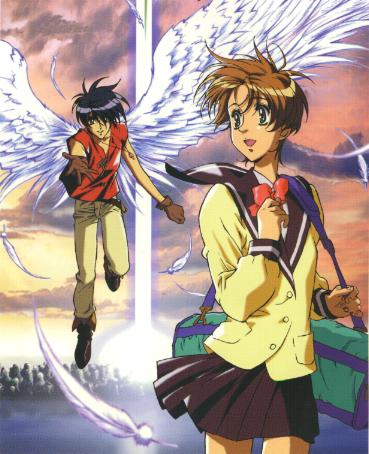
As mentioned, many cultural and historical influences work their way into the aspects of Japanese animation. One of the more pervasive themes in anime involve more spiritual and religious themes, these are mostly derived from ancient "Shinto" and "Buddism" beliefs which involve the presence of spirits or "kami". A word which roughly translates into "gods". The 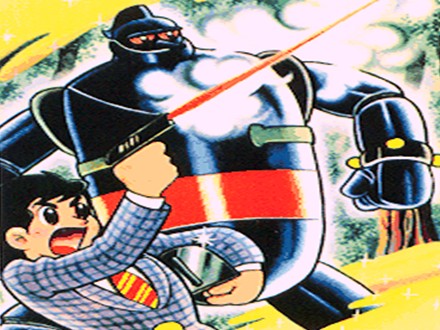 integration as well as exposition of spiritual themes in the form of characters and symbols have remained one of anime's more signature consuetudes of storytelling. Animes like "Neon Genisis Evangelion" and the classic space drama "The Wings Of Honneamise" have been known to convey heavy (Sometimes extreme) cases of Judeo-Christian symbolism and themes. Often non-traditional religious beliefs in Japan such as "Christianity" are heavily expressed in some anime series. The controversial "Evangelion" has been known for expressing various religious overtones to covey a specific background or aspect of the story. Most Japanese animation films, series and OAVs involve the usage of "ethnic gentures" and intuitive physical expressions worked in and out of the setting, physical actions or cultural customs of the environment such as living conditions, shrines or behavioral patterns. Such things like "shrines", "doxology-esque" chants or ethnic courtesy gestures are evident with several anime characters; adult as well as youth. Such themes can turn the tide of the occult in nature, series like "Devil Hunter Yoko", CLAMP's "X" manga and film as well as the bombastic and the often abominable "Urotsukidoji". While religious symbols and themes in anime are prevalent, other genres in anime range anywhere from action, drama, suspense/thriller, cartoonish/childish behavior and humor, adult drama/romance and comedy, occult/horror and even eroticism, homosexuality and lesbianism. While all popular genres utilized in anime, the film medium over history has embraced the themes of science fiction and fantasy. The reality of Japanese animation has been known as the explicit mode of expression in conveying the idea on film. Unlike the censorable "Saturday Morning Cartoons" in America, the Japanese are not afraid of fixations, taboos and/or conventional boundaries. But like American cartoons, Japanese animation follows a relatively basic mode of character conduct and familiar tradition. This is reflected in the Japanese tradition and culture. Often the reality of headstrong children characters and young females have been prevalent in Japanese animation for several decades. Specifically in the mid 1980s when women's role in anime took a turn with the hugely popular "Bubblegum Crisis". Illustrating a larger role of women heroines in Japanese animation. This is often conveyed with the size of the character's "eyes". Women characters in Japanese animation are often rendered to have larger more child-like eyes resembling somber emotion or understanding through expression. Men are usually tough, also sometimes feminine-like with narrower eyes expressing wisdom or reservation. Of course the motives and personalities are often intertwined. Animes like "Rurouni Kenshin" and "Fushigi Yugi" convey male characters with larger, more feminine-like eyes and gestures.
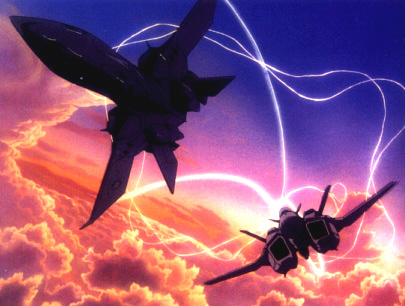
One of the most identifiable and pervasive themes in Japanese animation is the presence of giant "mecha" or robots; a genre which first began with some early series like "Battle Of The Planets" and "Starblazers". The genre first started to take hold with the groundbreaking "Mobile Suit Gundam" and later with the illustrious "Robotech"; which pushed the technological envelope in the concept. Many of the so-called "mecha pilots" are unusual from what you might believe as a  pre-conceived notion of a militaristic nature. Many of these distinctive themes also carry the path of spiritualism in the mold of personage covenant or pact with the type of robot. Animes like "Gunbuster" conveyed the realities of wartime and it's affect on the youth. A young heroine in the story has to uphold the obligation of being a bellwether for the fight against hostile aliens. This is also a definitive example of youth's involvement in the heroic or protagonist theme. It's a position which is heavily pushed upon by the creators and visionaries of the concepts in anime. The reality of the youth in Japan as a wight of equality rather than callow dependents is foremost established with the common factor of exploitation of Japanese television content. In Japan the presence of legal censorship is relatively non-existent in terms of identifiable regulations like "ratings". So it's not uncommon for whole families to view Japanese animation together regardless of prevalent content such as graphic violence or nudity. In Japan, the themes of sexuality and/or aphrodisiac behaviors of characters in shows are not bowdlerized as bluntly uncouth, but rather as an excersise in congener knowledge toward exposition and behavior. It is also not uncommon in anime to display families bathing together like a father and his two daughters or bathing in public facilities. This does not at all mean that an exposition of content reflects that of an individual disregard for decency or responsibility. It is the solemn responsibility of the guardian over the minor to establish proper viewing regulations as pertains to the content of the viewing. There are in fact television standards in Japan which regulate the flow of proper content for children. Case in point when the sleeper hit "Cowboy Bebop" first aired in Japan during 1998, several episodes could not be viewed on Japanese television due to excessive violent content. But due to later demand for the extreme popularity of the show, the remaining episodes were aired later that year. Moreover, all this does not mean that Japan obtains their own ratings for t.v. If an American film would happen to reach it to Japan, the rating still stands as of the film's copyright and release for that country. These factors all explain the often excessive content in Japanese animation.
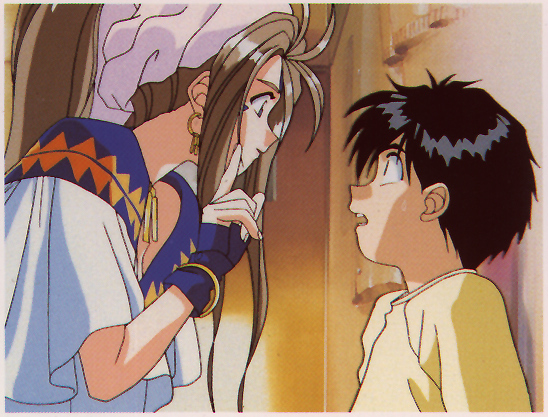
Of course, anime didn't really hit home until the early 90s. When "Otomo's" groundbreaker finally made it to the states. "Akira" represented a new wave of Japanese animation; both pushing the boundaries in quality and content. Making the medium appeal to a wider audience. Animes such as "Mamoru Oshii's" 1995 technological masterpiece "Ghost In The Shell", was one of the very  first anime features to be released world wide. Other manga hits such as "Macross Plus" and "Ninja Scroll" became highly popular with fans. Anime's popularity grew even more with the successful run of "Pokémon", the infamous series in Japan which caused a havoc among Japanese hospitals and the media during December of 97', in which hundreds of Japanese children were rushed to hospitals after viewing the show having had reports of experiencing convulsions. However, as a popular video game in Japan for years and a highly addictive show for youth; Pokémon was altered of it's frentic technical gliches before heading to the U.S.; and became one of the best things to ever happen to the Japanese animation industry. 1997 was huge year for anime; with the birth of several popular series and films including "Princess Mononoke". Which soon went on to become Japan's most successful feature film to date. The movie also opened the doorway for a plethora of new translations and distributions in the United States and around the world. Such films as CLAMP's "X" and "Perfect Blue" obtained short-lived theatrical runs in the states. Such popularity has paved the way for the re-birth and re-release of cult favorities like "Vampire Hunter D", "Bubblegum Crisis", "Robotech" and most recently "Akira"; which was recently re-distributed by Pioneer Animation on DVD and video. Some of the most popular series in the 1990s remained those of "Dragonball Z"; the fantasy/action tale of obtaining mythical orbs, the magic/girl fantasy "Sailor Moon" and "Pokémon". Recently, the popular cable channel "Cartoon Network" established a special section of their programing entitled "TOONAMI". Which displayed a showcase of classic romps like "Macross", "Voltron", "Ronin Warriors" and most recently the hugely popular romantic comedy/fantasy sci-fi "Tenchi Muyo". And the space opera "Outlaw Star", unleashed in 1998 along with "Cowboy Bebop" and "Trigun". Recent hits employing the new contemporary genre of western/science fiction themes molded together to create a unique twist on the medium. All proved endearing and heavily popular with the fans. However, none other would become more popular than the clever video distribution by various companies; including "A.D. Vision", "Central Park Media", "Bandai" (which popularized "Gundam Wing") and "Manga Entertainment". It remains clear that anime is definatly here to stay.
Most recently, a re-make of the cult classic "Vampire Hunter D" was produced and a "Katsuhiro Otomo" supervised effort entitled "Spriggan". A film which employs the latest technological innovations which include various camera angels never  before achieved with animated film. Slick and fluid cel motions and realistic movements, as well as top quality pyrotechnics and action sequence of the highest quality. The manga effort and follow up to "Ghost In The Shell" and "X": "Blood: The Last Vampire" is the very first anime film to go down the path of completely digital cel work. The video release of this film was set for the end of July 2001, and with the previous success of Manga's Ghost In The Shell and Perfect Blue, it would not be a complete surprize that it blow the competition away. Moreover, it's never a surprize to anybody that the medium has come such a long way and is still at it. What we always begin to witness in anime is incredible storytelling, such aspects pioneered by "Ozamu" among others. The incredible amount of innovation and technological mastery discovered with "Otomo" and "Kawamori". More recently, a blow-out of total innovation and eye-candy by the veteran animators "Oshii" and "Miyazaki". These names remain standards for the contemporary animators, and proceed to open the doors for the new age of Japanese animation. Which as observed, continues to grow ever so slightly into the world of global acceptance and further distribution of this great art. But we as fans must never forget it's origins, it's beginnings and it's growths into what it is. While had it not started as an underground medium, who knows?; perhaps it would not have kept up the similar charm as it has presently. However, I as a fan seriously doubt it; I haven't seen any signs of the medium aging through visual extravagance and elegant, cunning storytelling. One thing is for certain though, I think I'm going be a fan of this stuff for a long time. My only opinion is that you should too....
-A quote by German philosopher "Wolfgang Goethe" who's name is mentioned by the main character "Spike Spiegel" in 1998's instant hit "Cowboy Bebop". --
Back To Main Page
