
| The Greek Islands | Thassos HOME | Thassos Hotels | Thassos Beaches | Thassos Sights | Thassos Travel | Thassos Map |
 |
 |
 |
 |
 |
 |
 |
 |
 |
 |
| THE ISLAND OF THASSOS IN GREECE |
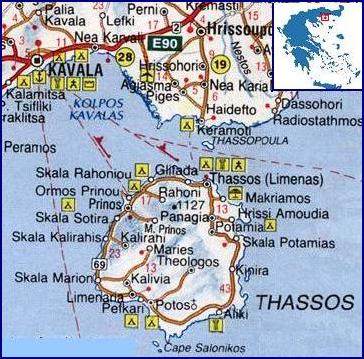

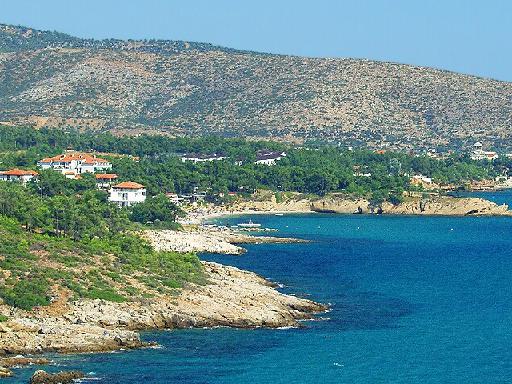
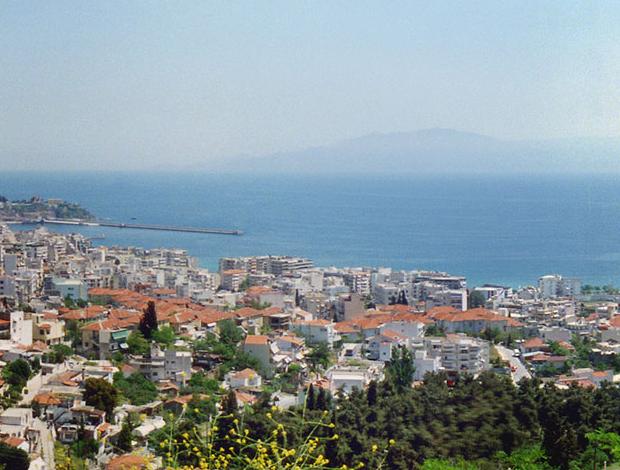
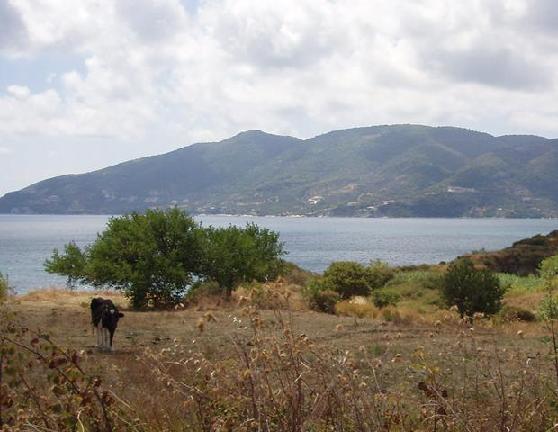
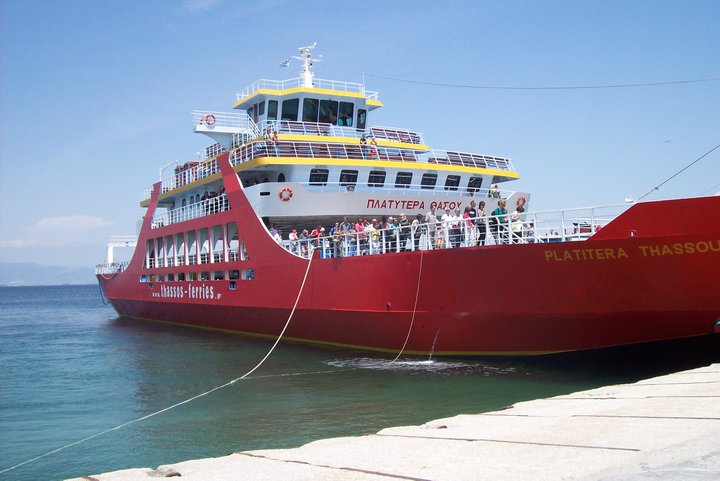
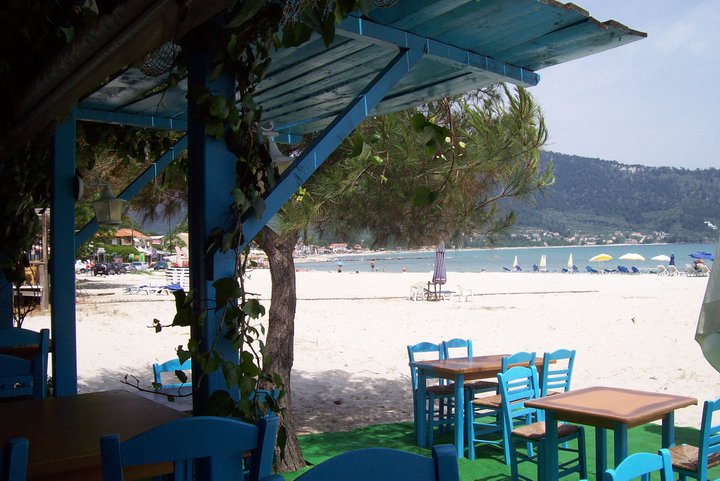
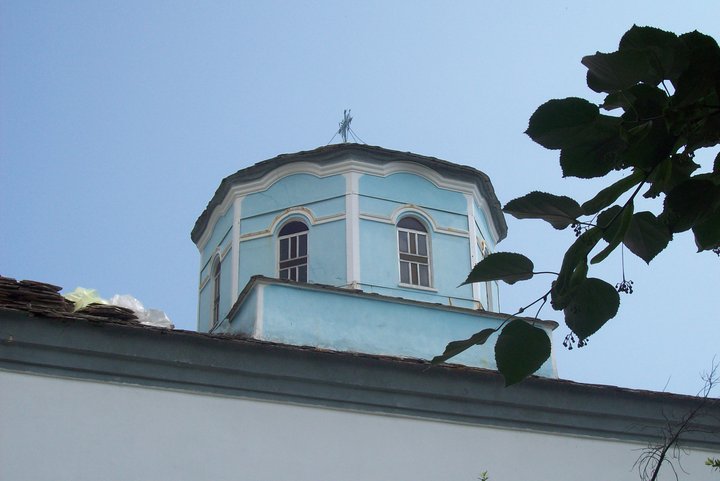
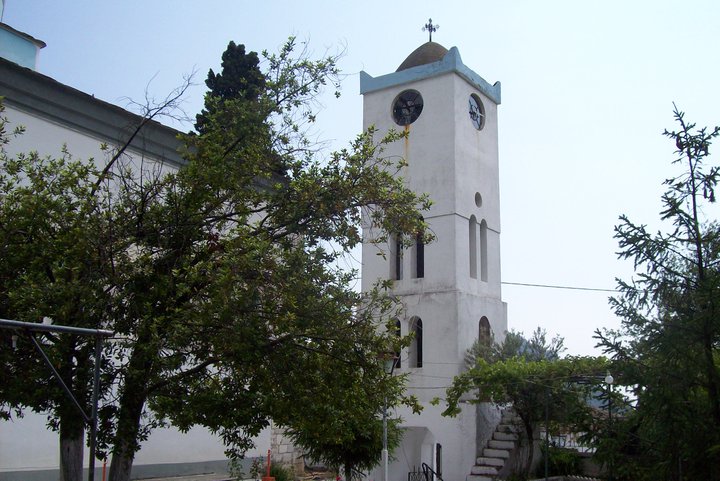
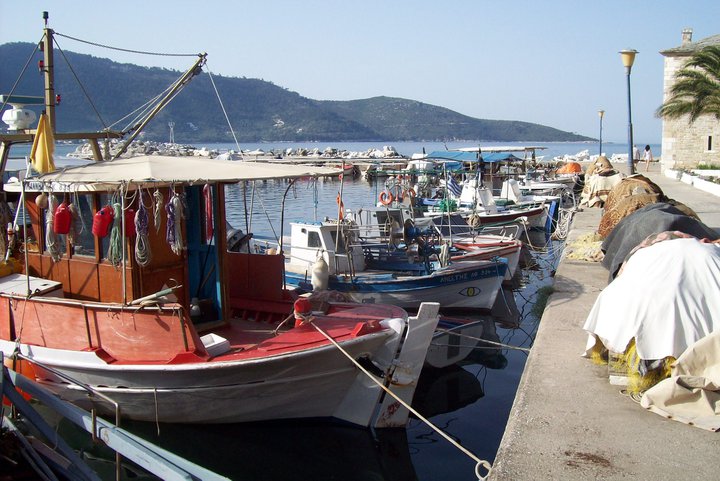
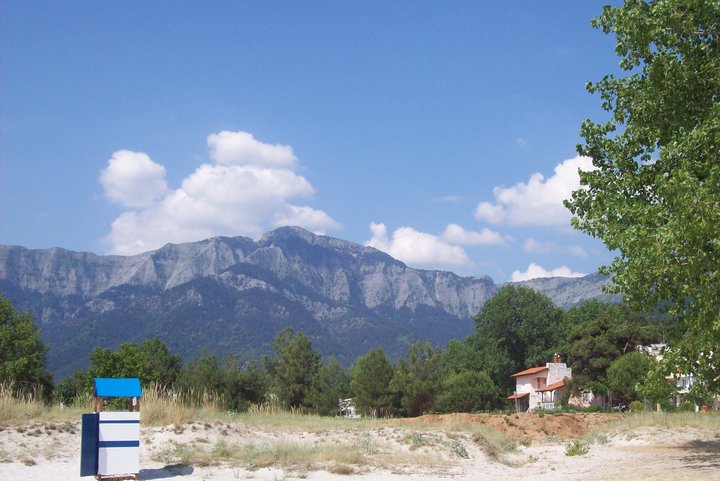
Thassos island was a long time ago for me: I visited the island in 1982 and stayed at the Hotel Elektra at the beachfront of Skala Prinos. We sometimes made a visit with the ferry to the mainland. It went up and down between the island and the town of Kavala on the other side. Things have probably changed a lot since than, but I did like this green island. We made some nice walks through the forrests and along the coastline and we visited Limenas (Thassos Town). There were long, and at the time quiet, beaches. I really should return one day to check on it again. Popular Thassos is a large and beautiful island in the north Aegean sea. It is the most northerly island of Greece and it is mountainous and green. Large parts of the island (about 50%) is covered with cedar, oak and pine forests. The island has 95 kilometers of coastline and good sandy beaches on its shores. Thassos is 435 square kilometres in size and has 13,527 inhabitants. It is located in the region of Eastern Macedonia and Thrace and belongs to the Nomos Kavala. The highest point is Mount Ypsario, 1045 meters above the sea level. East of the island is the island of Samothrace, while on the west side there are views on Athos. The island was colonized by the Phoenicians, that were probably attracted by the presence of gold. According to Herodotus the island would derive its name from Thasus, son of Phoenix, the leader of the Phoenicians. The island played a major role in the wars against the Persians. In ancient times it was known for its gold mines, wine, nuts and marble. It was conquered by the Turks in 1462 and belonged to the Ottoman Empire untill 1912, when it was reunited with the rest of Greece. |
 |
 |
 |
 |
 |
 |
 |
 |
 |
 |
| THE CAPITAL OF THE ISLAND OF THASSOS IN GREECE - LIMENAS OR THASSOS TOWN |
|
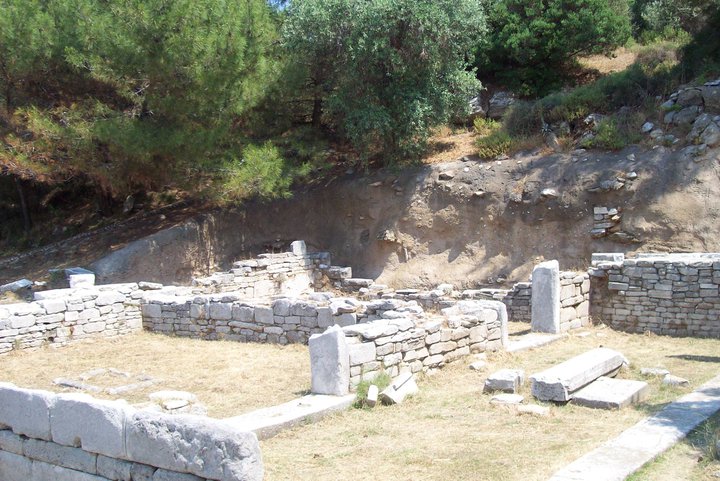
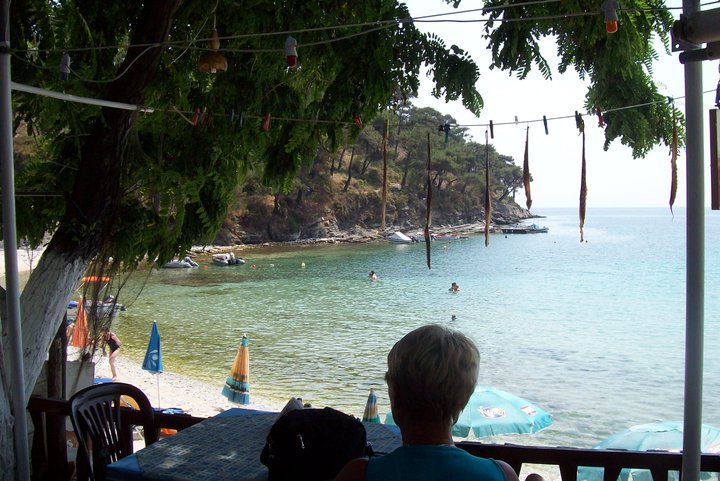
The main settlement is Limenas or Thassos Town that is situated in a large bay on the north side of the island. From here ferries leave to the mainland which is 12 km away. The town is a mix of modern, ancient and old buildings. Gold- and silvermines as well as marble made Thassos a prosperous place in the ancient period. In the town are also Turkish houses and of course the new buildings. Most of the activity is concentrated around the waterfront. First there is the ferry quay, with most of the shops and services, than the ancient harbour , where you will find the beachboats and excursion-boats, and the last part is the town beach with its taverna's and restaurants. |
 |
 |
 |
 |
 |
 |
 |
 |
 |
 |
| SKALA PRINOS AND OTHER VILLAGES ON THASSOS |
|
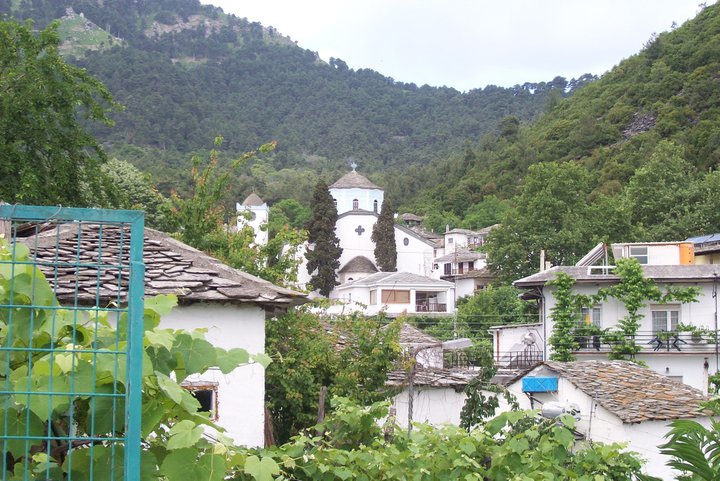
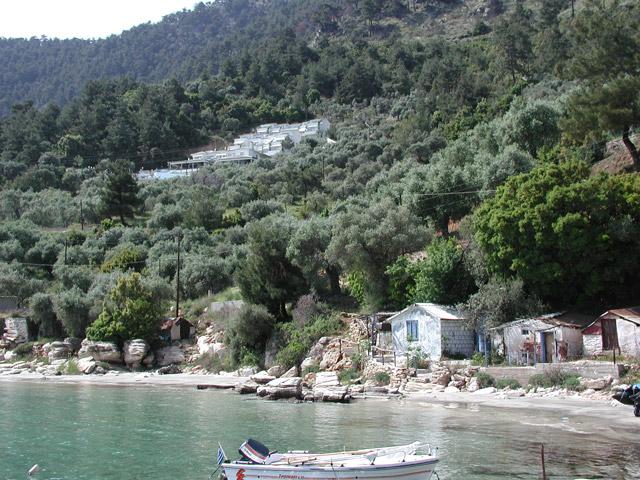
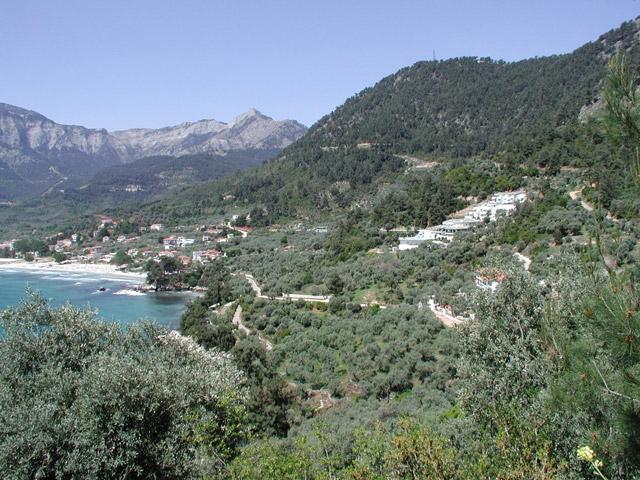
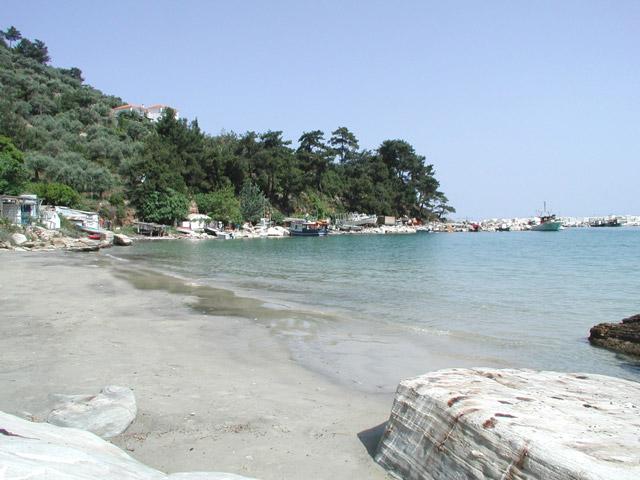
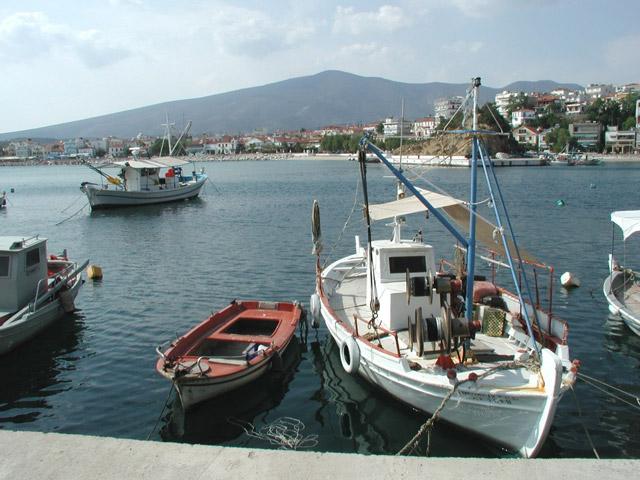
The main port of Thassos is called Skala Prinos and is situated on the north-west part of the island. Skala Prinos is the harbor of the village of Prinos. Here you find some hotels and taverna's, as well as tourist shops and a beach. In Skala Prinos there is a caïque repair yard. I have visited this village and liked it. I stayed at the Hotel Elektra at the waterfront, friendly people, great food. Please note that this was in the year 1981. Going south of Skala Prinos along the road there are a number of villages and beaches until it ends in the main resort of the island, Limenaria, a village with a large beach. Limenaria is the second largest town on Thassos after Limenas (Thassos Town). In the early years of 20th century the area around Limenaria was the site of a mining industry, leaving the landscape damaged, just as some recent forest fires in this part of Thassos have done. This southern part of Thassos, Limenaria and around is the most spoilt part, and visitors looking for scenery would do better to head on to neighbouring villages like Pefki and Potos. Here it is more pretty and the beaches are quieter. The village of Theologos, which can be reached by road from Potos is the island's medieval capital. Makriamos beach at the northeast side of the island, close to Limenas is also quite busy. The rest of the beaches on the east coast are more scenic. The road leads to the picturesque village of Aliki. Some of the best beaches on this part of the coast are Kinari and Psili Amos. For a large map of the island of Thassos click here. |
 |
 |
 |
 |
 |
 |
 |
 |
 |
 |
| THE BEACHES AND NATURIST BEACHES ON THE ISLAND OF THASSOS IN GREECE |
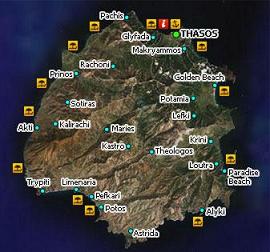
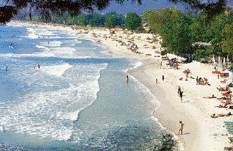
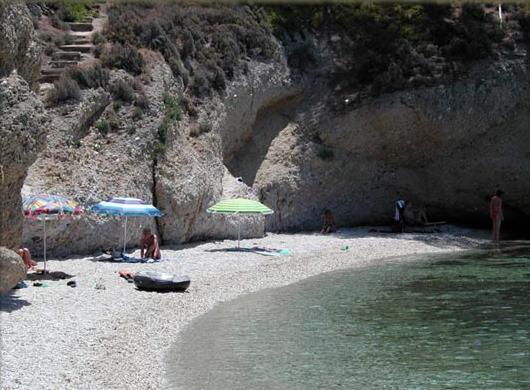
Below is a selection of the beaches of the island of Thassos. This here is only a few. The island of Thassos has many more long sandy beaches. Many of the beaches of Thassos have fine white sand and are surrounded by pine trees and olive trees. On the island there is something for everyone, from beaches with sunbeds and umbrellas to deserted beaches. Thassos also has beautiful forests. Naturism on the island Thassos - naturist beaches The only beach with a place for the naturists is Paradise Beach in the east of the island of Thassos. The island is no naturists' paradise like Mykonos, Antiparos or Crete, but there are other options such as small coves near Aliki, Tripiti, Potos, Limenaria, plus of course on the very long stretched beaches where ever it is quiet you can always give it a try. |
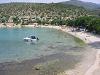
Thassos Beaches: Aliki Beach - Aliki Beach is situated in the southeast of the island of Thassos. It is laying in front of a picturesque village with the same name. Aliki has become increasingly popular with the tourists over the last few years. It consists of two small beaches with white sand surrounded by olive trees and pine trees, situated in a pretty bay. Aliki Beach has some ancient sites and saltpans. |
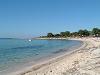
Thassos Beaches: Astris Beach - Astris Beach is situated in a small village in the southeast of Thassos, not far away from Potos. The village has a beautiful sandy beach which is also very steep with as a result high waves. This, together with some strong currents makes the beach not suitable for children. At the beach there is a possibility to play water sports and there are also a couple of taverna's. It can get quite crowded during high season. |
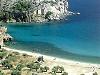
Thassos Beaches: Livadi Beach - Livadi Beach is situated in the east of the island of Thassos at a 20 kilometer distance of the capital Limenas, close to the village of Aliki. It is a quiet beach that is popular with backpackers and campers. The beach consists of sand and small pebbles. |
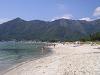
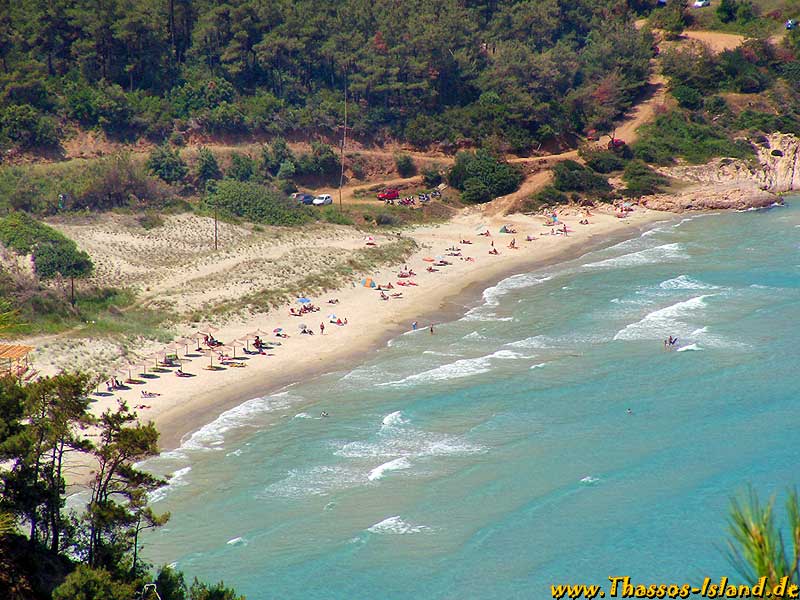
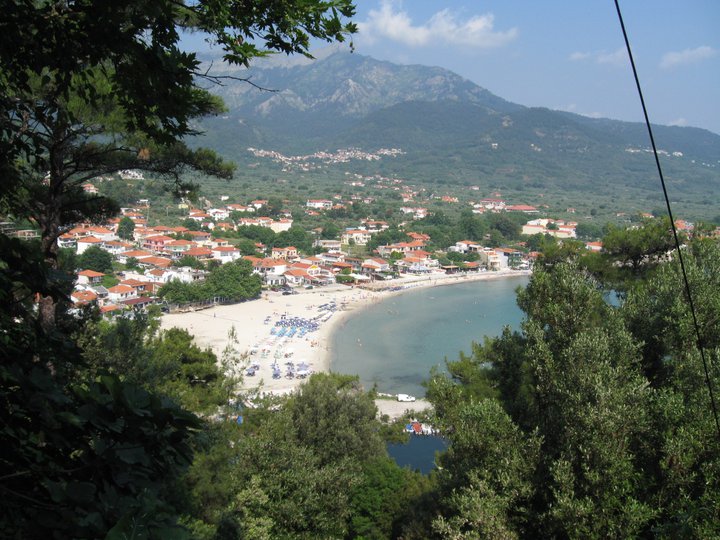
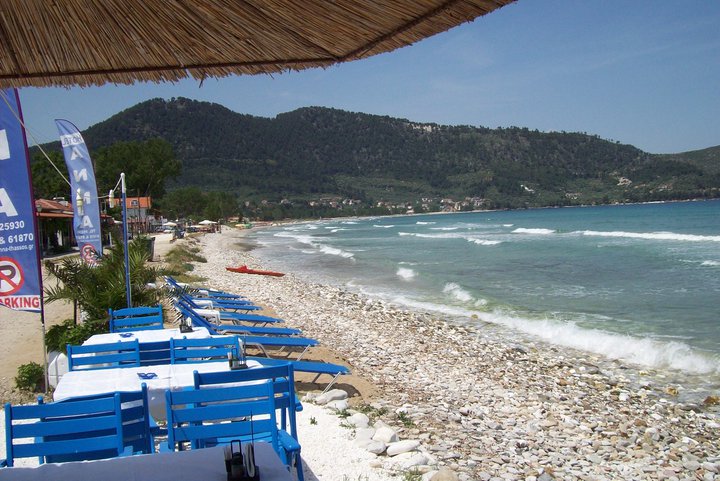
Thassos Beaches: Chrissi Amoudia or Golden Beach - Chrissi Amoudia is a long beach on the east coast at a 10 kilometer distance of the capital of Thassos island, a bit south of Makriamos Beach. It is situated between Skala Panagias and Skala Potamias. The beach is surrounded by dense forest. There are sun beds and umbrellas for rent. In the background is Mount Ypsarion. The beach is shallow so also suitable for children. |
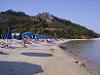
Thassos Beaches: Makriamos Beach - Makriamos (=long sand) is a long sandy beach at a mere 2 km distance of the capital of Thassos in the northeast of the island. It is surrounded by lush forest. The beach is kilometres long and it is the best beach in the area. On the beach are umbrellas and sun beds for rent. There is a possiblity for practising water sports. |
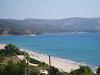
Thassos Beaches: Limenaria Beach - Limenaria is the main tourist resort on the island of Thassos. It is situated at a 12 kilometer distance of the capital in the southwest of the island. The town of Limenaria has a large sandy beach. Some guides describe it as busy, others as quiet. |
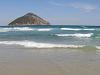
Paradise Beach Thassos - This beach is situated at a 17 kilometer distance of Thassos Town and close to the village of Potos. Paradise Beach is concidered the most beautiful beach of the island. It resembles a tropical beach and it has fine white sand and beautifully colored water. It is a shallow beach, so safe for children. The beach is also popular with windsurfers. The beach can be reached via a narrow alley passing through a small wood and starting from the close by village of Kinira. At the end of the beach near the rocks there is space for naturists. |
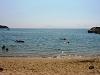
Thassos Beaches: Potos Beach - Potos Beach is situated in the south of the island of Thassos at a 34 kilometer distance of the capital. The beach is 2 kilometers long. Potos Beach is a popular resort with restaurants, taverna's, bars and hotels. On the beach are sun beds and umbrellas for rent and you can do water sports. |
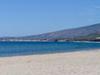
Thassos Beaches: Kamari Beach - Kamari Beach is a beach in the south of Thassos at a walking distance of Potos Beach. At the beach there are sun beds and umbrellas for rent. |
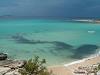
Thassos Beaches: Psili Amos Beach - Psili Amos (=fine sand) Beach is situated in the south of the island at 31 kilometers distance of Thassos Town, close to the village of Astris and at a 5 kilometer distance of Potos. Psili Amos is a beach with facilities like sun beds and umbrellas and there is a possiblity to practice water sports. On the beach are several small taverna's. Psili Amos (=fine sand) Beach is situated in the south of the island at 31 kilometers distance of Thassos Town, close to the village of Astris and at a 5 kilometer distance of Potos. Psili Amos is a beach with facilities like sun beds and umbrellas and there is a possiblity to practice water sports. On the beach are several small taverna's. |
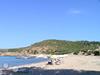
Thassos Beaches: Rossogremos Beach - Rossogremos Beach is situated in the south of the island of Thassos on a 2 kilometer distance of the village of Potos. The Beach is relatively unknown and quiet and a good place for people that don't want to share the sand and the sea with a lot of people. It consists of white sand and it is surrounded by trees for some shade. |
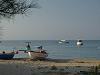
Thassos Beaches: Skala Prinos Beach - Skala Prinos Beach is situated at 12 kilometers distance of the capital Thassos Town on the west side of the island. It is a sandy beach with some trees on it for shade. On the beach are facilities like taverna's, umbrellas and sun beds. There are also a couple of hotels and accommodations for rent. Skala Prinos is a small port that is connected to the mainland by ferry. |
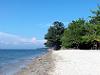
Thassos Beaches: Skala Rachoni Beach - Skala Rachoni Beach is situated at 11 kilometers distance from Limenas on the northwest coast of the island, just above Skala Prinos. It is a beautiful long sandy beach surrounded by forest. The beach lays in front of the village of Skala Rachoni. Walked there and loved it. In this area there are more beaches. |

Thassos Beaches: Tripiti Beach - Tripiti or Trypity Beach is a large and popular beach situated on the southwest coast of Thassos near Limenaria (on its west side), at 39 kilometers distance of the capital. It is a beach with sand and pebbles. There are facilities on he beach such as sun beds and umbrellas and there is a possiblity to play water sports. |
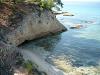
Thassos Beaches: Pefkari Beach - Pefkari Beach is situated in the south of Thassos in between Limenaria and Potos, at 35 kilometers distance of the capital Thassos Town. It consists of two beautiful and popular sandy beaches with facilities (sun beds, umbrellas, water sports facilities, taverna's, restaurants, bars). There are pine trees surrounding the beaches. |
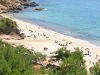
Thassos Beaches: Metalia Beach - Metalia beach is a fine sandy beach that is situated in the south of Thassos near the town of Limenaria. It is an organised beach with sun beds and umbrellas as well as a taverna. The beach is shallow, so it is safe for children. From Metalia you can see the holes that were created in earlier times by the mining industry. |
Thassos Beaches: Nisteri Beach - Nisteri Beach is one of the beaches of Limnenas and is situated at 1 kilometer distance of the capital of Thassos. It is a sandy beach surrounded by forested mountains. Nisteri Beach is an organised beach with sun beds and umbrellas. There are taverna's and accommodations available at the beach. |
Thassos Beaches: Papalimani Beach - Papalimani Beach is situated not far from Thassos Town in between the villages of Skala Rachoni and Glyfada and it is a popular but not too large beach that gets more quiet in the late afternoon. Like most of the beaches in this area it is mostly used by the people that visit the hotels around here. |
Thassos Beaches: Skala Kalirachi Beach - Kalirachi is one of the oldest villages of Thassos, situated on a hill. At a 2 to 3 kilometer distance is the lower village of Skala Kalirachi with its beach. Skala Kalirachi Beach is long and narrow and it is situated at 18 kilometers distance of Thassos Town. There are no major touristic developments but there are rooms for rent and there are taverna's. |
| ACCOMMODATIONS ON THE ISLAND OF THASSOS IN GREECE - HOTELS, APARTMENTS AND STUDIOS ON THASSOS |
 |
 |
 |
 |
 |
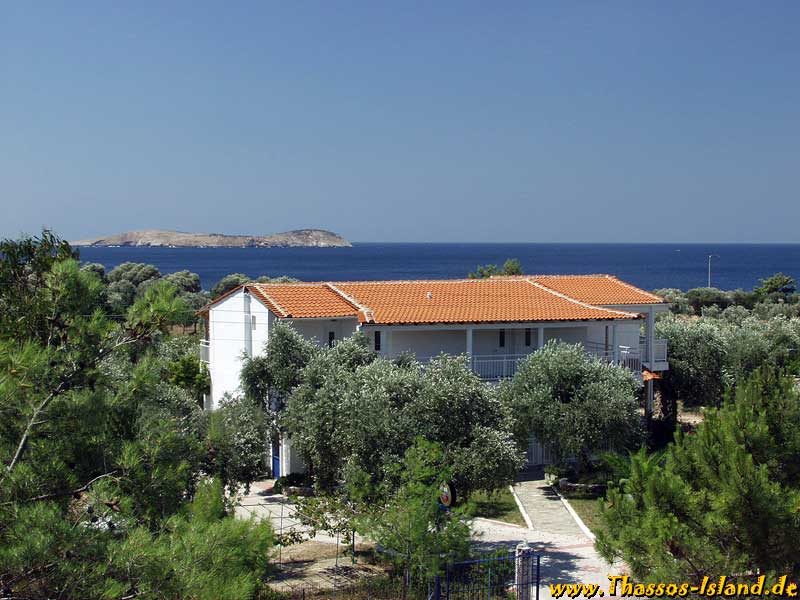
| Thassos hotels: Mathios Cottages - Psili Amos Beach |
|
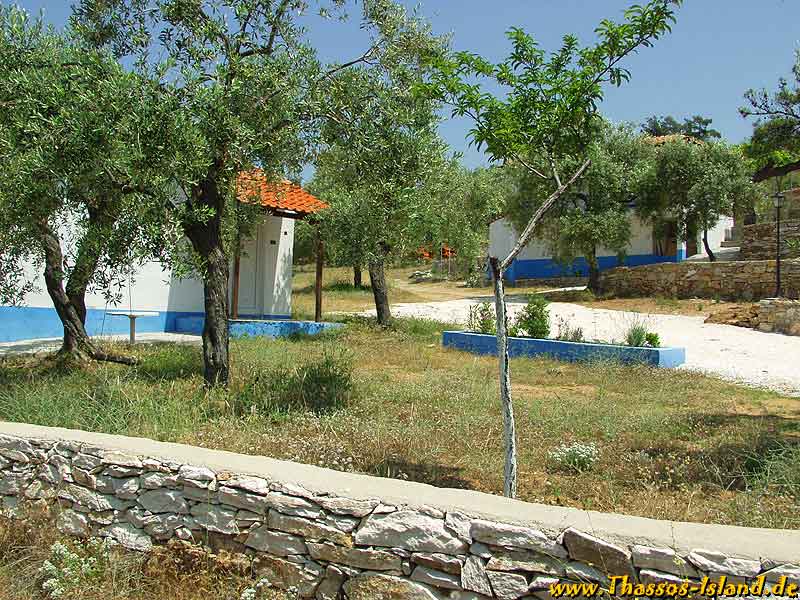
The Cottages Mathios are directly above the wonderful sandy beach Psilli Ammos - only 5 km in the south of the small town Potos. Currently two beautiful cottages are on the complex - one with two room that offers place for 6-7 persons sufficiently, the other one with a room, that offers place for 3 persons. Both cottages are equipped with a bath and a kitchen line, A/C and television. From the terrace you have a fantastic look onto the emerald glimmering sea and the marvellous nature which surrounds Thassos. To the beach of Psilli Ammos there are approx. 150 m and you have a direct bus accessibility on the island's main road. the owner Dimitrios also rents out inexepensive apartments and studios in an olive grove in Astris and. The owner Dimitrios also rents out very cheap apartments and studios in an olive grove in Astris. Send an e-mail to Mathios Cottages in Psili Amos Beach / Thassos |
 |
 |
 |
 |
 |
 |
 |
 |
 |
| Thassos hotels: Hotel Villa Anais - Dassilio Prinos - Thassos |
|
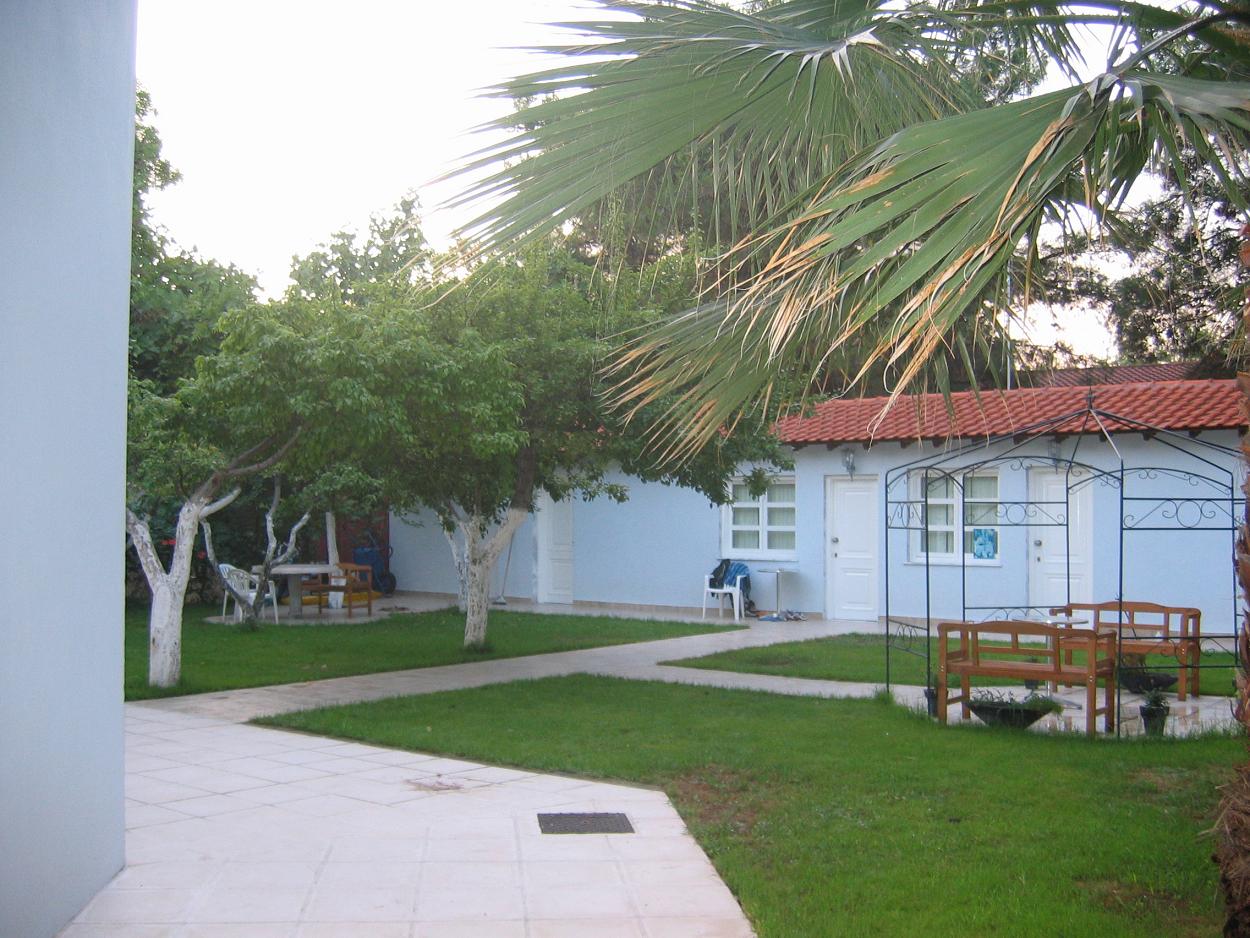
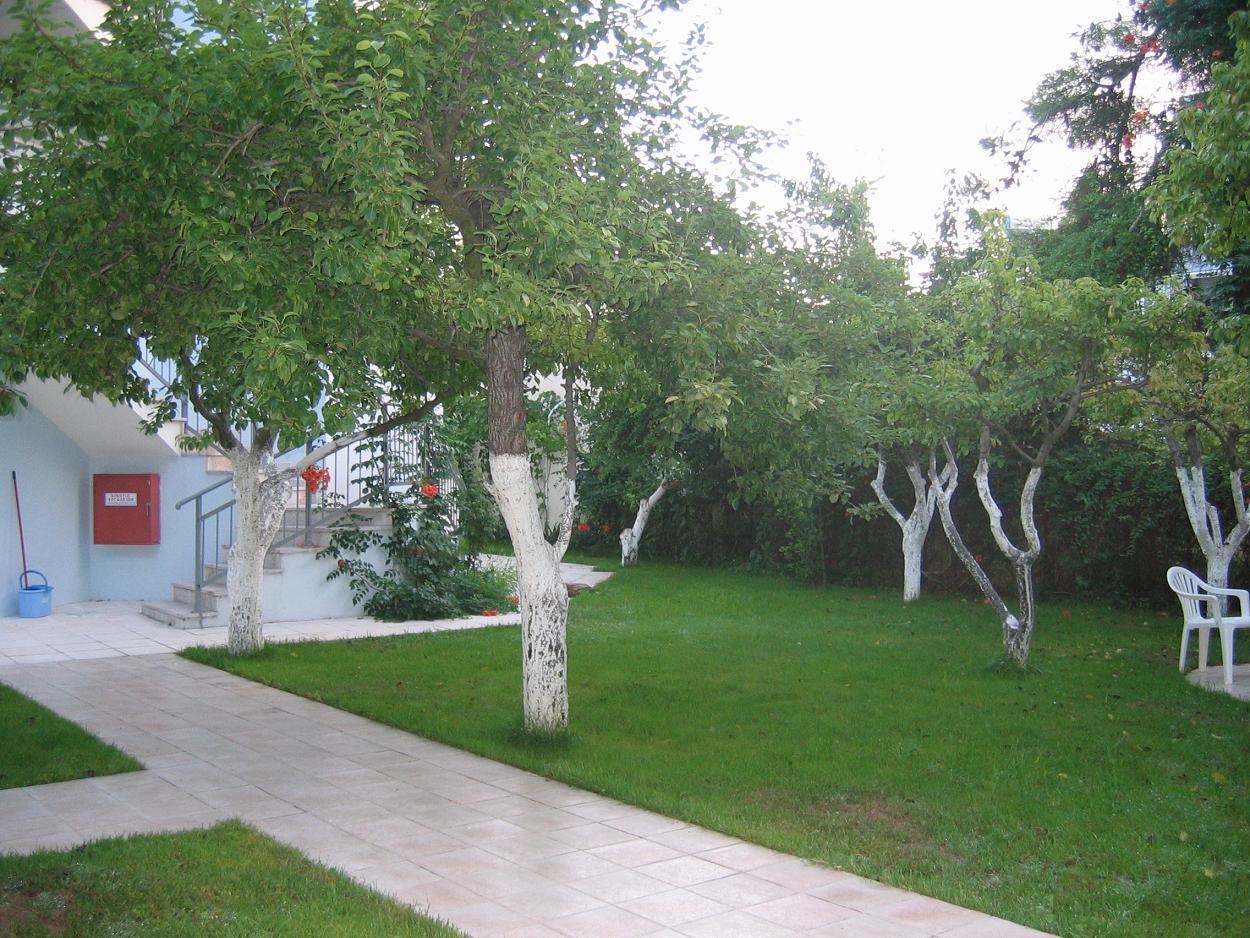
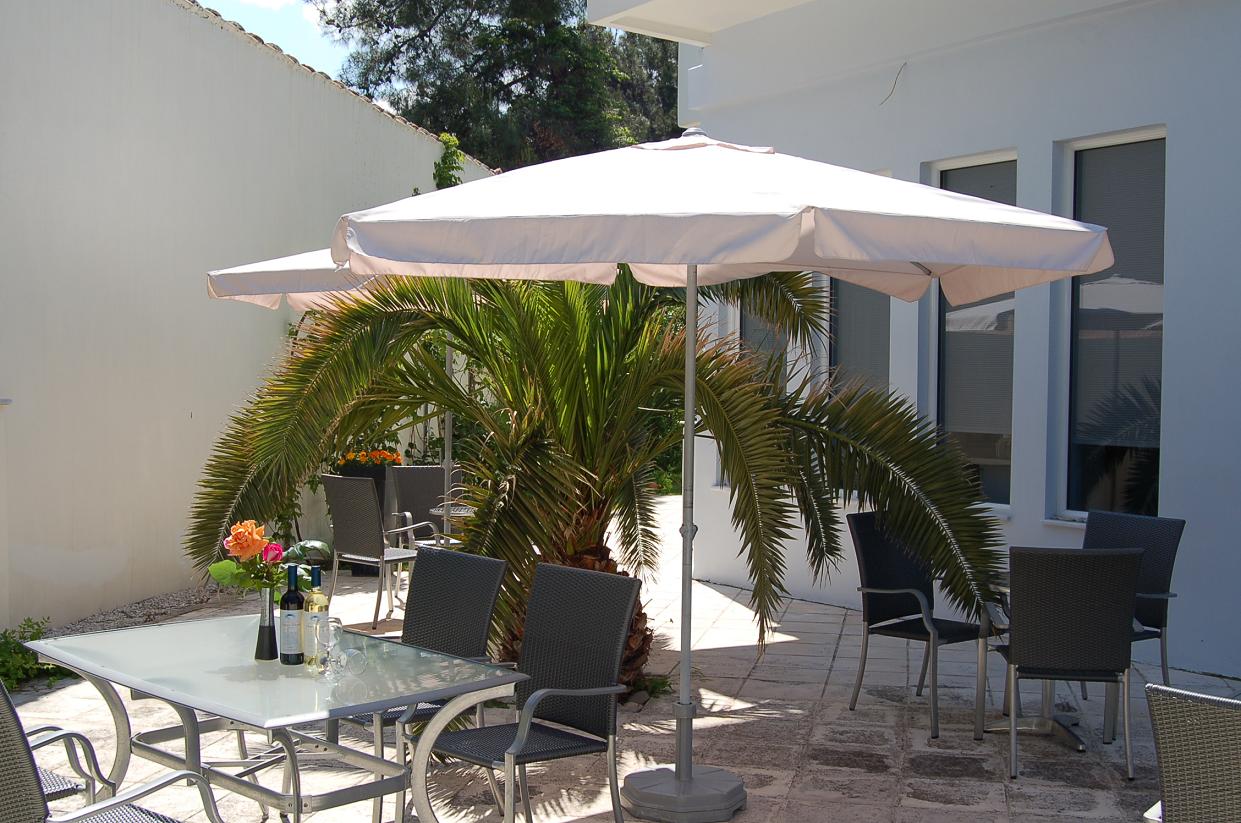
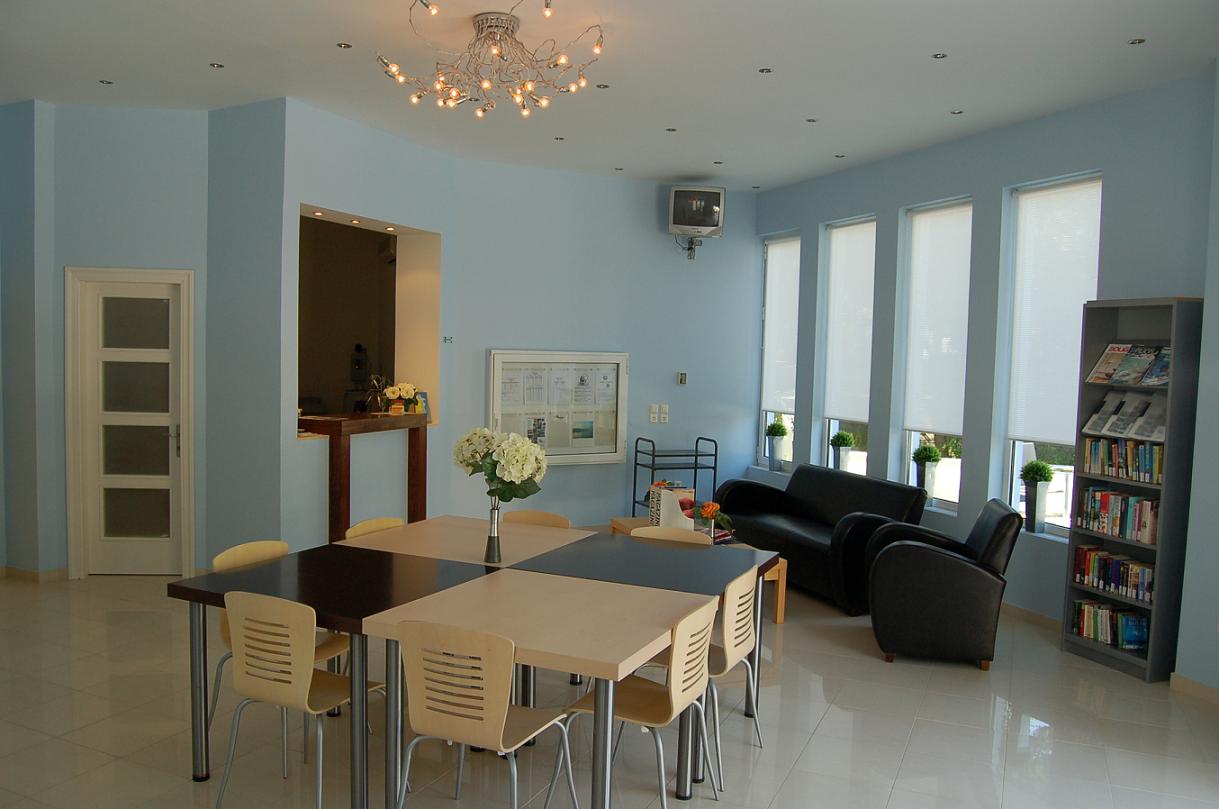
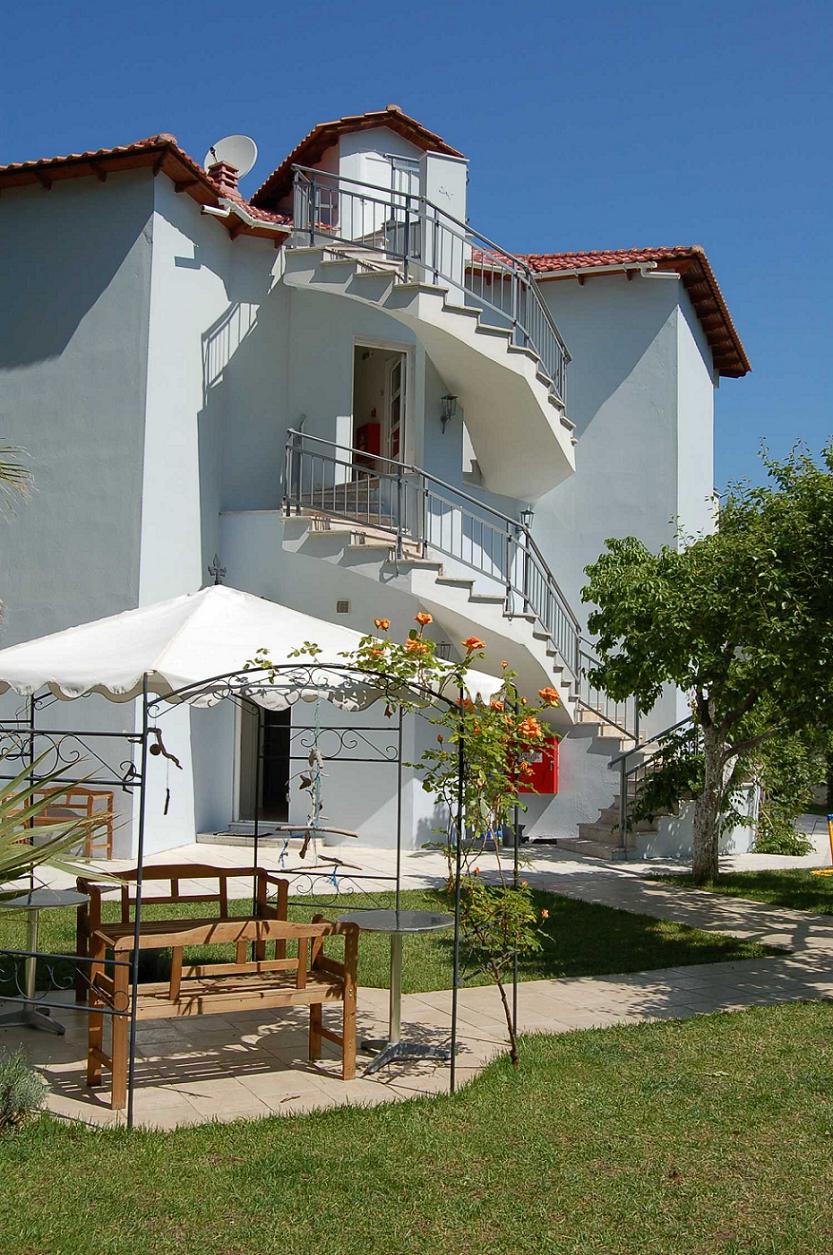
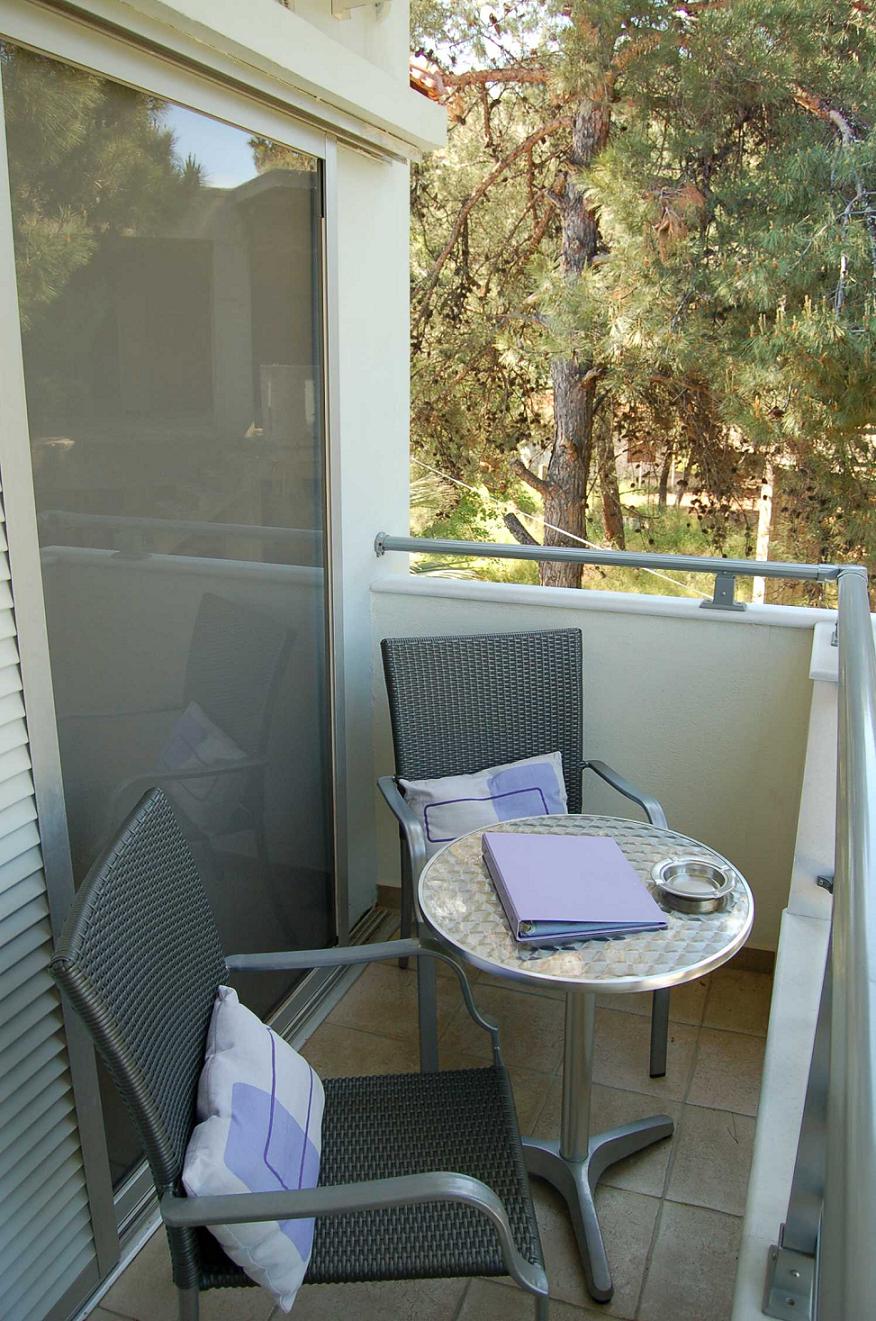
We have a small hotel (10 rooms) with breakfast, a beautiful garden with terrace and lounge chairs. It is situated on a very idyllic place, just a 50 meters walk from the beach. For travellers, hikers and people that want peace and quiet Thassos is ideal, away from the daily worries. I is a nice island to relax and enjoy sun, sea and tranquility. But there's more! THere is so much to discover and experience on this lovely island! We Betty & Theo and our daughter Mariska have fallen in love, not only with our international hotel, but also with the island and its inhabitants. In the middle of the island there are high mountains, where you only go by jeep. The roads to the island are paved and easy to drive. Because of these high mountains there is a varried nature on and around the island, and there are also marble mines. Thehe island has its own water supply. The mass tourism has not yet reached Thassos and you can still enjoy the traditional Greek life. We have many restaurants around our hotel. You can also walk to the harbor and take the boat to the mainland (Kavala). Densely vegetated hills, hidden bays with beautiful beaches and clean, crystal clear water, picturesque villages, forested slopes: that are the pure Greek hospitality make a visit to Thassos a must. Send an e-mail to Villa Anais in Dassilio Prinos / Thassos |
 |
 |
 |
 |
 |
 |
 |
 |
 |
 |
| Some other hotels on the island of Thassos: Hotel Dionysos - Skala Panagia |
|
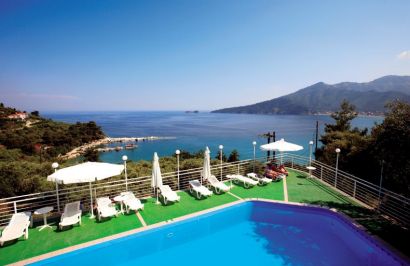
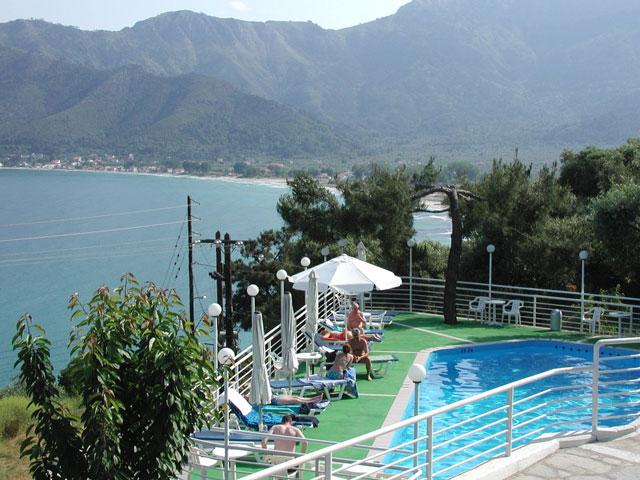
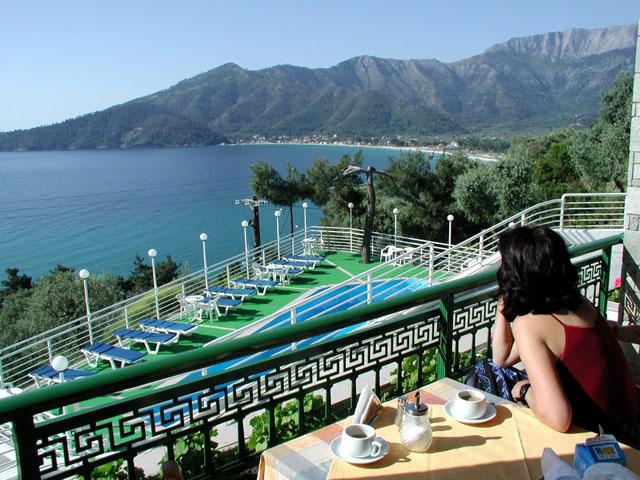
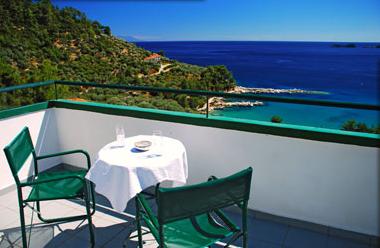
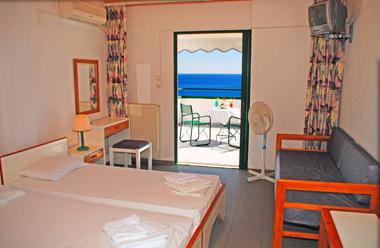
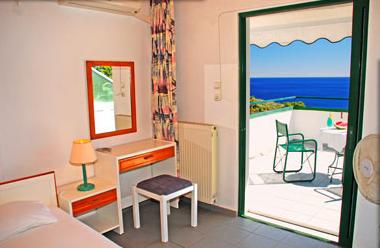
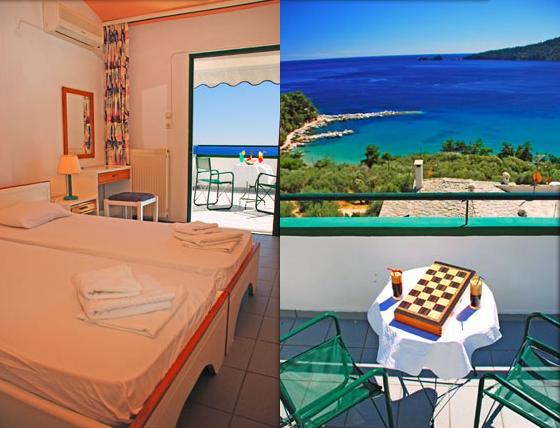
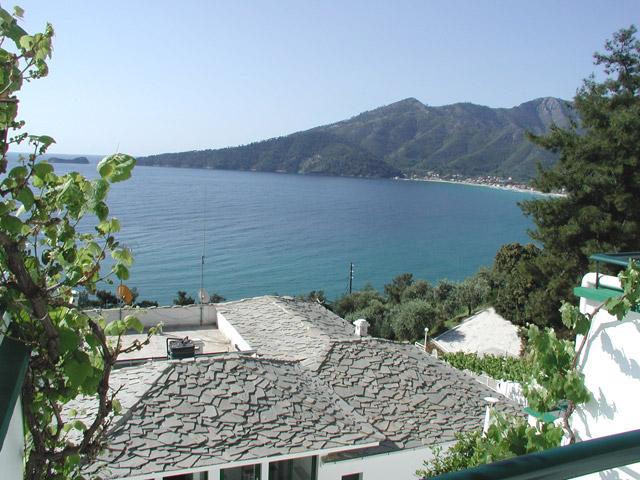
Tucked away on a slope (amphitheatrically) at one end of Skala Panagia's Golden Beach, we offer you an opportunity to be close to nature and spend your dream holiday on Thassos with us while enjoying a magical view to the sea from where ever you may be in our hotel. Skala Panagia is a wonderful tourist resort and one of the most popular places of the island. It offers unlimmited facilities to its visitors, the sandiest beach of the island and even a mountain trail right above our hotel where one could go on walks and experience nature first-hand. Choose from many restaurants, café-bars and shops to explore and experience. Also the many services that are easily available to you such as car and motorcycle rentals, water sports, bus stop, taxi service and more will help make your holidays very convenient and enjoyable. Getting here is so easy. A short ferry ride from the ports of Kavala, Keramoti or Peramos will land you on Thassos either at the port-town Skala Prinos which is about 30 km. away or at the island's capital, Thassos Town, otherwise known as Limenas, which is about 14 km. away. We offer 33 wonderful rooms that are clean and spacious and equipped with television, air condition and refrigerator. We have rooms for two persons, three persons and four persons available, all with a splendid view to the sea. Begin your day with a delicious breakfast buffet in our dining room or on our veranda as you breathe the abundant fresh air and enjoy the beautiful sights and sounds that surround you. Once you recieve the satisfaction our breakfast will provide you, just take a few steps down to our pool where you can lay out on our sunbeds. Send an e-mail to the Hotel Dionysos in Skala Panagia / Thassos To see more hotels, apartments and studios on Thassos island Greece - click here. |
© Hans Huisman, Dionysos Hotel, Marthas's House, https://www.angelfire.com/super2/greece/ 2014