<XMP><body> </xmp> Corfu Greece, the best beaches and naturist beaches, hotels and apartments, car rental, real estate

Click here for the main page

Corfu info Corfu Hotels Corfu History Corfu real estate Corfu travel Corfu sights Corfu Beaches

corfu holidays
Corfu Corfu Corfu Corfu Corfu, Paleokastritsa
Corfu Corfu Corfu Corfu Corfu
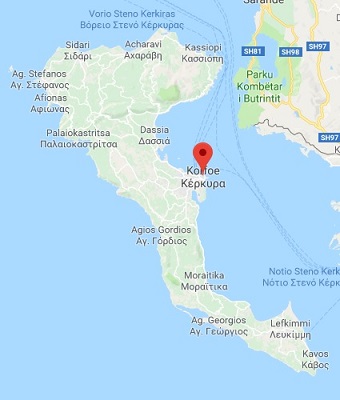
map of Corfu THE ISLAND OF CORFU

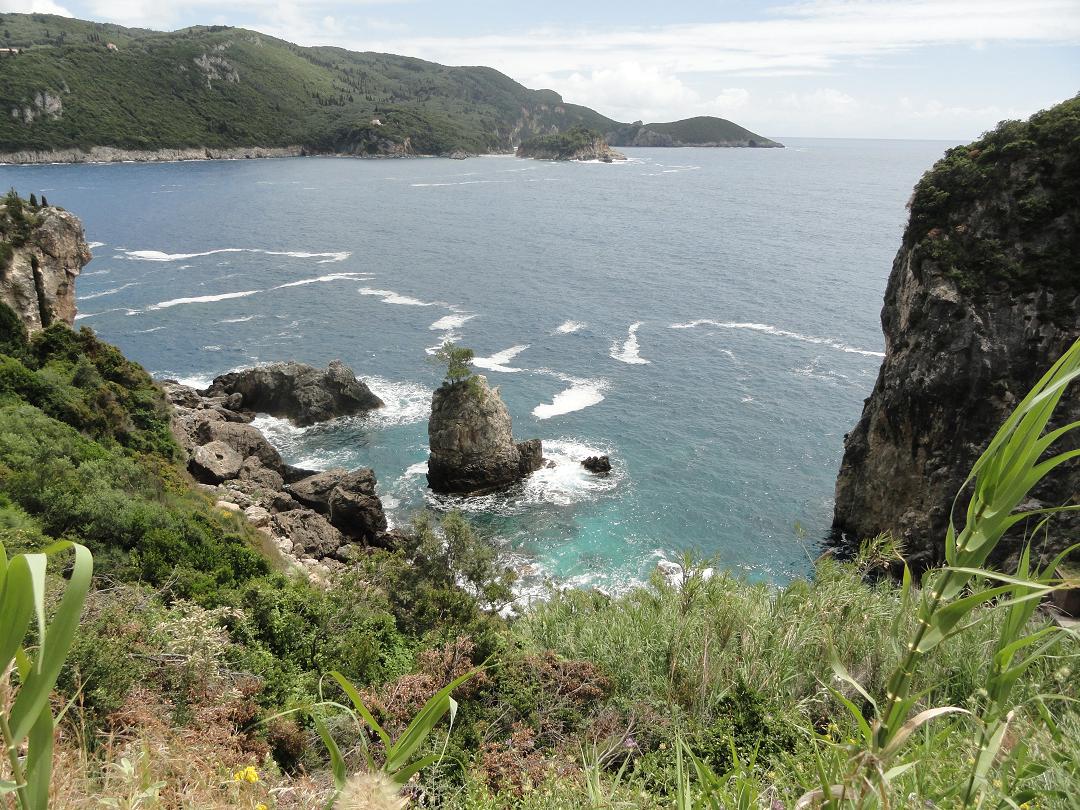
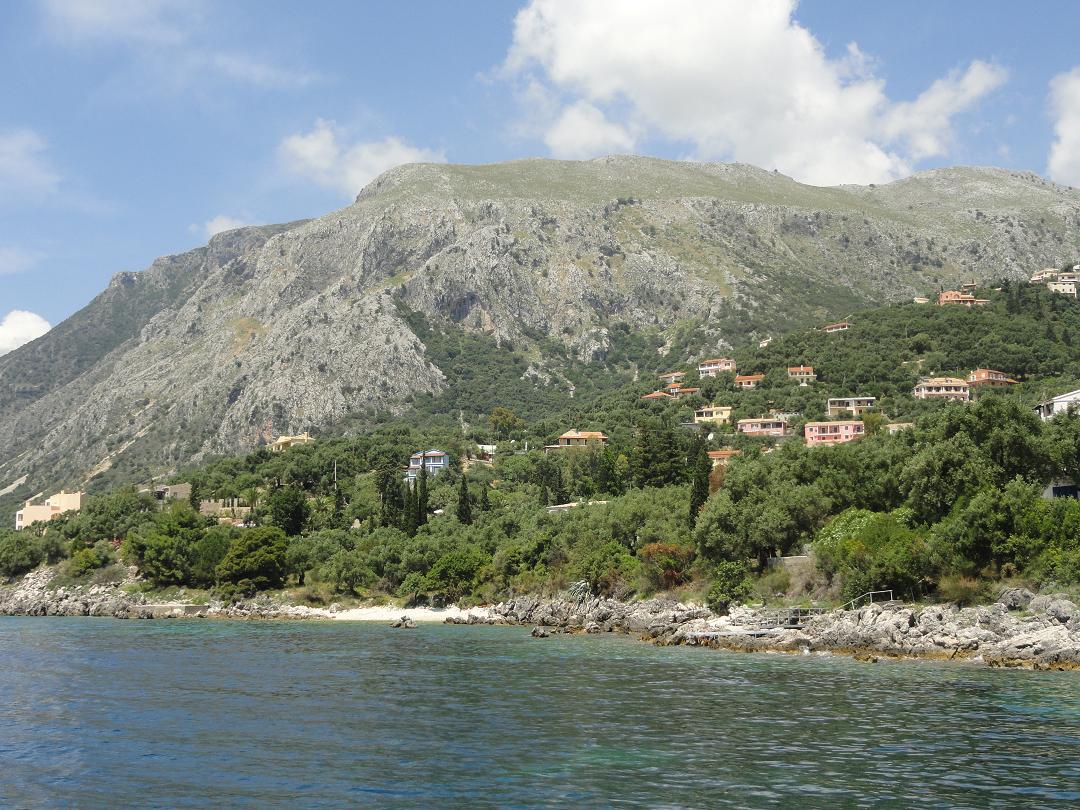
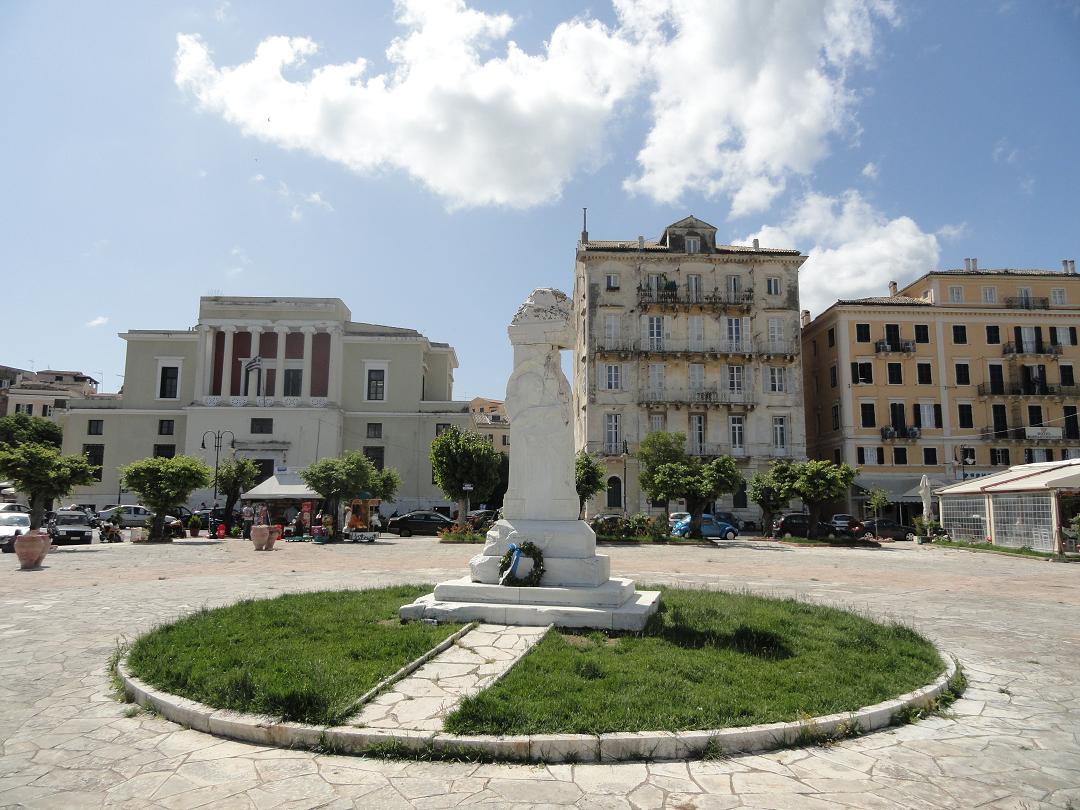
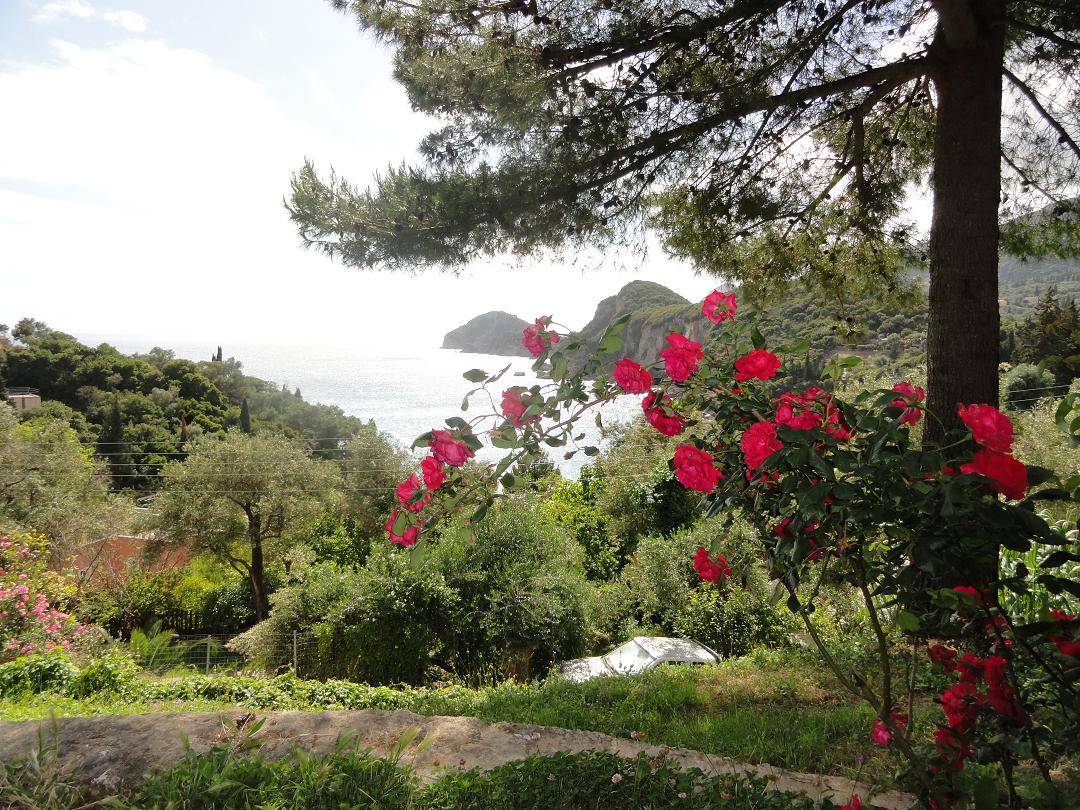
Corfu has long be considered one of the most beautiful islands in Greece because of the beautiful green nature and the friendly people. The capital and most of the touristic places are all on the eastcoast. The busiest part is from Corfu town down to Benitses in the south. Outside this area it gets more quiet. The north and the westcoast have lots to offer. The cliffs at Paleokastritsa for instance are exceptionally beautiful, especially at sunset. Corfu town is the main attraction with a nice mix of Venetian, French and English period buildings. In the town there are a couple of fortresses, and the center of it all is a big square with on one side houses and cafes and on the other side the old fortress. 50 Meters south of the square is the archeological museum. Almost half of the population of the island lives in Corfu Town (or Kerkyra). Corfu is the most northern of the Ionian islands, and the second one in size, after Kefalonia. The northeast of Corfu island is only about 2 kilometer distance from Albania. The north of Corfu is mountainous and the south is more flat with olive trees and cypresses. Corfu is also known for the palace of Sissi (the Achileion). Sissi was empress of Austria and Hungary and off course everybody knows the movies with Romy Schneider, and how she ended up on Corfu to recover from a lung disease. At an entrance fee you can nowadays visit the palace every day. On Corfu there is an international airport and from Amsterdam (and other cities) there are direct flights to the island. In the harbour of Corfu town ferries arrive from Venice, Ancona, Bari, Brindisi and from former Yugoslavia, and ferries also go up and down to Igoumenitsa or on to the city of Patras. There is a daily connection to the village of Sarande in Albania. A boat trip to the village of Parga on the mainland of Greece or to the island of Paxos is also one of the possibilities. From Corfu town most of the places on the island are well connected by bus.

The coastline of Corfu is 217 kilometer long and the island is 593 km2 in size. With its 120.000 inhabitants Corfu is one of the most densely populated parts of Greece, but around a third of these people live in the capitol Corfu Town and most of the tourists can be found on a few busy locations. Thus it is still possible to escape the crowds, and some villages along the coast are not in the grip of tourism yet. An important attraction of Corfu is its beaches, some of which are concidered to be amongst the best of Greece. The climate in Corfu is warm, but because it also regularly gets its share of the rain the island is very green and nature is at its most glorious here. Crudely spoken Corfu falls apart in three parts: the mountainess north, the hilly middle and the low south. A large part of the coast consists of sand or pebbles and there are many large and beautiful beaches. Also there are vast cliffs, especially on the west coast and north of Ermones. The northern part of Corfu is dominated by the steep rising Pandokrator mountain, which is 906 meters tall.

Corfu Corfu Corfu Corfu Corfu, Paleokastritsa
corfu THE HISTORY OF THE ISLAND OF CORFU
Archeological finds at the Gardiki castle in the middle of the island show that humans lived on the islands from 40.000 BC or earlier, and at Sidari, on the northwest coast, a settlement has been uncovered that probably dates back to 7000 BC. Several settlements from the Bronze Age, starting from 2000 BC, have also been found. From the 8th century BC and onwards the island has been colonized by several people, amongst which the Corinthians Over a period of more than four centuries (the 14th until the 18th century AD) Corfu was a part of the empire of Venice. Because of this the Venetian influence is very big. After this France and later Great Brittain occupied the island for a while, after which it became part of modern Greece. Amongst other things the rulers have left their mark on the architecture on the island of Corfu. One of the most important tourist attractions is the Achilleion, a palace that was build between 1890 and 1892 for the Empress Elisabeth of Austria (Sisi). The neoclassical building was given this name by the empress herself in honour of the classical hero of Achilles. corfu

An important difference between Corfu and other large parts of Greece is that the island has never been occupied by the Turks. This is noticable in at least two ways:
- On Corfu there are still large numbers of cypres trees; these trees have been cut down in other parts of Greece because the Turks believed that the trees brought bad luck.
- On Corfu there are no blue and white painted houses. On many other Greek places many houses have been painted in these Greek colors as a protest against the Turks because they were not allowed to use the Greek flag. The Venetians made Corfu their most important arms/weapon center and build many fortresses and because of this the islanders could withstand the repeated attacks of the Turkish army in the 15th and the 18th century.

Corfu Corfu Corfu Corfu Corfu
corfu SIGHTS ON THE ISLAND CORFU

The Achilleion
The Achilleion is the summer residence that was build in name of the Austrian empress Elisabeth between 1889 and 1892 on the Greek island of Corfu. After Elisabeth had visited Corfu in the sixties on several occcasions for health reasons, she became very interested in Greek mythology. She travelled to Greece on a regular basis. After the tragic death of her son Rudolf she decided to start a living on Corfu. Her husband, the emperor Frans Joseph was willing to pay the cost of 9 million gold franks. The classical building was designed by the Italian architect Rafaele Carito and was decorated both inside and outside with neo-classical statues. Sisi herself named the house after her favorite classical hero Achilles. After Sisi had died her daughter Gisela inheritted the palace and she sold it to the German emperor Wilhelm II. After the 1st World War the palace became part of the Greek state. Nowadays the Achilleion is a museum. There are several remains from the times of Elisabeth and of Wilhelm II that can still be seen. Remarkable are the differences between the Achilles figures that Sissi and Wilhelm II had placed in the palace. Sisi choose the dying Achilles trying to get the arrow out of his heel. Wilhelm II placed an enormous Achilles standing proudly like a hero, strong and unbeaten.

corfu The nature on Corfu.
Because of the regular rainfall on Corfu the island is beautifully green. On the island there are a couple of rare animals, like a small population of Medriteranean monk seals, and the endangered caretta turtle (allthough the larger part of these turtles seem to prefer the Ionian islands more in the south). On the island also lives the jackal (a wild dog that is very seldom found in Europe nowadays). The Pandokrator mountain is one of the biggest attractions on the island. From this mountain there is a splendid view of the bay towards Corfu town, Albania and some of the smaller iskands. On the slopes of the mountain orchids and other flowers grow, and you can find butterflies and many sorts of birds of prey, like falcons, hawks, eagles and vultures. You can climb the mountain from the village of Pirgi of from a side road halfway between Kassiopi and Acharavi. It is not an easy road. It is adviced to make the last part of the journey by foot. On the top of the mountain there is an old monastery and a radiotower. Besides all of this there are plenty of turtles, snakes and lizzards on Corfu.

corfu Corfu Town.
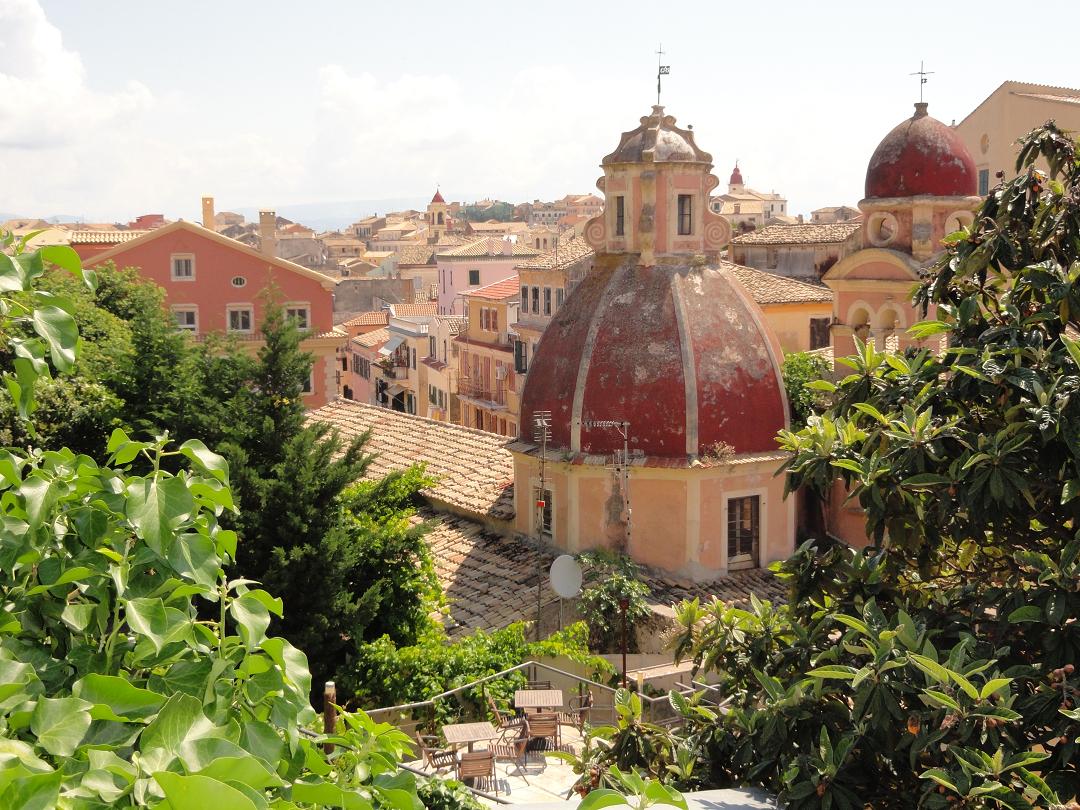
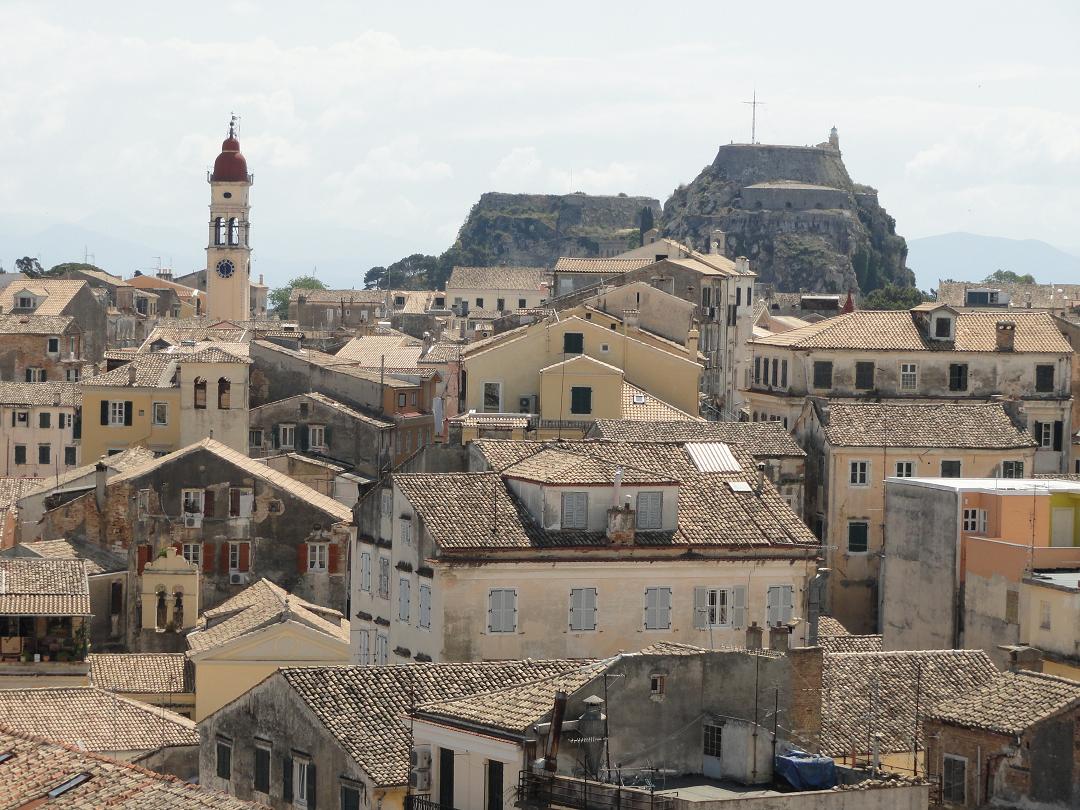
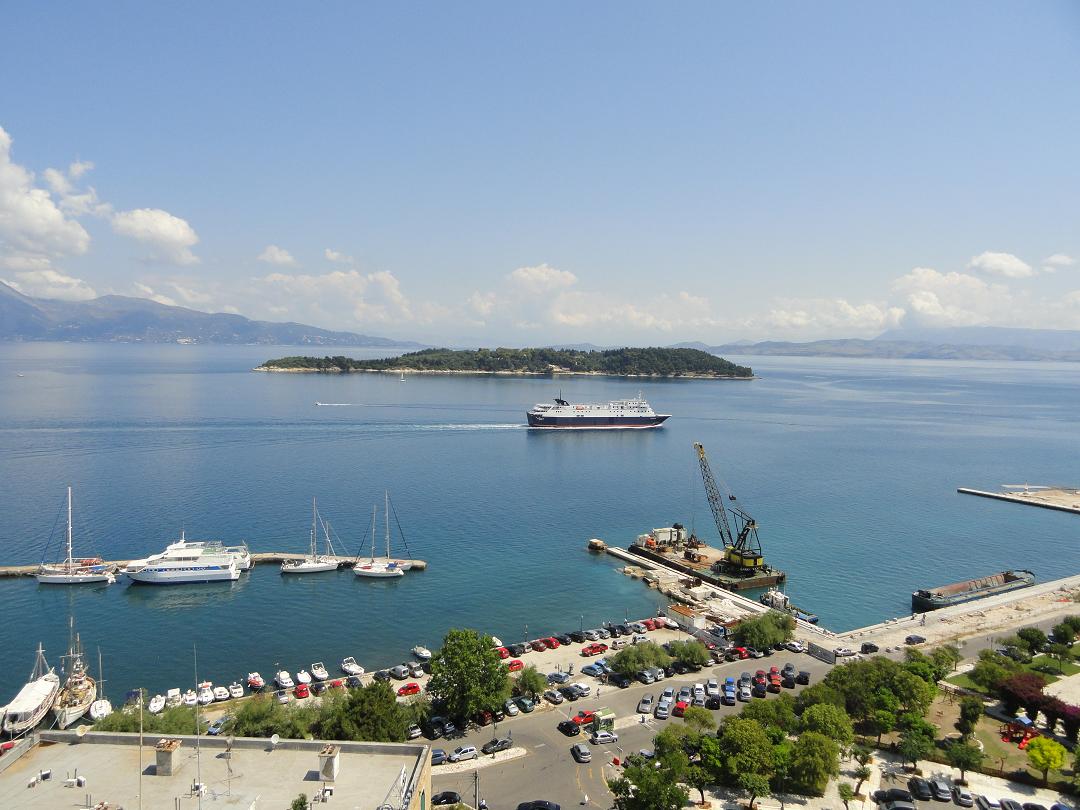
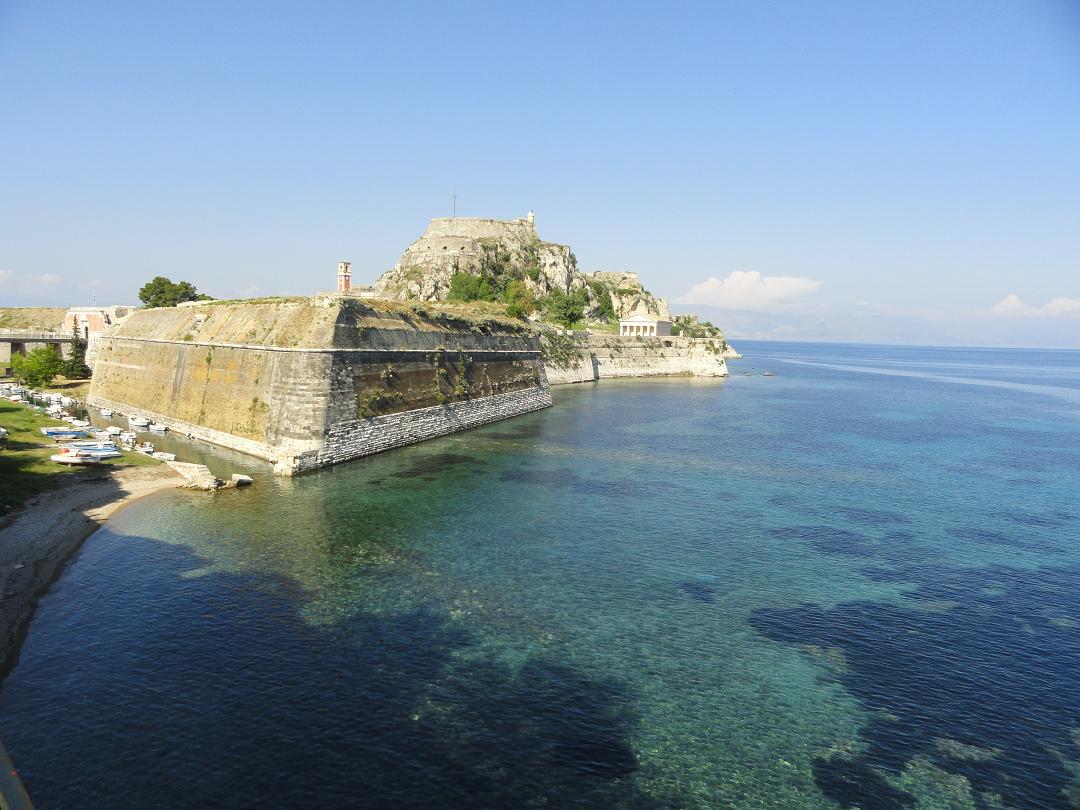
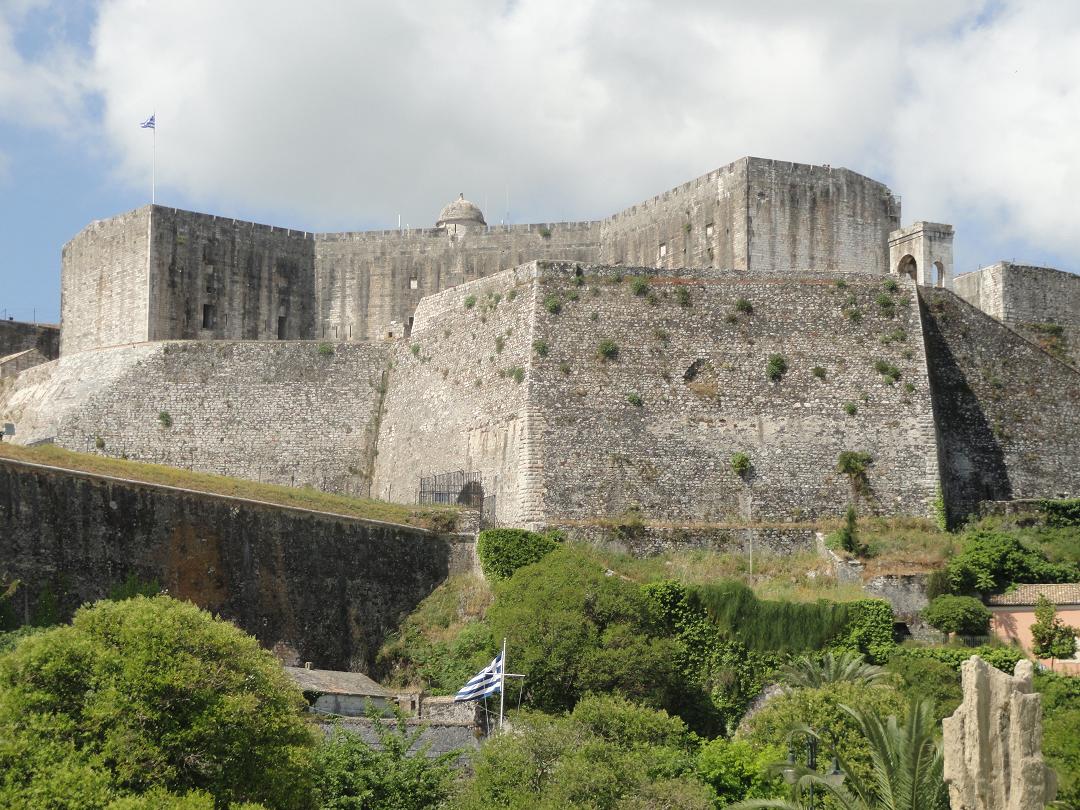
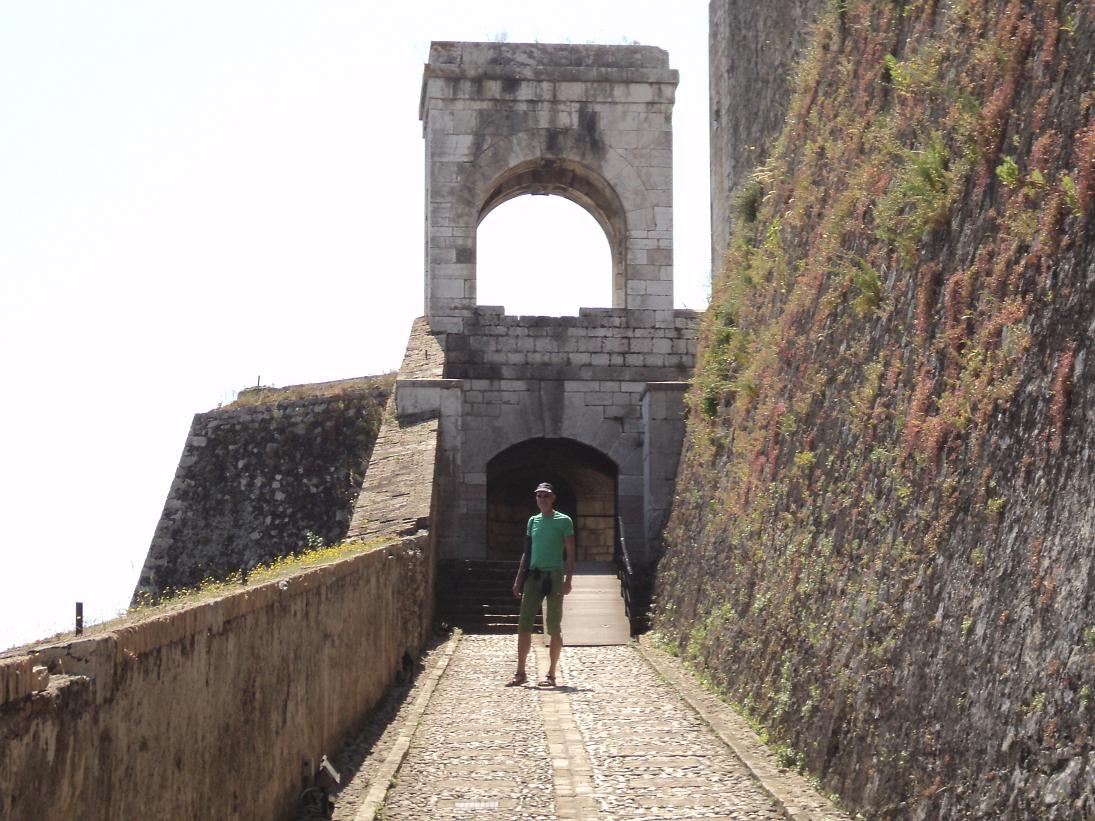
The cozy capitol of corfu Town has around 35.000 inhabitants and it is still small enough to not completely get confused. In the town there are a lot of historic buildings, amongst which are the by the Brittish made castle Mon Repos and the Palace of st Michaël and St Joris. The Venetians too have made their mark on Corfu Town with their fortresses: they build the Old and the New Fortress. In the heart of the town there is a park and there are many nice teracces and shopping streets in a bit of a French style. There are Greek Orthodox churches and there is a cathedral. There are also all kinds of museums in the town, like for instance a Byzantyne Museum and an Archeological Museum. There are two harbours in Corfu Town, both in the north. In the new harbour just outside the center all the (mostly international) ferries sail in, and the smaller boast to Paxos and other places leave from the old harbour east of the New fortress, where also the fishing boats are. The new fortress (which was build 30 years after the old one) dominates the old harbour, and originates from 1576-1589. The buildings on top of it are from the English times and date from 1815. At the foot of the mounrtain there is a busy vegetable- and fruitnarket. Between the old and the new Fortress there is a labyrinth of narrow streets and alleys.

corfu Museums on Corfu.
In Corfu Town there are a number of interesting museums. The Antivouniotissa Museum or Byzantine Museum, situated in the 15th century Panagia Antivouniotissa Church, is standing at the stairs that leads from the Arsenioustreet. There is a small but varried collection of icons and wallpaintings that date from the 15th to the 19th century. There are many portraits of saints and a number of biblical scenes. Many of these icons originate from Crete.
The Museum of Asian Art can be found in the Palace of St Michael and St Joris and the exhibition consists of buddhas, bronze statues, stone sculptures, silk, porcelain, weapons and erotic Indian woodcarvings.
The Museum for Banknotes south of the St Spiridion Church is placed inside the Ionian Bank. It is opened from mondays till sundays (sundays it is closed) between 9.00 and 13.00 o'clock and the entrance is free. In the different halls the story of the making of a banknote is explained.
The Archeological Museum is situated a couple of minutes walk south of the center and contains gravestones, sculptures and statues, theater masks, coins and other things from antiquity that have been dug up.

corfu Escavations on Corfu.
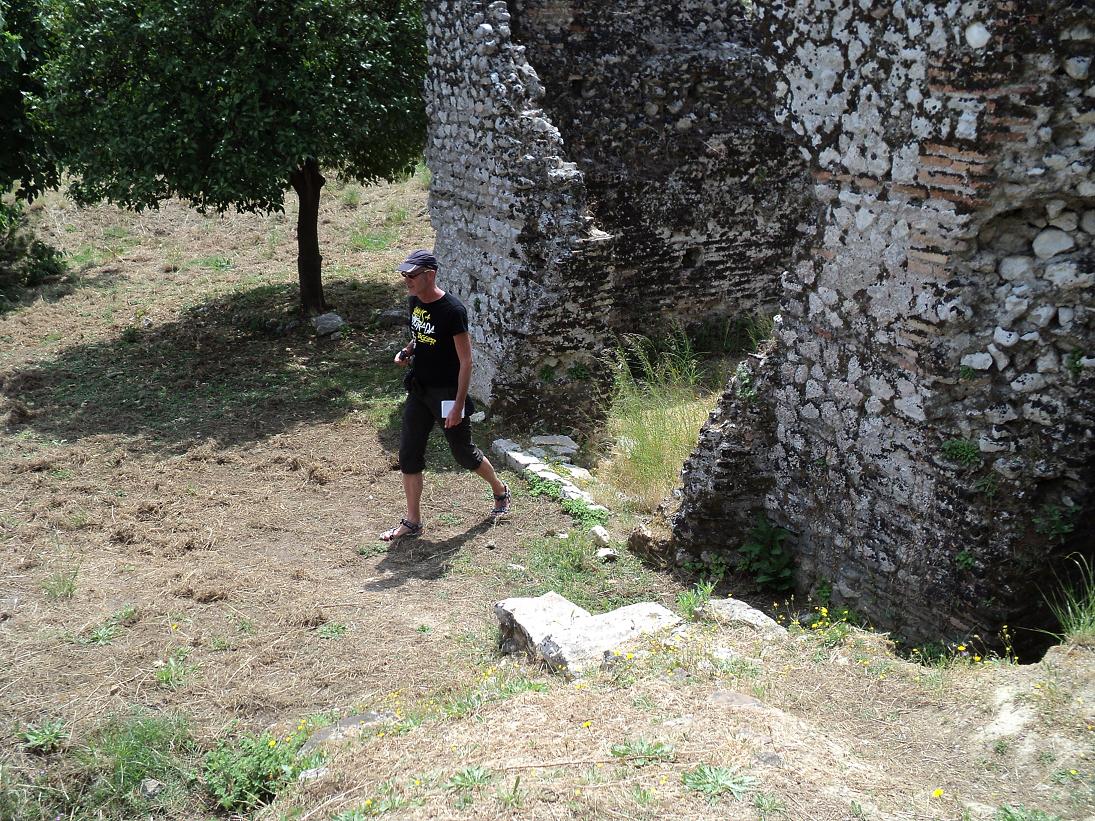
There are not a large number of escavations on the island of Corfu and much still has to be uncovered. In Analipsi, the green (half)island south of Corfu Town, the remains of the Karidi temple have been found. This temple probably originates from the 6th century BC and was dedicated to Apollo. It is the best preserved building from antiquity on the island. The temple itself had eleven colums on each side and six on the two other sides. The temple was discovered by accident by English soldiers in 1822 when they were digging near a spring to see why it had stopped floating. The concealed altar of the temple had sunk a bit down in the ground and this way it had blocked the water supply. Other remains of the old cit cannot be viewed as they are on the private grounds of Mon Repos. Here you for instance find the remains of the largest temple of the island that was dedicated to Hera (4th century BC).
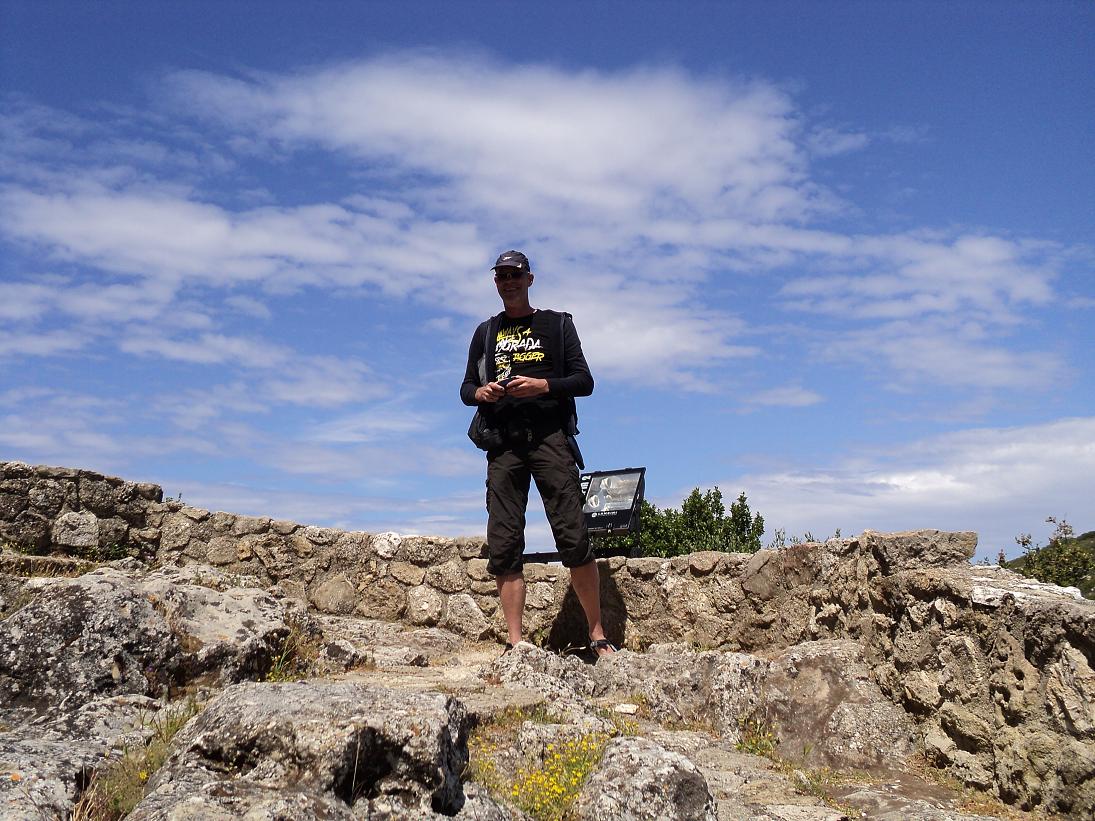
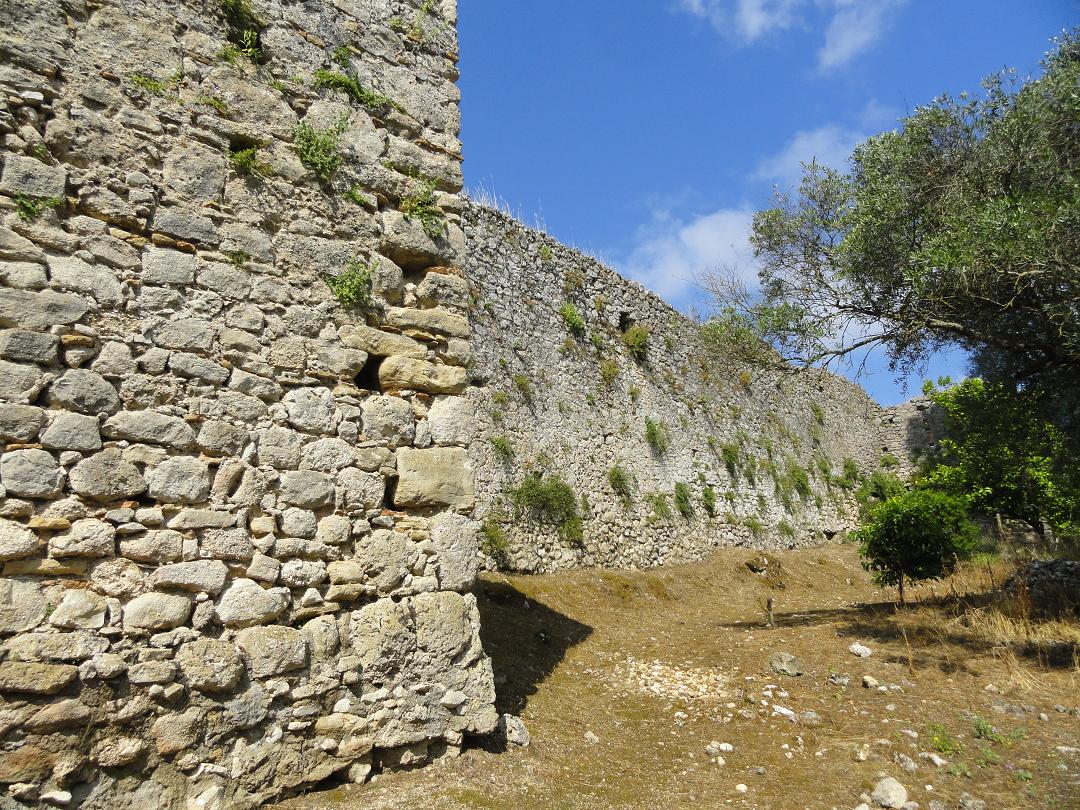
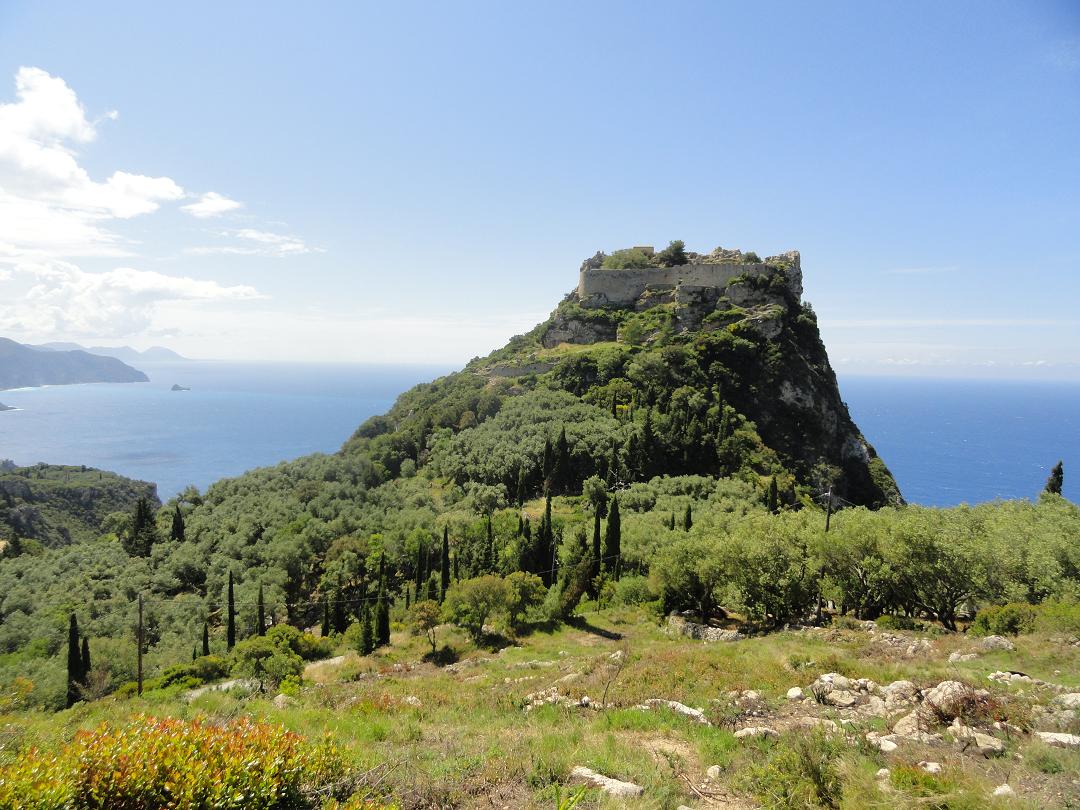
Near Paleokastritsa you can take a look at the ruins of a fortress from the 13th century (the Angelokastro Fortress) and also at Gardiki there are ruins of a 13th century fortress.

corfu Mouse Island or Pondikonissi - Vlacherna.
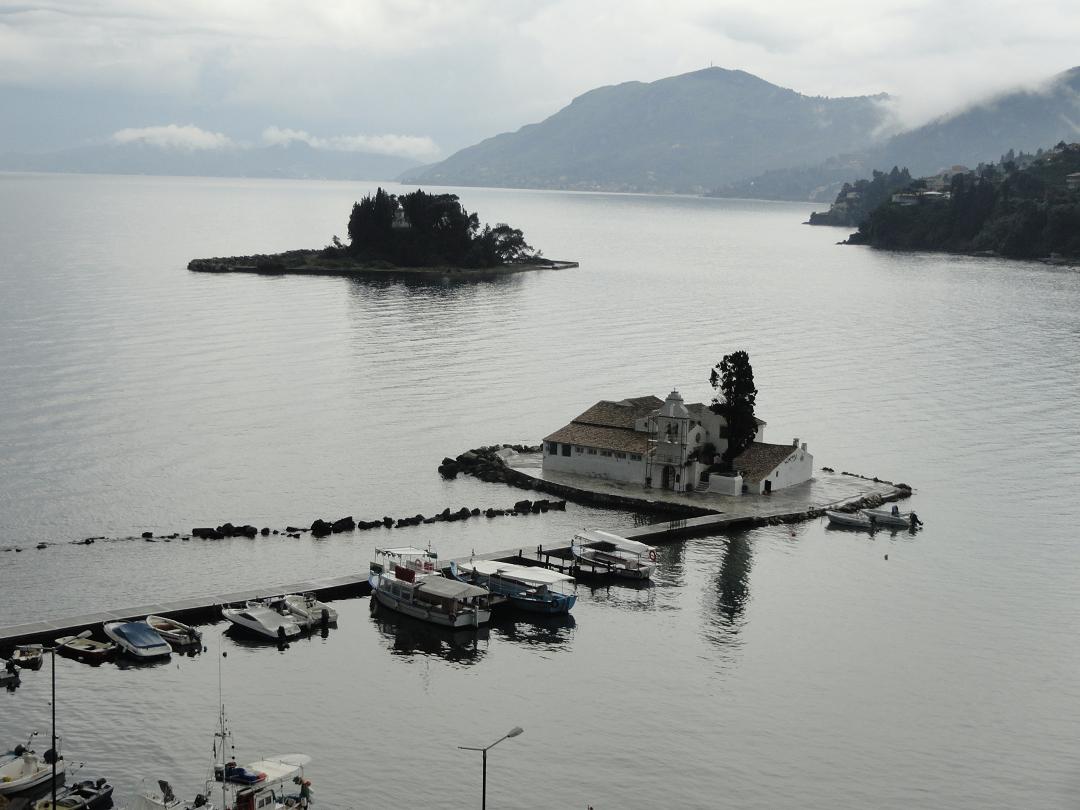
Pondikonissi or Mouse island is the name of the the most remote island in the bay south of Kanoni, just south of Corfu town. The island is often confused with and mixed with the nearer by island of Vlacherna which is connected with the main land by means of a small dam where also some fishing boats are. On Vlacherna there is a white monastery and a very tall tree. This is one of the most photograhped places in the whole of Greece. In the background is Mouse Island. From Vlacherna during the summer months there are boats (in high season every hour) to Corfu town and you can also make a trip to Pondikonissi/Mouse Island. The only building on the island of Pondikonissi is a church that is hidden between the trees. The myth from Homerus says that Odysseus was washed ashore on the island, but other places on Corfu claim the same. The trees on Pondikonissi vaguely resemble mice and thus its name. At a 400 meters distance of Vlacherna is the beginning of the landingstrip of the airport of Corfu, which is placed in a lagune. At Vlacherna there is also a very large and unattractive parking to supply the visitors with a place to park their cars.

Corfu Corfu Corfu Corfu Corfu, Paleokastritsa
THE BEACHES OF CORFU CORFU
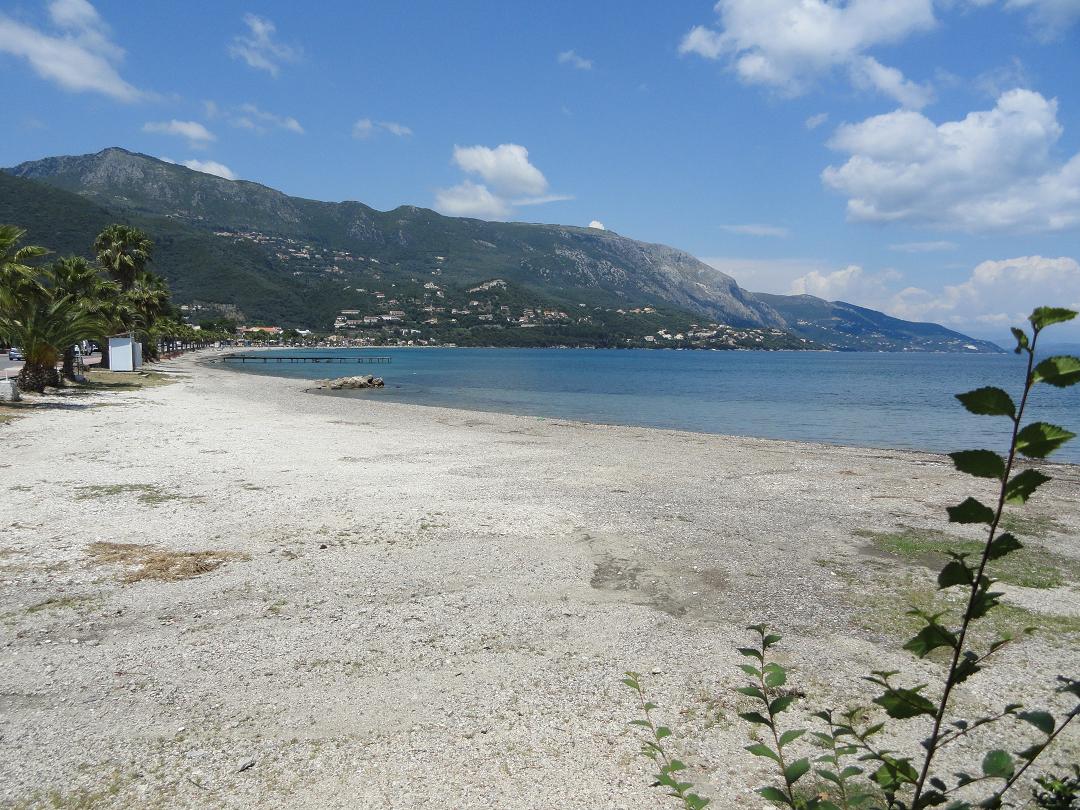
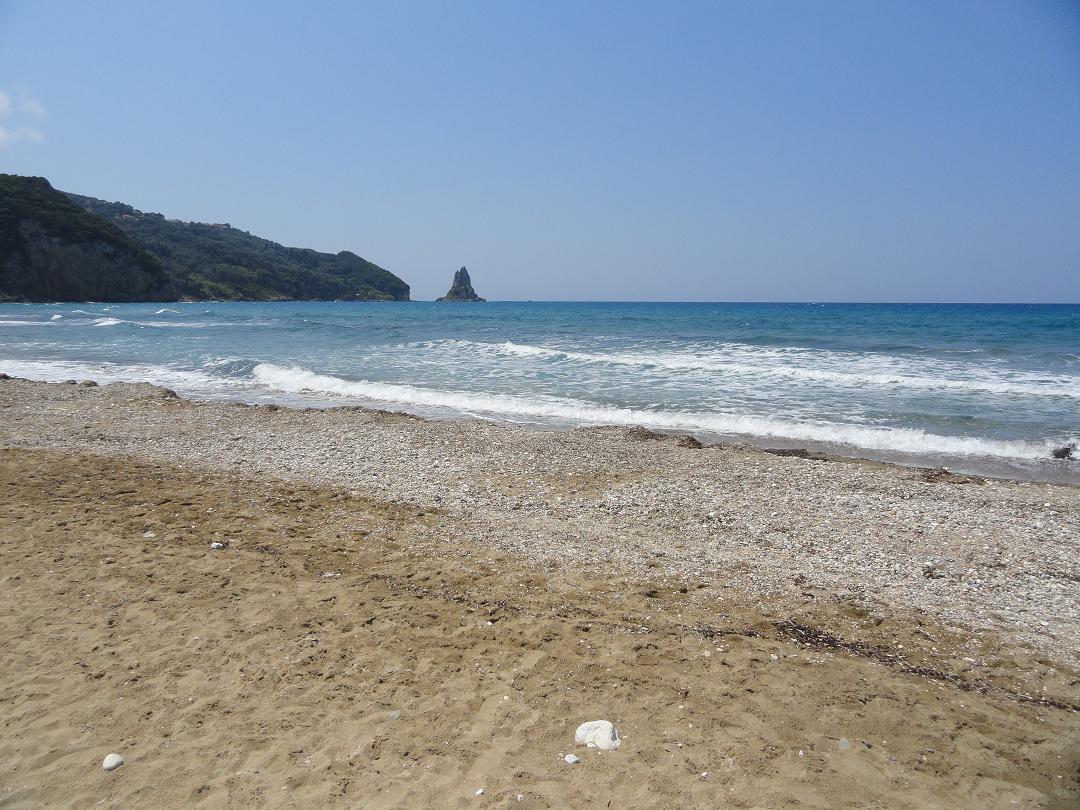
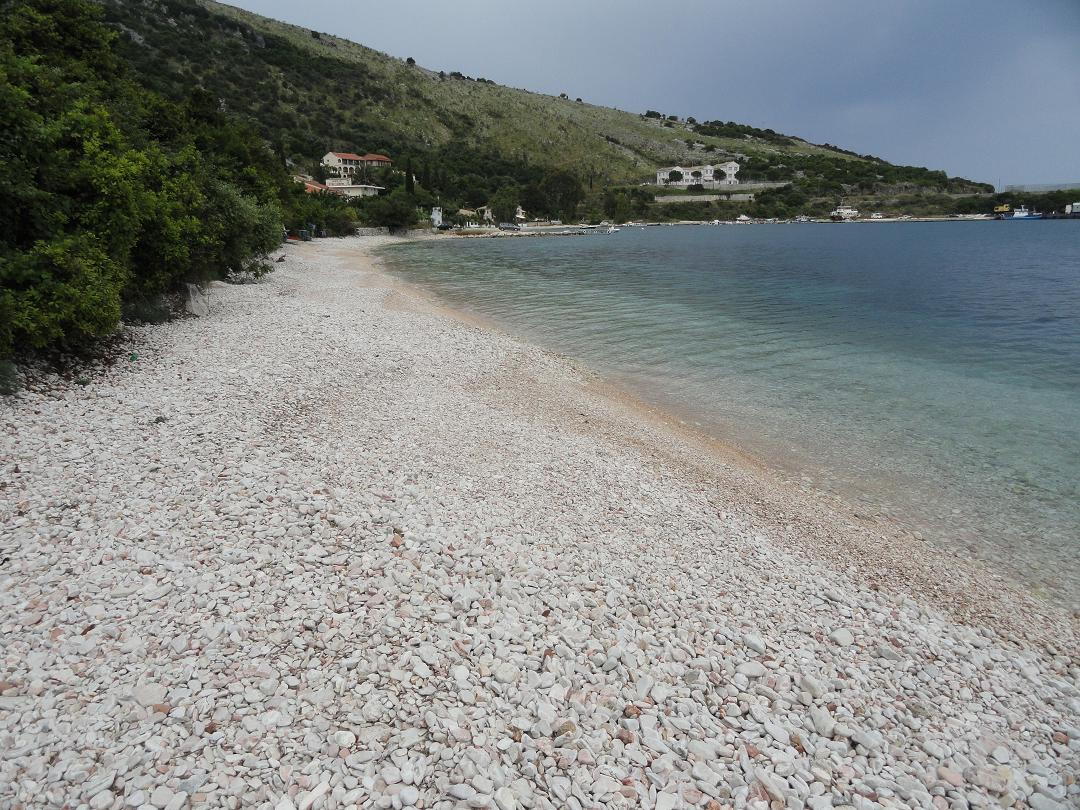
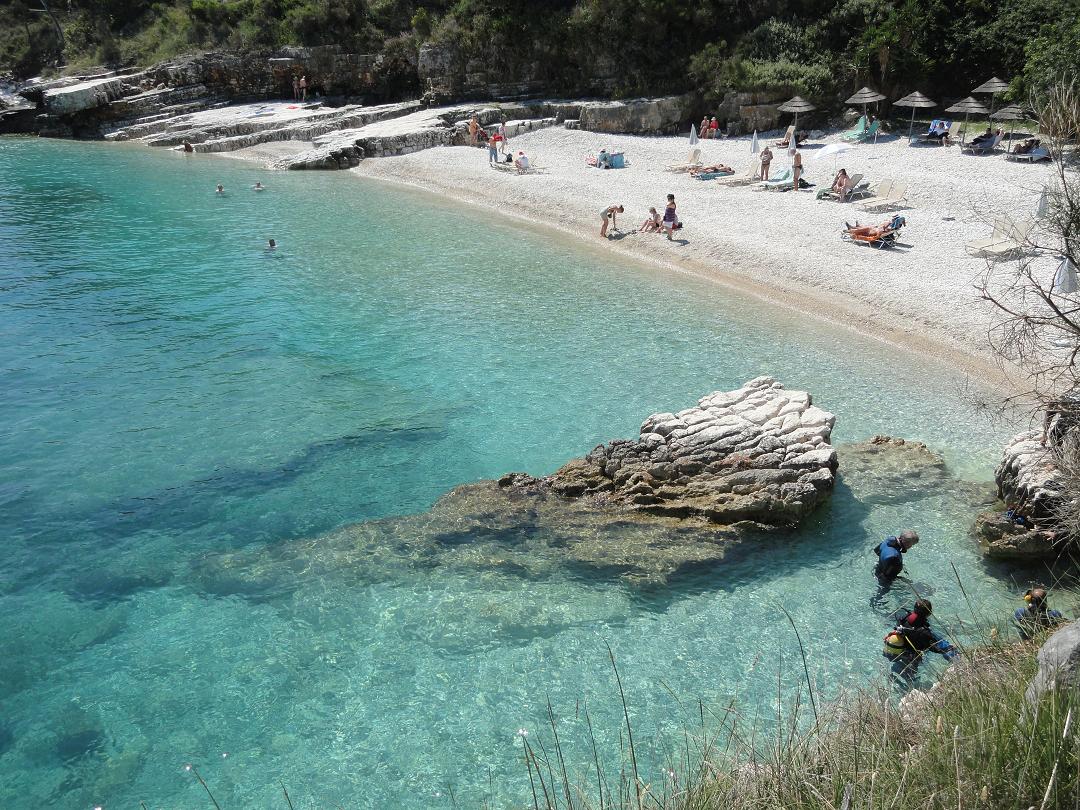
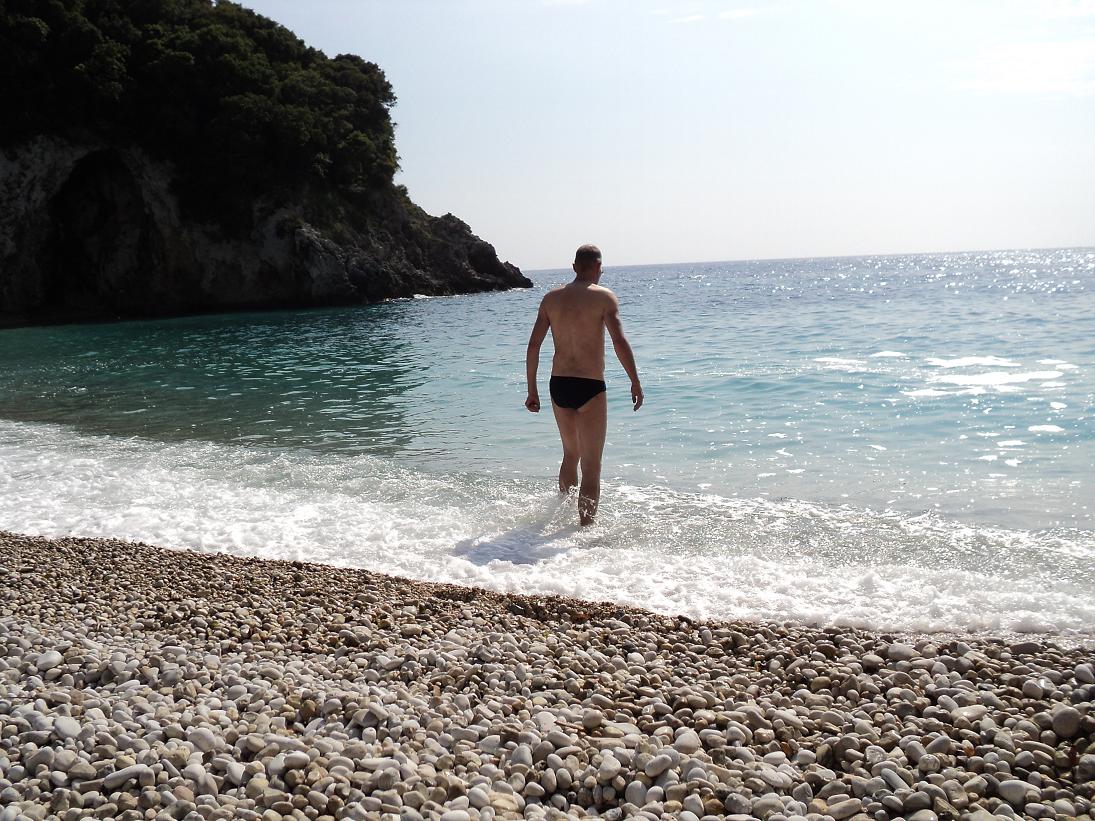
On the rather large island of Corfu there are many beaches, most of them with pebbles or with a mixture of small pebbles and sand. The more busy and touristic beaches are in the direct surroundings of Corfu town. On this page a few of these beaches are described, but off course there are many others. Roughly spoken the beaches in the south and in the north of the island are more quiet and the longer the distance to Corfu town is the more quiet the beaches become. On Corfu there are also a few official (1) and unofficial naturist beaches.

Beaches north of Corfu Town

corfu

Corfu beaches: Kondokali
The village of Kondokali can be found at a six kilometer distance of Corfu Town and it is quite touristic. From the village there are wonderful views over the Bay of Gouvia and the small island of Lazaretto just off the coast. During the Venetian occupation the ships that were suspected to carry pestilence aboard were quarantained on this island, and during the Second World War it was used as a place for executions. Behind it you can see the mainland of Albania. Kondokali is situated a small distance away from the main road and there are several bars, tavernas, shops and hotels. Several small streets end up at the pebble beaches, which can become very crowded in the summer. The bay is well sheltered, rather undeep, and you can play several watersports. Between Corfu town and Kondokali there is a regular busservice. Much of the real old authentic Greek feeling cannot be found here though. corfu

Corfu beaches: Gouvia
A lively and not all too large coastal village just a bit north of the capitol Corfu town. The village consists of a couple of streets with mainly shops, restaurants and places where you can have a drink in the evenings. In Gouvia there is a harbour for sailboats and the beaches are short and not very wide. The village is situated a few kilometers past Kondokali, in the middle of a bay that forms a natural harbour. The views are over the sea and over the Pandokrator mountain. Gouvia is a family kind of place where it is safe to swim, and it is more quiet than Kondokali. There are umbrellas and sunbeds for rent and you can put on the waterskies. Close to the harbour of Gouvia there are remains from the Venetian times. During the First World Wat the French fleet used the bay of Gouvia as a marine base. corfu

Corfu beaches: Kommeno
One of the less known beaches on Corfu is Kommeno, which is situated between Gouvia and Dassia. There are not many touristic facilities in the village, but that is what attracts certain kind of people. Kommeno lays in a small bay and it looks out over Kondokali and the Bay of Gouvia on the other side. There are a couple of good sandbeaches, of which some are reserved for the visitors of the luxury Astir Palace Hotel, that is situated in this village. Kommeno is actually more a cape and a bay than an old village. It is situated at some distance from the busy main road and it is surrounded by forests. Between Corfu town and Kommeno there is no busservice, and the best thing to do is to reach it by car. You can also make the walk from Gouvia village (three kilometer) or from Dassia (two kilometer). corfu

Corfu beaches: Dassia
Dassia is a popular small coastal village north of Corfu town and here you will find many hotels, shops, a couple of bars, a discotheque and a large number of restaurants, and there are also cash machines for your bankcards. Dassia has a lively feeling. The beach of Dassia is a pebble beach and it is long and narrow. Towards the direction of Ipsos the beach gets less and less crowded. From Dassia it is very easy to get public transport to the capitol of Corfu town. The popularity of the village of Dassia is rapidly growing. In spite of the fact that the beach is pretty large it is getting filled up quickly each high season because every year more hotels are build here. The coastal road runs right through the village and on both sides of it you can find the majority of the tourist shops and tavernas. The long pebble beaches are situated away from the main road though and can be reached through narrow streets. The olive tree fields take away the noise from the traffic. "Dasos" means forest and it is named this way because of the many forests in the area. More to the north the pebbles make place for sand. On the beach of Dassia watersports can be played. corfu

Corfu beaches: Ipsos and Pirgi
Ipsos is a vibrant and touristic villaged that is set in a beautiful bay. Here too there are plenty of shops, hotels, bars and disco's and there is a possibility to cash money. The beach at Ipsos is long stretched and covered with pebbles. Just above Ipsos is the village of Pirgi. Originally Ipsos and Pirgi were two seperate villages but time has made them grow together and become one because of all the houses and hotels that were build in the area. The two villages share a slightly curved beach with sand and pebbles and it is also refered to as "the golden stretch". In the background is the Pandokrator mountain. These places are well suitable for people that travel alone and it is very English orientated. In the villages there are plenty of bars and there are parties going on. More fish and chips are served that traditional Greek cuisine so it would be unfair to call them typical authentic Greek traditional villages. Before and after the highseason the beach, just like the villages are much more quiet. During this period they are also suitable for families. There is a good busservice between the villages and Corfu town. Unfortunately in Ipsos the main road is right by the beach. corfu

Corfu beaches: Barbati
The beach of Barbati is situaed two kilometers east of the beach of Pitgi, but this beach is more of a family kind of beach for people that enjoy a more quiet holiday. There are all kinds of facilities on the beach though, like the rental of umbrellas and sunbeds and you can also play all kinds of watersports. The number of shops, restaurants and hotels is much smaller. Barbati has got an impressive surrounding which is more beautiful than those of the coastal villages in the south. The hills are covered with olive trees and behind it is the Pandokrator mountain. The beach is white-ish and consists of some more fine pebbles. The main road runs a bit above the village and the bay is protected from the sea, making it a safe place for children to swim. At the beach there are also many trees that provide shade. corfu

Corfu beaches: Nissaki
In Nissaki just like in Barbati the main road runs high above the village and the different beaches. This is why you can only reach these beaches over steep paths that run down through the olive tree fields. Most of the bars, restaurants and shops are on the main road, but on the large pebble beach there are also a couple of taverna's. Next to the largest of the beaches there are some coves that offer more privacy and you can reach them after a short walk. Nissaki is a pretty small village yet still there is the possibility to play watersports or rent a boat. Nissaki is situated on a 40 minutes busride (22 kilometer) from Corfu town and in the high season there are six busses a day going this direction. The beach can also be reached by boat from the capitol. corfu

Corfu beaches: Kaminaki
Kaminaki is the first village on the coastline where you can catch a bit of the old non-touristic Corfu feeling. The village is situated at a small distance eastwards of the beaches of Barbati and Nissaki. You can reach this beach over a winding curvy road that leads from the main road downwards to the coast. There aren't many hotels and what you can rent is mostly apartments and studios, that are hidden in the tree covered hills. Many of these apartments are pre-rented by travel agencies though, so it will not be easy to find accommodation. The beach of Kaminaki consists of small while pebbles and there are a couple of taverna's. Just behind the beach there are a couple of more taverna's and some shops. A path along the coastline leads you north to other tourist destinations like Agmi, Kalami and Kouloudra. corfu

Corfu beaches: Agni
The beach of Agni is situated on the northeast side of the island of Corfu, just above the village of Kaminaki. The beach can only be reached by a winding and very steep path leading down from the main road, that at this point is at 600 meters above sea level. This long and steep route scares off a lot of the people that want to quickly go to "whatever" beach. In spite of this Agni attracts quite a number of vistors that come walking to the village over the beach or that arrive by boat. Agni has got a steep pebble beach with a couple (three) of taverna's on it. There are sunbeds and umbrellas (for free). These are all the facilities on the beach. It is not very suitable for children because of the steepness of the beach and because of some sharp rocks in the sea. From the beach there is a view over Albania. corfu

Corfu beaches: Kouloura
Before the coastal road really takes a bend to the north, there is still this small coastal village left: Kouloura. Kouloura is even more quiet than Kalami, but it also has a much smaller pebble beach with also some rocks on it. Here there are no sunbeds and umbrellas for rent and other facilities are limited. Kouloura has a cute circle-shaped harbour with some fishermens boats and some tourist yaughts, and there is only one taverna. The route to Kouloura goes over a road with tall cyprus trees on both sides and also along the boulevard in the village harbour there are cyprus trees. "Kouloura" means ring and it derived its name from the round shape of the bay in which the village is situated and because of the shape of the harbour. The mainland of Albania is only a a few kilometers distance here.

Beaches in the northeast of Corfu

corfu

Corfu beaches: Agios Stefanos
Agios Stefanos is a fishermens village in the northeast of Corfu, a couple of kilometers above Kouloura. There is another village with the same name in the northwest of the island (lots of double names here). It is situated a few kilometers away from the main road, at the end of a steep descending road. This road scares a lot of people off. Most of the daytime tourists usually come by boat. In Agios Stefanos there are a couple of bars and taverna's but there is not really much of a nightlife. The beach is large and it is made out of pebbles. After a short walk there are a couple of coves where there are small beaches. In these places it is more quiet and there is more privacy. Albania is only at a 1,7 kilometers distance here. There is a connection by bus to Corfu town, but it stops at the top of the path that leads down and it will only stop there if you ask the busdriver because it is not an official stop. This means you have to walk down, and also: you have to walk up again if you want to take the bus back. From Corfu town there are boats going to this beach. corfu

Corfu beaches: Kassiopi and Avlaki
Kassiopi is a holiday village in the northeast part of Corfu with a mixture of traditional and touristic elements. There are bars and discotheques, but there are also the oldfashioned wooden Greek fishing boats that sail out in order to catch fish. Because of its nightlife Kassiopi manily attracts young travellers. Really big hotels cannot be found here (yet). the church of Kassiopi is said to be in the place where there used to be a temple that was devoted to Jupiter, and on the coast there is also the ruins of a castle that dates from the 13th century. In Kassiopi there are several pebble beaches and sometimes it takes a bit of walking to reach them. On the beaches near to the center of the village you can play watersports. The village has a connection by bus to Corfu town. the trip takes a little over an hour. Next to the beach of Kassiopi is the other less well known beach of Avlaki, which is 800 meters long and more quiet. On this spot there are mainly only Greek people (during the weekend). There are a few taverna's and there is one bar. There are nno shops at the beach of Avlaki. corfu

Corfu beaches: Antinioti Lagune and Agios Spiridon
The lagune of Antinioti can be found in the north of the island Corfu and it is surrounded by fields. on this spot there is an interesting wildlife for plants, flowers and animals, especially for birds of all kinds. There are nightinggales and many other rare birds, and there are swamp-turtles roaming around in the water. Also you can see the rare beachlily with its pretty white flowers. Here you find the sandbeach of Agios Spiridon. There are not many facilities here. There is one taverna on the beach. Behind the beach there is a church. It is a nice area to make walks. Behind the main beach on the right there is a rough path that leads to another, even more quiet beach. At the left-hand side the path leads to the canal which links the lagoon with the sea. The bridge over the canal leads to another area which is also great for making pleasant and quiet walks. corfu

Corfu beaches: Acharavi
A quiet and cozy small bathing resort in the north of the island that is placed in a beautiful setting. In Acharavi there is a large street with passing traffic with plenty of shops, hotels and places where you can have something to eat. It is nice to sit in the restaurants at the beach. There is also the possibility to cash money. In the surroundings of Acaharvi there are a couple of nice beaches. The beach in the village itself is long, clean and quite wide, with sand and some pebbles and it's not so commercial yet. The village of Acharavi is situated not far from another holiday resort, Roda, and these two villages share the same sandbeach. Just outside the village you can still find a quiet place on the beach. The beach itself is about eight kilometers long. The actual village is to be found a few hundred meters away from the beach inwards. Between the coast and the village there are olive tree fields and there are some villas and small hotels. corfu

Corfu beaches: Roda
Roda is on a short distance of another well known tourist hotspot, Acharavi. It is a smal coastal village in the north of the island of Corfu with quite some shops, bars and restaurants. Here too there are cash machines for your bankcards. The beach of Roda is long stretched and good. Roda is a small resort that has already become a bit touristic. It is heavily English orientated, but the beach in the village and the small boulevard are cozy and relaxed. For children it is a pleasant place to be, because the sea is shallow and the beach is wide,. There are many places where you can have lunch or dinner, cute shops and quite a number of hotels in the village, amongst which is the Rhoda Beach Hotel. In Roda there are remains of a Dorian temple from the 5th century BC.

Beaches in the northwest of Corfu

corfu

Corfu beaches: Sidari
Sidari is situated on a very pretty and picturesque beach with beautiful rockformations, and this has changed the village into a popular holiday destination. It is less crowded that in the villages around Corfu town, but still there is a vibrant nightlife, because there are plenty of bars and places where you can go to in the evenings. The (rather quiet) main road runs along the beach. Between the beach and the road there are tavernas and shops and these stop most of the noise from the cars and the other traffic. There is a variety in hotels to pick from, most of them being small family hotels. Really large hotels are not to be found in Sidari (yet). Besides these hotels there are some villas and orchards. Sidari has got many coves where you can find beaches. Along the coastline there are a lot of bays. In the direct surroundings of Sidari you can see the remains of one of the most ancient settlements on Corfu that is uncovered (dating from 7000 BC). The best known place in Sidari is the "Canal d'Amour", where the waves of the sea have in time turned a tunnel in the soft sandstone into a canal. Around this canal there are several fairytales made up, like "when you swim though it when it is in the shade you will allways be happy in love, every couple that swims through it together when it is in the shade will allways stay together, and every women that swims through it will find the partner of her dreams". Men obviously can swimm till they drown, but it is not going to help them find the love of their live. Discrmination? I don't know. Off course it sounds like a lot of non sense for me, the sober Dutch one, but it never hurts to do a bit of swimming and it is good for your health, so why not? corfu

Corfu beaches: Agios Stefanos
Not to be confused with the beach / village with the same name in the northeast of Corfu. The village is also known as San Stefano and it is a perfect place for those people that like their holiday to be quiet. Agios Stefanos is a fishermens village where the Greek wooden boats are laying in the bay. At the beach there are a few tavernas to be found. The village is situated at the northeast point of the island Corfu and there can be some wind from time to time. This is why it has become a popular destination for windsurfers. There are not so many hotels and other kinds of accommodation yet. from Agios Stefanos thers is a busservice to Sidari and from there towards Corfu town. The ride takes about two hours in total and during the summer this bus goes five times a day. corfu

Corfu beaches: Arillas
Arillas is another prettyy quiet village in the northwest of Corfu. The bus connection with the capitol of Corfu town is less regular (in the high season twice a day) and the ride takes about two hours in total. Arillas is less easy to reach and this makes the village more quiet. Just like Agios Stefanos, that is also situated in the northwest corner of the island, there can be quite some wind sometimes. Obviously that wind also makes this village popular with windsurfers. The beach is almost a kilometer long and is laying around a bay. The larger part of the beach consists of sand. In Arillas there are only a couple of small hotels, a few bars and tavernas, a couple of supermarkets and a disco. The beach is shallow and so it is easy to get into the water here. Arillas is a family orientated kind of beach. Laying opposite the beach there is the island of Gravia where you can find some more pretty beaches (there are also people that swim to the island, but than it takes about an hour to get there). At the end of the beach there is a boat rental. corfu

Corfu beaches: Agios Giorgios
Agios Georgios is a small family holiday resort with a long and very wide sandbeach. The village is situated in a bay that is protected at both sides. Behind the village are the green hills of the mountains. This beach is considered to be the prettiest or at least one of the prettiest of the island of Corfu. You can play several kinds of watersports here if you like to, like waterskiing or windsurfing. Because the beach is rather large and because the road doen't pass by the beach it is not (yet) so terriblt crowded on it. In Agios Giorgios there are a couple of small hotels, supermarkets, and quite some bars and restaurants. Lots of hotels are being build, so the peace and quiet in Agios Giorgios is not going to last forever. The village is pretty much English orientated. corfu

Corfu beaches: Paleokastritsa
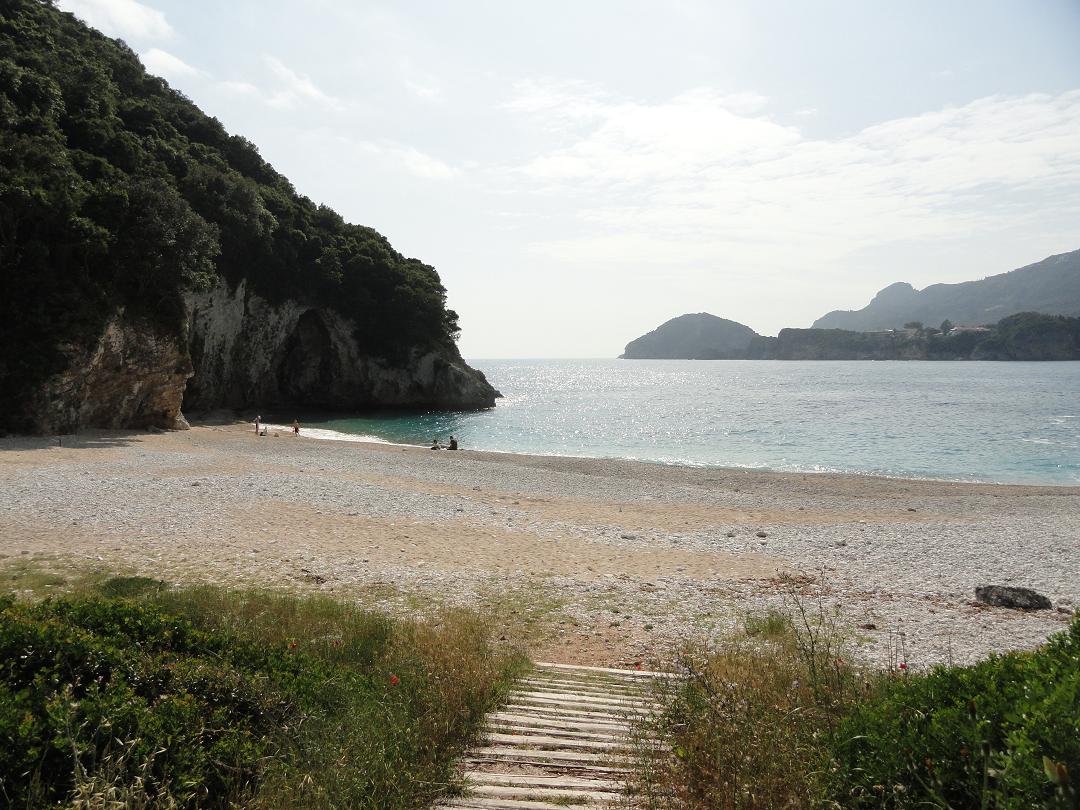
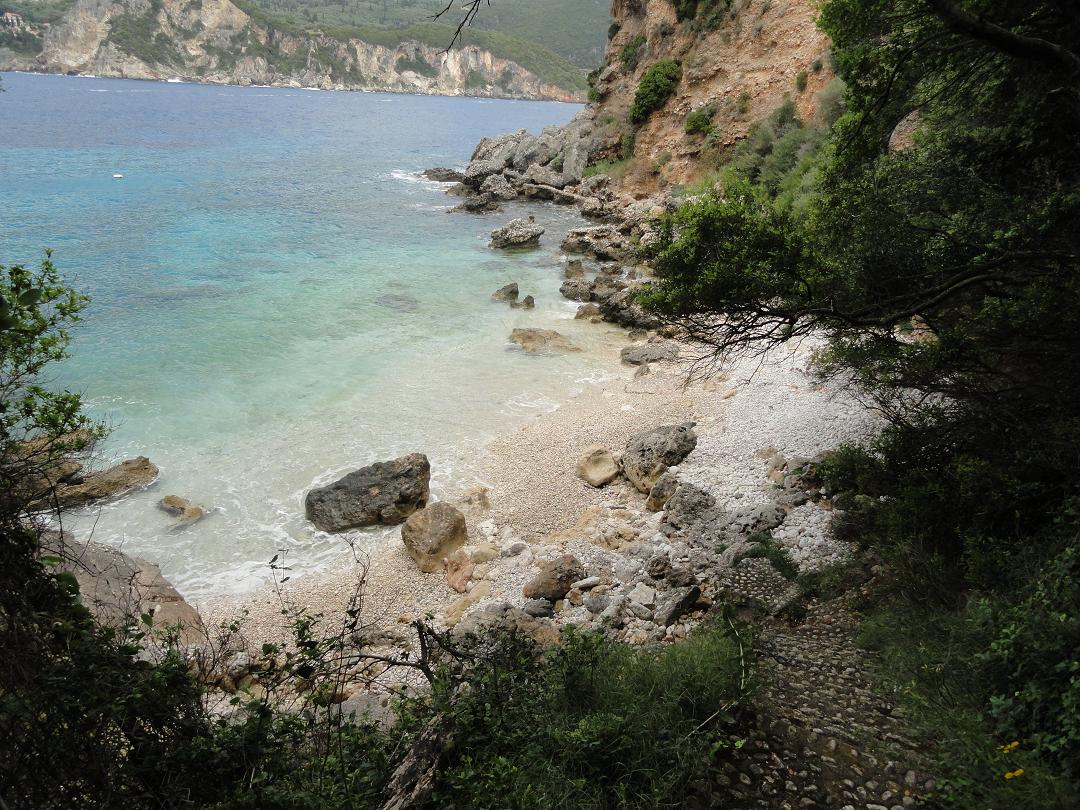
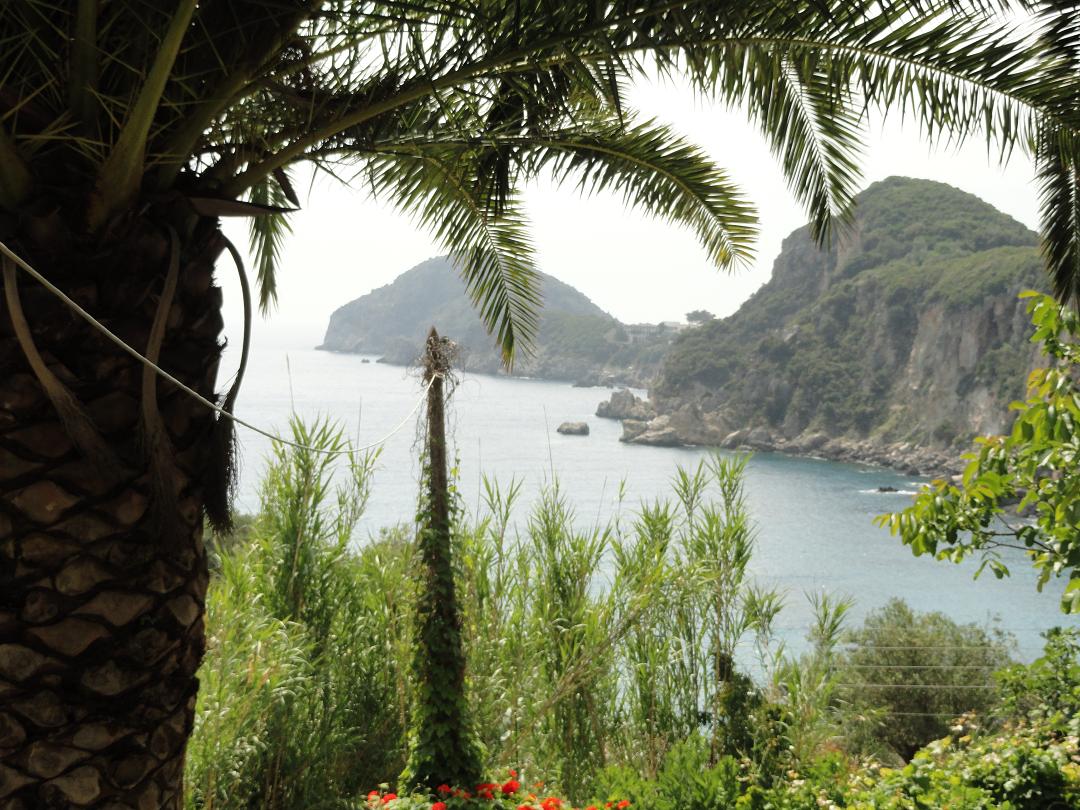
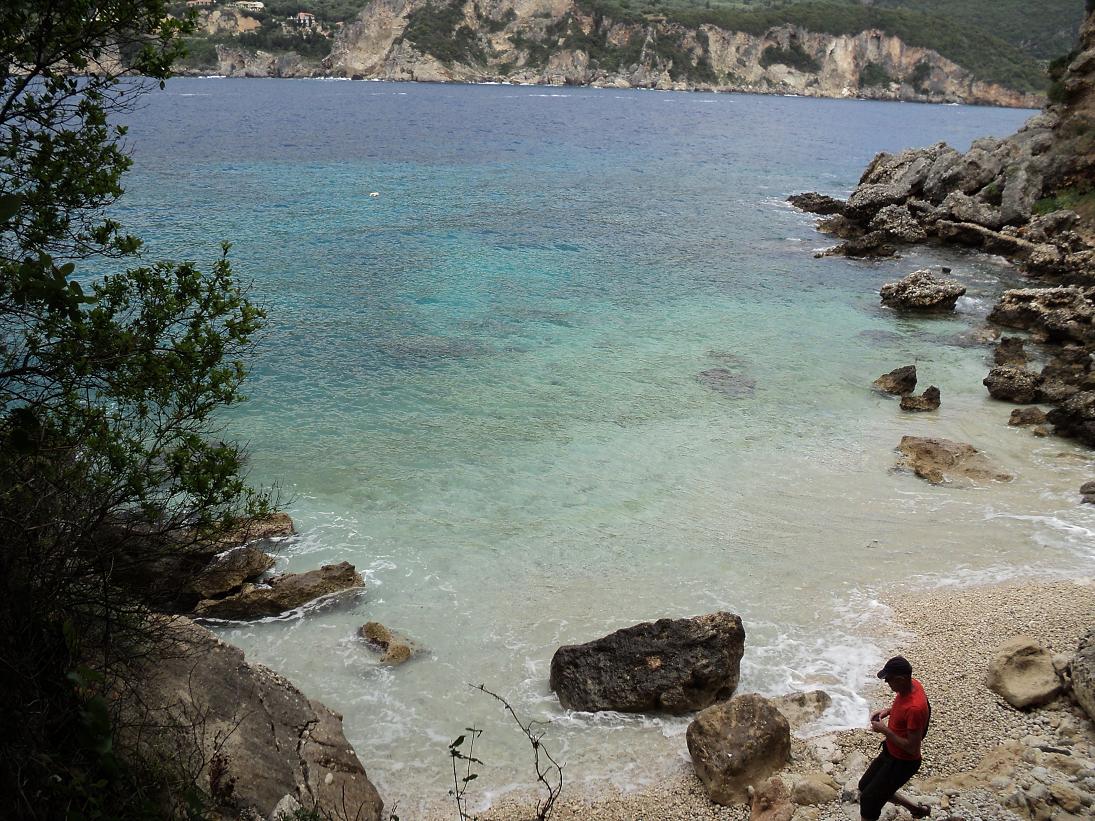
Paleokastritsa is the most popular holidays resort in the west of the island. By many people it is considered as the most beautiful place on Corfu island. At Paleokastritsa there are steep tree covered mountains, beautiful bays with sandbeaches, and nature is at its prettiest here. In the village there are many hotels, apartment buildings and other accommodations and you couldn't really call it a small village anymore. In spite of this the surroundings are still extremely pretty. Paleokastritsa is a bathing resort that is mainly visited by families. There are three coves with beaches and there are several other small beaches in the neighbourhood. The seawater is pretty cold here. There is plenty of accommodation, tavernas and shops to chose from. In Paleokatritsa you can do all kinds of watersports. There is a possibility for a boat trip along the coast and the caves in the area. The streets in the village are steep. All together it is a busy area, but in a spectacular setting where you can make interesting and beautiful walks. corfu

Corfu beaches: Liapades
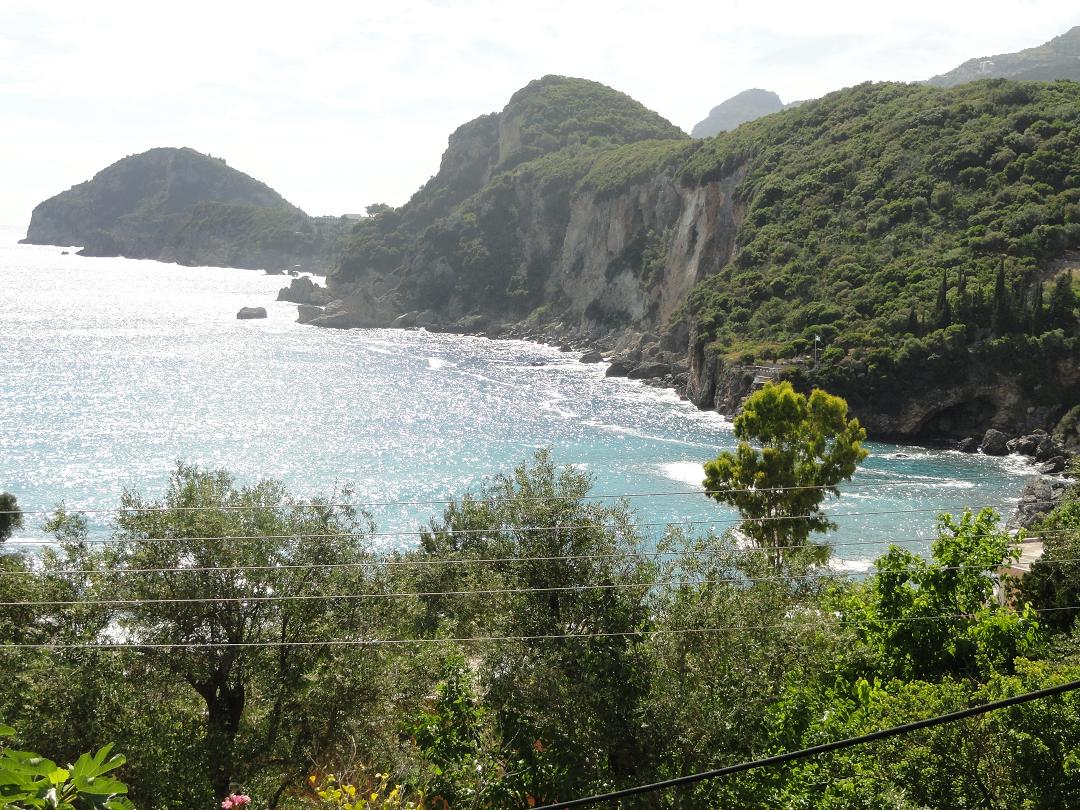
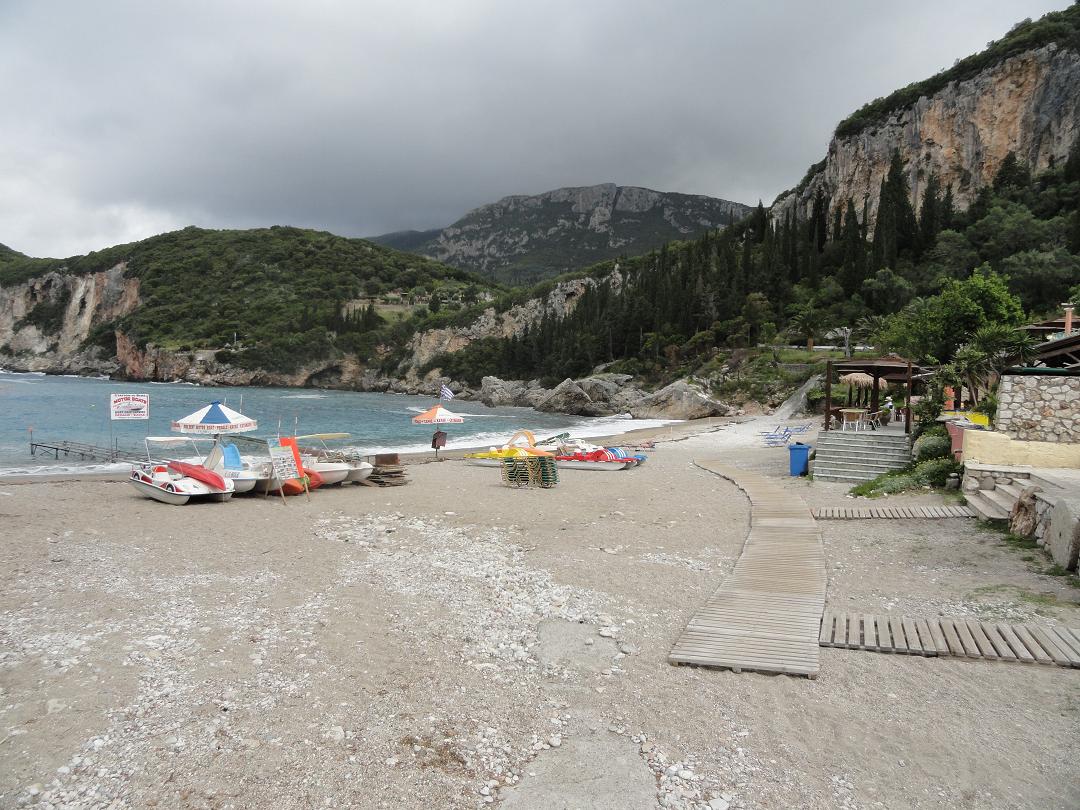
Liapades is a small tourist resort on a short distance south of Paleokastritsa and it is situated on the westcoast of Corfu at about 18 kilometers south of Corfu town. It is placed in an area with forests, fields with grapes for wine production and small farms. The bay is surrounded by high hills with trees like the cyprus tree. Within walking distance over two donkey trails there are a couple of other small beaches. On the beach op Liapades itself there are sunbeds and umbrellas for rent and there is the possibility to play several kinds of watersports. On the beach it is less crowded than it is for instance on the beach of Paleokastritsa. The choice in accommodation is limited in Liapades Bay, because there are not so many hotels and apartments to chose from. From Liapades it is also possible to make boat trips along the coast and see the caves.

Beaches in the middle and the south of Corfu

corfu

Corfu beaches: Ermones
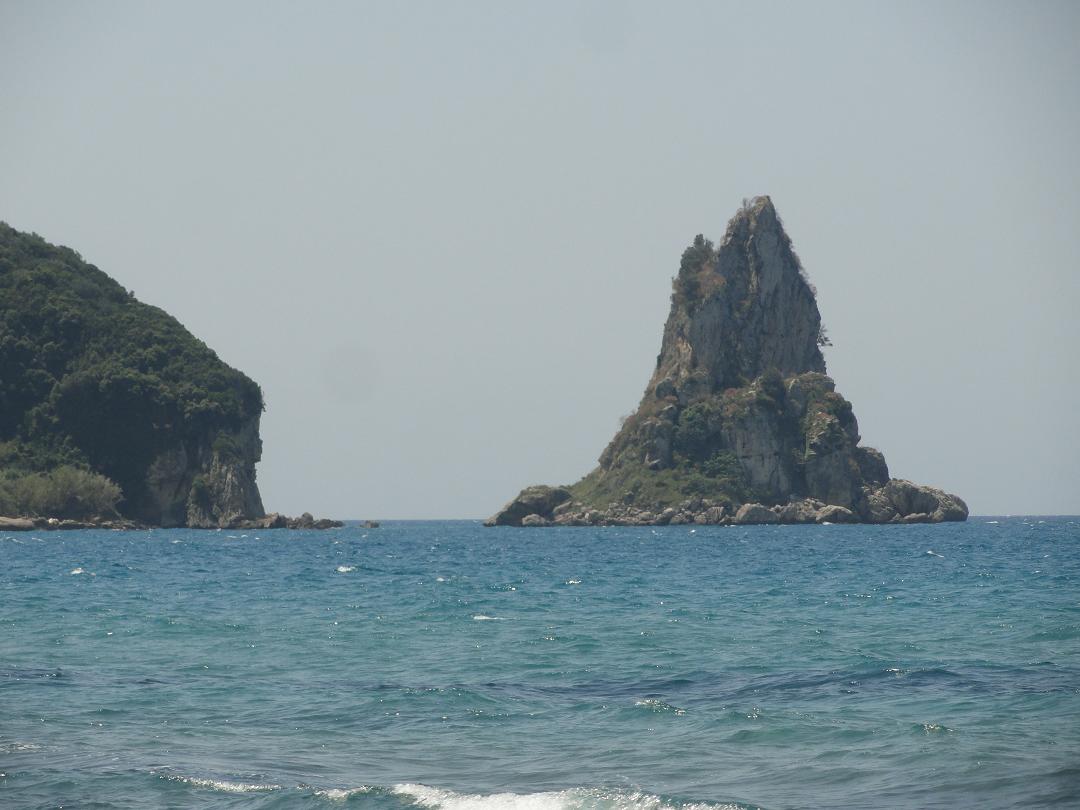
Ermones is situated in the west of Corfu at about the same hight (geographically) as Corfu town. The village is placed at the edge of the Ropa plain and it is a small and busy tourist resort. The beach is a mixture of sand and pebbles. In highseason it can get very busy in this popular village because of all the visitors from Corfu town. There are all kinds of watersports to play and off course also here there are sunbeds and umbrellas for rent. Ermones is not particulairy suitable for children because of all the watersports going on and also because of the beach itself, with sometimes sharp pieces of seashells and pebbles. In front of the bay of Ermones there are rocks, and the legend says that it is a pirate captain that has turned to stone after he tried to steal an icon from the church. Others say it is a nun that has turned to stone. In Ermones there are a couple of tavernas abd a couple of large hotels. corfu

Corfu beaches: Mirtiotissa
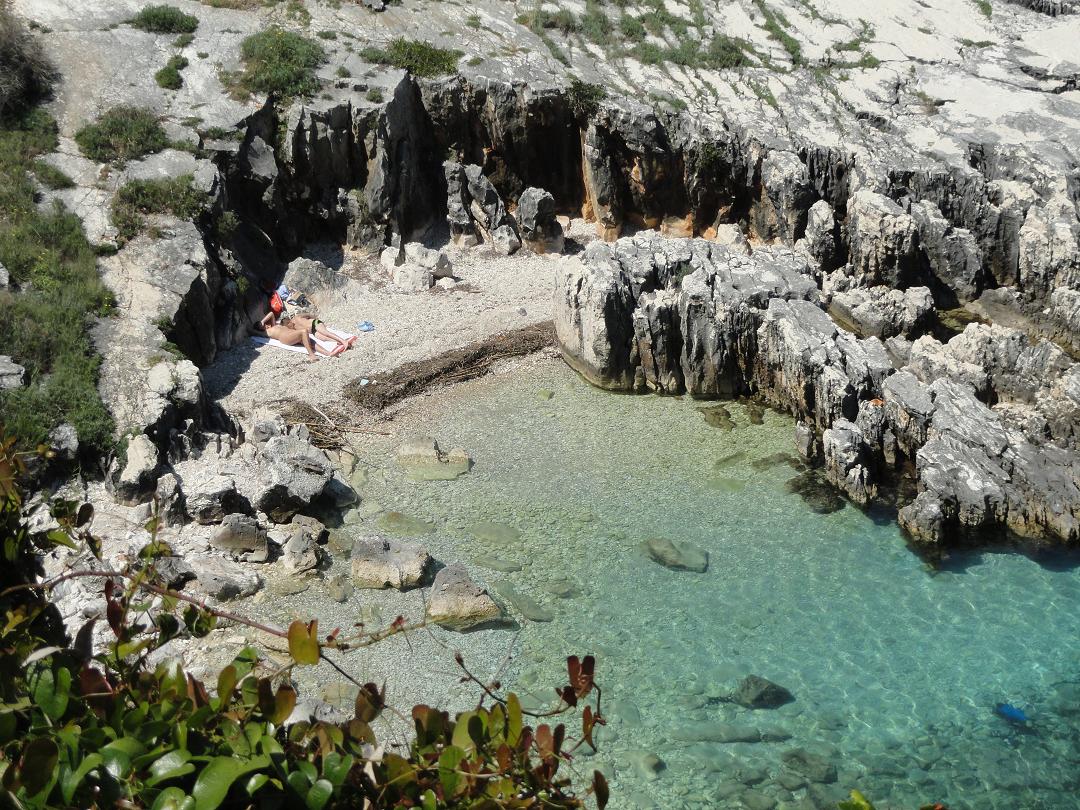
Mirtiotissa is seen as one of the most beautiful beaches of Corfu. This beach is also situated in the west of the island, just a bit under Ermones. Mirtiotissa is the only naturist beach on Corfu (for as far as I understood, but in the southern Agios Giorgios there are other pieces of beach that are unofficialy used a a nudist beach as well). Around the beach the cliffs rise straight upwards from the golden sand and there are many rocks that hold the seawater and there you can see beautiful fish swimming around. You can reach the beach over a steep road that leads from Vatos. The last part of the beach is used by naturists. Closeby is the Mirtiotissa monastery that originates from the 14th century. Here too there is a myth that the monastery was build after an icon was mysteriously found. If you have to believe all the mythts about found icons I believe that more of these religious objects were once in the bushes and under the ground than there are now icons hanging in the churches and monasteries, but it certainly would explain the large amount of these buildings in Greece... The monastery that is standing in Mirtiotissa now is from a later date. The beach is narrow and there a few facilities. Thers are a couple of snackbars though. There are not many rooms for rent, only at the taverna on the way to the beach, and there is a pension about 1500 meters away from the beach. You can drive the road all the way to the end where the beach is but it gets really steep at some points. corfu

Corfu beaches: Pelekas or Kontogialis Beach.
This beach is sometimes named Pelakas Beach (because the village above the beach has that name) and sometimes it is called Kontogialis Beach. It is situated in the southwest of Corfu, just below Mirtiotissa and still above Agios Gordis. The distance to Corfu town is about thirteen kilometer. The beach is a sandbeach and it is an organized beach with facilities (umbrellas, sunbeds, watersports etcetera). In the old days Pelekas used to be a hippy paradise, but nowadays it is sort of quiet again. The beach is surrounded by hills with olive trees. At the beach there are several tavernas and a few mini-markets, and there are some bars. Just above the beach, in the village op Pelakas itself, there are cash-machines for the bankcards and you can also for instance rent a car there. Directly at the beach and just above there are a couple of small hotels and apartment buildings where you can rent a room. corfu

Corfu beaches: Glifada
Glifada is not really a village but more like a long sandbeach with facilities and a couple of tavernas. The beach is situated in the west of the island Corfu just below Ermones and Mirtiotissa. Behind the beach are the steep green hills. This beach too is only reachable over a steep curvy road. At the beach there is a large hotel, which is named the Grand Hotel Glyfada, but besides this hotel there is not much for accommodation. During the daytime it can get quite busy with day-visitors, but in the evenings when these have gone it is more quiet. The beach is rather long and wide and it is a sandbeach. It is not very suitable for children because of the strong undercurrents in te sea and because of the fact that the beach at some places goes very steeply into the sea. At the beach you can play several watersports, corfu

Corfu beaches: Agios Gordis
Agios Gordis is a beautiful and long stretched beach surrounded by two capes that stetch all the way into the sea. This beach is situated southwest of Corfu town on the west side of the island (on about the same geographical height as Benitses, which is on the east side). On the beach there is a large hotel, the Agios Gordis Hotel, which dominates the beach. Just like Glifada, this is more a like a beach with facilities than a real village. Agios Gordis used to be quiet, but it is becoming increasingly popular, and is visited by more and more people each year. Many new hotels were build in te area. Behind the beach there are olive tree fields with houses and some villas. In Agios Gordis you can play several watersports and there is also a diving center. The long beach consists of sand and small pebbles. The water of the sea is very shallow and so it is also suitable for children. Close to the beach are the tavernas and the shops. Agios Gordis has a regular bus service with Corfu town, going over Sinarades. The journey takes about 45 minutes and in the highseason the bus goes seven times a day. corfu

Corfu beaches: Messonghi.
Messonghi in the southeast of the island of Corfu is sort of quiet, even though there are plenty of hotels, tavernas and shops in the village. This tourist center has more or less retained its village identity. It is situated on the eastcoast just below Benitses. The last few years plenty of hotels have been build here, but even in spite of the presence of large hotels, the camping, the houses and the villas, there is still some kind of a feeling of being in Greece. On the about 1 kilometer long stretch od beach between Messonghi and Moraitika all kinds of touristic facilities have been made. The beach is a mixture of sand and pebbles and it can get quite busy. Floating through Messonghi is the Messonghi river and the land is quite fertile. There are lots of ald olive trees in the area. Near the village are the remains of temples. On the hill behind the village for instance are the remains of a temple that dates from the third centuru BC. The area around Messonghi is suitable for making walks, inwards along the river, or southwards along the coast. Messonghi has a regular busconnection with Corfu town. corfu

Corfu beaches: Moraitika.
In Moraitika, just above Messonghi you can find a number of the largest hotels on the island of Corfu. The Messonghi beach Hotel with its 870 rooms is sort of a village on its own and stands on a private beach at the sea on the edge of Messonghi village and Moraitika. This is also the residence of the large and luxury Miramar Hotel and a whole list of other large hotels in all sorts of classes. Because of this the village has not a real heart and is more or less just a holiday colony with one hotel after the other. In Moraitika you can play all kinds of watersports, and there are plenty of bars, disco's, restaurants and shops. The village of Moraitika is not really authentically Greek anymore and its for lovers of people who like sitting next to eachother in a crowd. In the village, just off the main road you can see the remains of a Greek-Roman villa and a bathing house. corfu

Corfu Benitses: Benitses
Benitses in the southeast of the island, at a 12 kilometer distance south of Corfu town, is a cozy bathing resort with lots of shops, bars and restaurants (many of them are fastfood restaurants). There are cash machines for your bankcards here. Benitses has a vibrant nightlife. The beach here is long an narrow with sand and pebbles and the water is shallow, so safe for children to get into the sea. You can rent sunbeds and umbrellas here. The beaches around Benitses are short and narrow and the surroundings are green and attractive, and suitable for making walks. In Benitses near the square in the harbour are the remains of a bath dating from the Roman times. Benitses is not really quiet or typically authentic and Greek. It is an international feeling busy tourist resort with many people from england. The beaches are not so wide and they can quickly get very busy, especially in the highseason. Many of the beaches are pebble beaches. This place attracts lots of families, but also single people that come for the nightlife of Benitses. There are plenty of bars and discoteques to chose from. In Benitses there are more than 2000 beds for the touristst. Still it is a little bit of a Greek village because of the usual Greek wooden boats in the harbour. The main road in Benitses goes right through the village. From Corfu town there is a regular bus connection to Benitses and the journey takes about an hour. corfu

Corfu beaches: Perama
The village of Perama is situated a little bit south of Corfu town, opposite Pondikonissi (or Mouse island). It is connected with Kanoni through a dike. This village is the first large tourist resort south of Corfu town, but just like Kanoni is is close to the airport. In spite of this there are many hotels to be found in this widely spread village with its old center. Most of these hotels are placed in rows along the coastal road at the different small pebble beaches. Don't expect really beautiful long sandbeaches here. You can play all kinds of watersports here and there is also a variety of bars, restaurants and shops to chose from. There are also a couple of discotheques, but the nightlife is not as grand as it is in the village of Benitses, 3,5 kilometer away. Perama is placed in a beautiful green setting. The connections with Corfu town by bus are excellent (in the high season there is a bus to Perama and Benitses every half an hour).

Beaches in the south of Corfu

corfu

Corfu beaches: Agios Giorgios and Santa Barbara
Another bathing resort on Corfu with this name and not to be confused with the village in the northwest of the island with the same name. This Agios Giorgios is situated in the southwest of the island beneath the lake of Korission. In Agios Giorgios there are several long sandbeaches around a cape, and outside the village there are more sandbeaches to be found, some of which are unofficially (or used as) naturist / nudistbeaches. Alle the beaches together between the lake of Korission and the beach of Santa Barbara, stretch for almost 12 kilometer, and so you will allways find a quiet spot for yourself. The village od Agios Giorgios itself is not very authentic and mainly build with an eye on tourism. You can practise all kinds of watersports here and it is a nice place to swim. In the surroundings there are several small hotels and many of them are in the shape of apartmentbuildings, bungalows and villas. The bus between Corfu town and Agios Giorgios only goes once a day. Santa Barbara (also named Agia Varvara) is situated just south of Agios Giorgios and it is more quiet. There is a large and wide sandbeach with a couple of tavernas on it, and you can also rent a room here. There are a few shops in the village as well. santa Barbara is a coastal village where lots of building is going on. In the surroundings there are other beaches to chose from, like Kanouli, Halikouna, Skidi and Prasoudi, where it is also quiet, and where you can for instance rent a villa or an apartment if you want to get away from it all. corfu

Corfu beaches: Paramonas
In the west of Corfu between the beaches of Agios Gordis and Prasoudi is the beautiful sandbeach of Paramonas. in front of the beach in the sea are some rocks. This is a quiet beach with sand and a couple of pebbles, and there is not much accommodation to be found in the surroundings. There is one hotel, the Paramonas Hotel, and there are some apartments and villas for rent. Besides that there is at the beach just a handful of tavernas and one mini-market, and there is no nightlife. Here you go to for peace and quiet. The village is small and not many people live there. it is possible to rent a sunbed and an umbrella though. At a 2,5 kilometer distance is the village of Matteos where you can catch the bus to Corfu town, that is around 25 kilometers away. corfu

Corfu beaches: the lake of Korission
This large undeep lake is situated just above the village of Agios Giorgios in the southwest of the island of Corfu. It is a protected nature reserve. In this area around the lake there are kilometers of long beaches and sanddunes, and it is a good place to take in some sun. It is prohibited though to swim in the lake itself. There is an interesting flower and animal life in and around the lake. It is is sweetwater lake and lots of birds are attracted to it (over a hundred different species), like wild ducks, flamingos, sometimes an ibis and many rare species of birds. At the lake you can also find special kind of flowers, like lilies and orchids. The lake is six square kilometers in size and it is protected from the sea by a row of dunes, and so at the seaside there is a large beach. Here it is not very busy. corfu

Corfu beaches: Petriti and Boukari.
Petriti and Boukari are two small villages that are situated in a bay (the bay of Lefkimmi) in the southeast part of Corfu. Petriti is the largest of the two villages. Here tourism is not the main thing yet, and though there are some facilities, it is not on a scale yet like it is in for instance the villages of Kavos or Messonghi. The nightlife is not very spectacular, with a single bar, some shops and a couple of tavernas. There are no facilities like sundbeds at the small pebble beach in the village. Just outside the village in the north and in the south there are several other sand beaches you can chose from. There are no hotels, but you can rent a room here. Boukari is placed a little north of Petriti and in this village you can find a couple of small hotels. Both villages are quiet and quite authentically Greek, and it is for people that like it quiet and that like to see the real Greek life. corfu

Corfu beaches: Kavos.
All the way in the southeastern point of Corfu, just before the cape of Asprokavos with its abondonned monastery, lies the "party village" of Kavos with its beautiful three kilometer long beach. It is a village for young single people that enjoy the nightlife because Kavos is a vibrant place with lots of bars and discotheques that stay open until early in the morning. There are also plenty of restaurants and, mostly smaller, hotels and apartment buildings, and also villas to chose from for accommodation. All facilities like umbrellas and sunbeds, and a variety of watersports that you can do are here. From Kavos it is also possible to make daytrips to the nearby island of Paxos. The beach is shallow and so it is easy to get into the water. The view is of the mainland of Greece. There is a regular bus connection with Corfu town which takes about two hours. Just like in many other villages of Corfu it is mainly visited by people from England. corfu

Corfu beaches: Gardenos.
The long and beautiful beach of Gardenos is situated all the way in the southwest of the island, at about 12 kilometer distance of Kavos (but then on the other side of the island). In the background of the village there are olive tree fields, fields with wine grapes and fruit trees. This beach is as good a unspoiled and on many road maps of the island it is not even mentioned. It is not far from the traditional old village of Vitalades, with its nearby monastery, and at a 35 kilometer distance of Corfu town. At the beach there are a couple of hotels and there are a few apartments for rent. There is also a handful of tavernas and a mini-market. Gardenos drives its name from the Gardenos river that floats int the sea here, and that divides the beach into two. This beach would be a good option for people that want to escape the crowds in Corfu. corfu

Corfu beaches: Molos.
The beach of Molos is surrounded by olive trees and saltpans in the southeast of the island of Corfu, at about halfway between Boukari and Kavos (at 4 kilometer), close to the village of Lefkimi. Corfu town is about 45 kilometer away. The village has got a sandbeach and the sea is shallow. There are some hotels, apartment buidings, taverna and shops, but the amount of tourists is nothing compared to for instance Kavos, to whic it is so close. Here you can still find peace and quiet. The disco's are not here. Instead there isa harbour with small wooden fishingboats and close to the village there is also a cute small church (the Agios Ioannis church). Because the sea in Molos is so shallow it is also a place suitable for families with small children.

Liapades Corfu Liapades Corfu Liapades Corfu
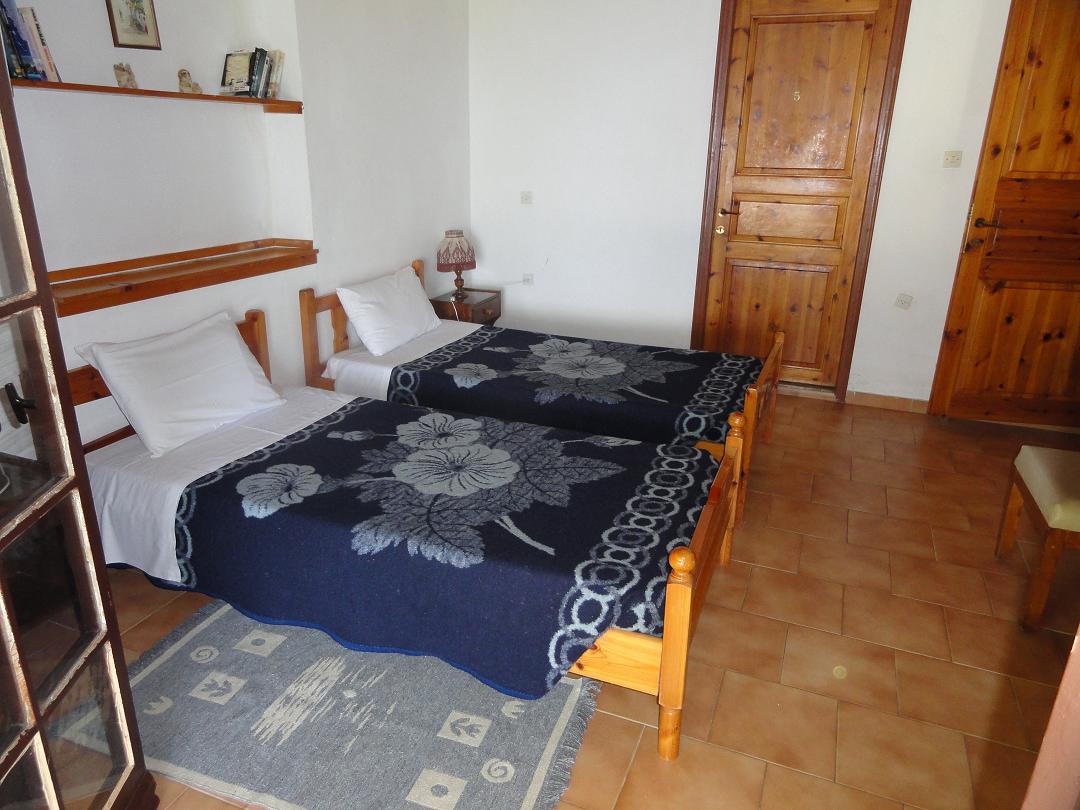
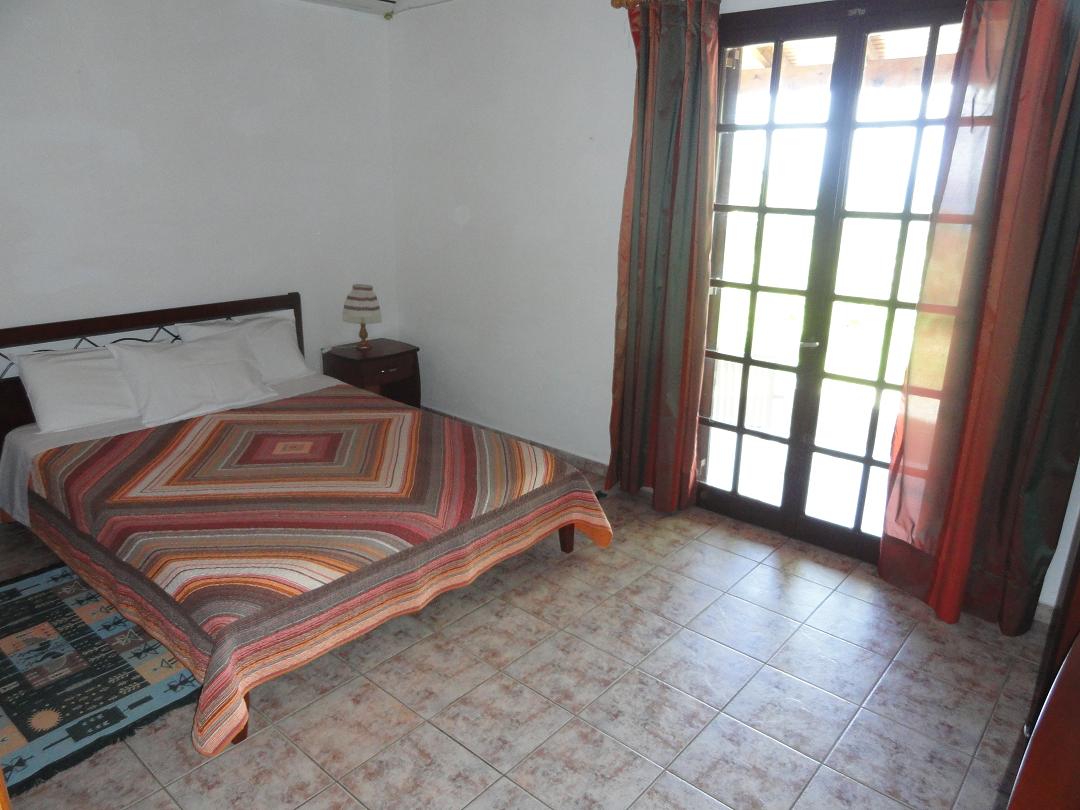
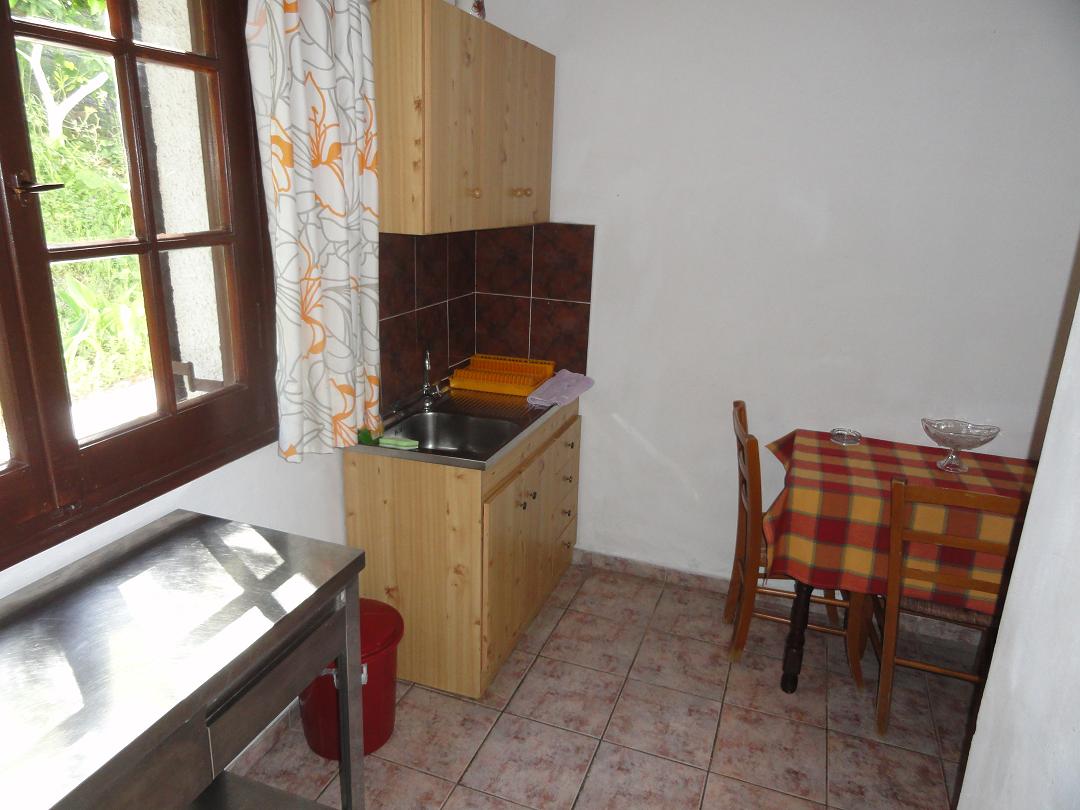
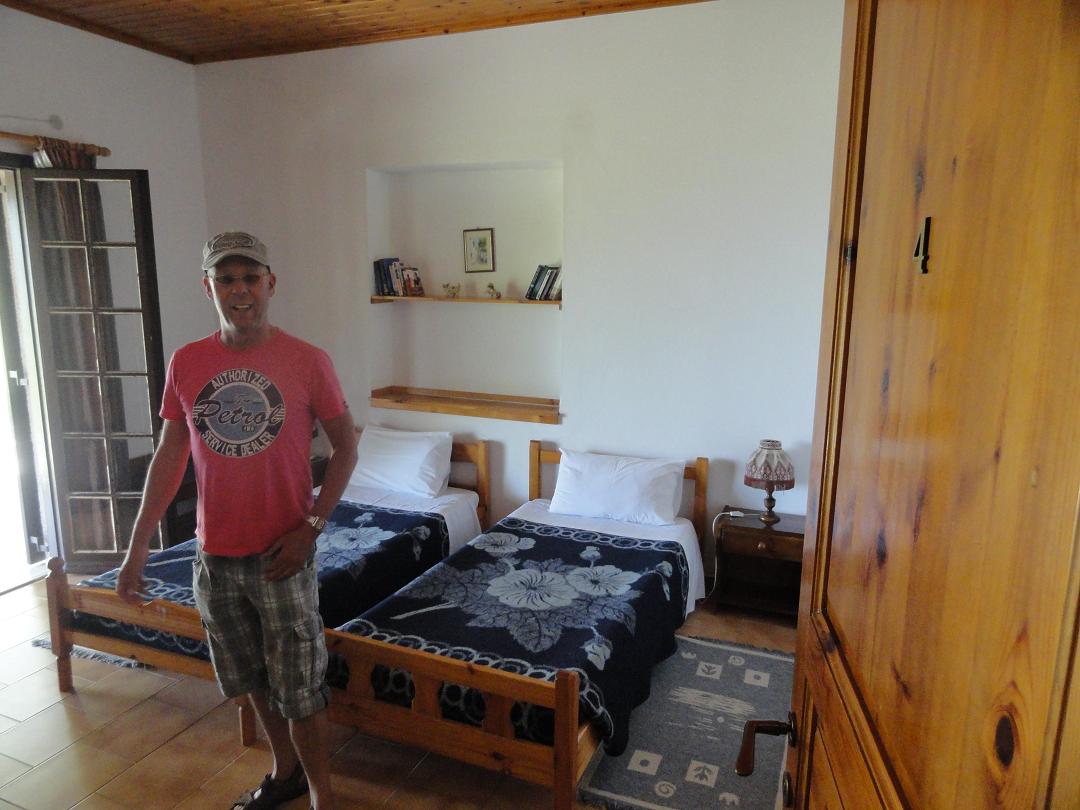
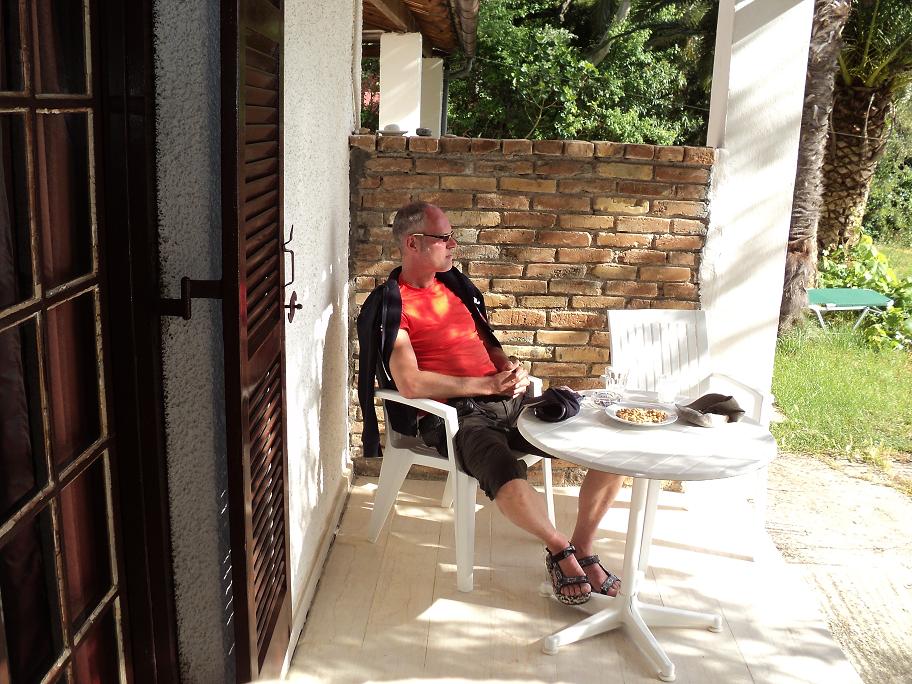
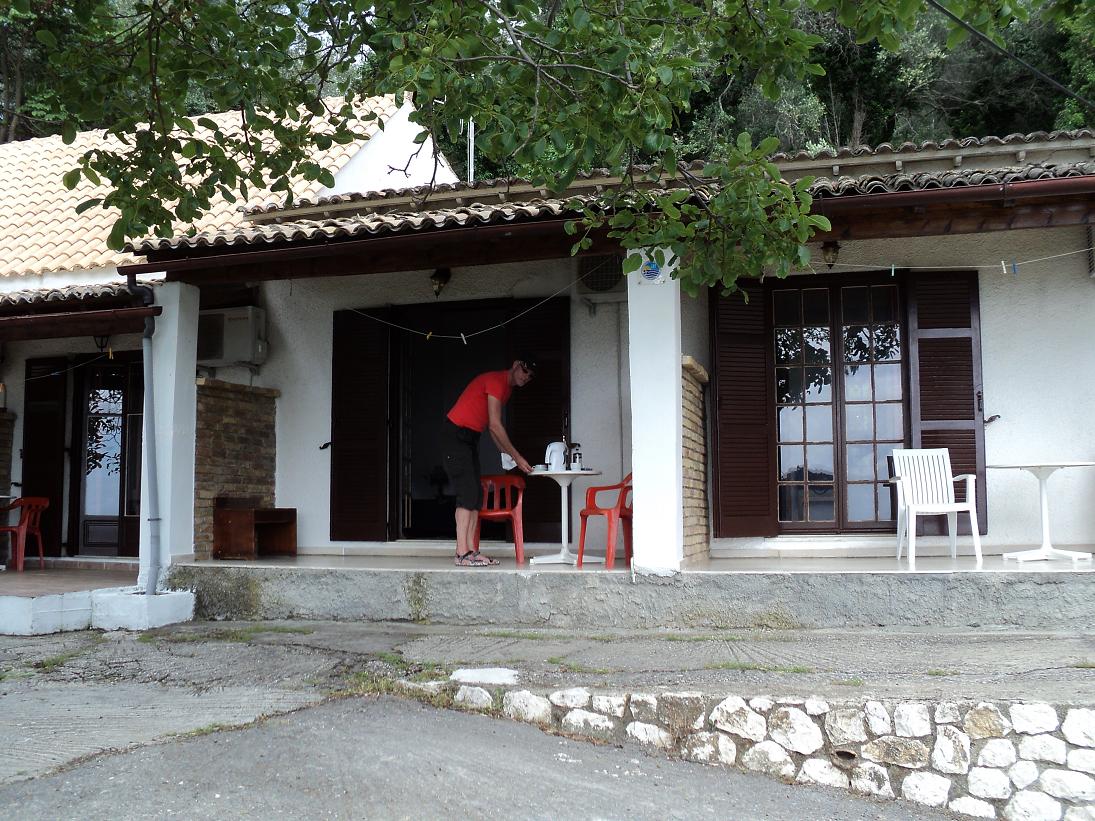
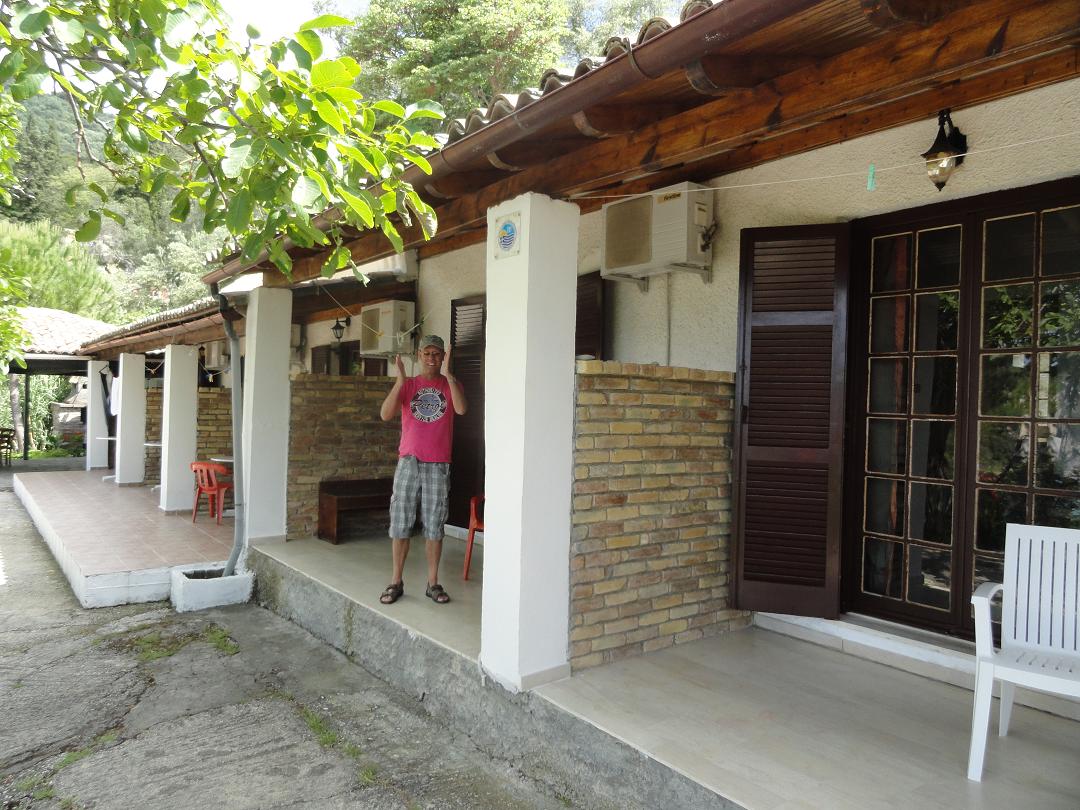
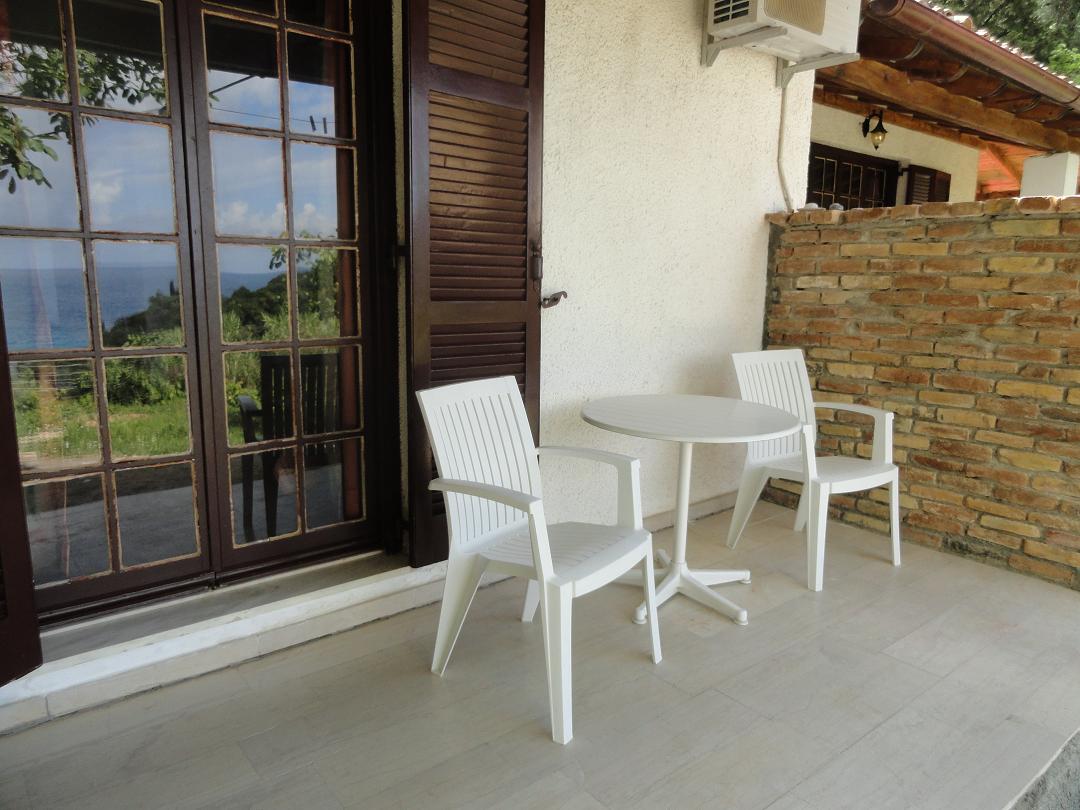
CORFU HOTELS: ANNA PENSION IN LIAPADES CORFU.
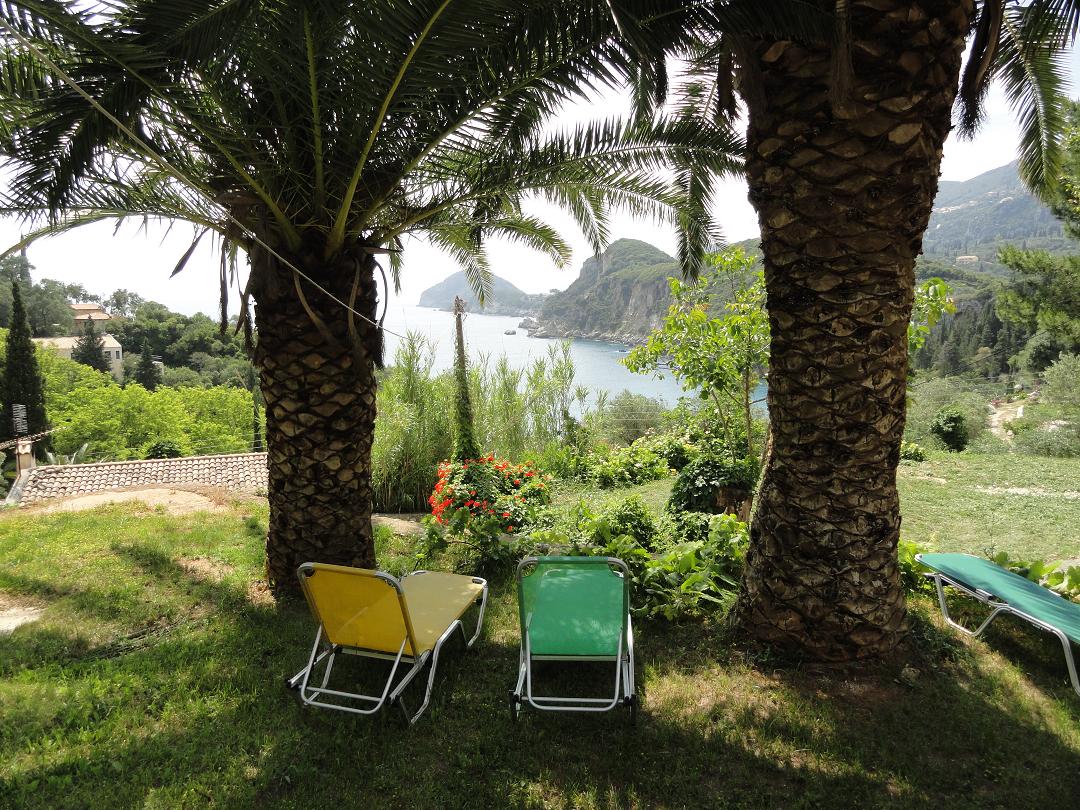
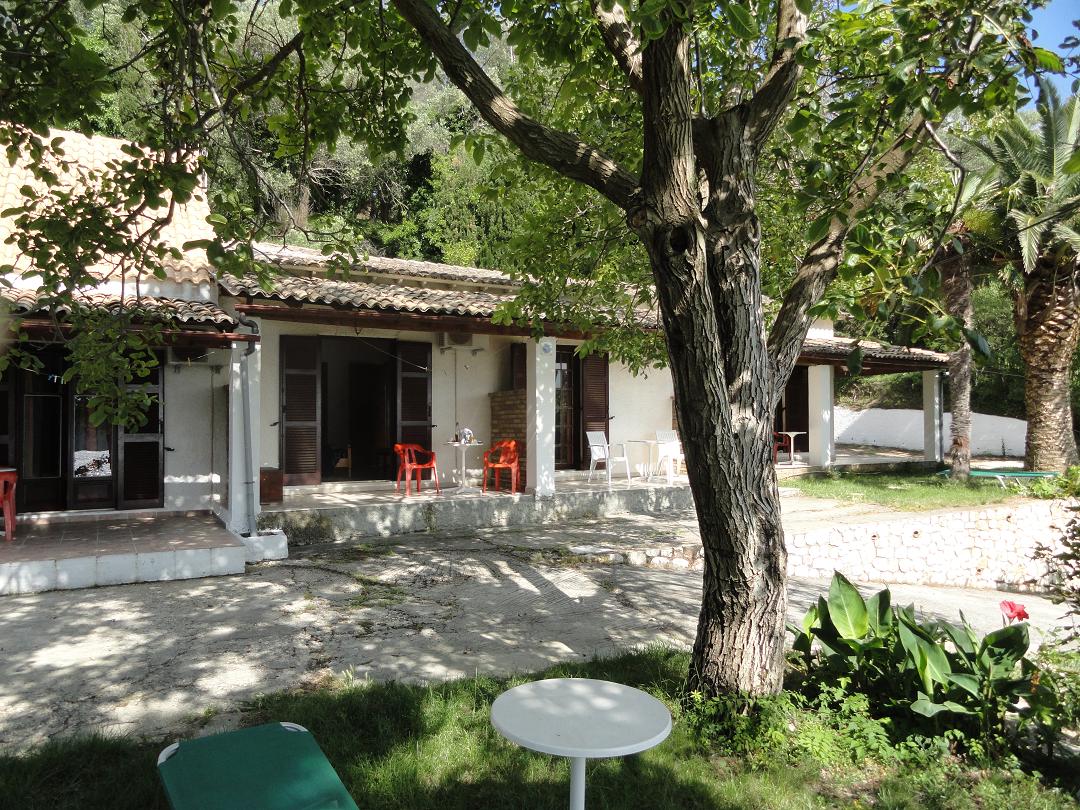
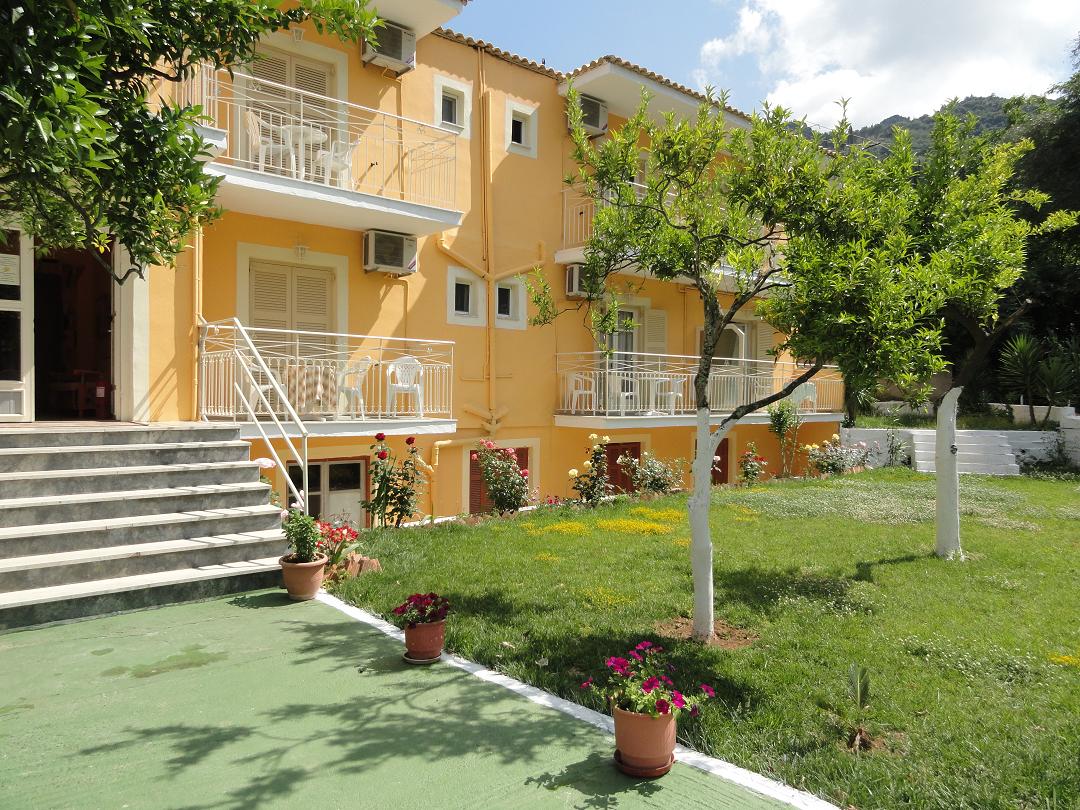
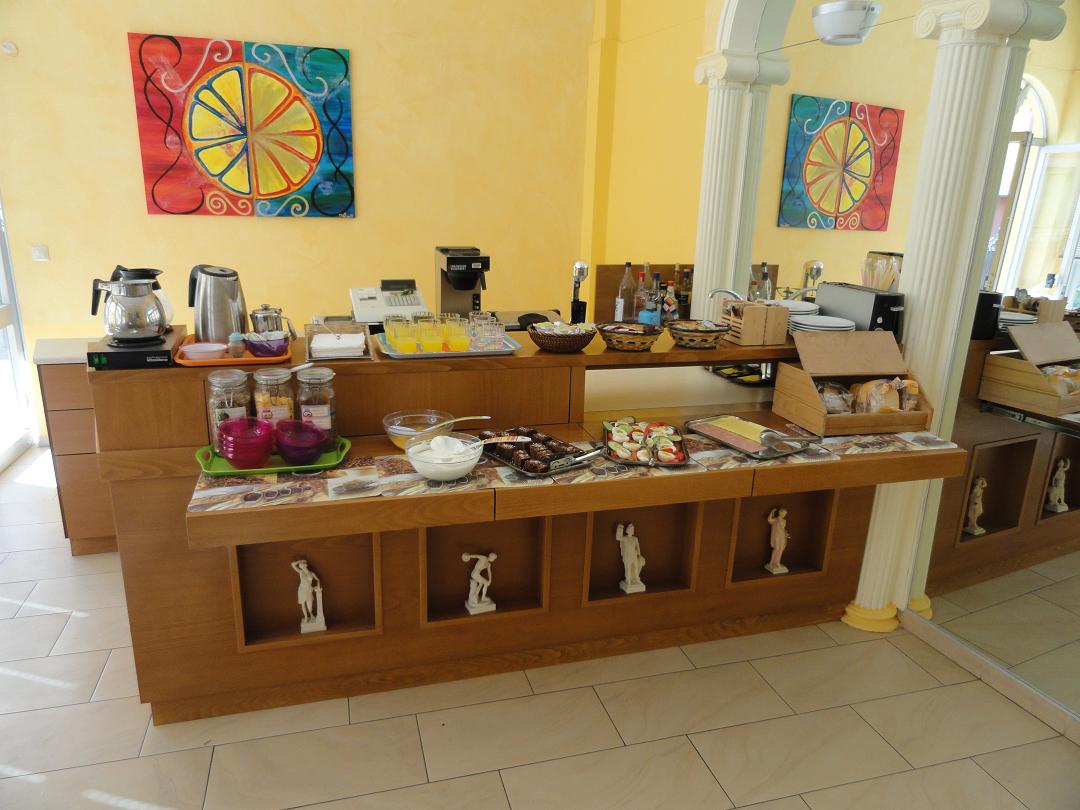
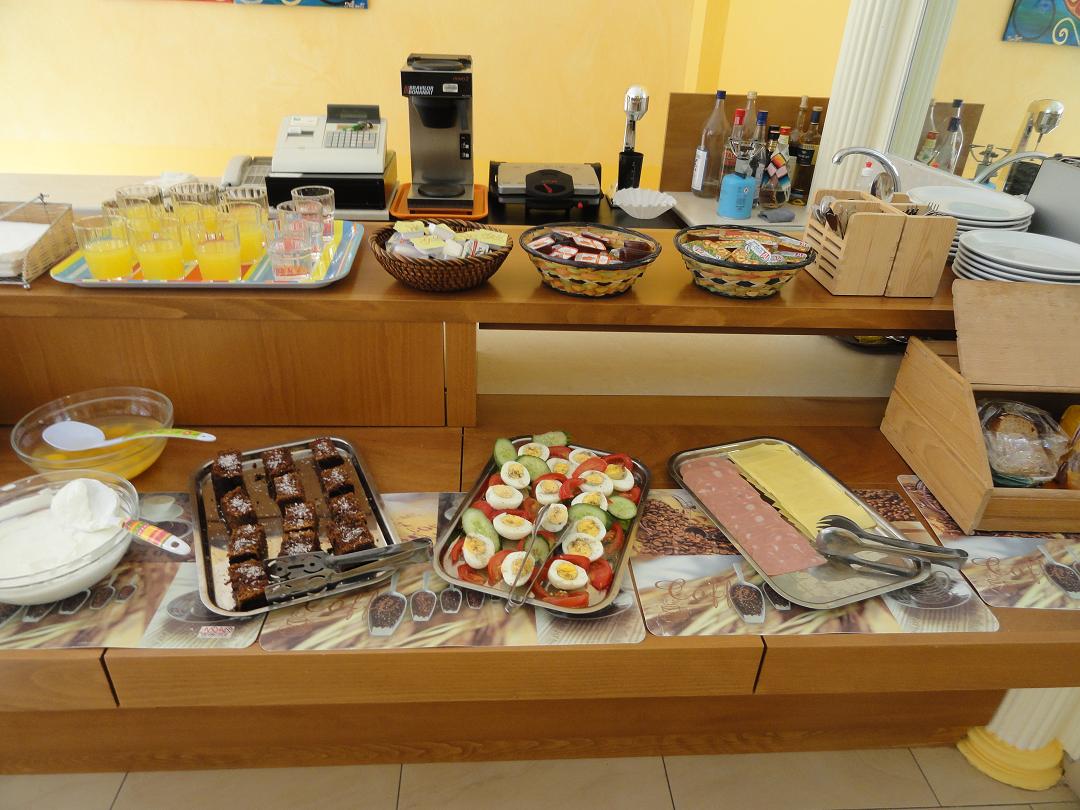
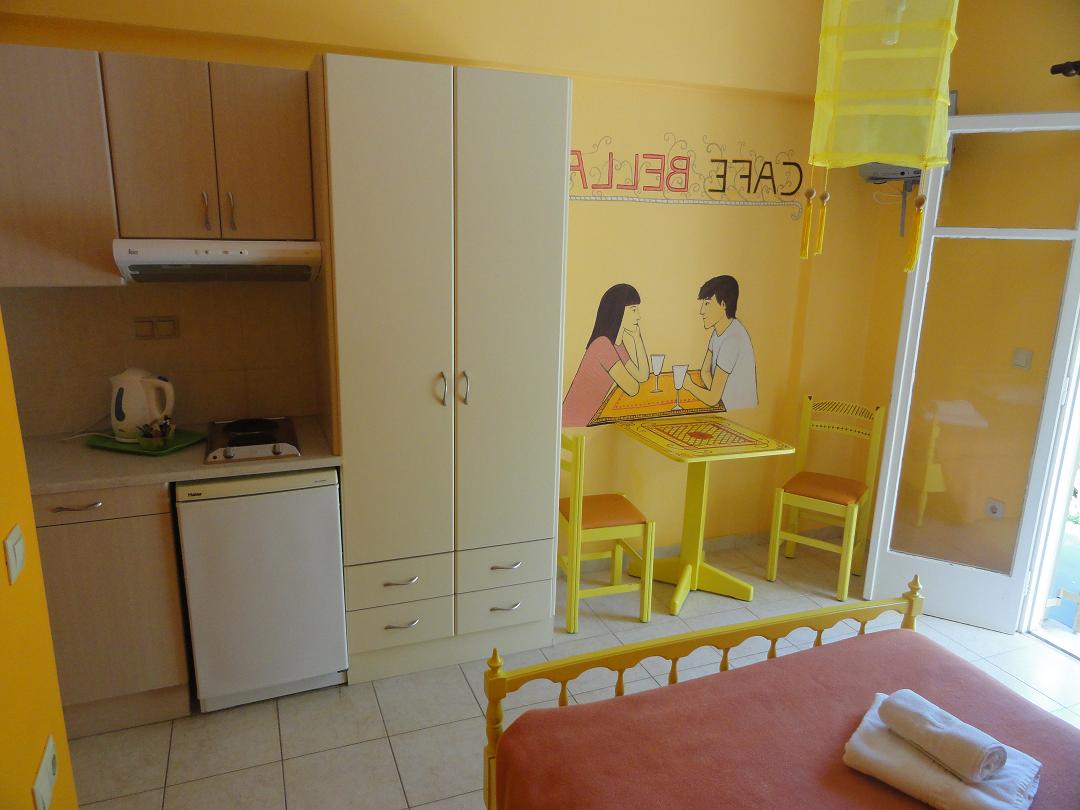
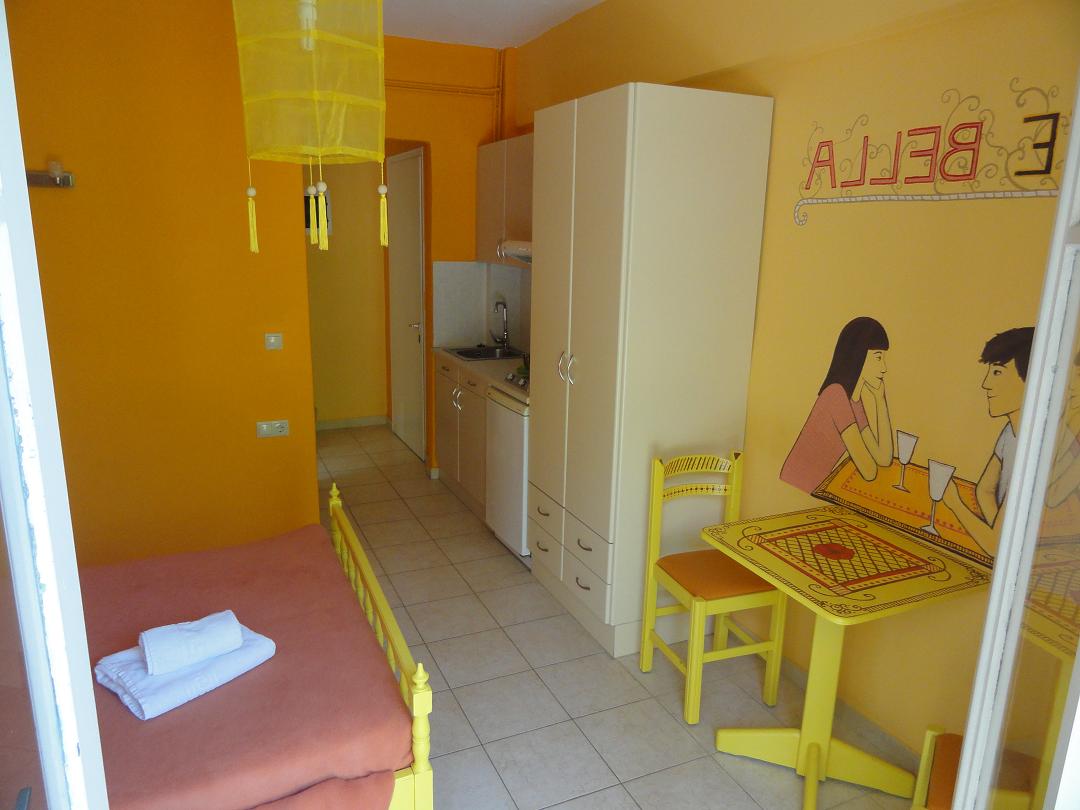
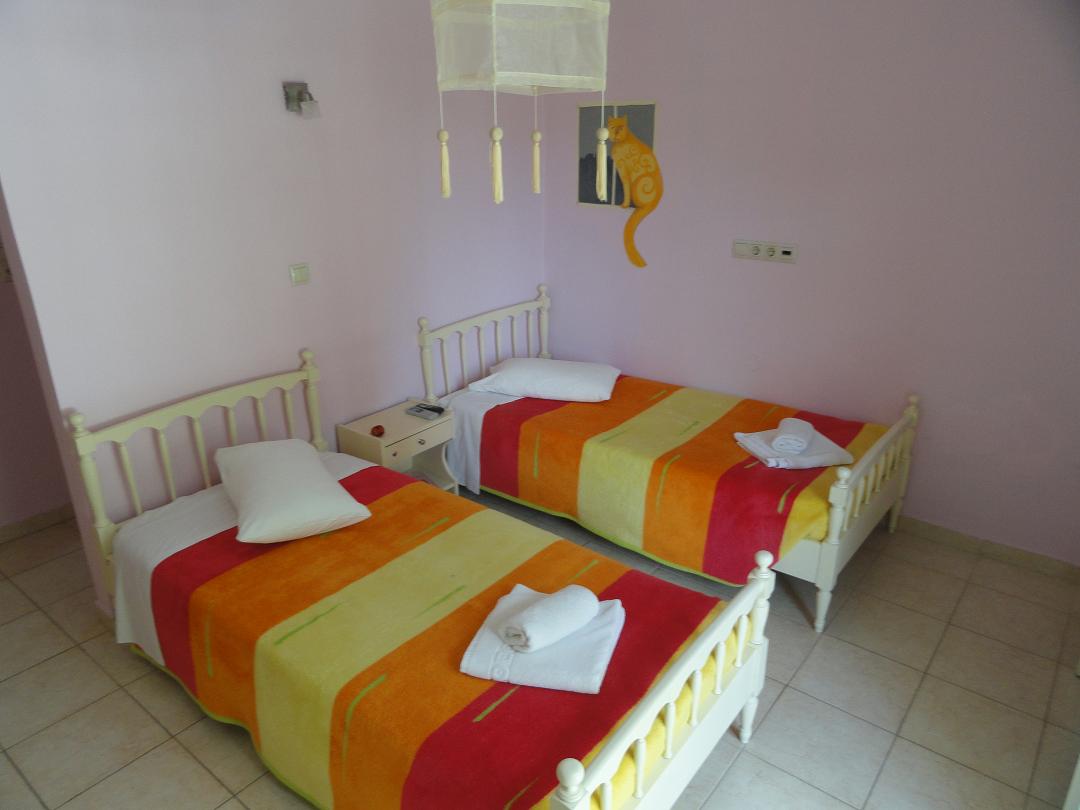
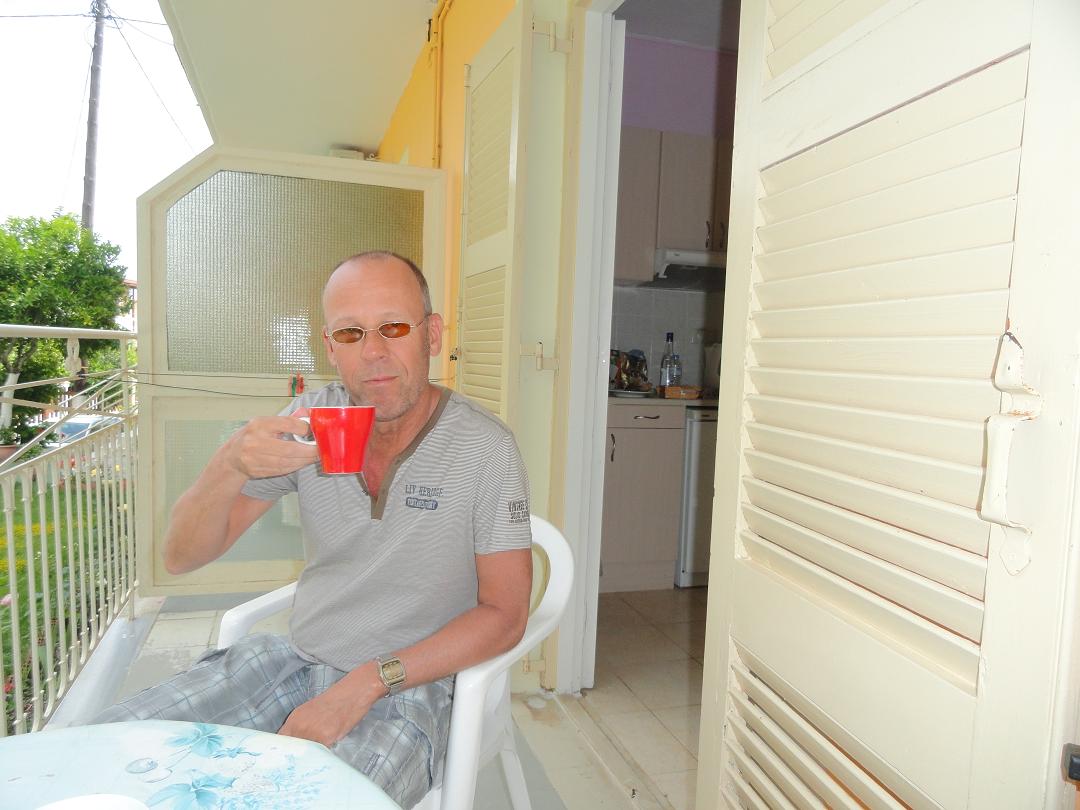
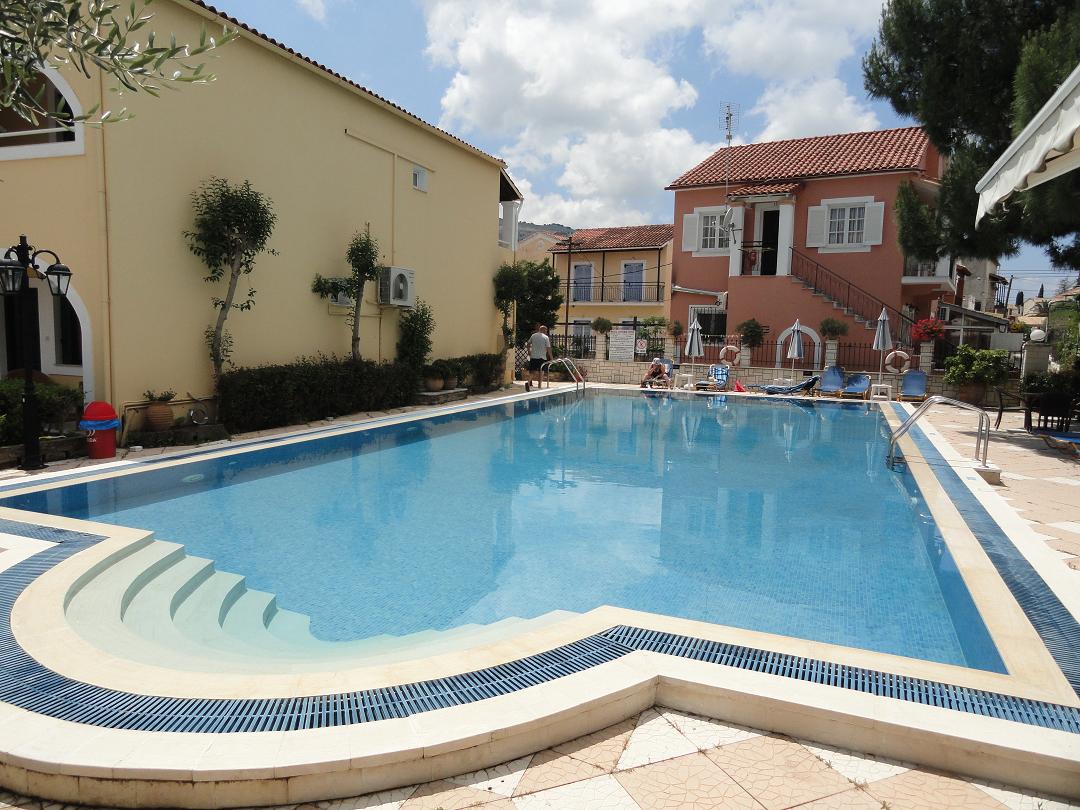
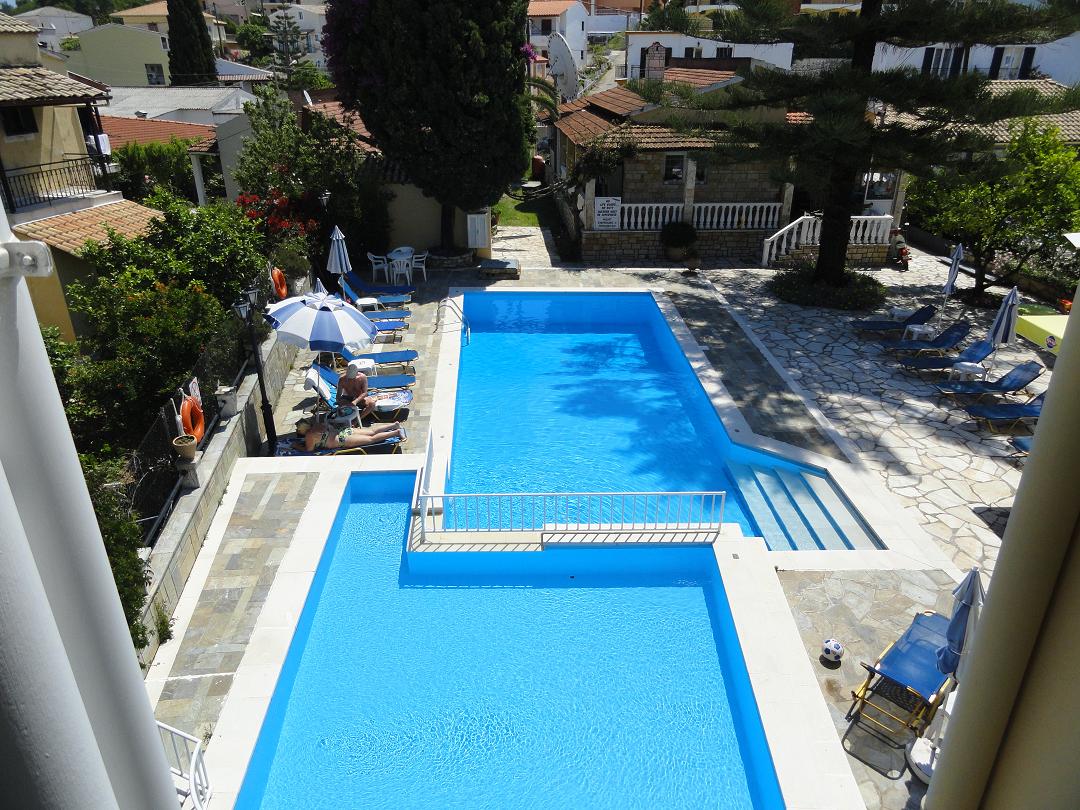
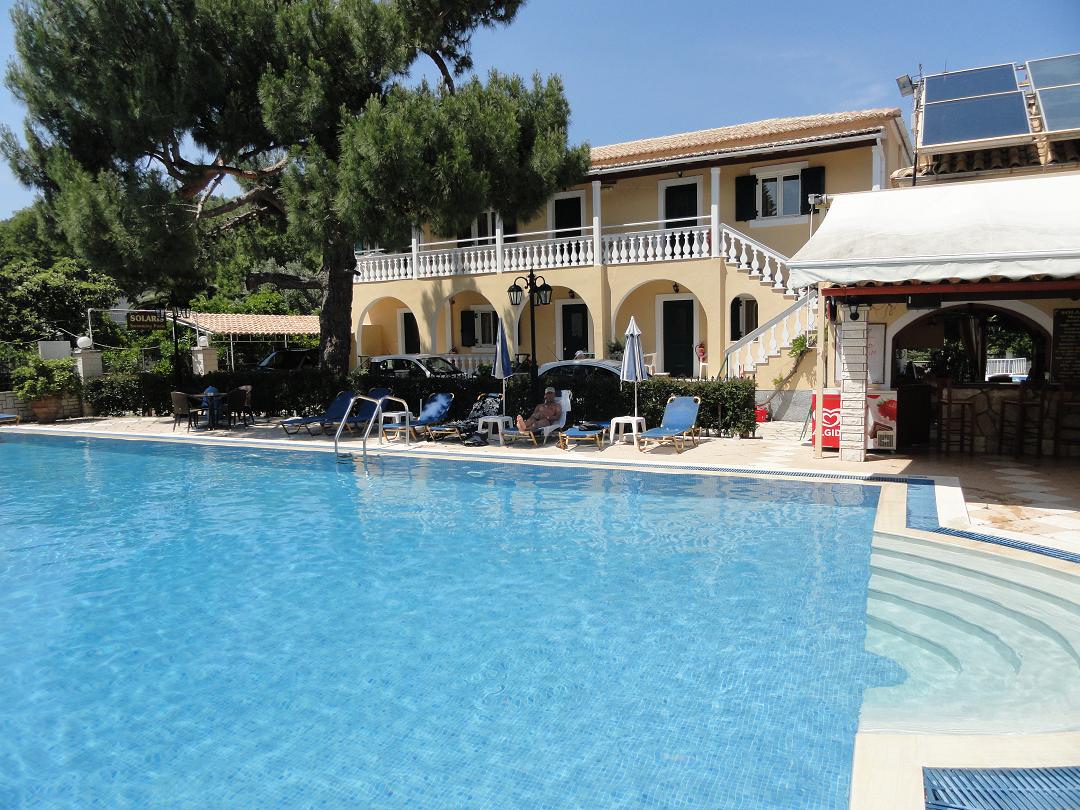
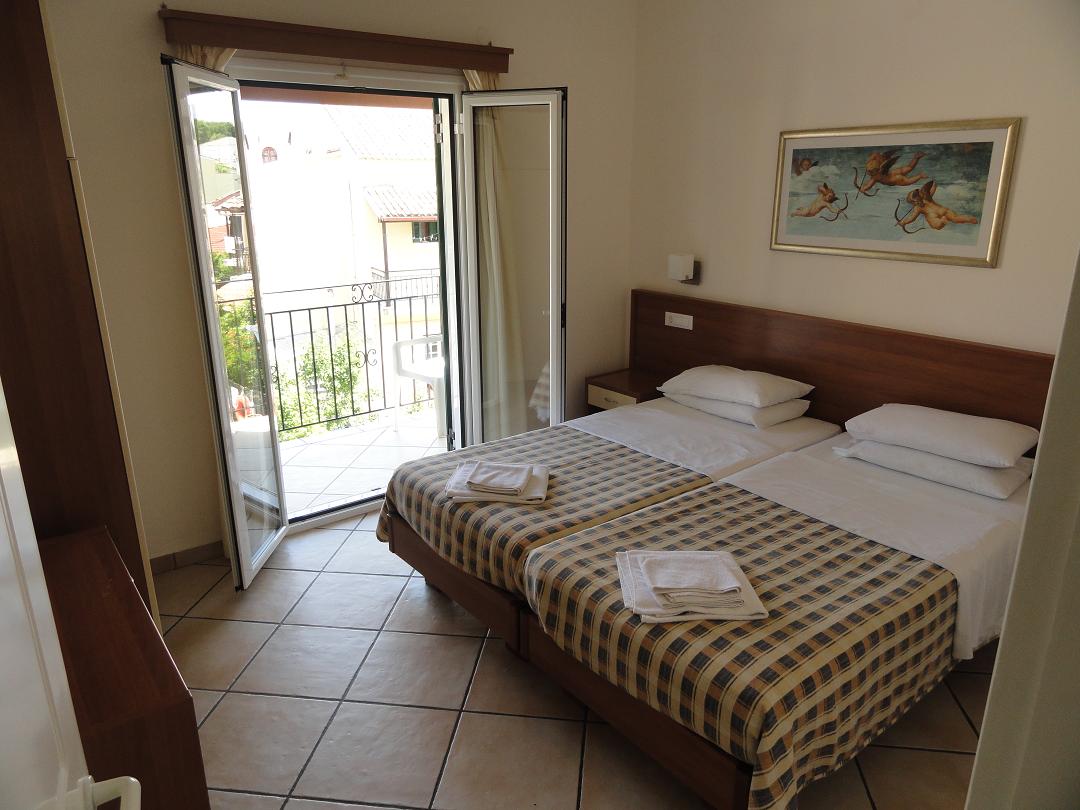
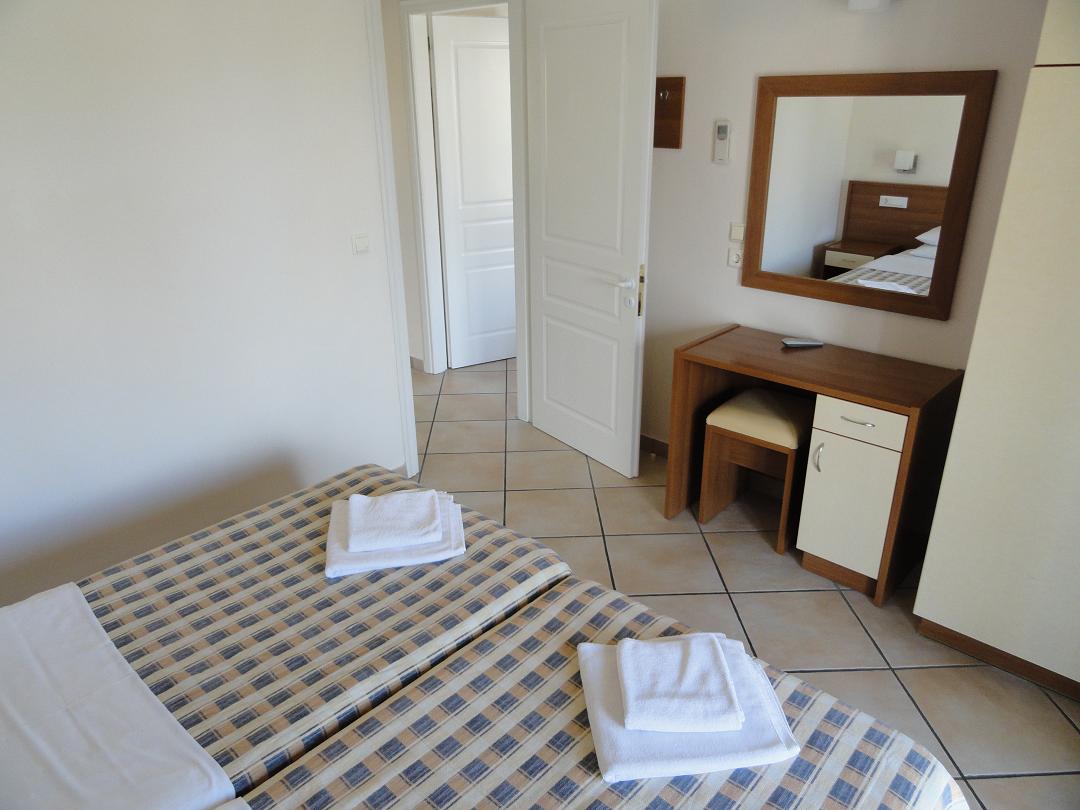
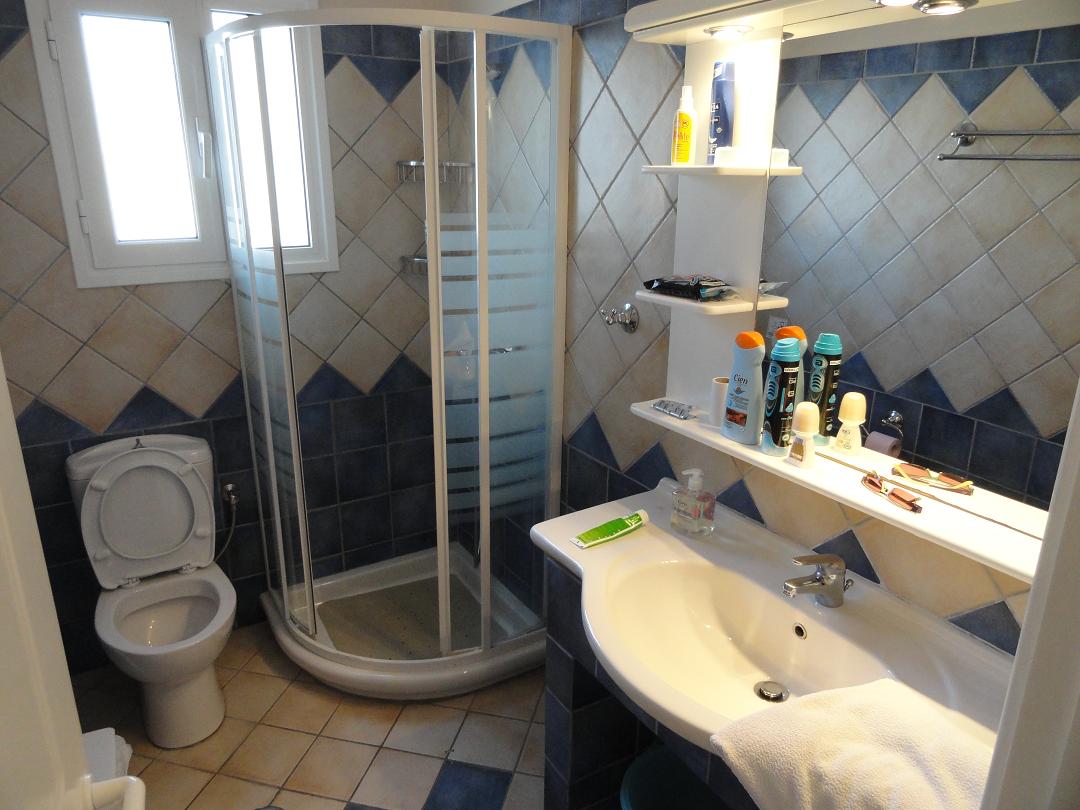
Situated in the beautiful village of Liapades on Corfu (Kerkyra), Anna pension offers relaxed accommodation in reasonable prices. The pension is located just above the beach of Liapades where you can enjoy spectacular views of the beach, surrounded by a green enviroment.

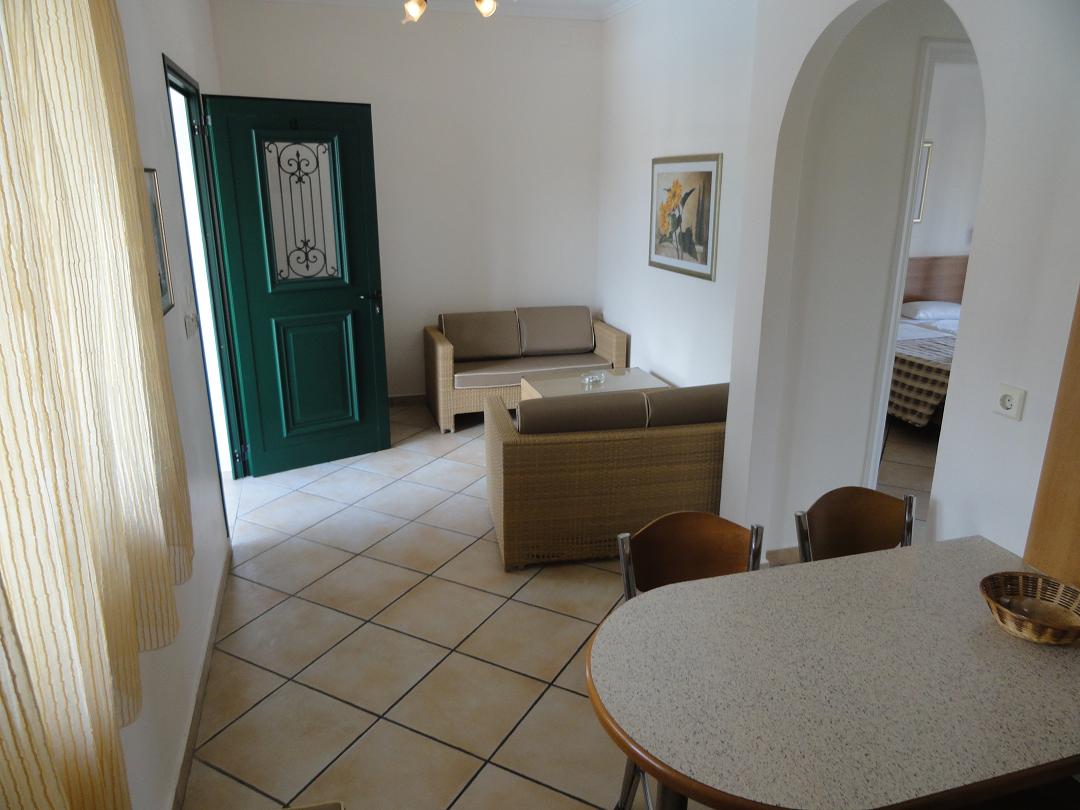
Anna Pension includes three studios and two apartments occupying an area of 1,000 m2 on the hill just above the bay of Liapades which is 5 minutes on foot. The view from all the areas of the pension is fantastic overlooking the beach of Liapades.
Tel : (+30) 26630 41061 Fax : (+30) 26630 41120 Send an email to Anna Pension.


COSY COMFORT APARTMENT IN KOMMENO CORFU.
This is a privately owned Villa situated in the exclusive suburb of Kommeno ten kilometres North of Corfu town. It is secluded and very private . The Villa is modern and beautifully designed. It is set on a slight slope on the side of a hill on top of which is an old Venetian fortress. The garden of the Villa is carefully manicured and there are terraced lawns. Olive trees provide ample shade from the strong summer sun and the sound of the fountain in the fish pond adds to the tranquillity. The Villa has a five by nine meter swimming pool. There is adequate space to park three cars and or motor bikes. The view from the house is quite stunning. To the East across the sea are the mountains of Northern Greece and Albania which can be clearly seen. To the West is the Gouvia marina with its array of sailing masts. And directly south are the two islands of Lazaretto and Vido and in the distance (some ten kilometres away) is Corfu town proudly displaying its two fortresses. Directly in front of the house there is a densely wooded area of Cyprus, olive and pine trees which provides beautiful greenery and a sense of "country".

The apartment is located on the lower level. It has its own access door coming in from the garden. It consists of a lounge/dinning room kitchen area, a small dressing area with ample cupboard space, a large bathroom with bath and shower and a double bedroom with air conditioning. The kitchen is fully equipped with a large refrigerator/freezer, oven/stove, all the necessary crockery and cutlery, pots and pans. The lounge/dining area section has a comfortable two seater couch, TV and utility table and four chairs. The bedroom is large with windows to the garden, a 1.60 meter double bed and two comfortable easy chairs. This is a well furnished and comfortable apartment with beautiful gardens very well located. Transfer time 20 min. from airport. Linen and towels changed twice a week and the apartment cleaned once a week. Laundry on request at an extra cost.


Tel. +30 26610 94563 Fax: +30 26610 80260 Mobile: +30 6944 258481 Fax: 0030 210 9520024 Send an email to Cosy Comfort Apartments.


How to get to Corfu?

Corfu has an international airport, so check if there are direct flights from your country.

CORFU FERRIES
The times and the tickets of the ferries from and to Corfu, also from Italy you can check or order here.


Hans Huisman, www.angelfire.com/super2/greece/ Anna Pension 2007

<XMP></body></xmp>