

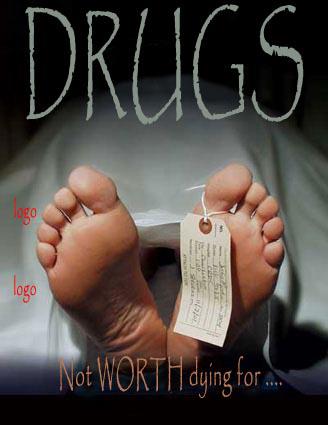
Read this sad but touching story about how 2 lives were changed forever.
Why is it bad to mix antidepressants and alcohol?
You may feel more depressed. Alcohol can worsen depression symptoms. Drinking can counteract the benefits of your antidepressant medication, making your symptoms more difficult to treat. Alcohol may seem to improve your mood in the short term, but its overall effect increases symptoms of depression.
Your thinking and alertness may be impaired. The combination of antidepressants and alcohol will affect your coordination, judgment and reaction time (motor skills) more than alcohol alone. Some combinations may make you sleepy. This can impair your ability drive or do other tasks that require focus and attention.
Side effects may be worse if you also take another medication. A number of medications can cause problems when taken with alcohol — including anti-anxiety medications, sleep medications and prescription pain medications. Drowsiness or other side effects may be even more pronounced if you drink and take one of these drugs along with an antidepressant.
You may become sedated or feel drowsy. Some antidepressants cause sedation and drowsiness, and so does alcohol. When taken together, the combined effect can be intensified.
If you take MAOIs, you may be at risk of a dangerous reaction. When combined with certain types of alcoholic beverages and foods, monoamine oxidase inhibitor (MAOI) antidepressants can cause a dangerous spike in blood pressure. Examples of MAOIs include isocarboxazid (Marplan), phenelzine (Nardil) and tranylcypromine (Parnate). If you take an MAOI, be sure you know what's safe to eat and drink, and which alcoholic beverages are likely to cause a reaction.
You may be at risk of alcohol abuse. People with depression are at increased risk of substance abuse and addiction. If you have trouble controlling your alcohol use, you may need treatment for alcohol dependence before your depression improves.
Don't stop taking an antidepressant or other medication just so that you can drink. Most antidepressants require taking a consistent, daily dose to maintain a constant level in your system and work as intended. Stopping and starting your medications can make your depression worse.
While it's generally best not to drink at all if you're depressed, ask your doctor. It may be OK to have an occasional drink depending on your particular situation. Tell your doctor about any other health conditions you might have and any other medications you take, including herbal supplements.
How do you know you have an alcohol problem?
1. Have you ever tried to cut down on your drinking?
Two or more affirmative answers indicate probable alcoholism.
Alcoholism is a chronic, progressive, relapsing brain disease. Five percent of Americans die of alcoholism.
Alcoholism is nothing to be ashamed of because it is genetic. Forty percent of alcoholism is caused by genetic factors and sixty percent by factors we don't understand. If we take identical twins and split them at birth and raise one in Wyoming and one in Ethiopia, if one twin becomes an alcoholic, there is a 40% chance that the other twin will become an alcoholic. Alcoholism runs in families. If you have an alcohol problem it is very likely that other members of your family are addicted.
Alcoholism is lethal: Ninety five percent of untreated alcoholics die of alcoholism.
Can I quit drinking on my own?
Four percent of alcoholics stay sober for the next year if they try to quit on their own.Fifty percent of alcoholics stay sober for the next year of if they go through treatment. Seventy percent of alcoholics stay sober for the next year if they go through treatment and regularly attend Alcoholics Anonymous meetings.
Ninety percent of alcoholics stay sober for the next year if they go through treatment, regularly attend Alcoholics Anonymous meetings, and go to aftercare once a week.
To maximize the chances for recovery an alcoholic should go through treatment then regularly attend AA and aftercare. The alcoholic can also take 50 mg of Naltrexone once a day. This medication cuts the relapse rates in half.
What kind of treatment do I need?
There seems to be no difference in outpatient and inpatient treatment in regard to patient outcome, but there is a thirty percent dropout rate in outpatient treatment compared to a ten percent dropout rate in inpatient treatment. Don't short change yourself. Get the treatment you need to stay clean and sober. Alcohol
Ethyl alcohol or ethanol, the type of alcohol found in drinks, is a depressant/downer produced by fermenting or distilling fruits, vegetables or grains. As a very rough guide, beer contains between 3.5% and 9% ethanol by volume, wine 10%—14% and spirits 35—45%.
The intensity of the effects of alcohol depends mainly on the amount you drink in a session, but weight, metabolism, how much you have eaten, how quickly you’re drinking and how much you usually drink are also factors. On average, women get drunk more quickly than men, partly because they tend to weigh less and partly because water constitutes less of their body weight, so the same amount of alcohol produces a higher concentration in the blood.
Background
Alcohol has been widely used for thousands of years. Alcohol-related legislation in the UK dates from the late 19th century, when age restrictions were introduced. Restrictions on when alcohol could be sold were imposed during the First World War, to try to make sure workers in essential industries weren’t drunk or hung-over.
Two More Stories
Drunk Driving Laws by State
Alcohol Addiction
Street Drugs
2. Have you ever felt annoyed when someone talked to you about your drinking?
3. Have you ever felt bad or guilty about your drinking?
4. Have you ever used alcohol in the morning to settle yourself down?
The way moderate quantities of alcohol affect you has got a lot do with personality, mood and circumstances. The main desirable effects are that it can relieve tension, reduce anxiety and inhibitions and produce feelings of warmth and contentment.
The effects come on after about 10 minutes and can last for several hours if you drink a large amount.
Problems
Short term
Losing your inhibitions is a good thing only up to a point, as many people realised in the cold light of dawn. In addition, emotions can be unpredictable when you’re drunk. Some people become aggressive or tearful after only a couple of drinks, and the larger the amount, the more exaggerated these reactions can be. A lot of violence is associated with alcohol.
The more you drink, the less well your brain and body work. Symptoms include slurring of speech, staggering, confusion, loss of memory and comprehension, and eventually oblivion.
Hangovers are due partly to poisoning by alcohol and other constituents of drinks and partly to short-term withdrawal. Symptoms include headache (caused by dehydration), the shakes, tiredness, vomiting, depression and anxiety. Many people say certain drinks produce worse hangovers than others, and that mixing grape and grain (for example wine and beer) is particularly bad. However, the amount of alcohol you get down and keep down is by far the most important factor.
Long term
Psychological dependence on alcohol can occur with the daily use of even moderate amounts. Alcohol can also lead to physical dependence, so that sudden withdrawal produces sweating, anxiety, the shakes, and nausea and vomiting. In severe cases, delirium tremens or the DTs, hallucinations, convulsions and even death are possible from withdrawal. According to the organisation Alcohol Concern, nearly 1 in 10 male drinkers and 1 in 20 female drinkers show psychological or physical signs of alcohol dependence.
Long-term alcohol use can directly harm most parts of the body. In particular, it often leads to heart and liver disease and inflammation of the stomach. The risk of serious disease increases in proportion to the amount you drink, though some people are naturally more resilient than others.
In addition, almost all drinkers seeking help say they feel anxious and depressed. These feelings are likely to be made worse by other problems associated with alcohol dependence, such as strains on finances and relationships.
The Law
You need a licence to sell alcohol, and it’s illegal to sell alcohol to someone under 18 or give it to a child under five. It’s also an offence to be drunk in a public place or to drive with too much alcohol in your system (more than 80mg of alcohol per 100ml of blood).
A term used, like 'addiction', as a shorthand for a complex set of changes that can occur with repeated use of a drug.
The vast majority of people who try drugs, or even use them repeatedly, don't become dependent on them. The question of why some people do become dependent is complicated. Some drugs are much more likely to lead to dependence than others, but the personality, state of mind, and circumstances of the user - and the way they use a drug - are also crucial.
Becoming dependent involves changes in the way someone thinks and behaves and the way in which their bodies adapt to and handle a substance. This is often a long and subtle process, and it's difficult to identify the exact point at which repeated use slips into dependence. No single feature spells dependence, though individual features may be a clue or warning sign (see 'Problems and Services' in the magazine).
People who are dependent on a drug continue to use it despite clear and repeated evidence that it's causing significant problems. They also spend more and more time obtaining the drug, taking it and recovering from it. Their thoughts tend to be dominated by a craving for the drug, which often results in neglect of their health, family and work. They may make repeated unsuccessful attempts to cut down their use or stop using altogether. All of this points to the main feature of drug dependence - a loss of control over drug-taking. The drug is controlling the person rather than the other way around.
By the time this happens, a drug user's body has often (but not invariably) developed increased tolerance. for the drug and also shows characteristic withdrawal symptoms if they stop using or reduce their consumption.

From an article called “The Road to Relapse”
(Something I found to be so true for *me*)
I've discovered how important it is for me to find a way to see things as if for the very first time, to hear things in a slightly new and different way, to find the truth of my proper place in the big scheme of things. That vulnerability, that sense of first surrender, that anything is possible, that something bright and new is just around the corner. For me, that's the way to a faith that works.
