2. On the above site, click the following yellow mask link Then
move your cursor over each page to find the pop-out information boxes and
yellow outlined links to new pop-out pages. Use this information to answer
the questions in No.6 below.
3. a) Print off this
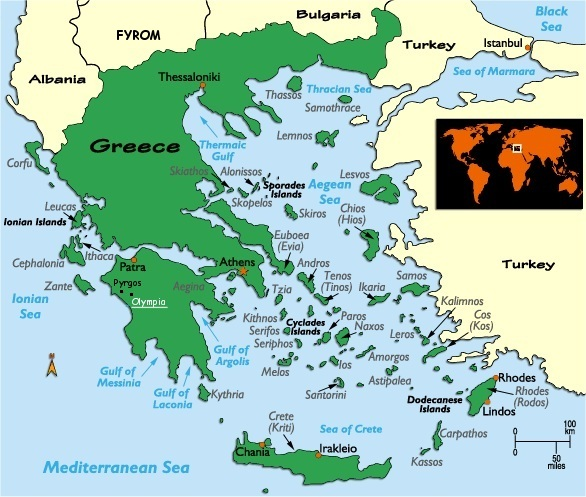
blank map of Greece and
complete the activity on the map.
4. Print off this blank floor plan of an ancient Greek Theatre and the acropolis of Athens. Paste the diagrams in your book and neatly label them with as much information and terms as you can. Use the above web site and your own research on the internet to find the terms and names of the buildings on the acropolis. (In Google Image search, try typing 'diagram Greek theatre' and later, 'map acropolis' . http://www.pbs.org/empires/thegreeks/background/24c.html 5. From the above web site list the three genres of drama in ancient Greece, and write two points about each. 6. From the web sites above and books or encyclopedia in the library. Answer the following questions in your book in complete sentences, using some of the words from each question in your answer. 1. Plays were first performed to honour which God? 2. The God in question one was the God of what? 3. What shape were Greek theatres? Why were they 4. Who sat in the seats at the front? 5. Could women take part in, or attend the plays? 6. Name some of the Greek playwrights 7. What did the audience throw at the actors who 8. What did the actors wear? 9. How did people at the back of the large theatres 10. What were the masks made of? The following mixed up sentences are to help any students who can not find the answers on the above web sites: |
|||
|
Special very important visitors and priests. Women could attend the plays, but all the actors were men Aristophanes- comedies Food and even stones The shape of the theatre and the
shape of the From: http://www.teachingideas.co.uk/history |
Large and semi-circular with rows of tiered
seating. |
||
|
Click here to see: A computer generated image of a Greek Theatre
http://academic.reed.edu/humanities/110Tech/Theater.html#timeline 7. From the above web site or this timeline
write out in what century BC, and in what year BC, the people in ancient
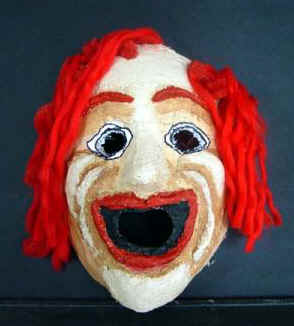
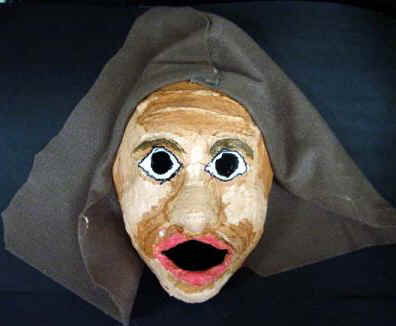
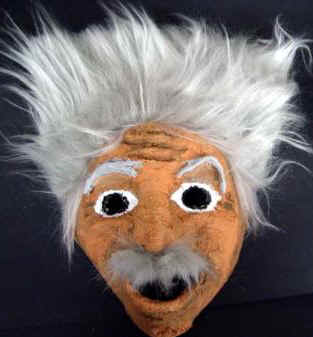
Athens in Greece started to build the Parthenon. 8. Study the masks at this web site: https://goo.gl/aN2MjA 9. Optional Extra: Read and briefly summarise in point-form notes, this page of extra information on Greek Drama. Only make points on information you didn't record in doing the above questions. 10. While waiting for the rest of your class to finish this unit, find
and play on the following site the interactive game Class Group Work Activity:
Materials: Vaseline Petroleum jelly (to smear face first,
especially the eyebrows, so plaster mask comes off easily) from: What to do:
www.interactive-learning.com.au
|
|||
 Greek Drama