|
Specializing in Taxidermy work and Saw Milling
May God Bless You and Keep You!
|
|
Click above for some native animal pictures
|
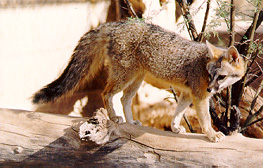
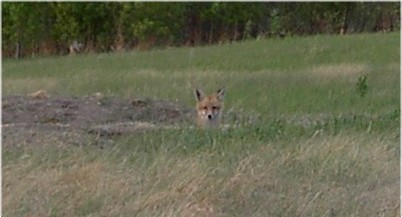
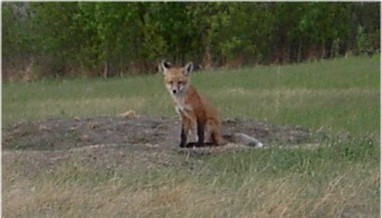
Foxes The red fox is the largest of foxes and is part of the dog family. The dog family includes the domestic dog [house dogs], gray wolves, fennecs, foxes, coyotes and dingo's. The red fox is a meat eater and it is hunted by creatures such as wolves and bobcats. The red fox is hunted mostly by humans for its valuable fur. The red fox's favorite places are in forests where they can hide while they hunt. The gray fox has a grizzled gray back with rusty yellow on the throat, sides, feet and legs. The tip of its tail is black. Red foxes are reddish colored with black legs to the knee, black tipped ears and a bushy red tail that is tipped in white. Foxes are very 'cunning' and are very good hunters. The red fox is the most adaptable species of foxes on earth. It lives in most countries north of the equator. Sadly red fox are very susceptible to rabies but they sometimes eat little square treats which are dropped into forests by air planes. The treats contain a rabies vaccine. If a red fox does eat one it probably won't get rabies unless it all ready has rabies. One good way to find out if a red fox has rabies is to watch its behavior. If it acts strangely it could have rabies and should be avoided or destroyed and left alone. Before settlement, only gray foxes were common in the dense eastern forests. Once forests started to be cleared for farmland, the red fox population began to grow. Clearings for farms provided to be ideal habitat for red foxes since they prefer open spaces bordered by protective stands of trees and brush. The opining of fields also increased the population of mice, voles, and rabbits which are all red fox prey. Fox hunting was a popular pastime for European settlers. Having difficulty countering the gray fox's tree climbing tactics, they imported European Red Foxes. It wasn't discovered until later that Red Foxes already lived here. Most of today's mammalogists now consider European and American Red Foxes as a single species. Though most bear the goldenrod coat that inspired its name, Red Foxes also come in brown, black, and even silver. Sometimes all colors may be represented in a single litter. A bushy white tipped tail accounts for a third or more of the foxes average 42 inch length. The first response most people have in regards to European settlers and carnivores is that the early settlers were responsible for the steady and rapid decline in the population of America's flesh eating mammals. In most cases this assumption is mildly true. However, the red fox is an exception. The Red Fox has expanded its numbers and range since European settlers arrived. It is now the most abundant and widespread fox in North America. Being opportunistic omnivorous, both the red and gray fox eat small mammals, rodents, birds and their eggs, frog, insects, and berries. Only in hard times will it raid a hen house, and although farmers may not agree, their value as pest controllers more than makes up for an occasional lose of a chicken. Red foxes mate for life. In late winter a pair prepares a den, either by digging a new one or renovating an old one. A litter of about five pups arrives in early spring. Both parents help raise the young by providing food and protection. A parent is always close by to supervise their playful cubs. In early autumn, the family brakes apart, and each of the young claims its own territory.
|

 Sprague's
Workshop
Sprague's
Workshop