About These Images
|
About These Images
|
|
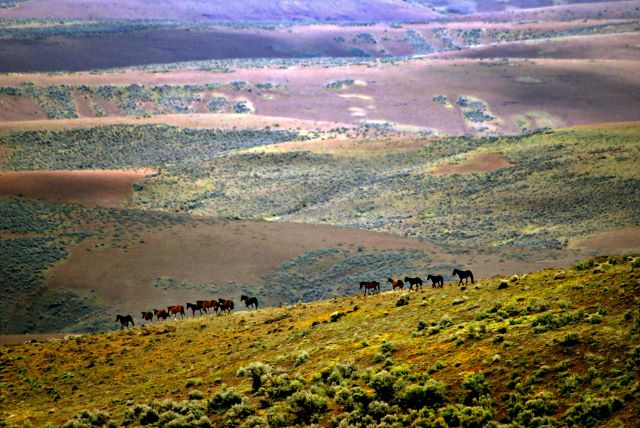
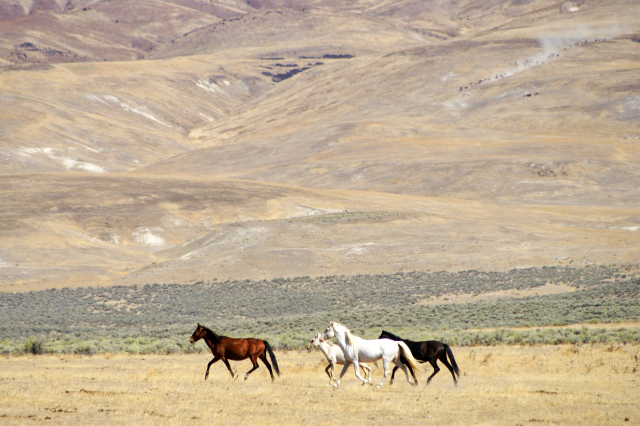
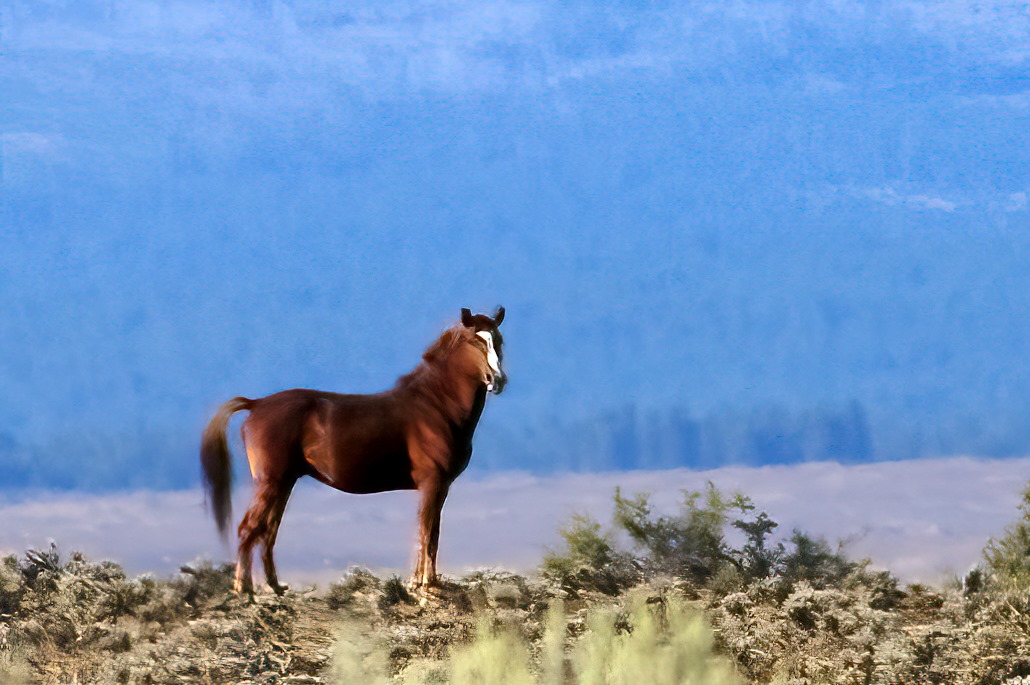
The Yakama Wild Horses are unique. They are found mainly within the borders of the Yakama Reservation. Thus, they are governed by Yakama Tribal laws and managed by Tribal Wildlife Regulations. Most of the land on which they live is not just remote, it is also closed to non-tribal people. Consequently, the horses are essentially invisible to the outside world, including to tribal members who do not visit the remote canyons and plateaus.
|
|
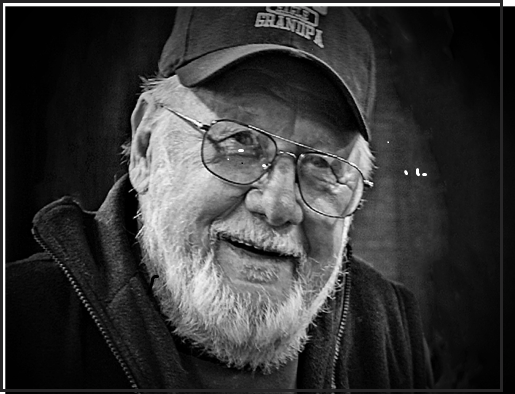
In 1998, I retired as a research scientist from Washington State University and began a new life as an amateur wildlife videographer and photographer. Carol Craig, information officer for what was then called the Yakama Nation Fisheries and Wildlife Group, provided me with an opportunity to record various tribal projects and to produce short videos for her public education programs. When I began, the Wildlife section was without an administrative leader and a leader for the large mammal program. The large mammal program, as might be expected, included the wild horses. However, the wild horses were considered an adjunct, with no wildlife biologist assigned to monitor their activities. During this period, the wild horse population was increasing rapidly, and the impact of the horses on their environment was becoming apparent. I was asked to observe the horses and record both their behavior and the damage they were causing. For this I was given unrestricted access to areas of the reservation which are normally closed to non-tribal members. I continued this activity long after the leadership positions were filled. Between 1999 and 2016, I spent several hours 2-3 days each week trailing the horses, much of the time on foot, to record their interactions with each other and with the land, streams, and other wildlife.
|
|
The following sections contain photographs that record the behavior of the horses in their natural environment at various times throughout the years. I have also included some images that document the damage to the environment that occurred when when the horse population was near it's peak. I have also included a link to a 30+ min video narrated by Arlen Washines, then manager of the Wildlife Resources program. The video follows the behavior of the wild horses throughout a typical year on the Reservation. It was posted on You Tube about three years ago and has been viewed more than 80,000 times. Finally, about two years ago I published many of the still images in a photobook entitled "Wild Horses of the Yakama Nation. The book is available through the Prosser Historical Museum at Prosser, WA for a donation of $40. All of the proceeds from book sales are used to help fund the wildlife diorama at the Prosser Museum.
|
|
DISCLAIMERMy relationship with the Yakama wild horses spanned most the first two decades of the 21st century. During the first half of this period the wild horse population was literarily uncontrolled. The annual horse counts increased from a little over 3,000 the year I began filming (1999) to approximately 16,000 by 2011. During that period, I attended many meetings where the focus was on problems created by low market prices for horses, a meager budget for horse management and a lack of personnel. Since that time, there have been many changes. The most notable is that the wild horse population is now below 5,000 animals. I have not been involved in any of those changes. Consequently, the stories told here relate primarily to that period of rapid population growth and severe environmental damage.
|