
During the Jurrasic Period, the single continent Pangea separated into two continents, called Gondwana and Laurasia. This break created more lakes and rivers, making room for more diverse aquatic and terrestrial dinosaurs.

Climate
The climate was still hot and humid, though there was steady rainfall. These conditions led to new world of lush, green plants.
Plants
The land in the Jurassic Period was covered with thick coats of vegetation, including ferns, conifers, cycads, club mosses and horsetails.
Avian (Flying)

Life
By the end of the Jurassic Period, more flying dinosaurs appeared. They resembled advanced pterosaurs like Pterodactylus, Dimorphodon and the (smaller) Archaeopteryx (pictured below). Many scientists believe that some of these avian reptiles were covered with feathers.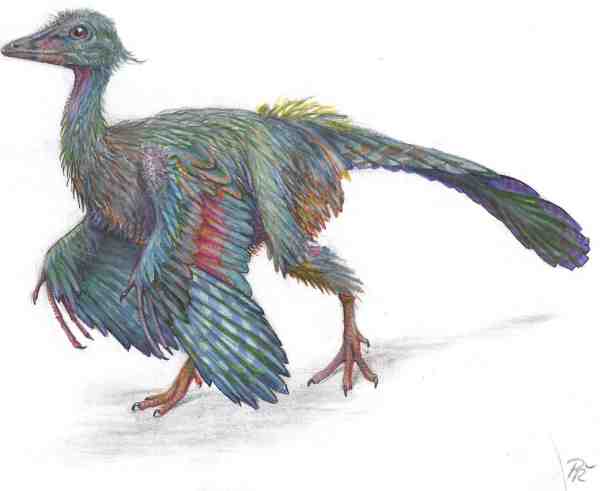
Aquatic (Living in water)
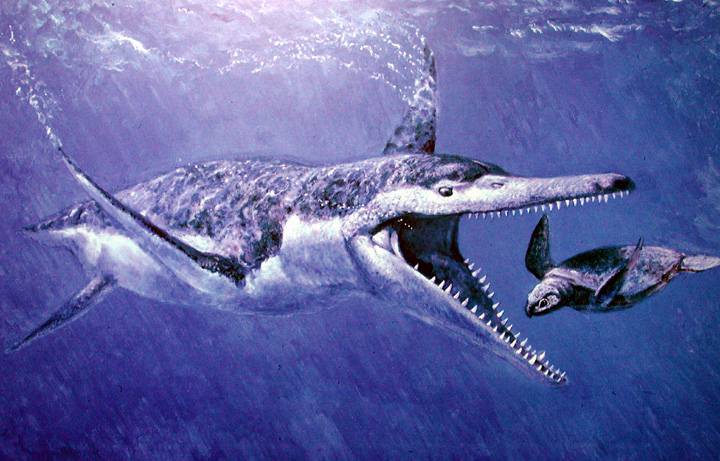
As the land dinosaurs grew, so did the water dinosaurs. Some aquatics even grow to the size of modern day sharks and whales. The Jurassic seas contained large amounts of Pliosaurs, like the one below. Fish, squids and sharks were also present, providing a steady source of food for these and other marine reptiles.
Terrestrial (Living on land)
During the Jurassic, the smaller dinosaurs of the Triassic evolved into gigantic creatures like the plant eating Brachiosaurus.

This period also saw the rise of medium-sized carnivores, like the Cryolophosaurus.
The Jurrasic Period also saw the uprising of mouse-sized early mammals who would scurry around at night so as not to get squashed.

Step 1: Home
Return to Step 3: Process
