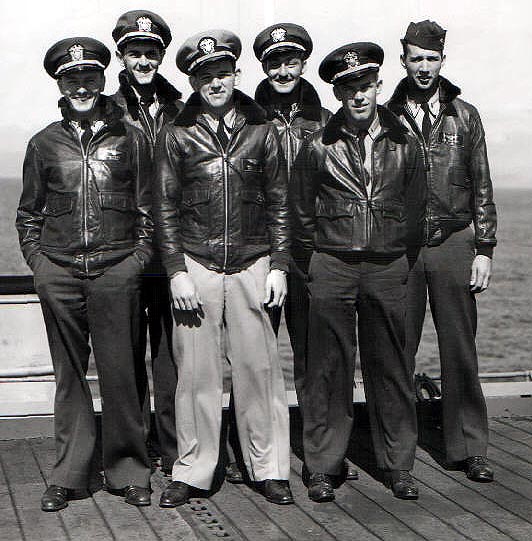
I was a student at the University of Buffalo on Dec, 7th 1941, the day Japan
attacked Pearl Harbor. Like most of my classmates I'd never heard of Pearl
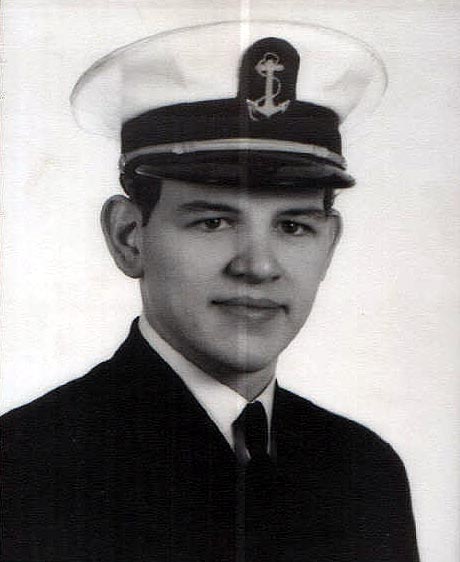
Harbor let alone expect to get there. Here's the Cadet. Was I ever that
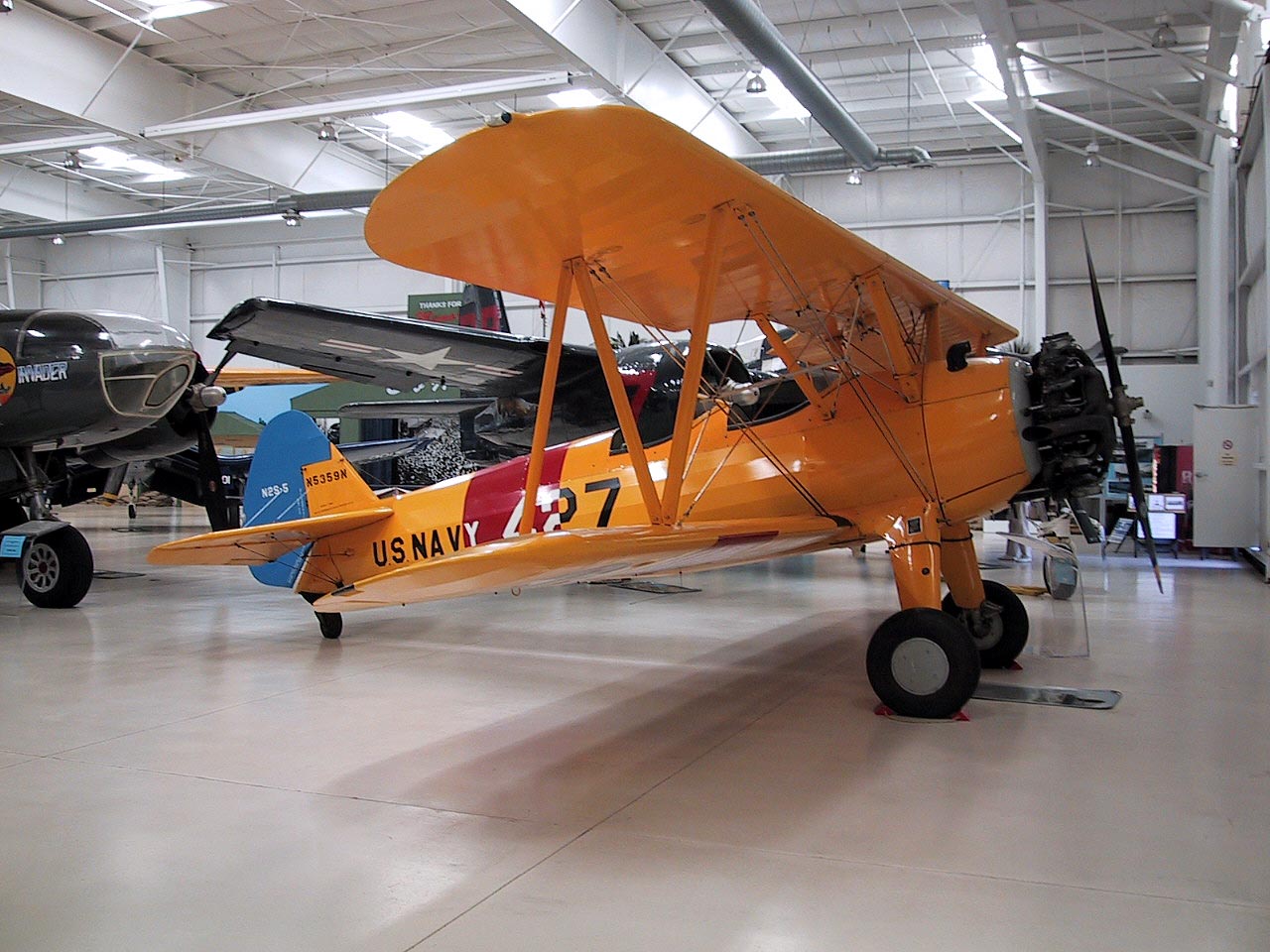
young? My training took 2 years, from Alfred University in NY (Piper Cub),  pre-flight at Chapel Hill NC, E-base at NAS Bunker Hill in Indiana (N2S
Stearman), Pensacola FL (SNV, SNB. SNJ) where I finally received my Wings of
Gold and a USNR Ensign commission. Then to Glenview IL (to carrier qualify on a
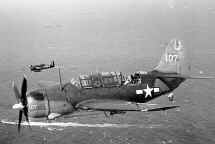
converted lake boat in the SNJ), then to Deland FL (SBD Dive Bomber).
pre-flight at Chapel Hill NC, E-base at NAS Bunker Hill in Indiana (N2S
Stearman), Pensacola FL (SNV, SNB. SNJ) where I finally received my Wings of
Gold and a USNR Ensign commission. Then to Glenview IL (to carrier qualify on a
converted lake boat in the SNJ), then to Deland FL (SBD Dive Bomber).
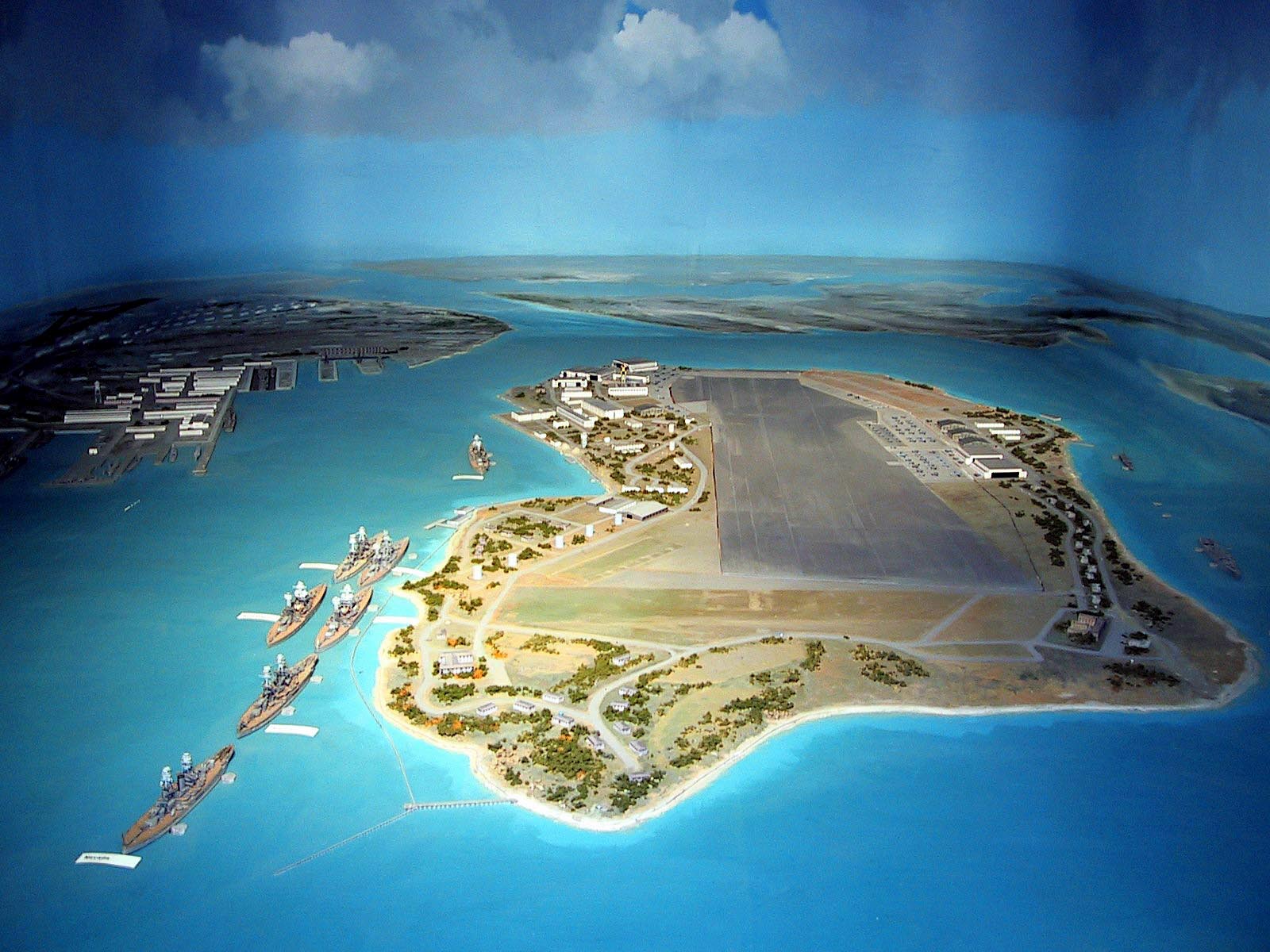
 Pearl Harbor Model (PSAM) Reproduced from a picture from Japanese picture
taken on Dec. 7th 1941.
Pearl Harbor Model (PSAM) Reproduced from a picture from Japanese picture
taken on Dec. 7th 1941.
 Model of Lexington (PSAM). Three carriers were in the Pacific, but
fortunately not at Pearl Harbor, where the Japanese thought they were.
Aircraft on board were: F4F Fighters, SBD Dive Bombers, TBD
Torpedo Bombers
Model of Lexington (PSAM). Three carriers were in the Pacific, but
fortunately not at Pearl Harbor, where the Japanese thought they were.
Aircraft on board were: F4F Fighters, SBD Dive Bombers, TBD
Torpedo Bombers
 N2S
N2S  SNJ
SNJ  SBD
SBD
On
finishing up at Deland I was made group leader of Deland's first Combat
Replacement Team of 6 pilots and 6 rear seat gunners. My first command, as an
Ensign no less, was called
DELR-1.
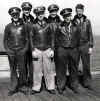
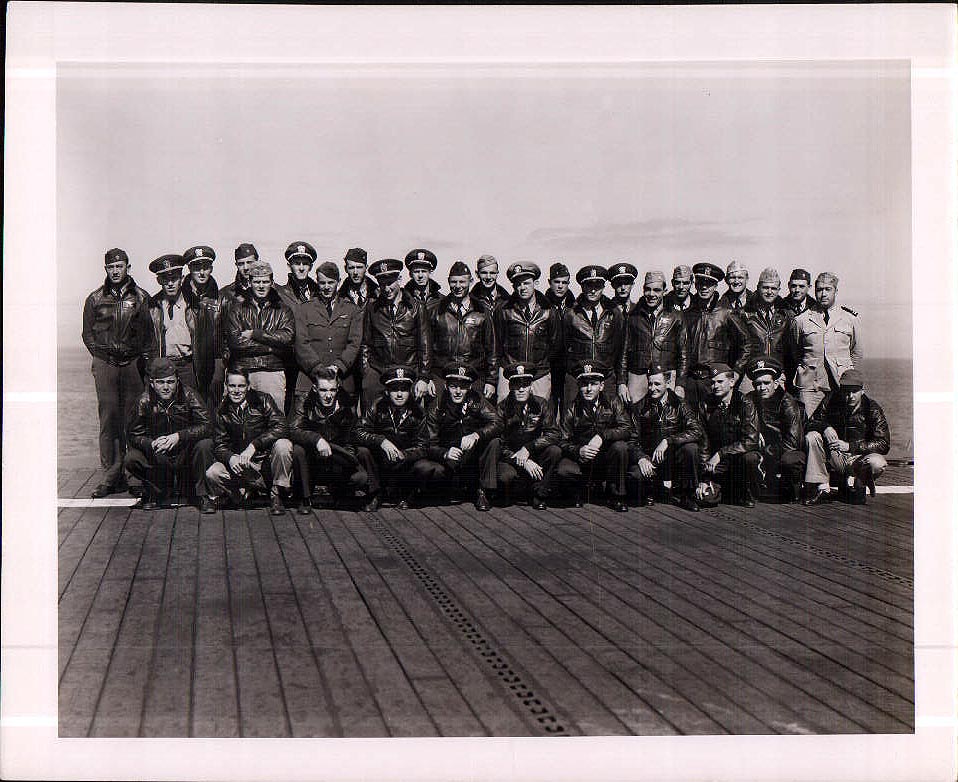
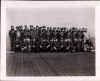 The Squadron
We were ordered to San Diego. When we arrived they sent us to Oxnard CA to
transition in the SB2C Curtis Helldiver, appropriately nicknamed "The
Beast". After about 30 flying hours we carrier qualified again, back in San
Diego.
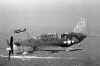 SB2C
SB2C  SB2C=5
Finally, we were on our way to the Pacific Fleet. Our next stop was Pearl
Harbor, 32 months after the US declared war on Japan. No other pilots in the
world got the level of training that the US Navy gave their future carrier
pilots. Classmates at the University, who joined the Army Air Corps at the same
time I joined the Navy, got their wings, went to Europe, completed their
missions, and returned to the US in less time than that and many with less
flight time. It was this superior training that paid off against the Japanese in
the Pacific.
After short periods at NAS Barber's Point, HA and Orote Field in Guam, we
finally deployed with both Task Force 38 and 58 from late '44 until mid '45.
Below is the first Essex class carrier we were assigned to - now in mothballs at
Bremerton Naval shipyard.
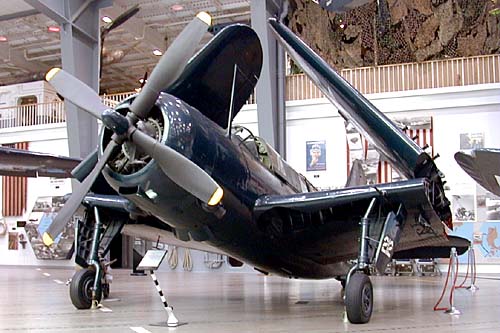
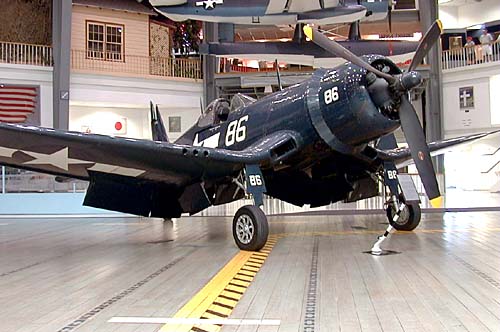
During the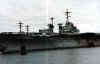 invasion of Okinawa, when the Kamikazes got so bad, our group switched to F4U
Corsair single seat fighter/bombers.
invasion of Okinawa, when the Kamikazes got so bad, our group switched to F4U
Corsair single seat fighter/bombers.
On returning to the states the team, we all survived, went through
operational F4U upgrade training at NAS Wildwood, N.J. and NAS Grosse Ile,
Michigan, where we CELEBRATED VJ Day. I then received individual orders
to the newly commissioned USS Lake Champlain in October '45. On reporting aboard
I was told that the ship had just received a message that I was eligible for
release to inactive duty. Since completing my education was a high priority, I
opted for release and returned to the University of Buffalo.
By the time I got to Buffalo it was too late to enter school. Since I was
married, I needed a job, so I became a draftsman/designer at Lake Erie
Engineering Corporation, where I worked and went to school at the same time. I
finally graduated with a BA in Math.
During this period I also helped in bringing a Naval Reserve Air Station to
Niagara Falls airport, and I served as a "weekend warrior" flying TBF
Avenger Torpedo Bombers.
![TBM-3[1].jpg (53083 bytes)](TBM-31_small.jpg) Avenger
Avenger
The following search boxes will link you to Microsoft Encarta
Encyclopedia. Select or type the information you want and click GO (or the
box with the red x). Example: In choose a category select History.
When new screen opens Type World War II and selct Go. Select from Events
list to review specific locations.








![TBM-3[1].jpg (53083 bytes)](TBM-3[1].jpg)