Back to My Home Page includes Beanie Babies, Doll Collecting, my Pet world,Wildlife,Shopping,,Snowmobiling,Camping,and much more
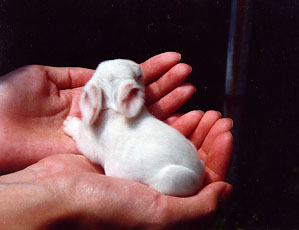
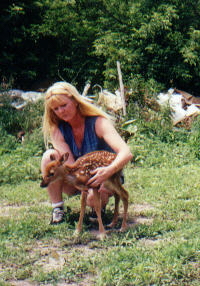
What to do if you find a injured ,Orphaned or displaced animal or bird
- Put into a dark warm place. like a cardboard box
- Put in a heat sorce. You can fill a soda bottle with hot water and cover it with a cloth.
- Call a near by Licensed Rehabilitator as soon as possible.
- Do not try to feed or water
- If it's a baby duck or goose etc. do not put in water. Water will kill them when they are young.
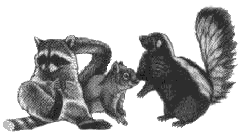
- Do not handle Racoon , Bats or Skunks. They are very proned to Rabies . Call public Heath on these animals
- Do not handle any more than possible.Stress is the killer.
- Do not try to raise it yourself . Babies need speical formulas.You need permits to keep things and the fines are high.
- BE SAFE wild animals and birds have weapons which include talons,teeth, hooves,claws,beaks,unpleasent sprays,some even vomit on predators. Most wildlife carry bateria,viruses and parasites that can be transmitted to humans or pets.
- Even injured animals will fight to protect themselves.If you feel you need to help, use heavy gloves and goggles. Do Not touch wildlife, but guide into container such as a heavy cardboard box with air holes.
- Be Very CAREFUL with RABIES; if the animal is acting strange in any way DO NOT RESCUE! call your local Public Health.
- Rescue at your own rick these are wild animals and can hurt you or make you sick! better yet call someone that knows what they are doing
WILDLIFE REHABILITATION LINKS
National Wildlife Rehabilitation Association
Wild Spirit Homepage
links rebilitators
SquirrelHammock
ecocanada.com - a gateway to the world of conservation and sustainability
Owls of North America - The Owl Pages
NYSDEC - Endangered Species Home Page
Endangered Species Home Page, U.S. Fish & Wildlife
National Wildlife Federation's Homepage
Wildlife Rehabilitation Today
Cornell Laboratory of Ornithology
RARE Homepage
.
.
Back to my Home Page