

 Jeremy Bentham
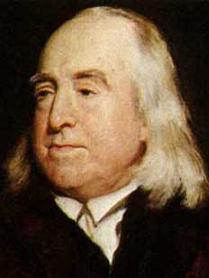
“Nature has placed mankind under the governance of two sovereign masters, pain and pleasure.”
Bentham, an athiest, concludes that it is morally the responsibility of people to determine the standards of right and wrong, pleasure and pain.
Pleasure is good, pain is bad.
Like Dewey, Bentham believes in the benefit of the majority as the ethical rightness. For example, the minority are to make sacrifices for the greater happiness and comfort of the majority.
John Stuart Mill
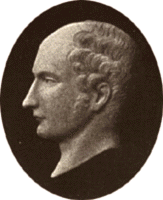
“Whatever crushes individuality is despotism, by whatever name it may be called.”
Mill believes in the natural good of man. He is convinced that if men are all freed from restraints and placed on an equal footing, they will act harmoniously and for the equal benefit of all. It is the circumstances that cause people to sway from this nature.
As an empiricist, Mill subscribed to the notion of having no innate ideas. All knowledge is learned through experience.
On Liberty
“Liberty consists in doing what one desires.”
Because doing what one desires can cause mass choas, liberty must be limited, for one is not to be a nuisance to others.
Everyone has the right to chose his or her own fate. As a spokesperson of human rights, he supports women’s suffrage to be equal to that of men.
