
Learning Through Play
by Marina Bresba
Welcome to Kindergarten!
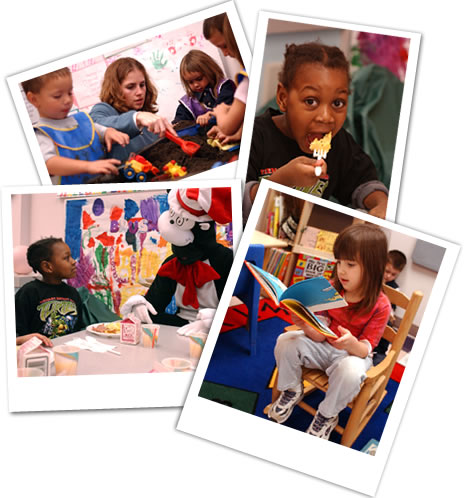
Welcome to a world of investigation and discovery, of new experiences and new learning, of intellectual, physical and social development. In short, welcome to a world of play.
Parents sometimes questions the amount of play that occurs in Kindergarten, worried that their children might be missing out on learning opportunities. Yet the Ontario Ministry of Education declares that "it has long been acknowledged that there is a strong link between play and learning for your children... Play, therefore, has a legitimate and important role to play in Kindergarten and can be used to further children’s learning in all areas..."1
Play: Discovery Learning
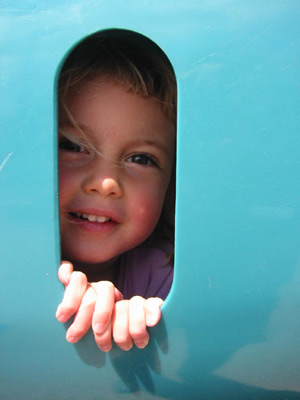
"Actual learning has always been closer to play than to work. It is closer to the pursuit of knowledge for its own sake than to required reading or study. In essence, play is a lifelong education."2
Kindergarten is your child’s introduction to school and to the formal learning environment. As such, we strive to make it a joyful and exciting first step of a lifelong journey of discovery.
In Kindergarten, children learn to explore, to investigate, to find out what the world around them can and cannot do... and, more importantly, to discover their own potential and capacity for learning and growth.
Life long learning can only occur in a supportive, interesting atmosphere. Through Kindergarten play, children learn the thrill of investigation, the adventure of learning, and the pride of discovery.
Play: Problem-Solving
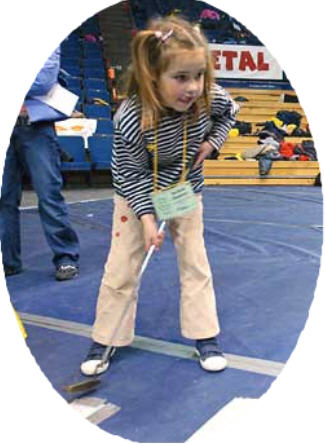
"Play allows learners to project themselves into the realm of possibility while enabling them to develop, alter, and refine current understandings as they explore, imagine, imitate, construct, discuss, plan, manipulate, problem-solve. dramatize, create and experiment."3
As your child plays, he or she is involved in a constant process of problem solving: How can I make the tallest possible block tower? What paints must I mix to make my favourite colour? How can I get the sandcastle to stick together?
Each puzzle and discovery in turn brings new questions and new challenges that inspire your child to take the next step, to push a little further, to dig a little deeper, to solve the next problem. In short, by playing, children develop the curiosity and problem-solving skills they will use their entire lives.
Play: Creative Imagination
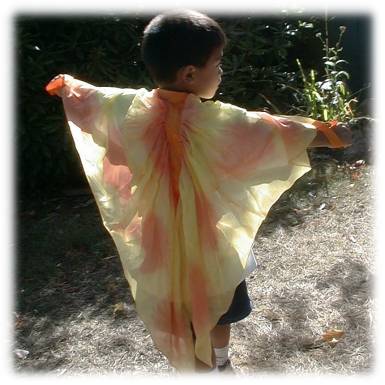
"Without this playing with fantasy, no creative work has ever yet come to birth. The debt we owe to the play of the imagination is incalculable."4
Imaginative play encourages your child to dream of new possibilities, new ways of doing things, new adventures to explore, new vistas to discover. Imagination is that which allows us to contemplate changing the world for the better, whether it be by building new buildings, or curing old diseases, or engineering new technologies, or telling new stories.
Through imaginative play, your child learns to conceive of the world in new and unusual ways – the hallmark of a true leader.
Play: Developing Social Skills
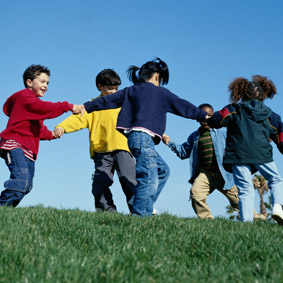
"Play brings out the primary virtues of friendship, love, and loyalty so necessary for a union of family and of neighbourhood."5
The Kindergarten classroom introduces your child to a diverse community of learners – each with their own ideas, wants, needs and desires. It is a complex social landscape which your children must learn to navigate.
As children play with others, they learn to share, to cooperate, to play fairly, to make and keep friends, to name their own feelings and empathise with the feelings of others, and to solve the inevitable conflicts that arise in life. All these skills are essential for children as they grow into kind, affectionate, respectful, generous members of society. In short, Kindergarten is a laboratory for living in the larger world.
Play: Building Self-Esteem
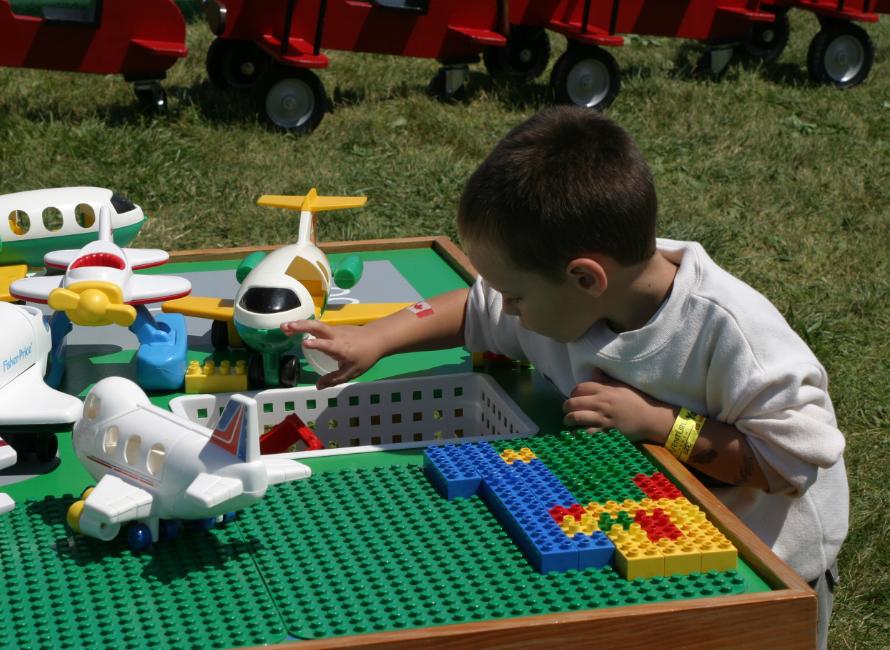
"Unstructured play gives children the opportunity to think for themselves.... It really helps to build their self-esteem.... Kids who play alone learn that they can try and succeed."6
In playing – and especially through unstructured, independent play – children learn to think for themselves, to investigate, to come up with solutions, to experiment, to manipulate their environment, to take an active role in shaping their world. They try, fail and try again, ultimately achieving their goal.
Through play, children learn that they have power and that they can succeed, thereby encouraging active participation in their own learning. Throughout, your child is developing the self-esteem and resilience necessary for life.
1 Ministry of Education and Training. (1998) The Kindergarten Program. p. 6
2 Frank Caplan and Theresa Caplan, The Power of Play. New York: Doubleday Anchor Books, 1973, p. xiv.
3 Iowa Department of Education, "Active Learning Through Play," The Primary Program: Growing and Learning in the Heartland, 2nd ed., 200.
4 Carl Jung, 1923.
5 Wilbur P. Bower and Elmer D. Mitchell, The Theory of Organised Play. New York: A.S. Barnes, 1928, p. 29.
6 Susan Oakes, cited by Edie Boatman, "Just Playing? Structured and Unstructured Play Helps Kids Learn a Lots," Milwaukee Journal Sentinel Online.
Return to Professional Knowledge
Return home
