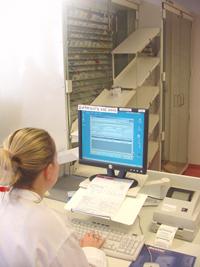
Buying medicine onlineThe Internet has changed the way we live, work and shop. The growth of the Internet has made it possible to compare prices and buy products without ever leaving home. But when it comes to buying medicine online, it is important to be very careful. Some websites sell medicine that may not be safe to use and could put your health at risk. Millions of consumers are using the Internet to get health information. And thousands of web sites are offering health information. Some of those sites are reliable and up-to-date; some are not. How can you tell the good from the bad? You have to talk with your doctor and have a physical exam before you get any new medicine for the first time. Use only medicine that has been prescribed by your doctor or another trusted professional. Make sure the site requires a prescription and has a pharmacist available for questions.
It is possible to lower the risks of medicinesThe benefits of medicines are the helpful effects you get when you use them, such as lowering blood pressure, curing infection or relieving pain. The risks of medicines are the chances that something unwanted or unexpected could happen to you when you use them. Risks could be less serious things, such as an upset stomach, or more serious things, such as liver damage. There are several types of risks from medicine use: a) The possibility of a harmful interaction between the medicine and a food, beverage, dietary supplement (including vitamins and herbals), or another medicine. Combinations of any of these products could increase the chance that there may be interactions. b) The chance that the medicine may not work as expected. c) The possibility that the medicine may cause additional problems. For example, every time you get into a car, there are risks---the possibility that unwanted or unexpected things could happen. You could have an accident, causing costly damage to your car, or injury to yourself or a loved one. But there are also benefits to riding in a car: you can travel farther and faster than walking, bring home more groceries from the store, and travel in cold or wet weather in greater comfort. To obtain the benefits of riding in a car, you think through the risks. You consider the condition of your car and the road, for instance, before deciding to make that trip to the store. The benefit and risk decision is sometimes difficult to make. The best choice depends on your particular situation. You must decide what risks you can and will accept in order to get the benefits you want. In many situations, the expert advice of your doctor, pharmacist, or other health care professionals can help you make the decision. Important: think it through and work together with your doctor, pharmacist, or other health care professional to better manage the benefits and risks of your medicines. You need keep an up-to-date, written list of ALL of the medicines (prescription and over-the-counter) and dietary supplements, including vitamins and herbals, that you use--even those you only use occasionally. You have to always tell your doctor if you are or might become pregnant, or if you are nursing a baby. Always ask questions about any concerns or thoughts that you may have. Before starting any new medicine or dietary supplement (including vitamins or herbal supplements), ask your doctor again if there are possible interactions with what you are currently using.
Preventing serious drug interactionsIf you take several different medicines, see more than one doctor, or have certain health conditions, you and your doctors need to be aware of all the medicines you take. Doing so will help you to avoid potential problems such as drug interactions. A drug may affect these enzymes by inhibiting them, which causes reduced activity of the enzyme and a buildup of the drug in the body. Or drugs may "induce" the enzymes, which causes increased activity of the enzyme and a reduction of the drug in the body. It used to be that the only way to test for drug interactions was in people. Now drug companies can take five test tubes with the five major pathways for metabolism and put their drugs in to see whether it's metabolized by CYP450. This allows to generate a list of possible interactions based on their findings. Three phases of clinical trials in humans must happen before a drug can be marketed. Phase 1 studies focus on a drug's side effects and how the drug is metabolized and eliminated from the body. Phase 2 studies focus on a drug's effectiveness. And Phase 3 studies gather more information on safety and effectiveness, which includes using the drug in combination with other drugs. Over the last several years, there has been a substantial increase in the number of drug-interaction studies the FDA sees in new drug applications. If drug interactions are significant enough, they can prevent a drug from being approved by the FDA. If the agency determines that known drug interactions can be managed and that a drug's benefits outweigh the risks for the intended population, a drug will be approved. Drug-interaction information then goes into the drug's labeling in the sections on "clinical pharmacology," "precautions," "warnings," "contraindications," and "dosage and administration." So rather than asking patients what medications they take, doctors should make the questions specific: "Are you taking any over-the-counter medication? Are you taking any herbal treatments or vitamins?" Drug interactions with dietary supplements includes herbs and vitamins, which can interact with drug-metabolizing enzymes. St. John's wort is an herb commonly used by people with cancer to improve mood, but research has shown it interferes with the metabolism of irinotecan, a standard chemotherapy treatment. Vitamin K (in dietary supplements or food) produces blood-clotting substances that may reduce the effectiveness of blood-thinning medicines like warfarin. Drug interactions with food and beverages, for example, taking quinolone antibiotics such as ciprofloxacin with food and drinks such as colas, coffee, and chocolate that contain caffeine may cause excitability and nervousness. There can be a potentially fatal increase in blood pressure if food containing tyramine is eaten when taking monoamine oxidase inhibitors, drugs that treat mood disorders. Examples of food with tyramine are cheese and soy sauce. Grapefruit juice should not be taken with certain blood pressure-lowering drugs or cyclosporine for the prevention of organ transplant rejection. Alcohol should not be taken with pain relievers such as Tylenol (acetaminophen) or ibuprofen because of the increased risk of liver damage or stomach bleeding.
|


