Dialogue Journal Response:
Keat's "La Belle Dame sans Merci"
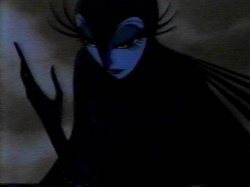
I read Keats’s “La Belle Dame sans Merci: A Ballad,” both versions from 1819 and 1820. From the French language, it means “The Beautiful Lady Without Mercy.” The title right there tells exactly how the story is going to go. The plot of this poem, in either version, is about a knight telling a story about how this “woman” gave him drugs and is now slowly dying because of it.
Starting with the original version, it begins that one knight sees another doing nothing, but looking ill. The sick knight then begins the story of what has happened and why he’s not out slaying dragons and rescuing damsels in distress. In the fourth stanza, he talks of a “faery’s child” and how her eyes were wild, giving the idea that she could have been an animal or wild child. Just realizing from the next stanza, it proves that she is a seductress as well as they “roll around in the hay.”
In the sixth stanza, there are a couple meanings when referencing to setting her on the knight’s horse. It could be an image of him as the steed, or actually her on this horse. Also, she began to sing a “faery’s song” giving reason that she is like a siren or witch still wanting to control him.
Now that she has him under her “spell”, in the next stanza, she begins feeding him all sorts of things to hallucinate, such as the drug opium. By this time, he couldn’t tell what she said but assumed it as “I love thee true” when it could have been “I’m going to eat you!” He also wasn’t hard to move, which she did, to her cave; and into her territory. Here, he kissed her closed eyes four times and than fell asleep to dream. At this point, the poem as ended, leaving out what the knight dreamt about.
In the revised version, there were a few changes. Keats changed stanza five and six around, where he placed her on his steed and then was seduced. Another change was in stanza eight, when he kissed her eyes, he didn’t say how many times. In an interview with Keats, he said that the reason he said four kisses (when he could have chosen two, or even six) in the original version was because he knew that critics would be stumped trying to figure it out when there really wasn‘t anything to figure out. For some poets, when writing poetry, the one thing that sticks out from everything else is usually nothing, and something that seems insignificant is what’s usually important.
The biggest change to the revised version were the three stanzas after the ninth when Keats finally writes about the knight’s dream. In the dream, there’s a warning that the woman has no mercy and had him captured. When he wakes, he finds himself on the hill’s side. And the last stanza just repeats that was what happened to the other knight.
Personally, I don’t think there was any other person there with the ill knight. He was already on drugs at the time, so it’s very possible that he was just talking to himself. Even at the beginning of the poem, there was no mention of a second knight, it could have just been assumed that there were because there was a conversation.


Click the arrows to go to either: Previous Essay or Next Essay