BY FAR ONE OF THE WEHRMACHT'S GREATEST ASSETS, AND ONE OF THE AREAS UNDER WHICH THEY EXCELLED, WAS THAT OF TANKS. WHILE THE ALLIED NATIONS VASTLY OUTNUMBERED THE PRODUCTION OF GERMAN DESIGNS, THEY NEVER WERE ABLE TO PRODUCE A TYPE WHICH COULD MATCH THE PANZERS BOTH IN TERMS OF ARMOUR, AND SHEER FIRE POWER.
THE SOVIET DESIGNED T34 WAS THE ONLY TANK OF WW2 THAT CAME EVEN CLOSE TO OUTCLASSING THE PANZERS. THE DEBATE OVER WHICH NATION BUILT THE BEST KILLING MACHINE RAGES TO THIS DAY.
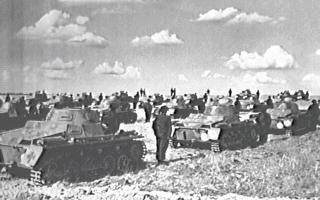
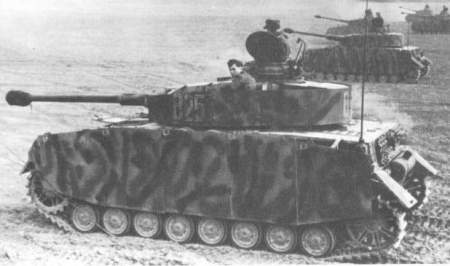
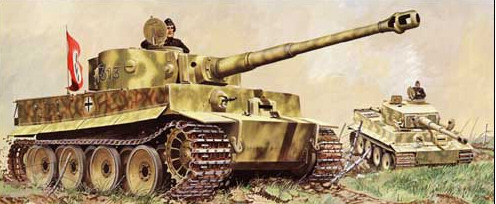
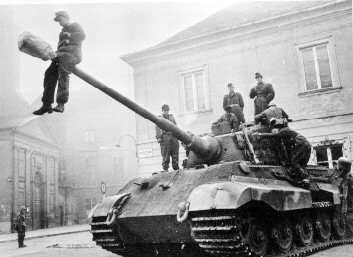
The impressive sight of a Panzer Commander standing in his turret.
NOTE: SPECS VARIED BETWEEN THE DIFFERENT MODELS OF TANKS, THE FIGURES GIVEN HERE ARE FOR THE MOST COMMON ON EACH PANZER.
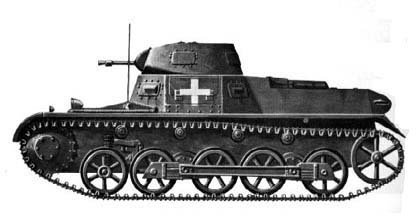
LENGTH:13'3" WIDTH:6'9" WEIGHT:11,905LBS CREW:2 POWER:KRUPP M305 4CYL AIR COOLED PETROL ENGINE, SPEED: 23 MPH ARMOUR: 7-13MM ARMAMENT:TWO 7.9MM MACHINEGUNS ARMOUR: 7-13MM\
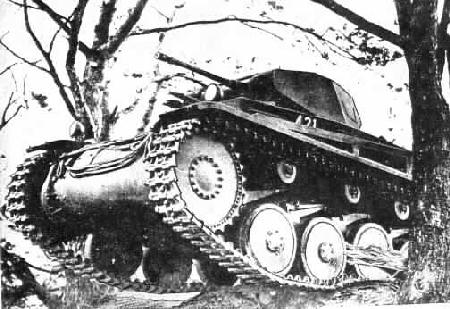
PANZERKAMPFWAGEN 2: The Panzer Mark 2 was originally intended as an interim measure to boost the small numbers of tanks possessed by the Wehrmacht during the early 1930's. The ultimate plan was to focus on larger more powerful weapons, but it became apparent they were yet to see production. The Panzer 2 was essentially a bigger version of the Panzer 1. It featured a three man crew and a 20mm cannon. Over 1000 Panzer 2's took part in the Polish invasion, and in the invasion of France in 1940 they would be the backbone of the Panzer Divisions. As late as 1942 there were still 800 Mk2's in service.
LENGTH: 15'7", WIDTH:7', WEIGHT:16,105LBS, CREW: 3, POWER:MAYBACH TR, 6 CYL WATER COOLED ENGINE. SPEED: 35KM/22MPH, ARMAMENT: ONE 20MM KWK CANNON-ONE 7MM COAXIAL MACHINEGUN. ARMOUR: 10-30MM
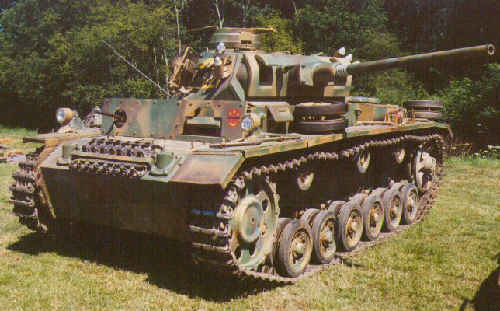
PANZERKAMPFWAGEN 3: The Panzer Mark 3 was originally intended to be the primary medium battle-tank for the Wehrmacht. The concept was to build two types-the first would be a tank killer, with a high velocity-armour piercing shot, with another designed as a support tank. The Panzer 3 was to be the tank killer. By the invasion of Poland only 100 Panzer 3's were in service, and that number had only increased to 350 by the invasion of France. The tank was well laid out, and its armour and especially its firepower proved ineffective against the stronger British and French tanks. As a result the Panzer 3s sister tank would take the place as the mostly widely used Panzer of the war.
LENGTH: 17'8", WIDTH: 9'6", WEIGHT: 42,770LBS, CREW:5, POWER: MAYBACH HL 120 V12 WATER COOLED ENGINE. SPEED: 40KM/25MPH, ARMAMENT: ONE 50MM KWK CANNON, ONE 7.92 MM COAXIAL MACHINEGUN. ARMOUR: 10-50MM
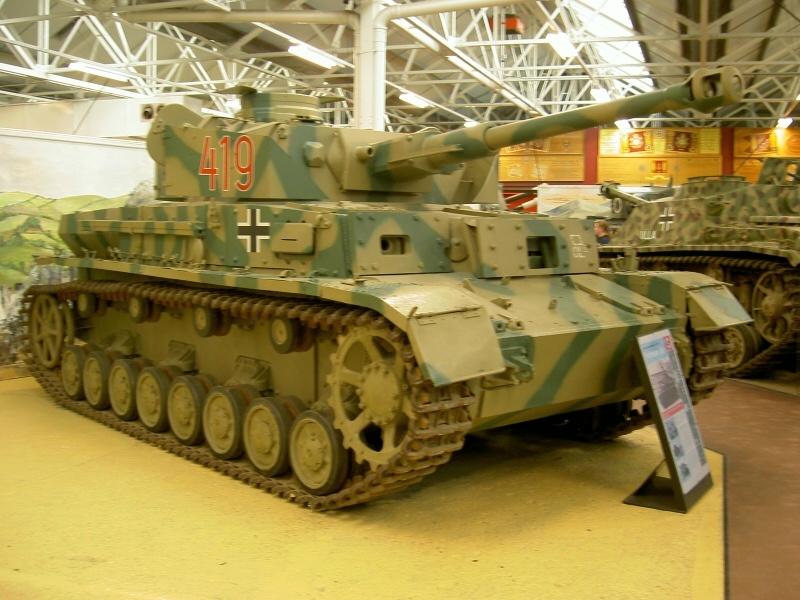
PANZERKAMPFWAGEN 4: The Panzer Mark 4 was first designed to be the counterpart to the MK 3. In this role it was intended to act as an infantry support tank, and was armed with a small, low velocity cannon. This was perfect for destroying "soft" targets like machine gun nests, and bunkers. As the battles erupted across Europe it was discovered by tank crews that the slightly larger MK 4 was better suited to modification, and its design allowed many variations and improvements to both armour and firepower. By wars end over 9000 Panzer Mark 4s would be built, and it would proove to be the most versatile tank of the war.
LENGTH: 17'9", WIDTH: 9'10", WEIGHT: 56,146LBS, CREW: 5, POWER: MAYBACH HL 120 V12 WATER-COOLED ENGINE. SPEED: 40KM/25MPH. ARMAMENT: ONE 75MM KWK CANNON, 1 7.9MM COAXIAL MACHINE GUN. ARMOUR: 30-90MM
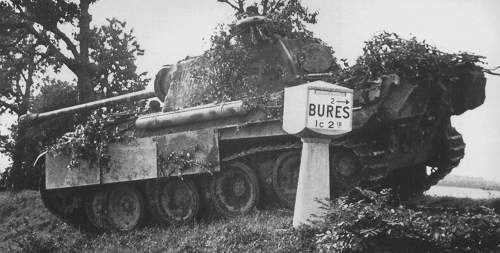
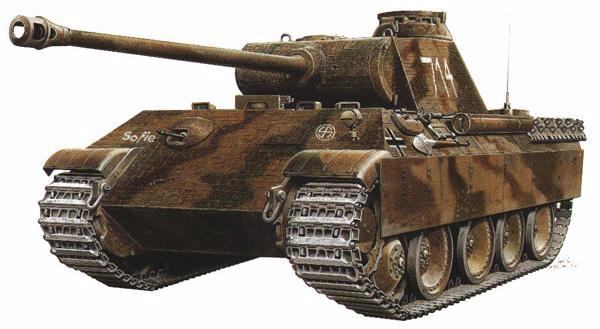
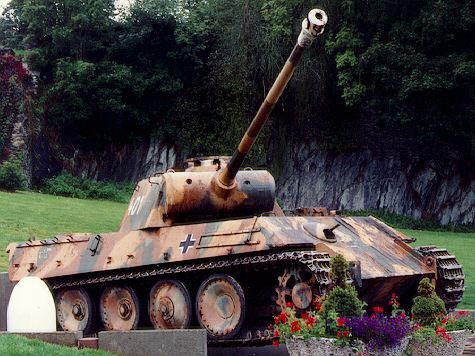
PANZERKAMPFWAGEN 5-PANTHER: Agreed by many to be the most versatile medium tank of World War 2, the Panther incorporated some of the best concepts of tank design for its day. Its thick sloping armour, combined with a powerful gun; made it a power adversary on the battlefield. In its early stages the Panther suffered from poor performance. The designers had tried too hard to make this a super modern design, and many aspects were too complex, and not well suited to repair and field maintenance. After some early "teething" problems the Panther would go into battle as an incredible weapon. Approximately 5000 Panthers were built during the conflict.
LENGTH: 22'6", WIDTH: 10'10", WEIGHT: 98,700LBS, CREW: 5 POWER: MAYBACH V12 LIQUID COOLED ENGINE. SPEED: 46KM/29MPH. ARMAMENT: 75MML70 CANNON, TWO 7.92MM MACHINE GUNS, ARMOUR: 20-120MM
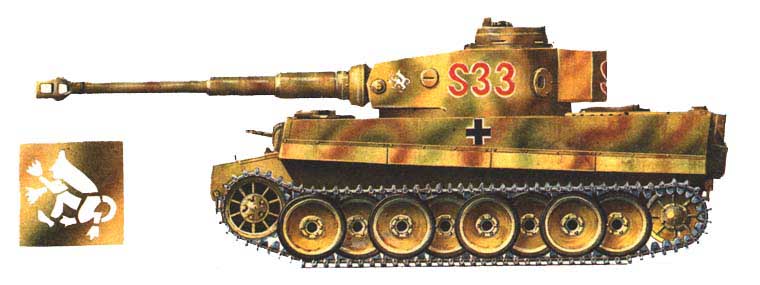
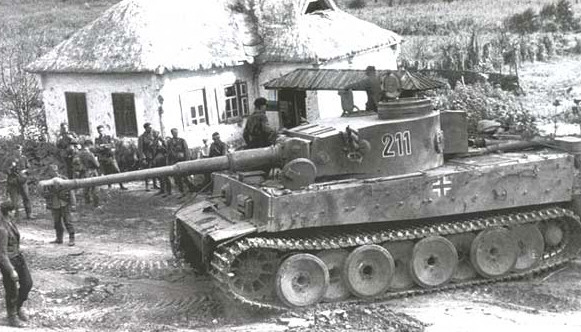
PANZERKAMPFWAGEN 6: TIGER: The Tiger tank is probably the most famous tank of WW2. The very mention of the tank would drive fear into the hearts many Allied and Russian soldiers. However the tank was not quite as perfect as its legend leads people to believe. The tank was drastically under-powered and slow. It also had a very slow traverse on its turret, and could easily be "penned" in and destroyed at close quarters. The desire for a "heavy" tank had been around since the outbreak of war, however it was not until the Germans faced the T34 in Russia that this design saw production. When used properly the tank was certainly formidable, but it certainly had weaknesses.
LENGTH: 27', WIDTH: 12'3", WEIGHT: 121,255LBS, CREW: 5, POWER: MAYBACH V12, WATER COOLED ENGINE.SPEED: 38KM/24MPH, ARMAMENT: ONE 88MM L56 GUN, TWO 7.92MM MACHINE GUNS. ARMOUR: 26-110MM
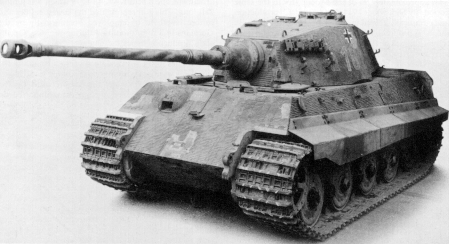
TIGER 2 or KING TIGER: Within days of the Tiger going into service Hitler demanded a design for an "uber panzer" or Super Tank ,which would incorporate the power and might of the Tiger with the sloping armour and more modern design of the Panther. The fruit of this demand was the King Tiger. Henschel and Porsche would battle it out for design rights, and Porsche was so confident they would win; they went ahead and built turrets. However the contract would go to Henschel, and as a result the tank saw service with two types of turret. The final product was a true monster, and was virtually invincible on the battlefield. In both offensive, and defensive battle it was practically indestructable. However by the time it saw service, little could be done to turn the tide of the war.
LENGTH: 23'9", WIDTH: 12'3". WEIGHT: 153,000LBS. CREW: 5. POWER: MAYBACH V12 LIQUID COOLED ENGINE. SPEED: 35KM/21MPH. ARMAMENT: ONE 88MM L71 GUN, TWO 7.92 MM MACHINE GUNS. ARMOUR: 40-185MM
Copyright 2008 OKW