Biomes are defined as "The World's Major Communities." There are many biomes in earth. Here are some example of biomes.

Water is the common link among the five biomes and it makes up the largest part of the biosphere, covering nearly 75% of the Earth’s surface. Aquatic regions house numerous species of plants and animals, both large and small. In fact, this is where life began billions of years ago when amino acids first started to come together. Without water, most life forms would be unable to sustain themselves and the Earth would be a barren, desert-like place. Although water temperatures can vary widely, aquatic areas tend to be more humid and the air temperature on the cooler side.
Desert
Deserts cover about one fifth of the Earth’s surface and occur where rainfall is less than 50 cm/year. Although most deserts, such as the Sahara of North Africa and the deserts of the southwestern U.S., Mexico, and Australia, occur at low latitudes, another kind of desert, cold deserts, occur in the basin and range area of Utah and Nevada and in parts of western Asia. Most deserts have a considerable amount of specialized vegetation, as well as specialized vertebrate and invertebrate animals. Soils often have abundant nutrients because they need only water to become very productive and have little or no organic matter. Disturbances are common in the form of occasional fires or cold weather, and sudden, infrequent, but intense rains that cause flooding.


Grasslands are characterized as lands dominated by grasses rather than large shrubs or trees. 25 million years ago, mountains rose in western North America and created a continental climate favorable to grasslands. Ancient forests declined and grasslands became widespread. There are two different type of grassland, savanna and temperate grassland.
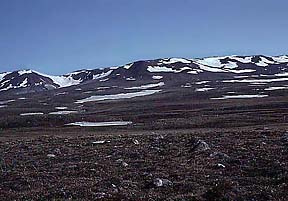
Tundra
Tundra is the coldest of all the biomes. Tundra comes from the Finnish word tunturia, meaning treeless plain. It is noted for its frost-molded landscapes, extremely low temperatures, little precipitation, poor nutrients, and short growing seasons. Dead organic material functions as a nutrient pool.
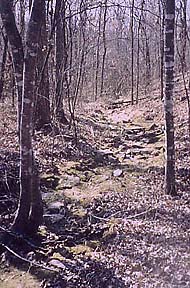
Forest
Today, forests occupy approximately one-third of Earth’s land area, account for over two-thirds of the leaf area of land plants, and contain about 70% of carbon present in living things. They have been held in reverence in folklore and worshipped in ancient religions. However, forests are becoming major casualties of civilization as human populations have increased over the past several thousand years, bringing deforestation, pollution, and industrial usage problems to this important biome.