|
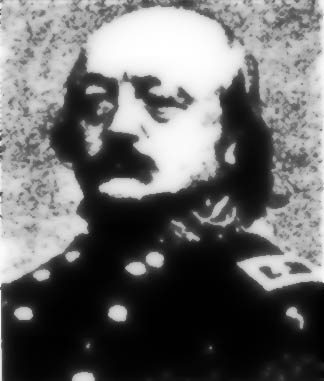
General Benjamin F. Butler A politician with little military experience, led two ill-fated Union campaigns against Richmond. |
Few engagements occurred in 1861. There were several small battles before First Manassas, including three incursions into Virginia. These three encounters with the Confederates were at Philippi (June 3), Rich Mountain (July 11), and Corrick's Ford (July 13). The Federals were victorious. The other two invasions the Federals made were not very successful. In one battle, General Benjamin F. Butler's men were sent running back to their camp, at Fort Monroe, by attacking Confederates. |
THE COMMANDERS |
|
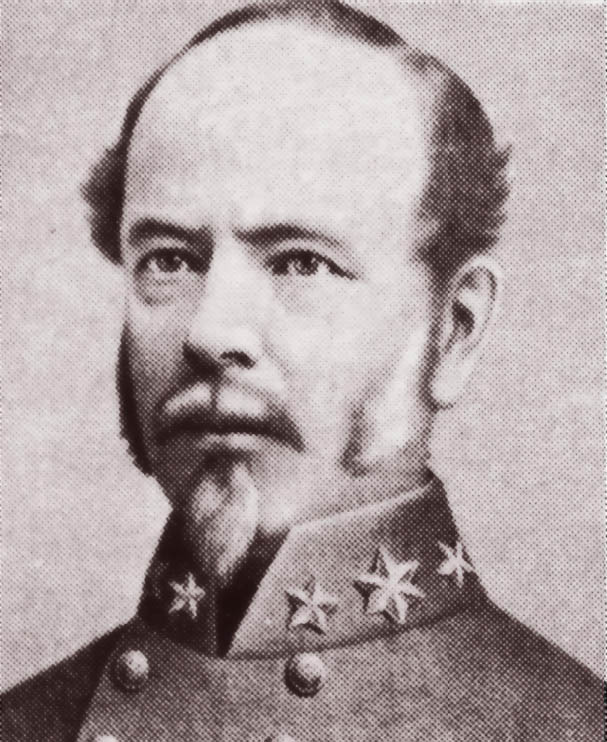
General Joseph E. Johnston A great nephew of Patrick Henry, "Uncle Joe" Johnston proved a superb army commander for the CSA. Yet he and President Davis had too many personal and official differences during the war |
Brigadier General Irvin McDowell An able Union staff officer and brilliant desk general. |
| On July 1, 1861, Confederates had about 30,000 men under General Johnston's command. General McDowell and his 35,000 troops were ready to launch his elaborate offensive. This third and main push by the Federals into Virginia resulted in the largest battle of 1861. |
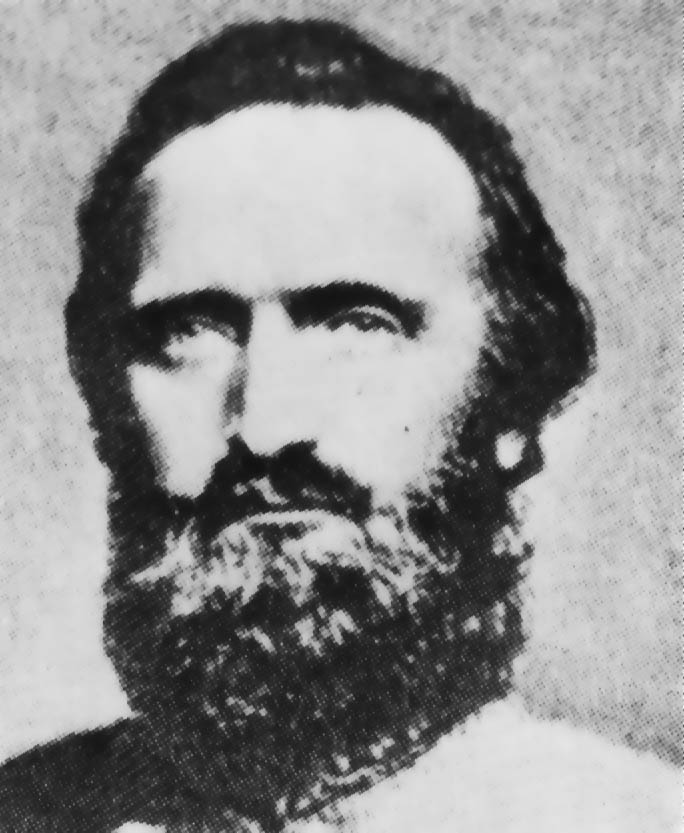
| It might have been possible for the Federals to have won the battle that day, but for General Thomas J. Jackson commanding a stubborn brigade of Virginians. Jackson and his men not only helped to save the day, but also earned for that general and his brigade the name "Stonewall". The withdrawal of McDowell's troops turned into a rout. The Union troops, in such a state of panic, could hardly be stopped short of Washington, 25 miles away. |
General Thomas J. "Stonewall" Jackson-CSA A man of both military genius and peculiar habits.
Known as "old Jack" to his men, he was probably one of the most
devout soldiers of the war. |
|
General George B. McClellan |
While Manassas was being hailed in the South as a great
victory, the North was equipping large armies for full-scale war.
On August 10 and October 21, the North suffered two costly setbacks, at Wilson's Creek, in Missouri and at Ball's Bluff, Virginia. In 1861, the rebels won most of the battles. The U.S. government did not feel defeated. An army that soon would number 100,000 was being built by General George B. McClellan |
| On November 7, 1861, Port Royal, South Carolina, was captured by a Federal amphibious force. On the same day, a defeat was dealt to another Federal army, at Belmont, Missouri. The losing general was Ulysses S. Grant. It was his first Civil War battle. |
General Ulysses S. Grant |
| HOME | THE MEN | THE BATTLES | THE LITTLE DRUMMER BOY | CIVIL WAR STYLE QUILTS |
| THE PRESIDENTS | GETTYSBURG ADDRESS |