Site hosted by Angelfire.com: Build your free website today!
 

Types of Fossils

Fossils are evidence of past life. They are formed in many ways. After a plant or animal dies, its soft tissues usually decay or are eaten. Most fossils are formed when the hard parts are protected from decay by natural burial soon after the organism dies. For this reason, most fossils are found in sediments that were laid down by water - either ancient rivers, lakes, or oceans.

imprint of leaf


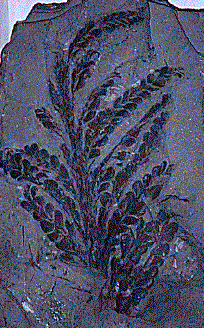
imprint of plant

small clam

therapod track

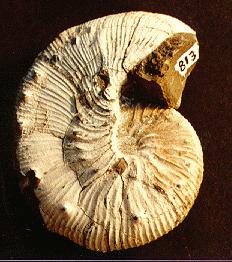
ammonite fossil

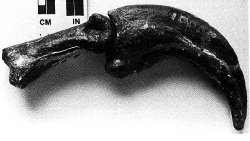
a claw


trilobite

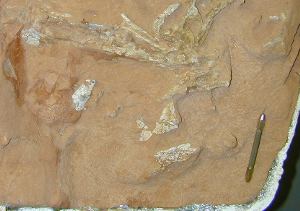
hadrosaur leg bone


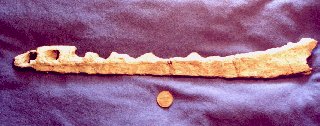
crocodile jaw

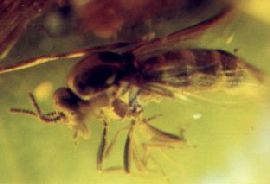
wasp in amber

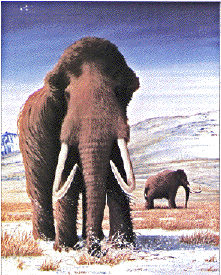
giant mammoth (found in ice frozen for 10,000 years)


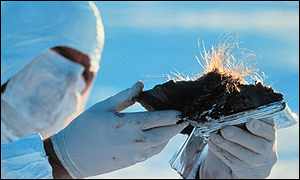
mammoth hair

tar pits
First the bones were saturated with asphalt, which stopped decay. Preservation of the fossils took place after the saturated bones had been buried beneath water-borne sediment. Unlike most fossils, the fossils from Rancho La Brea are unchanged, original material. 


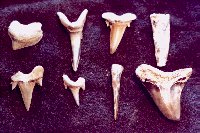
shark teeth
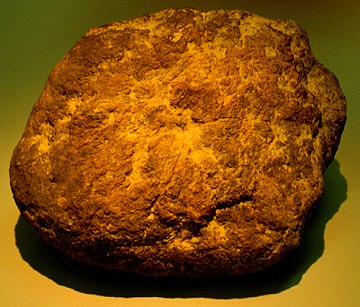
coprolite
Links to great fossil pictures and information:

http://www.ammonite.ws/
http://www.envs.emory.edu/ichnology/dinotraces.html
http://www.coloradomtn.edu/campus_rfl/staff_rfl/kohls/eocene.html
http://tabla.geo.ucalgary.ca/~macrae/Burgess_Shale/
http://www.museum.vic.gov.au/dinosaurs/
http://www.uky.edu/KGS/coal/webfossl/pages/devonian.htm
Project Prosaurapod
Fossils of New Jersey