

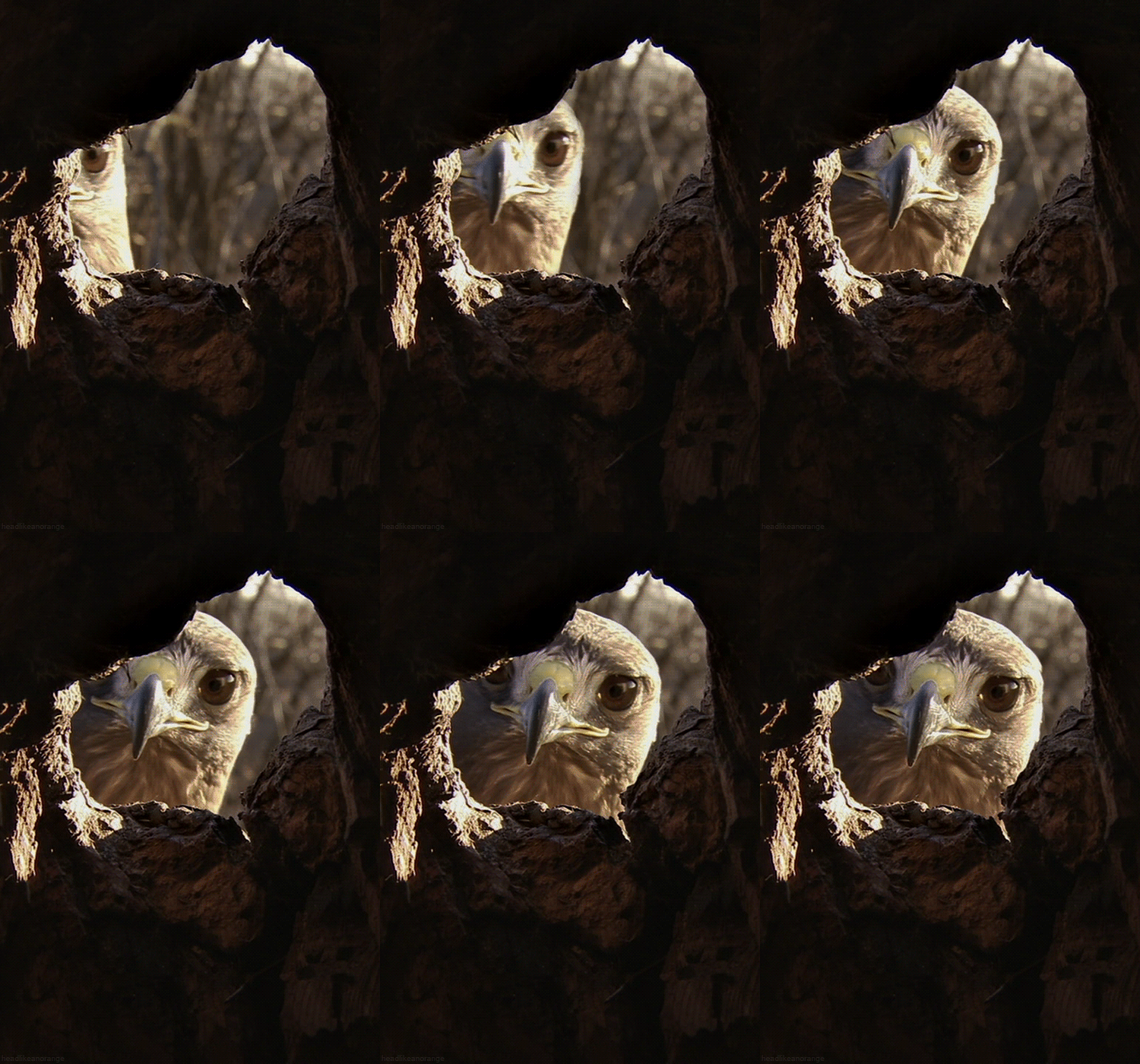
CLICK PLAY FIRST
When out on the trails you are bound to run into some of the forest inhabitants. Even if you don't always see the animals of the forest they for sure see you. You are never really alone on your hikes, even if none of your friends were able to join. Always remember to take a moment and look around your surroundings, you might be surprised at what you see.
Below is a list of just SOME of the animals you might come into contact with, and some information to go along with each.
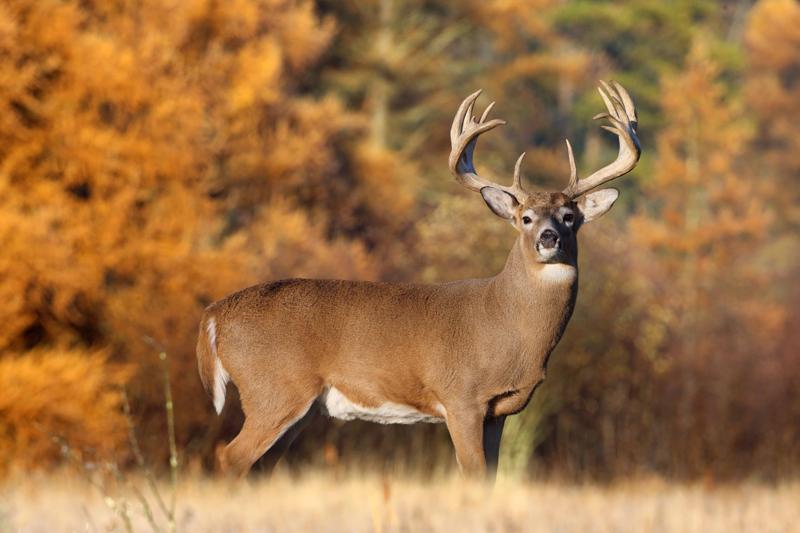 WHITE TAILED DEER
Scientific Name:Odocoileus virginianus Scientific Name:Procyon lotor Scientific Name:Vulpes vulpes Scientific Name:Dryocopus pileatus Scientific Name:Mephitis mephitis Scientific Name:Agkistrodon contortrix mokasen
Its also important to remember that these are indeed all wild animals, and should be treated as such! Sometimes these critters find themselves in urban developments, and its up to us to make sure they are dealt with properly. Below is a link that will help you to discover methods of how to deal with these critters should you ever find one, Oh lets say, in your REAL backyard!
Perhaps one of the most familiar faces when out hiking in the Bucks County area, the White Tailed Deer has a booming population across Pennsylvania. It is very common to encounter one of these friendly faces on the trail. But don't let the face fool you, you should never approach a wild deer. They are still a WILD ANIMAL! And should be treated as such. Remember to take time to admire the deer, but do so from a distance.
Fast Facts
Type:
Mammal
Diet:
Herbivore
Average life span in captivity:
6 to 14 years
Size:
6 to 7.75 ft (1.8 to 2.4 m)
Weight:
110 to 300 lbs (50 to 136 kg)
Group name:
Herd
Did you know?
"White-tailed” refers to the white underside of the deer’s tail, which it displays and wags when it senses danger.
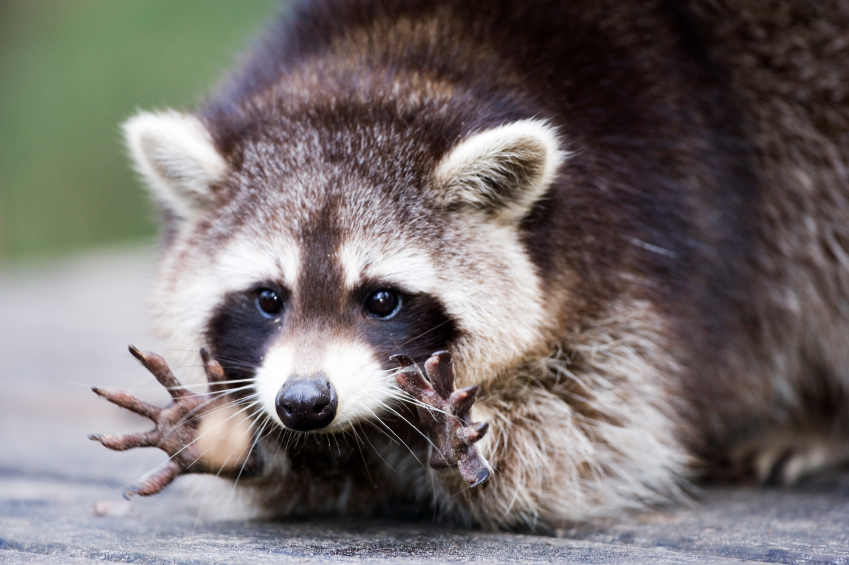 NORTH AMERICAN RACCOON
Although, its more likely to turn up in your garbage, the Raccoon is indeed another common animal you might run into on your hiking adventures. More likely to be seen at night, Raccoons are nocturnal foragers, and are known to be excellent night fishermen. They spend time catching small crayfish,frogs, and other aquatic creatures in streams, when not busy trying to eat everything else!
Fast Facts
Type:
Mammal
Diet:
Omnivore
Average life span in the wild:
2 to 3 years
Size:
23.75 to 37.5 in (60 to 95 cm)
Weight:
4 to 23 lbs (1.8 to 10.4 kg)
Group name:
Nursery
Did You Know?Females can have between 1 and 7 cubs!
 RED FOX
The stunning Red Fox is often seen as a menace to farmers and small live stock, but humans always forget, they were here first! This beautiful creature is a relative of the common household dog, but acts far different then Fido! Red Foxes are known to be extremely intelligent and cunning, giving rise to the saying "sly as a fox." They tend to be solitary hunters, hunting small game such as rodents and small birds. The Red Foxes large bushy tail may look cute, but its actually a very versatile tool. Not only does the fox use it for balance like a cat, but wraps its around it's body to stay warm and as a signal flag to communicate with other Foxes!
Fast Facts
Type:
Mammal
Diet:
Omnivore
Average life span in the wild:
2 to 4 years
Size:
Head and body, 18 to 33.75 in (46 to 86 cm); Tail, 12 to 21.75 in (30.5 to 55.5 cm)
Weight:
6.5 to 24 lbs (3 to 11 kg)
Infant Name:
Kit
Did You Know?At birth Red Foxes are actually gray or brown!
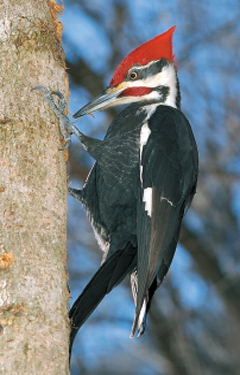 PILEATED WOODPECKER
Known for it's distinctive red crest that sits atop its head, the Pileated Woodpecker is one of the most common Woodpeckers found in North America. While out hiking, if you listen closely you may hear the drumming of the Pileated Woodpecker pecking away at a dead tree. This loud peck is working like a pick axe, carving small holes into the tree in search of the Pileated Woodpeckers favorite meal, BEATLES! Not only is the pecking used to hunt for food, but it also attracts mates during mating season.
Fast Facts
Type:
Bird
Diet:
Omnivore
Size:
Body, 16 to 19 in (40 to 49 cm); wingspan, 26 to 30 in (66 to 75 cm))
Weight:
8.8 to 12.3 oz (250 to 350 g)
Group name:
Nursery
Did You Know?The pecking from a Pileated Woodpecker can create a hole so large the tree eventually splits in half!
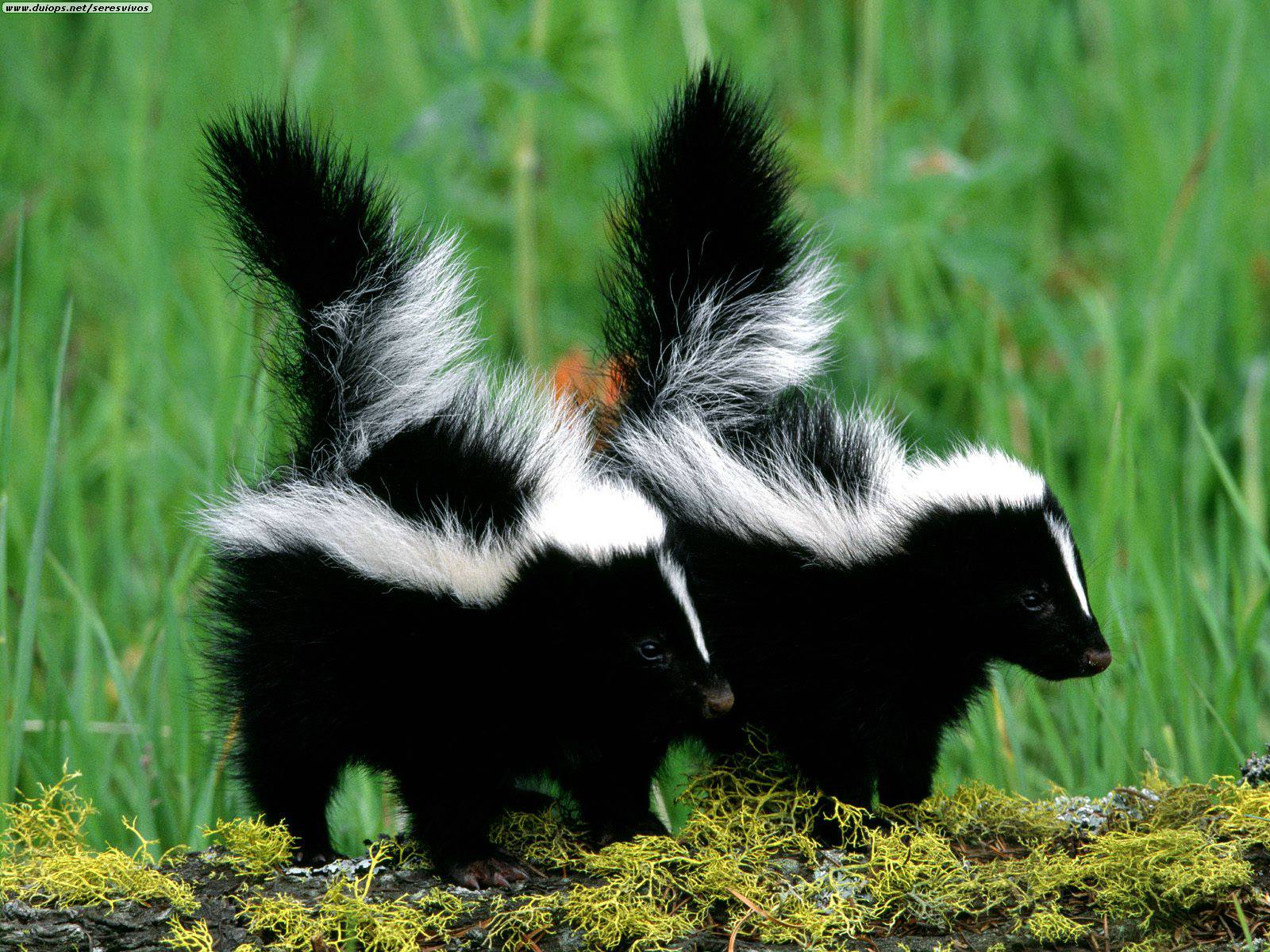 STRIPED SKUNK
A familiar face to most, or should we say a familiar smell? The Striped Skunk is best known for its horrible-smelling spray that it release when it feels threatened. The smell is strong enough to detour even the biggest of predators. Its in your best interest to STAY AWAY from skunks, unless of course you enjoy smelling like rotten eggs!
Fast Facts
Type:
Mammal
Diet:
Omnivore
Average life span in the wild:
3 years
Size:
Head and body, 8 to 19 in (20 to 48 cm); tail, 5 to 15 in (13 to 38 cm)
Weight:
7 oz to 14 lbs (198 g to 6 kg)
Group name:
Surfeit
Did You Know?Skunks don't all come striped, some have spots or swirls! But all skunks are black and white!
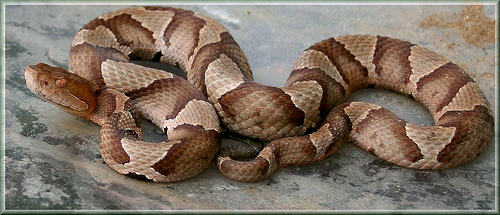 NORTHERN COPPERHEAD
DANGER: POISONOUS!!!!If you come across a Northern Copperhead on your trails, turn around and walk in the opposite direction. These are not animals to be toyed with, so keep your distance when admiring them. They tend to stay near rotted logs or rock faces, coming out to bask in the sun during the afternoon hours. The Copperhead is the cause of many snake bites yearly, but thanks to anti-venom they tend to rarely be fatal cases. One must respect the great power of this snake.
Fast Facts
Type:
Reptile
Diet:
Carnivore
Average life span in the wild:
Up to 18 years
Size:
30 to 35 in (76 cm)
Did You Know?Sometimes when touched, they emit a musk that smells like cucumbers!
Animals are an amazing part of this earth, and its very helpful to get educated on the animals that live in your backyard. But that's just your backyard!
If you wish to explore the animals of the world, click on the link below...
Animals of the World
How to handle wild animals, correctly

