
| Agaponis |
BirdsThe parrot like birds include Macaws, cokatoos, lories, lorakeets, Parakeets.These birds are found in a variety of habitats. They are most prevalent in lowland tropical or sub tropical rainforest. The focus on them here is to improve their numbers in the wild. They tend to like forest margins or clearings, the places where trees meet open space. They also tend to have an attachment to certain trees. These birds feed by dehusking seeds from various suitable plants. They also like fruits procured from the tree tops, figs are taken when available. The cokatoos bill is especially good at crushing seeds or hard nuts, they also look for grubs in the trunk of trees. lories feed on pollen nectar and soft fruits. the rainbow laurikeet(tricholosus haematodus) likes to eat eucalyptus flowers. The nest of these birds depend on the avalibility of hollow trees, creveces among rock and other natural hollows. The Rainbow laurikeet has two chicks after 26 days of incubation, the young leave the hollow after 60 days. The adults of thes species feed on pollen,nectar and fruits. The yellow frounted blue eared lory nest in palm trees and feeds on the blossoms of the coconut palm. Acacia seeds and grass seeds are eaten by yellow collared fischers. lovebird (Agaponis) use their own nesting materials. Berries and berry like seeds have been found in rosie-faced lovebirds (Agaponis), these types of love birds like to make their nest in the nest of sociable weaver bird. Red headed love birds nest in tree living tirmite mounds. In general parakeets parrotlets and lovebirds feed extexsively on grass seeds on or near the ground. Unlike certain members of the parrot family toucans are not endangered. The main danger to toucans in their normal habitat are raptors. Red brested tuco tucans(ramphastos dicolorus) are raverine specialist that inhabit the palm savana, all forage in the forest canopy plants used for food by toucans are (Mauritia euterpe) palm, nutmeg, figs, guava red pepper,papaya. Insects are also eaten. The button quail are among the smaller types of quail, they inhabit the warmer drier parts of the world they feed on seeds and plant material. they live and nest on the ground near fallen log or branch. Bobwhites live in meadow lands ritch in bushes and amid woodlands from southern canada all the way to mexico and cuba, which make them both temperate and tropical. Sand grouses are social animals typical of dry environments, they are distantly related to pegions but resemble partridges. They feed on seeds and insects and travel tens or hundreds of miles for water if necessary. They drink twice a day Creating the habitatCreating the habitat involves making available cover, dens, water, and the plants used by the wild life. Setting up the trees that the wild life use involve planting a variety of the plants used for food and dwelling. A list of plants their habitat usage are listed below.
Some of the birds that nest in hollows are the Chickadee, Titmouse,both are present in temperate climates, also nesting in hollows are spotted flycatcher, clift swallows, bee eaters, some finches parrots, toucans etc.
Making the area suitable for nesting include using wood peckers to help create reusable hollows. Toucans use the nest created by woodpeckers. Elf owls(micathene whitneyi) uses hollows made by gila woodpeckers and northern flickers in saguaro cacti high above the ground. Dens are used by a number of creatures such as hyraxes, which tend to like elevated areas. Dens can be made at the base of risings the way many den dwellers tend to make dens. They can be made at the base of rocks, or rock like slabs.
Ponds are found where the under ground water table meets the surface of the earth. ponds are also found where impervious rock can keep water contained naturally especially at the lower level of sourrounding sloped areas, Also possible are down hill channels sloping into a concreted area that keeps water contained to make a sustainable pond. Created ponds If done right can have a very natural look. Ponds are often made by farmers for a variety of reasons. Large ponds or lakes can be made when dealing with habitat for larger animals. A large number of birds and certain animals like woodchucks consider the point where the tree line meets the open space ideal habitat, when water is also available in these areas they are used even more.
|
lory
|
||||||||||||||||||||||||||||||||
| Parakeet
|
Lorikeet
|
|||||||||||||||||||||||||||||||||
| Rozella
|
Rozella
|
|||||||||||||||||||||||||||||||||
| Macaw
|
Macaw
|
|||||||||||||||||||||||||||||||||
| Bobwhite
|
Partrige
|
|||||||||||||||||||||||||||||||||
| Grouse
|
Phesant
|
|||||||||||||||||||||||||||||||||
| Tarmigin
|
Quails
|
|||||||||||||||||||||||||||||||||
| Titmouse
|
chickadee
|
|||||||||||||||||||||||||||||||||
| Moorhen
|
Galinule
|
|||||||||||||||||||||||||||||||||
| Rail
|
Coot
|
Environment 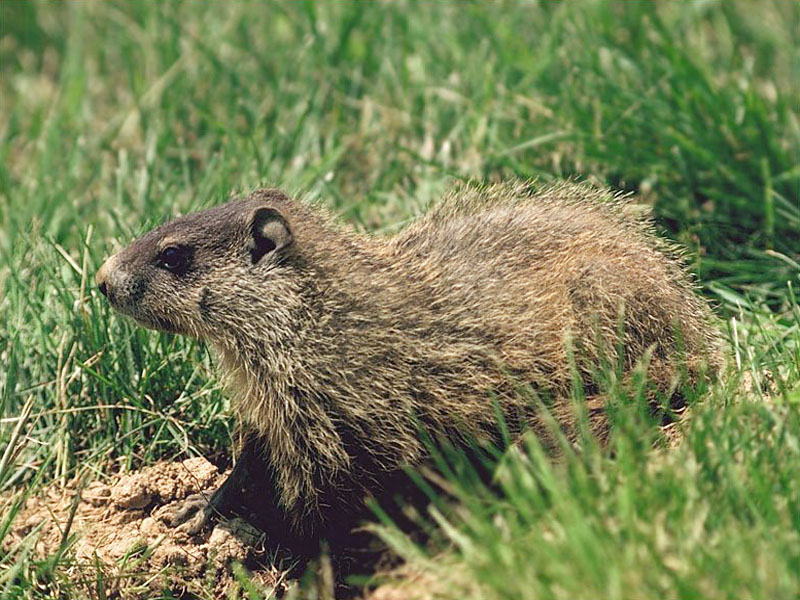
|
Environment/Plants
|
Home Page |
|---|
