The watthour meter installed in your home is a precision device that accurately measures your use of electric energy. The meter is factory tested, retested and sealed by the Energy Regulatory Board (ERB) to make sure that it accurately registers electric consumption.
The meter has a minimum of four dials, each numbered from zero to nine. Electricity flowing through the meter moves the hands measuring the kilowatthours you use.
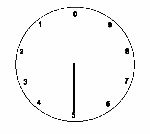
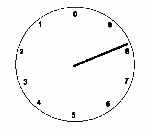
Anyone can read an electric meter accurately like reading a clock. With a trained eye, you can read it even from a distance of 20 feet. Dials B and D move clockwise; dials A and C, counterclockwise.
In reading the meter, stand directly in front of it. Starting with the rightmost dial (dial D), write down the smaller number which the hand or pointer on the dial has just passed.
|
A |
B |
C |
D |
|
|
|
|
|
|
|
|
|
|
|
5 |
8 |
3 |
2 |
For example, if the pointer is between “2” and “3” as shown on dial D, you record the smaller number ‘2’. Set down, in the same right-to-left order, the number you have read from the other dials.
You will see that the figure is 5382. When the pointer is directly on a number, for example, “5”, read it as “5” if the pointer of the dial on the right has passed its zero point. But read it as “7” if the pointer on the next dials is approaching the zero point.
By subtracting the meter reading shown on your last bill from this reading, you get the number of kilowatthours used since the last billing date.
Meter readings are entered into the
Rover 2000, a handheld portable microcomputer.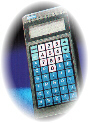

CELCOR Meter Readers after their Rover 2000 Training
Stored in its memory are your previous meter readings and your average range of consumption. Its built-in features require CELCOR meter readers to complete, recheck and input their readings correctly.