|

Page FOUR! All images were taken in 2010!
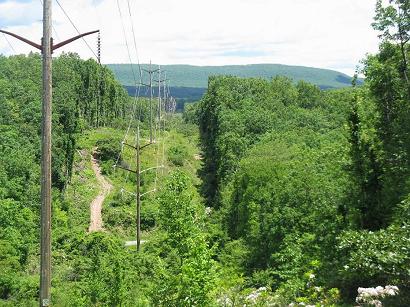
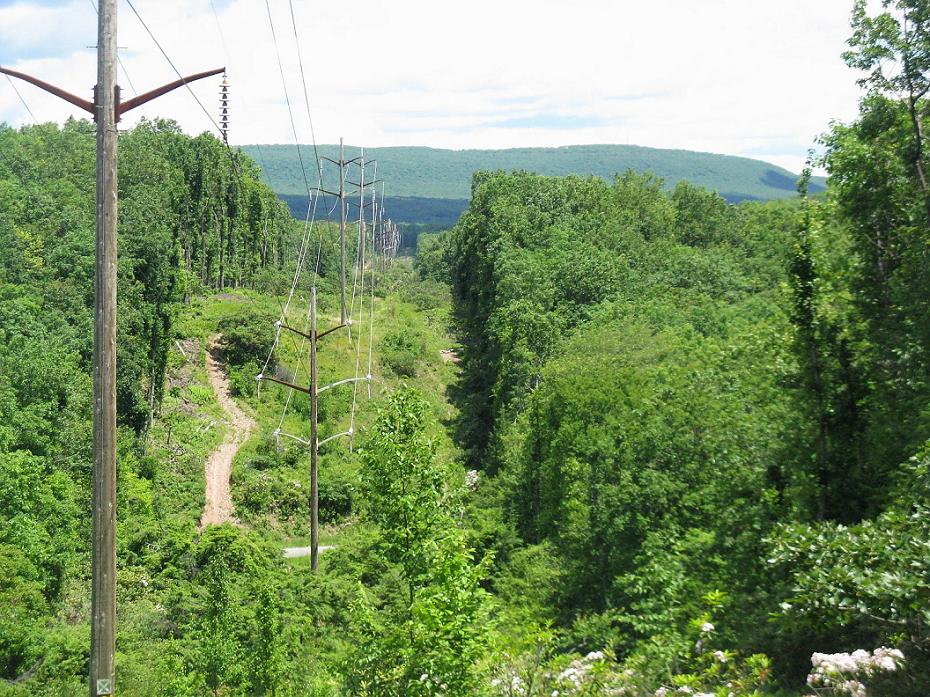
A beautiful view from the high-country!
This view was taken far above the point where "Fall Creek" becomes "McMichaels Creek", and across the way, the Poconos can be seen, namely Big Pocono Mountain in this case. The Northern end of the Pohoqualine region has some rugged terrain, but near its Southern limit, it's a lot more flat!
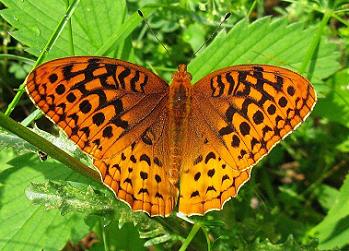
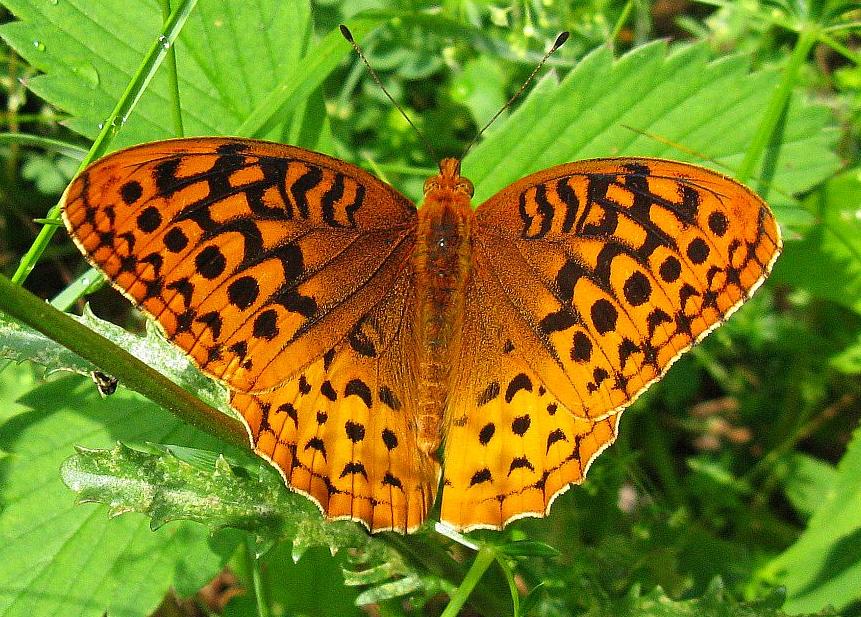
This is the Great-Spangled Fritillary. One thing interesting about this butterfly is the males appear almost a month before the females appear! The name "Great-Spangled" means it's a LARGE fritillary (about 3 inches), and the hindwings on the under-side are spotted with vivid bright silver dots! Normally seen in the open, the females go deep into the forest to lay eggs on the leaves of violets, and the larvae feed at night, and grow quite slowly for a butterfly caterpillar!
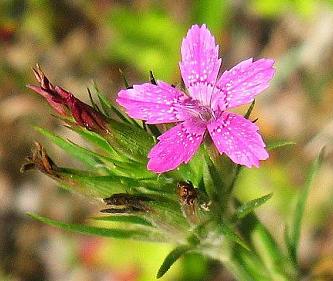
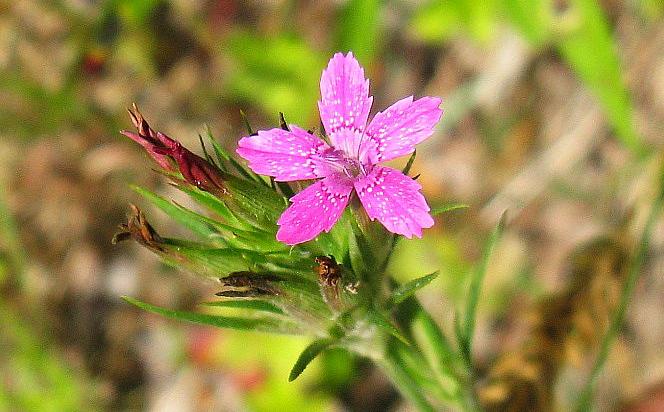
This tiny Dianthus is a real attention-getter! This is a "wild Carnation".
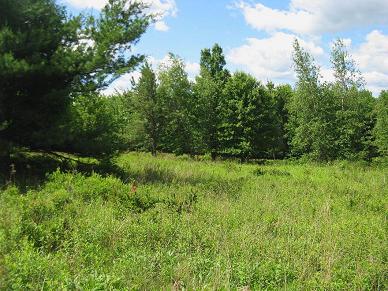
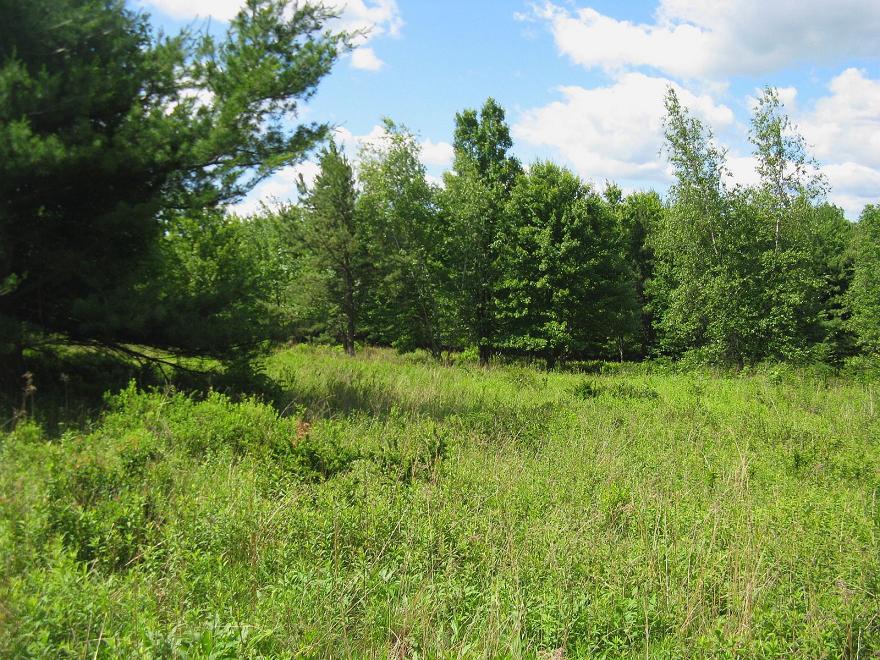
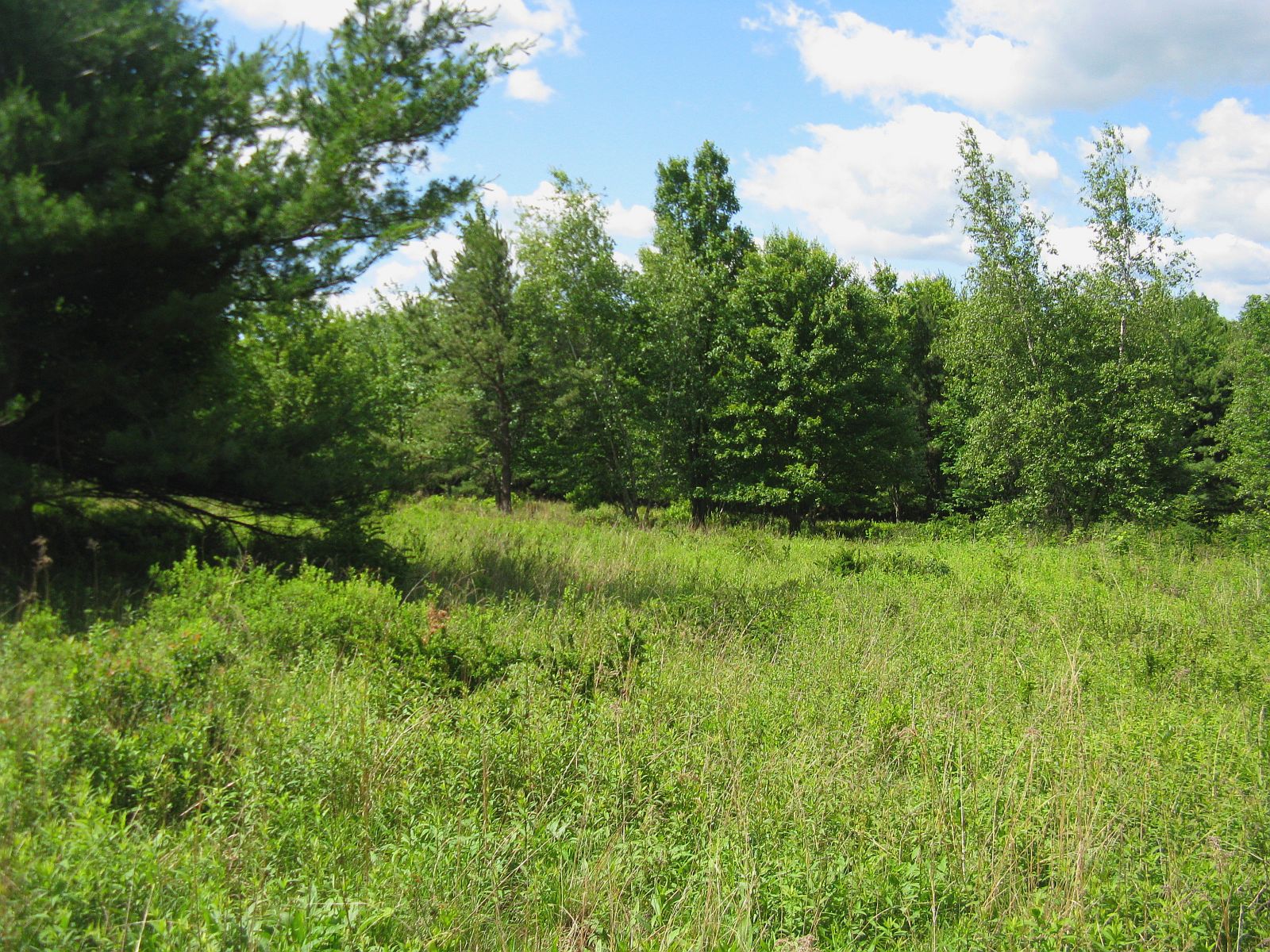
Here's another look at the high-country! This old field swarms with butterflies, and is the PERFECT habitat for the Wood Turtle as well.... and Garter Snakes :-). In the evenings, this area becomes the grazing ground for deer. If you'd like a Desktop image of this, get your copy HERE!
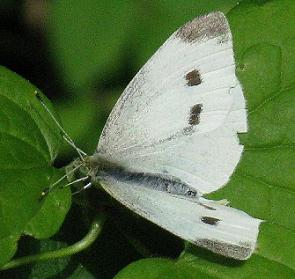
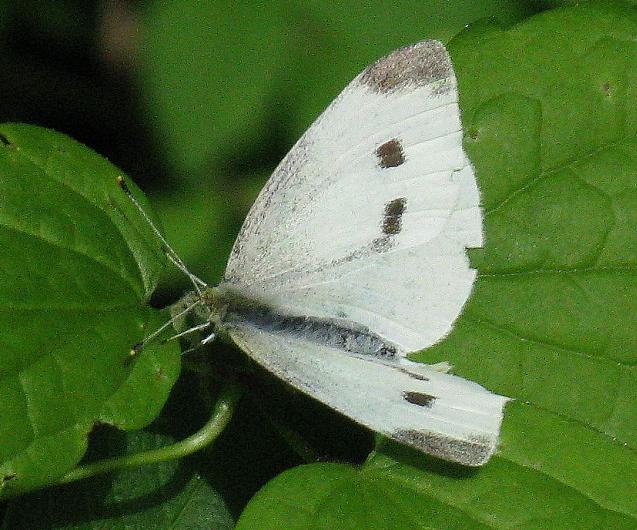
This is the Cabbage White. This one is not native, and inhabits about every area, and thankfully, its larvae feed on "weeds" in the mustard family, and sometimes becomes a garden pest when it discovers your cabbage patch!

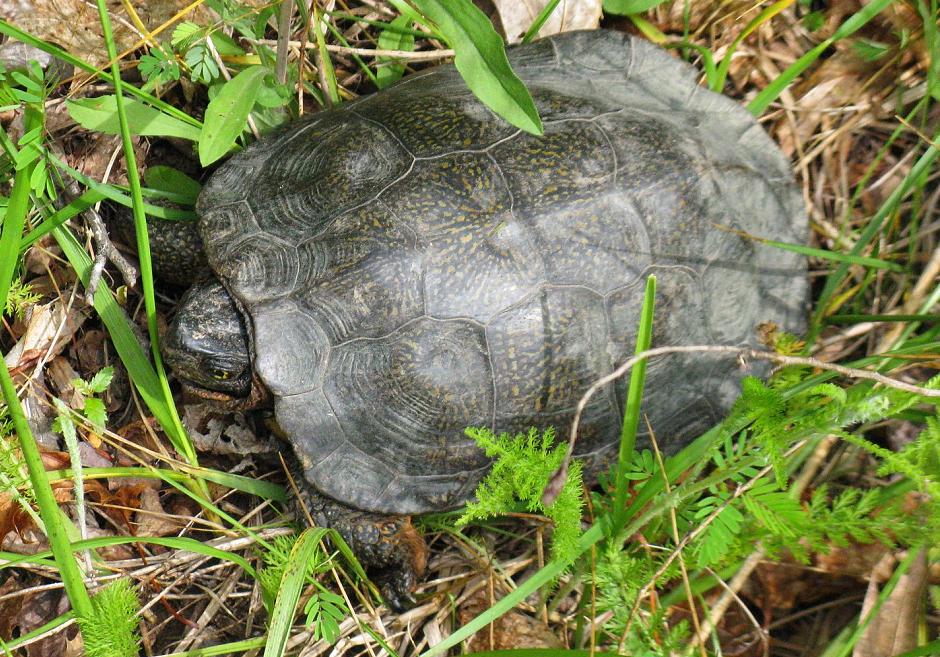
A male Wood Turtle.
This big guy is living happily near Brodheadsville (the place where the frogs are!). Wood Turtles do make nice pets, but a word of warning - they MUST be allowed to hibernate (which is hard to do in captivity!), so if you want to keep one for the Summer....... go ahead, only if you have experience on turtle-keeping that is! Otherwise NEVER mix them with other turtles of any kind, since disease may spread to the wild population, and they MUST be released by mid-September, so they can find their place of hibernation. This means it has to be put back right where you found it. This same rule goes for ANY native reptile or amphibian, since the winters here can be harsh, and they know exactly where to go to avoid it, and to put one in a "strange" place, it may not be able to find a place to hibernate, and it will freeze! It's best to photograph them and to leave them right where they are.
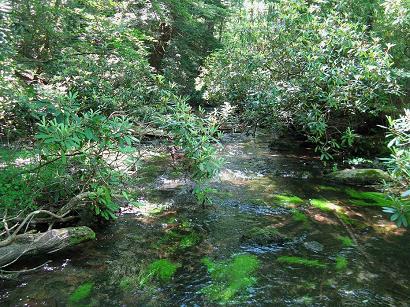
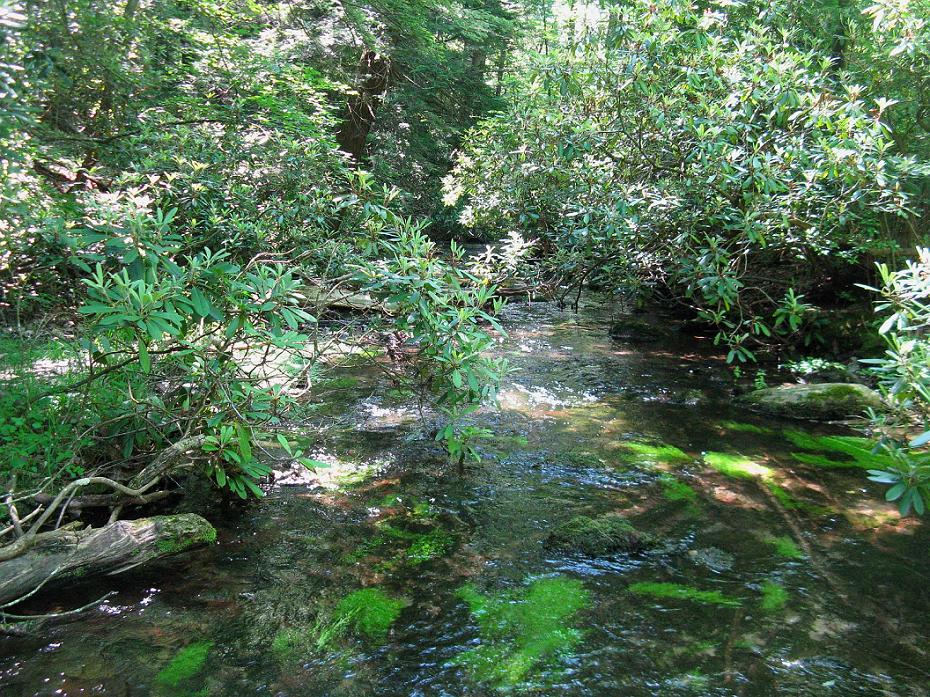
One last look at the creek!
|