Bermont Formation(400,000 to 1,000,000 years before present)Pleistocene - South Florida |
 |
Select a picture or scroll down the page to see larger pictures of each fossil.
The Bermont formation was deposited during the Pleistocene (Ice Age). There are beds of sediment that were deposited in marine water when sea level was much higher than it is now and beds deposited in fresh water lakes that were deposited when sea level was much lower then it is now. The lowered sea levels were caused by the advance of continental glaciers. Because water was tied up in the glaciers, sea levels dropped. As the glaciers melted sea level rose until was much higher then it is now and covered large parts of Florida.
During one of the periods of lower water levels Lake Okeelanta formed. This lake was much larger than lake Okeechobee and covered much of the modern everglades. Sea level has been rising for thousands of years. For the last 6000 years the rate of sea-level rise has been fairly slow. But now it looks like sea-level rise is speeding up again. Most scientists think that increase is the results of added CO2 to our atmosphere.
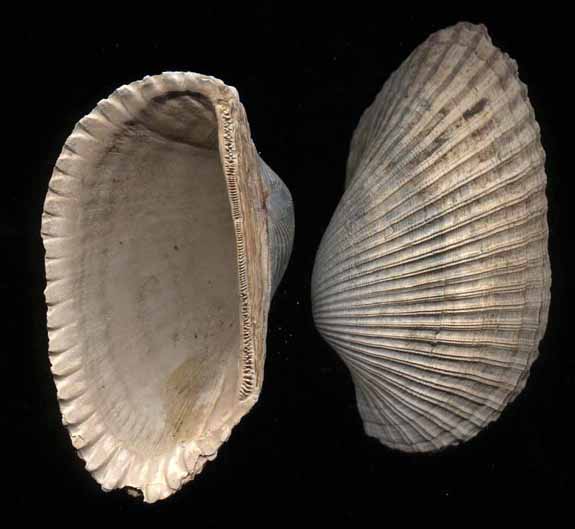
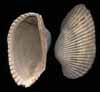
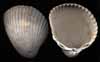
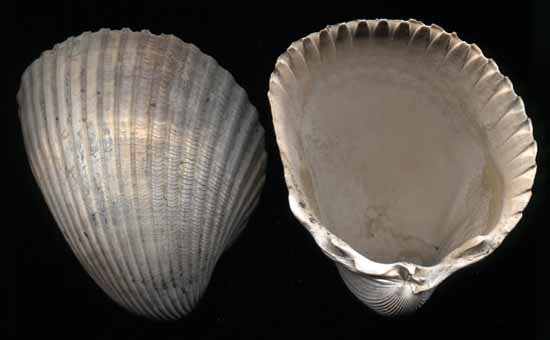
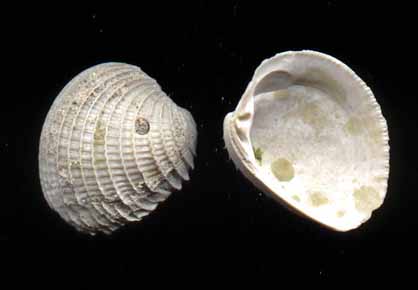
Giant Atlantic Cockle (Trachycardium quadrigenarium)
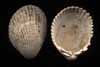
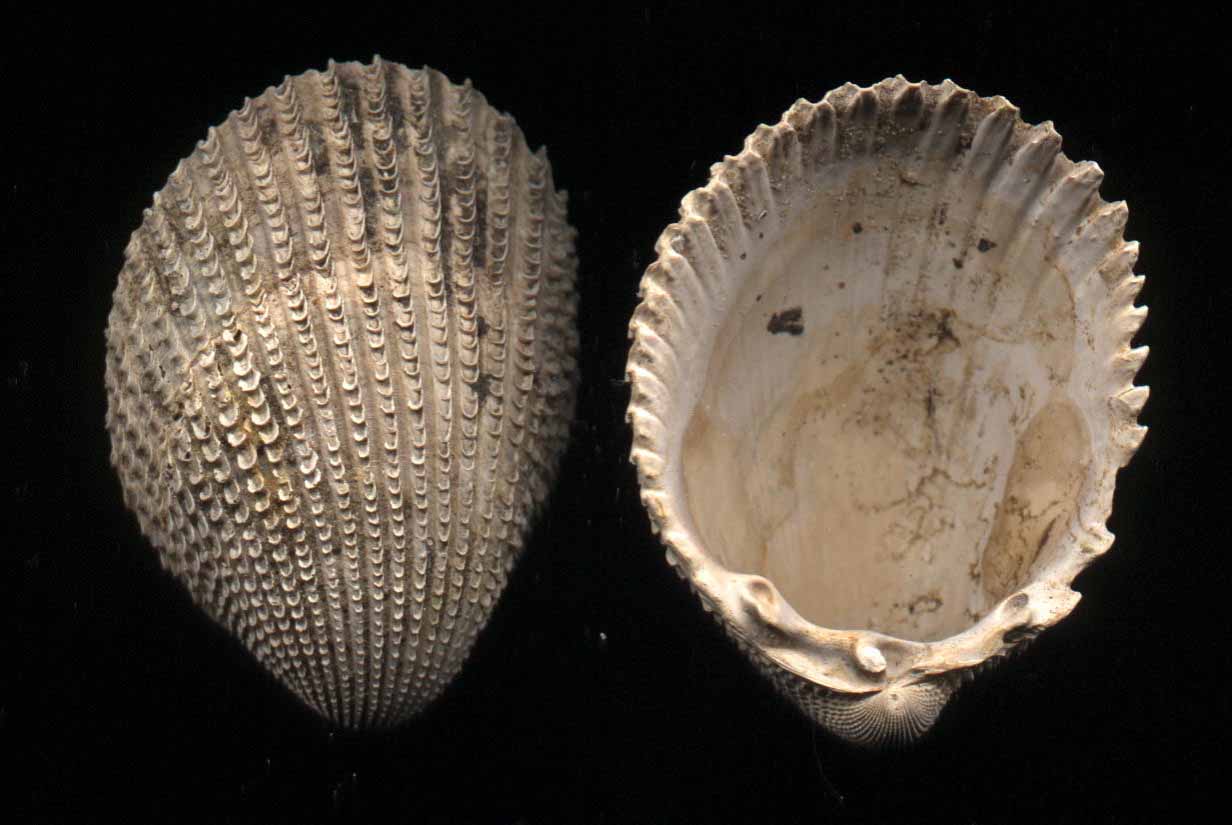
Prickly Cockle (Traachycardium egmontianum)
Pennsylvania Lucine
(Lucinidae Linga pensylvanica)

back to top
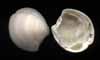
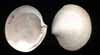
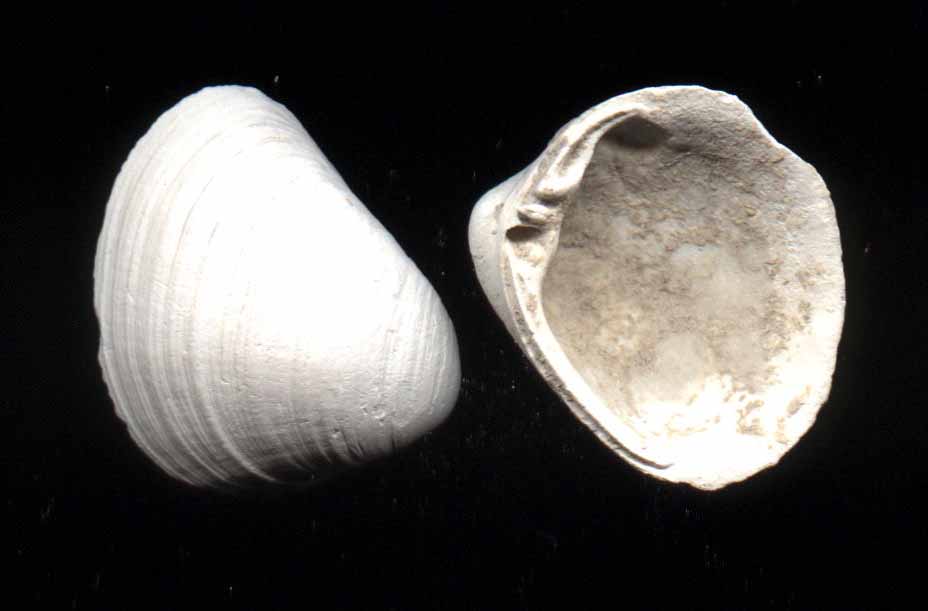
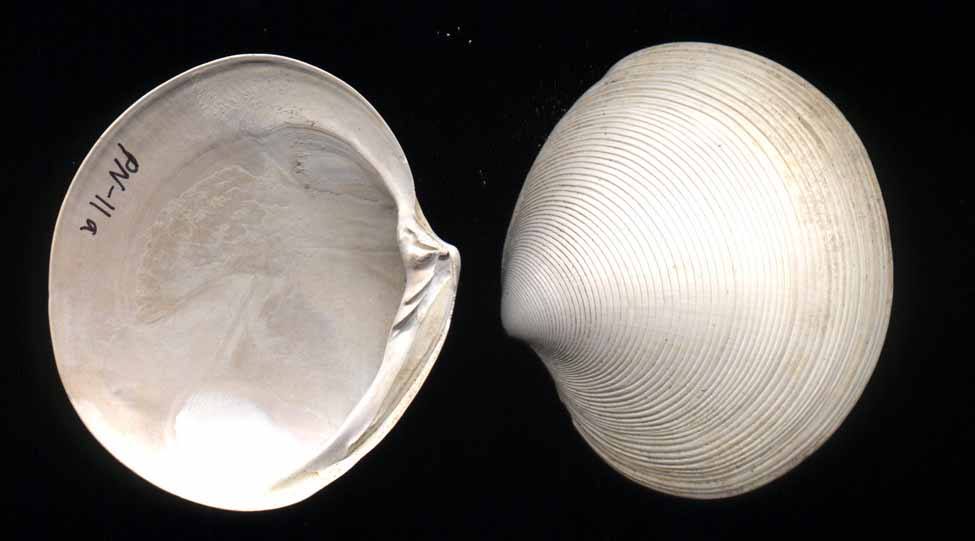
Disk Dosinia (Dosinia discus)
back to top
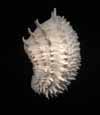
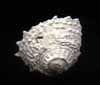
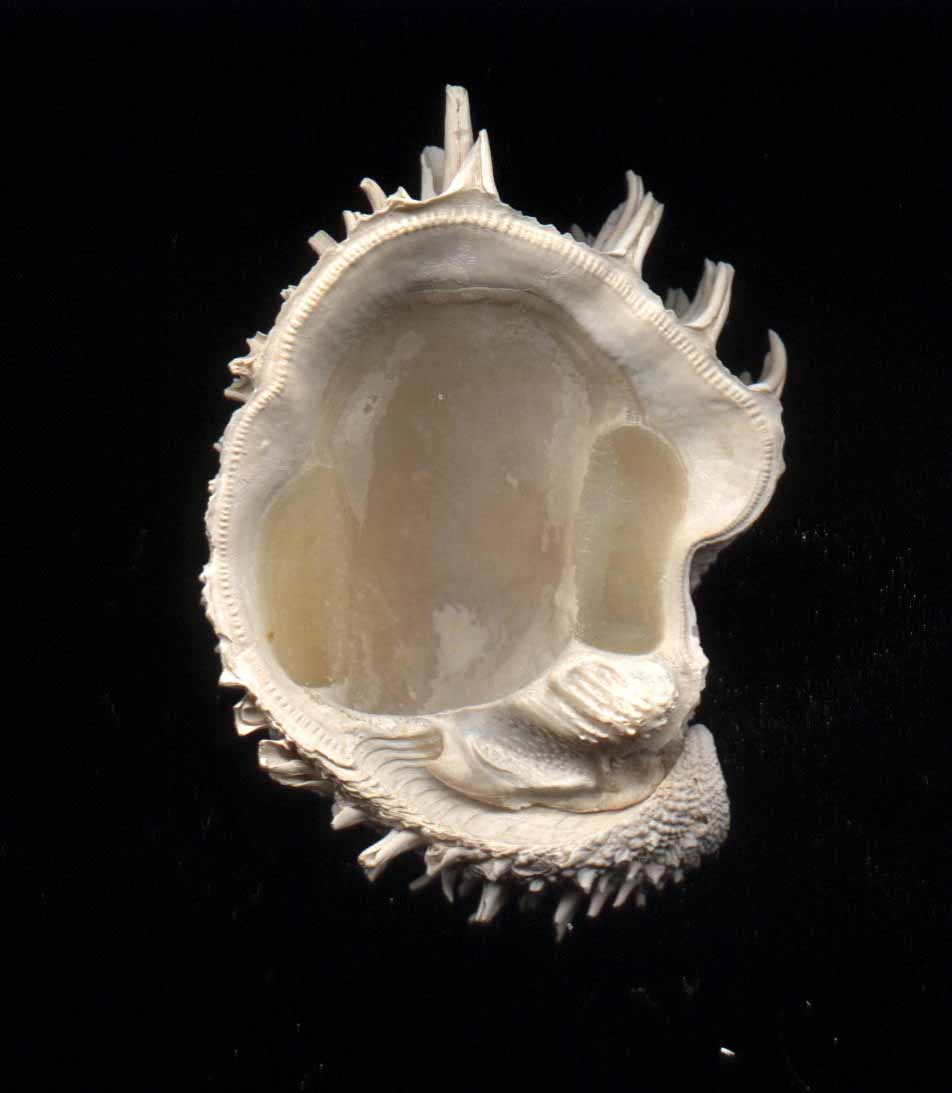
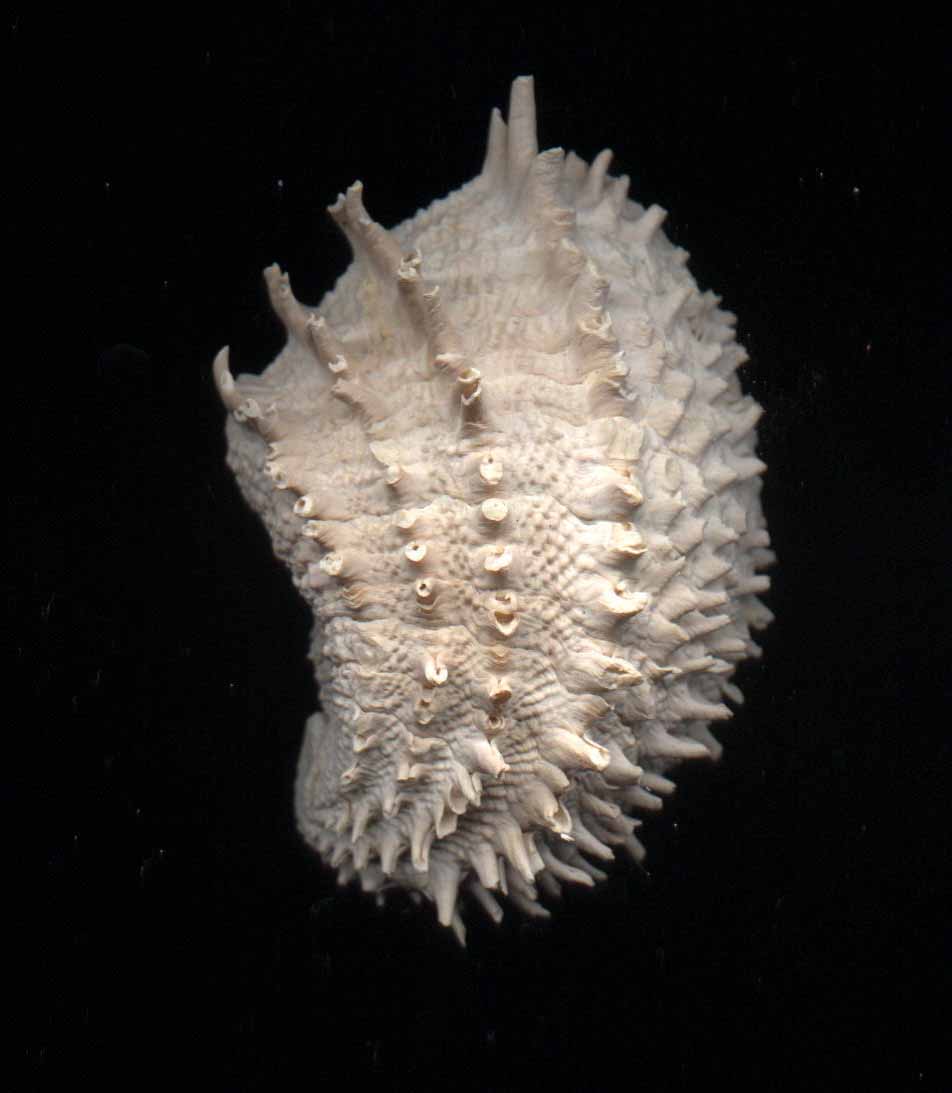
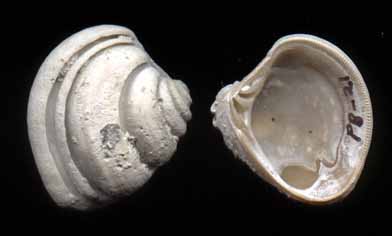
Spiney Jewel box (Arcinella corunta)
Long Spined Star Shell (Astraea phoebia)
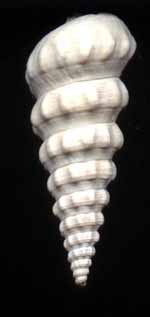
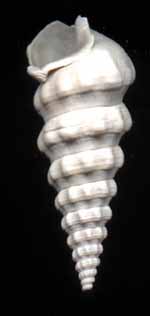
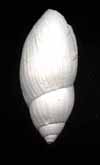
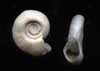
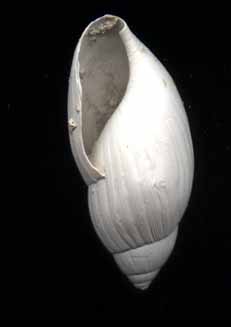
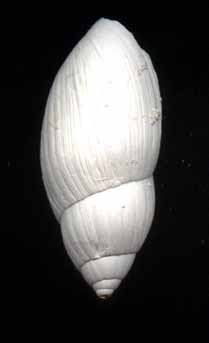
OLEACINIDAE Euglandina truncata
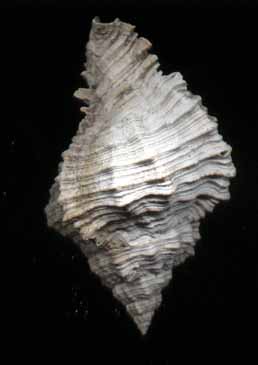
Giant Eastern Murex (Muricanthus fulvescens)
Florida
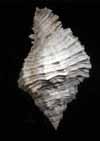
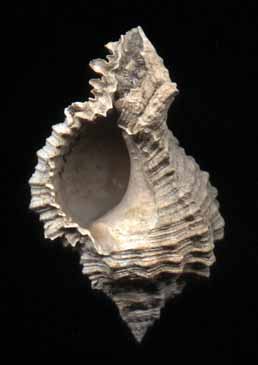
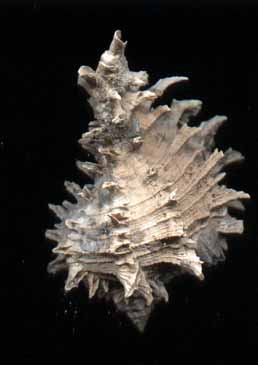
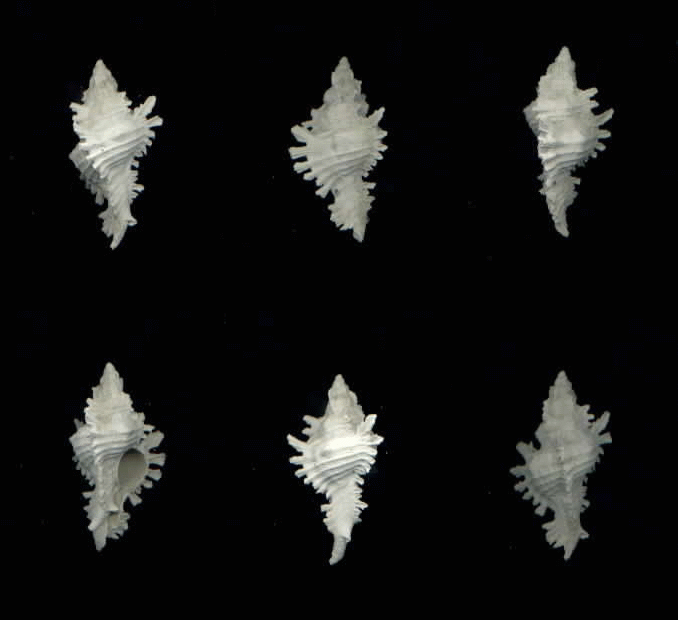
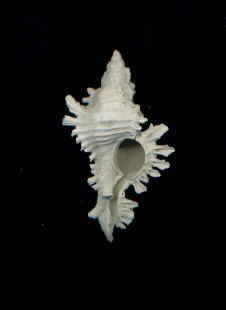
Lace Murex (Chicoreus florifer dilectus)

back to top
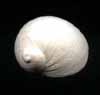
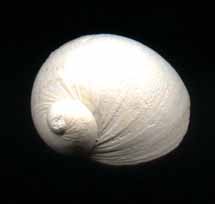
Moon Snail (NATICIDAE Polinices duplicatus)
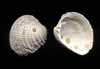
Imperial Venus (Chione laterata)
Cross Barred Venus (Chione Cancellata)
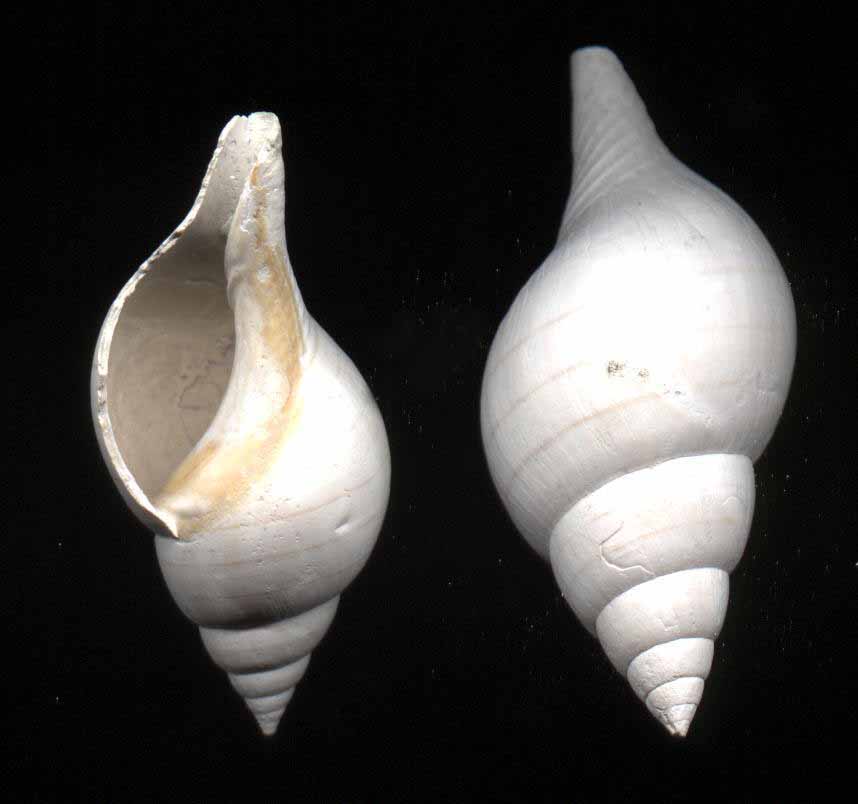
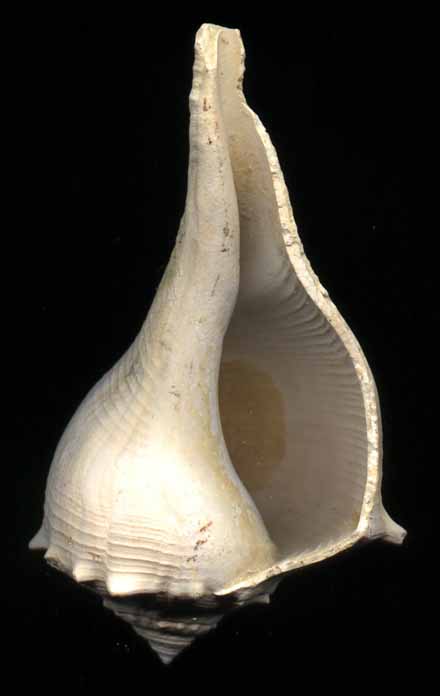
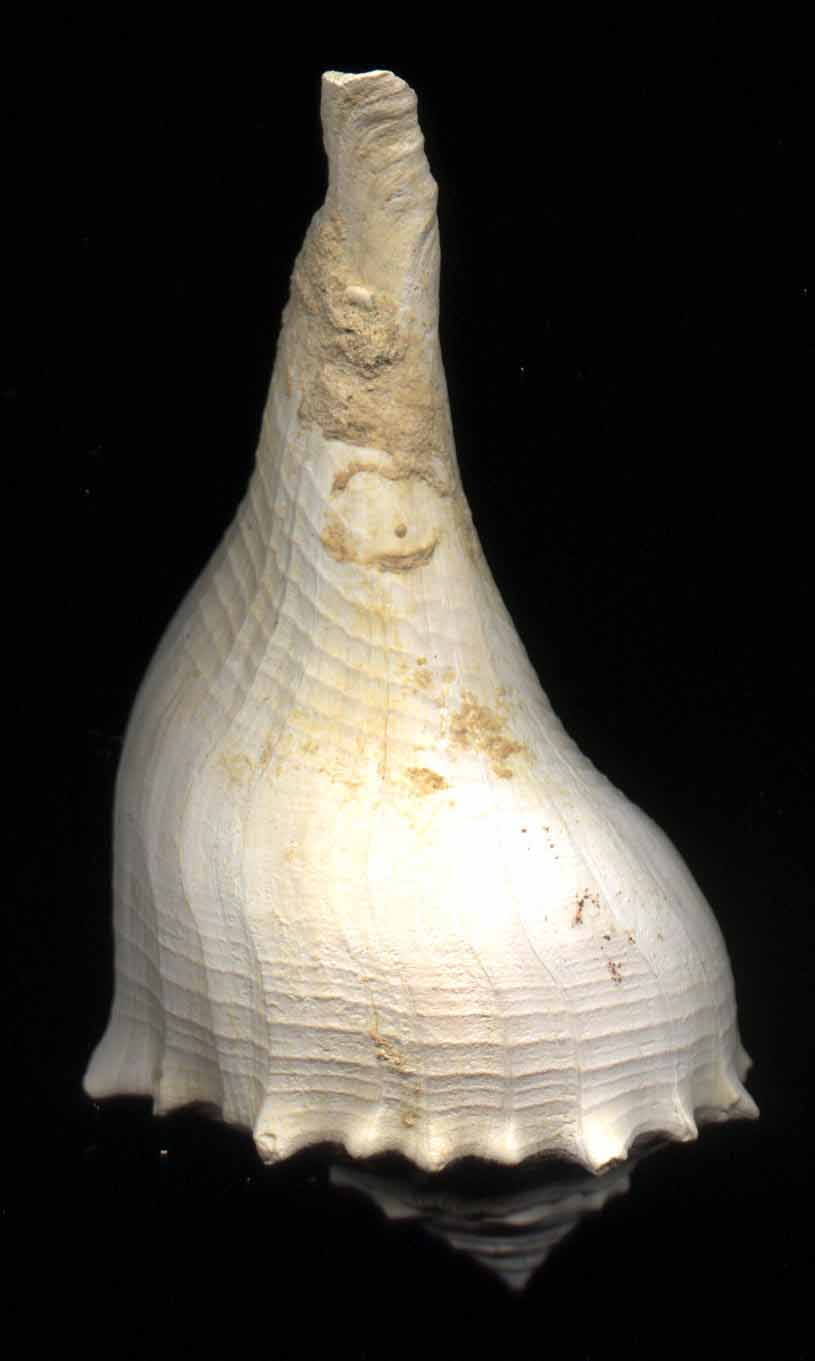
Lightning Welk
(Busycon
contrarium)
back to top
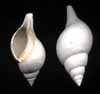
Banded Tulip (Fasciolaria lilium)
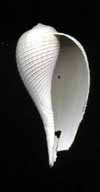
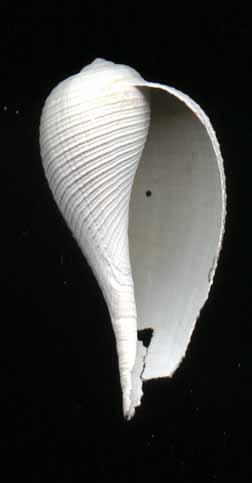
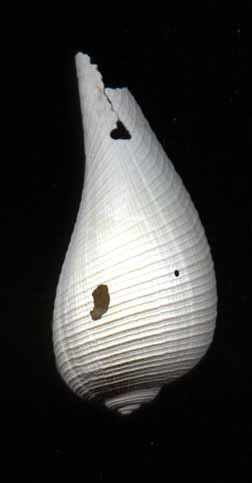
Common Fig Shell (Ficus communis)