|
Various Swing Styles
Savoy Swing: a style of Swing popular in the  New York Savoy Ballroom in the 1930's and 40's originally danced to Swing music. The savoy style of swing is a very fast, jumpy, casual-looking style of dancing. New York Savoy Ballroom in the 1930's and 40's originally danced to Swing music. The savoy style of swing is a very fast, jumpy, casual-looking style of dancing.
Lindy Hop: After Charles "Lindy" Lindbergh "hopped" over the Atlantic in one dramatic "hop", one newspaper's headline read 'Lindy hops Atlantic' the day after Lindbergh completed the historical transatlantic flight. Lindy Hop got its name one fateful evening when a dancer was asked what the name of the 'cool new dance' he was doing was, and as the dance didn't have a name as such yet, on a whim he called it 'Lindy Hop'. The name stuck and within a few years by the end of 1936, the Lindy was sweeping the United States and people all over the country were doing the Lindy Hop, the original of what is now widely referred to as the 'Swing Dances'.
Jitterbug: came about from an offhand remark by someone watching some people swing dance, saying they moved "like Jitterbugs". Jitterbug seems to be a term like Swing -- that is, it is not one specific dance, but rather has been applied to several of the dances over the years.
West Coast Swing: can be traced back to the late 1930's to clubs in Harlem, New York. Its roots are Lindy Hop and Jitterbug. West Coast Swing is a style of Swing emphasizing nimble feet popular in California night clubs in the 1930's and 40's and was voted the "California State Dance" in 1989.
Country Western Swing: a Jitterbug style popularized during the 1980's and danced to Country and Western music.
East Coast Swing: East Coast Swing is a dance, derived from the Lindy Hop by literally removing a couple of steps. The basic is triple step, triple step and a rock step and is danced to big band swing music, however, it is smooth and grounded, as opposed to the more upward feeling of Rock 'n Roll.
J i v e: the international style version of the dance is called 'Jive' and is danced competitively in the United States and all over the world. 
This page is especially dedicated to:
My dear swing dancin', lindyhoppin' friends Tim and Allison 
| |


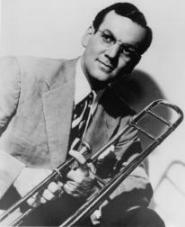
 In the Mood