|
Bahamas
Documented
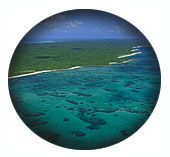
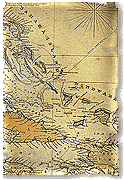
Bahamian history begins with the words, "Baja Mar," the name the
Spanish bestowed on the islands. This term is misleading, however; it
means "shallow sea," but the islands are really mountain
plateaus that emerged from the Atlantic hundreds of thousands of years
ago. As they grew, they hosted countless generations of coral, which today
comprise the islands' limestone base.
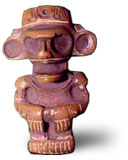
The
"Lukku-cairi" or island people, as they called themselves, were
the first settlers. Originally from South America, they meandered up
through the Caribbean and finally arrived in The Bahamas around the Ninth
Century AD. Known as Arawaks, they are also called "Lucayans"
and "Indians"- a label bestowed by Columbus, who mistakenly
thought he found the East Indies when he dropped anchor in San
Salvador in 1492.
The
next phase of Bahamian history involves the Eleutheran Adventurers,
English settlers who left Bermuda in 1647 searching for religious freedom.
They formed the first British colony on the Island of Eleutheran and began
a prosperous agricultural economy that still thrives today.
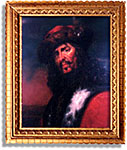
The
geography of the islands attracted many well known Pirates, such as the
infamous Black Beard, Henry Morgan, and Anne Bonney, who dominated the
islands for the next 70 Years in what was known as "The Golden Age of
Piracy." Their chief occupation was luring unsuspecting ships into
the treacherous, shallow waters, then pouncing on and plundering them like
insects trapped in a spider's web. Britain, which claimed islands in 1670,
remained powerless against their predations for almost 50 years, until the
first governor, Woodes Rogers, drove them out in 1718. Britain then
recognized them as a colony.
|