 |
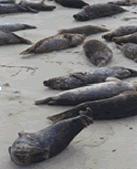 |
Seals and Sea Lions-These animals come to bask on the sand during high tide seasons and they are dangerous. Sea lions, which are more vocal, larger and can propel themselves on land using their front flippers, are agressive and should be given lots of space. Seals are smaller, shy, and move with more fluid, slinkier, sliding motions. A distance of 20 feet should be maintained at all times as they are wild animals. For more information, please visit Frequently Asked Questions About Seals and Sea Lions. |
|
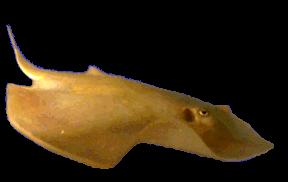 |
Stingrays- These creatures are usually rather harmless when unprovoked. They lie about one inch under the surface of the sand. When stepped on, most have a barbed tail that attacks the intruder and injects a localized neurotoxin causing burning sensations and redness of affected area. The best way to avoid contact is to shuffle your feet when entering water. |
|
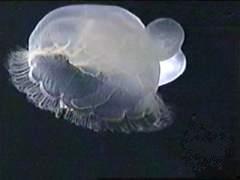 |
Jellyfish- These creatures come in every different size and shape. Some are nearly invisible and are characterized by long tentacles with stinging neurotoxins. They are noticable only by the distortion of the water. There are some that are visible, poisonous, harmless, and deadly. Jellyfish are social and usually travel in colonies. Sightings are infrequent because these sea polyps are bottom-dwellers, but occasionally the tides bring them in. |
|
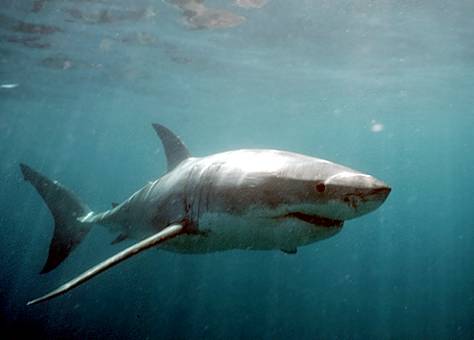 |
Sharks- As solitary creatures, these beasts of the water roam from place to place searching out food. They are generally intimidated by people, occasionally, due to sickness or inability to feed properly, they do come into the shallow waters and attack humans. Most Sharks prefer the deeper waters and, even if sighted, will never come near enough to pose a problem. When a shark is sighted, an alert is called by the lifeguards and all surfing and activity is ended until area is deemed secure by the Water Safety personnel. |
|
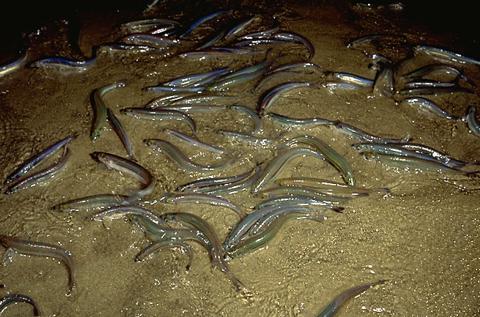 |
Grunion- Typically around March through August, these fish come all the way out of the water to lay their eggs on nights after the highest tides. This usually occurs somewhere around the full and new moon (about every ten days during spring and summer. It is an interesting phenomena to watch. It looks like millions of fish just grew legs and half slithered and half walked out of the waves to the dry sand where they deposit up to six thousand eggs each. Because of the warm climate native to this part of the coast, it only happens in Southern California and certain parts of Baja California. For more info, look at the Grunion Fact Sheet. |
|
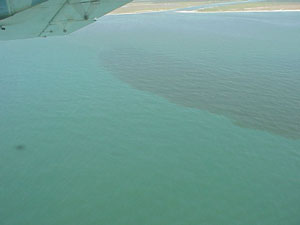 |
The Red Tide- This phenomena, caused by an intense concentration of plankton in the waves, makes the waves appear to be blood red. When the red tide appears, oysters, mollusks, scallops, and other soft shelled fish are not allowed to be eaten because they are unsafe due to the neurotoxins absorbed. |
|


