

Subwoofers

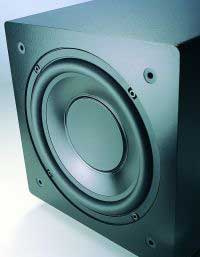
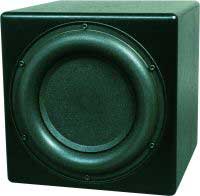
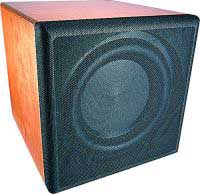
Rel Q100E, 100W Rel Q150E, 150W Rel Q200, 200W Rel Q201E, 200W

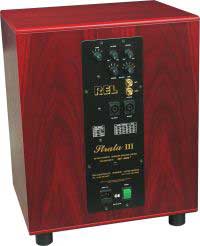
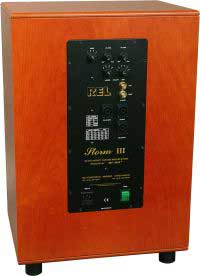
Rel Q400, 400W Rel Strara III. 100W Rel Storm III.150W Rel Stadium III. 150W
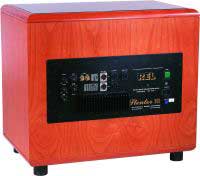
Rel Stentor III. 200W Rel Studio III, 500W Rel's Website http://www.rel.net/
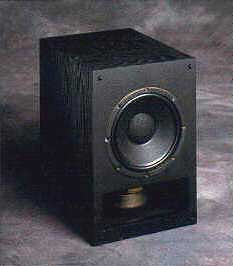
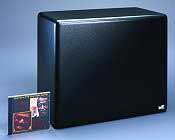
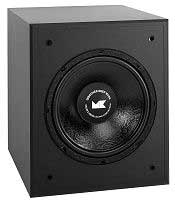
M&K Push-Pull M&K Pressure-loaded M&K Sealed Box
M&K make basically three types of Subwoofer- Push-Pull is with two 10" or 12" so one is in reverse motion. Pressure-loading requires placement against the wall. Sealed Box has no port. Subwoofers are designed to reproduce Low Frequencies, normally between 16hz-120hz. Subwoofers should at least have a low-level input (from a AV amps LFE output from DD/DTS). High-level speaker input isn't really required unless you're using the sub in music mode- you would send full-range from the amps loudspeaker output. Subwoofers can also be used for music- you normally set the subwoofer roll-off around the same frequency the left/right speakers bottom out (ie- L/R lowest is 50hz, so set subwoofer between 40-60hz) Try the settings between, adjust volume on the sub to match. Increase/decrease roll-off, then re-adjust subwoofer volume.
Usually when the subwoofer sound is boomy or noticeable above the L/R speakers, this means the subwoofer roll-off/volume is set too high. Get a subwoofer that the lowest frequency is at least 16hz-20hz. Some cheaper subwoofers can only reproduce 35-45hz lowest-this isn't low enough. Don't buy a cheap sub, as they sound slow, and make a constant rumble rather than fast deep bass. Spend at least £500 on a sub, anything less is a compromise. Avoid the cheap subwoofers made by Yamaha, Jamo, Wharfdale, Celestion and passive (no amplifier) types.
