The Russian involvement in the war was well recieved in Russia. In 1908, Russia had been humiliated by Germany over the authority of Bosnia. There was therefore a deep hatred between the nations and so the war was a chance for the Tsar to avenge Russia's earlier embarressments.
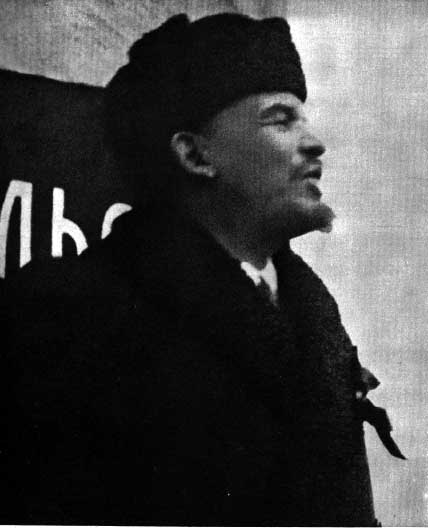 The Tsar's popularity soared and he was seen as the nations' symbol of resistance. Even the Socialist Parties dropped their anti-war stance when they saw the Tsar's popularity. Only Lenin's Bolshevik Party remained against the war. As a result, the party received little support at this time.
When Germany declared war on Russia, on the 1st August 1914, the public opinion was expectant and excited. However a war that started so positively would end in a colossial defeat for both Russia and the Tsar. The war in reality was destined to end in failure. The armed forces were severly under-armed and very poorly organised.Russia's rearmament programme was to be concluded in 1917 and so from even the start of the war, Russia was at a disadvantage. Russia had the biggest army in the world at this time, 5.3 million and by the end of the war this had risen to 15.3 million. This equalled only 8.8% of Russia's 180 million population. Germany on the other hand, had armed forces of 3.8 million later growing to 14 million - or 20.5% of its 68 million population. The severely underequipped forces which were led by incompetant generals ultimatley led to major military blunders that were blamed on the Commander-in-chief, the Tsar. The 'Triple Entente', an alliance between France, Russia and Great Britain set out military tactics should war occur in Europe.
The Tsar's popularity soared and he was seen as the nations' symbol of resistance. Even the Socialist Parties dropped their anti-war stance when they saw the Tsar's popularity. Only Lenin's Bolshevik Party remained against the war. As a result, the party received little support at this time.
When Germany declared war on Russia, on the 1st August 1914, the public opinion was expectant and excited. However a war that started so positively would end in a colossial defeat for both Russia and the Tsar. The war in reality was destined to end in failure. The armed forces were severly under-armed and very poorly organised.Russia's rearmament programme was to be concluded in 1917 and so from even the start of the war, Russia was at a disadvantage. Russia had the biggest army in the world at this time, 5.3 million and by the end of the war this had risen to 15.3 million. This equalled only 8.8% of Russia's 180 million population. Germany on the other hand, had armed forces of 3.8 million later growing to 14 million - or 20.5% of its 68 million population. The severely underequipped forces which were led by incompetant generals ultimatley led to major military blunders that were blamed on the Commander-in-chief, the Tsar. The 'Triple Entente', an alliance between France, Russia and Great Britain set out military tactics should war occur in Europe.
Russian History [Continue]
|
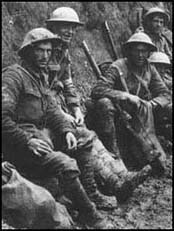 Russia was to attack eastern and northern German borders. This would leave French and British
attacking the western borders. This would then leave the German troops divided between the fronts and so weaken the German war effort.
Russia, from the first days of the war began to lose men and major battles. On the 26th August at the Battle of Tannenberg, the Germans attacked the Russians, they turned both flanks, encircled them, and in just six days destroyed Russia's Second Army taking 100,000 prisoners. The first Russian advancement into Eastern Prussia leads to 300,000 Russians dead.
Russia was to attack eastern and northern German borders. This would leave French and British
attacking the western borders. This would then leave the German troops divided between the fronts and so weaken the German war effort.
Russia, from the first days of the war began to lose men and major battles. On the 26th August at the Battle of Tannenberg, the Germans attacked the Russians, they turned both flanks, encircled them, and in just six days destroyed Russia's Second Army taking 100,000 prisoners. The first Russian advancement into Eastern Prussia leads to 300,000 Russians dead.
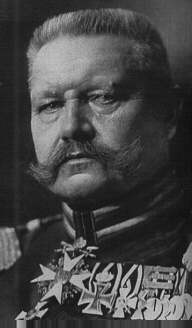 By the end of 1914, the German General Hindenburg transfers troops from the western border to the east in an attempt to end the two front war. Germany held western Poland including Lodz, all of eastern Prussia and parts of the Russian Baltic states. Russia still occupied Austrian Galicia.
July 1915 - The Battle of Warsaw, the Polish capital. Russia troops were over-whelmed by a combination of German and Austrian troops attacking from both the north and south of Russian front. Russians retreated, leaving Warsaw undefended and open to occupation.
In August 1915 the Russians continued to retreat into Poland, by the 25th, both the major Polish cities of Brest- Litovsk and Warsaw had fallen to the advancing German forces. Germany for the first time proceeded into Russian territory. The advancing troops target the city of Riga, in modern day, Latvia, as a means of crippling the Russian navy. The first Naval Battle in the Gulf of Riga, pushes the Germans back and the Russians successfully defend the city for a further two years. By September 1915, Tsar Nicholas II, still enjoying public support, removes his uncle, Grand Duke Nicholas from the post as Commander-in-chief of the armed forces, and takes this post for himself. Almost immediately the war drastically turned for Russia and the Tsar.
By the end of 1914, the German General Hindenburg transfers troops from the western border to the east in an attempt to end the two front war. Germany held western Poland including Lodz, all of eastern Prussia and parts of the Russian Baltic states. Russia still occupied Austrian Galicia.
July 1915 - The Battle of Warsaw, the Polish capital. Russia troops were over-whelmed by a combination of German and Austrian troops attacking from both the north and south of Russian front. Russians retreated, leaving Warsaw undefended and open to occupation.
In August 1915 the Russians continued to retreat into Poland, by the 25th, both the major Polish cities of Brest- Litovsk and Warsaw had fallen to the advancing German forces. Germany for the first time proceeded into Russian territory. The advancing troops target the city of Riga, in modern day, Latvia, as a means of crippling the Russian navy. The first Naval Battle in the Gulf of Riga, pushes the Germans back and the Russians successfully defend the city for a further two years. By September 1915, Tsar Nicholas II, still enjoying public support, removes his uncle, Grand Duke Nicholas from the post as Commander-in-chief of the armed forces, and takes this post for himself. Almost immediately the war drastically turned for Russia and the Tsar.
|

