

Some facts about reptiles:
Most reptiles can be classified into three large groups: the turtles (order Chelonia), the snakes and lizards (order Squamata), and the alligators and crocodiles (order Crocodilia).
There are 8,240 species of reptiles in the world.
Reptiles are cold blooded or "ectothermic," which means that they are depended on other sources to maintain their body temperatures.
Most reptiles share a number of general morphological features. In general, reptiles are lung-breathing vertebrates with two pairs of limbs and a horny, scaly skin.
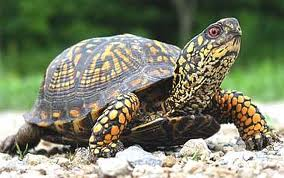

Turtles:
Turtles are easily distinguished from other reptiles by the protective shell that encases their body.
The turtle shell has two parts, a carapace on top and a plastron under the belly, which incorporate the ribs, vertebrae, and elements of the turtle's pectoral (front limb) girdle. The turtle's head, limbs, and tail can protrude from and retract into the shell to varying degrees, depending on the species.
All turtles lay eggs.
Most turtles have a varied diet of small insects and worms, crustaceans, nonfibrous plants, or fish.
In many turtle species, the sex of the offspring is determined by the temperature at which the eggs are maintained as the young turtles develop.
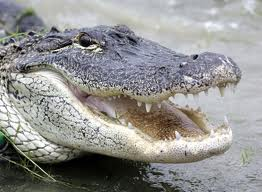
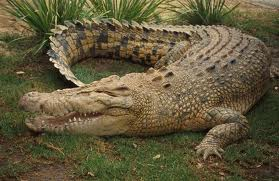
Their long bodies, powerful jaws, and muscular tail are covered with heavy armor with bony plates.
These aggressive predators have conical teeth and short legs with webbed, clawed toes.
Are found in swamps, rivers, and lakes of tropical and sub-tropical habitats in the Northern and Southern Hemispheres
Crocodilians lay eggs in nests.
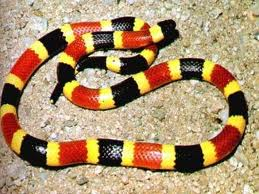
Only a few hundred of the world's 3,000 snakes are venomous. In the United States, only rattlesnakes, copperheads, cottonmouths, and coral snakes are poisonous. More Americans die each year from bee and wasp stings than from snake bites.
Snakes are secretive, solitary predators that are found in almost all types of habitat worldwide, except near the North and South Poles. They are limbless, lack eyelids, and have only one lung. Their slim, long body form allows them to search for prey in burrows, nests, and crevices. Many snakes are also excellent tree climbers and swimmers, and several species are fully aquatic.
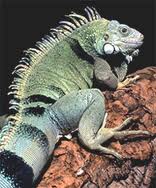
Most of the three thousand species of lizards have legs, movable eyelids, external ear openings, and long tails. Some species are limbless.
For more information on reptiles please click on the Animal Planet link at the top of the page.
